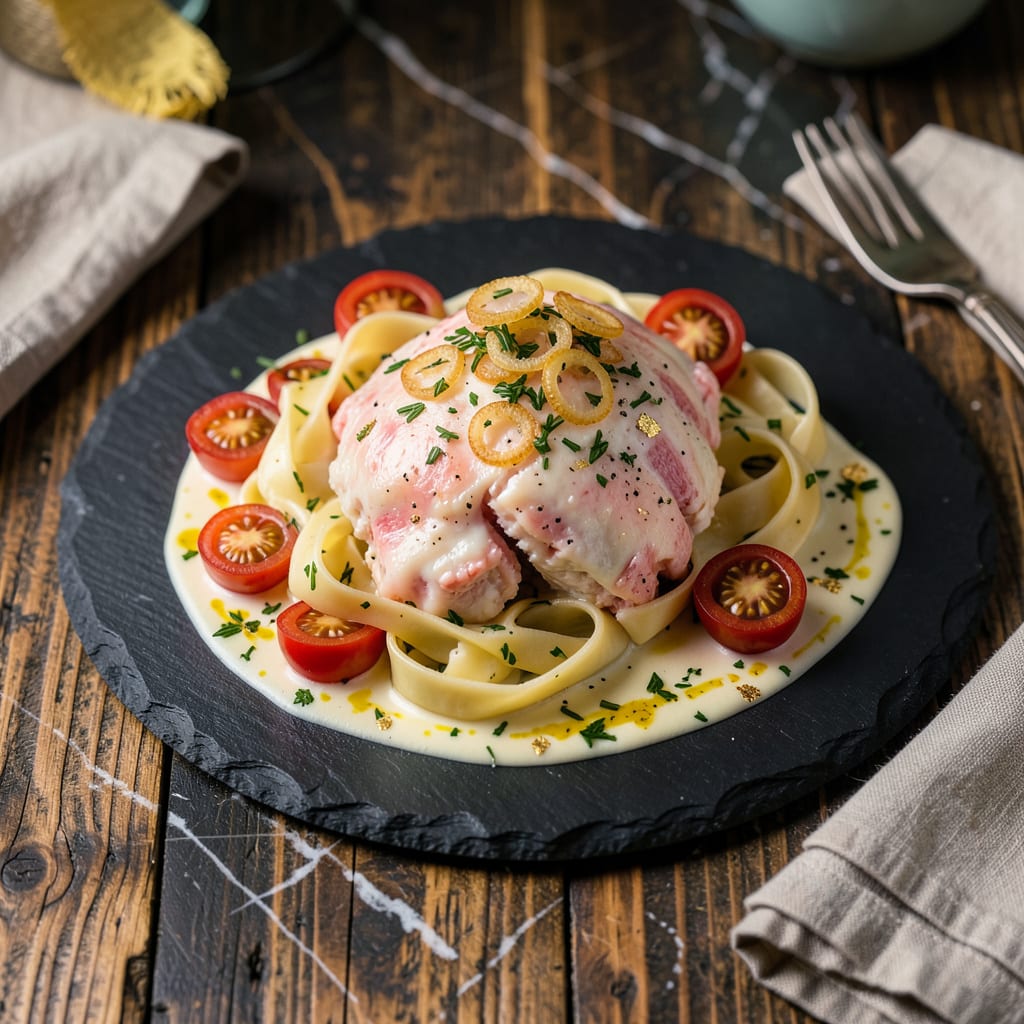
Lobster head meat is the rich, flavorful flesh found in the cephalothorax, often overlooked but prized for its sweet, briny taste and creamy texture. It’s perfect for soups, bisques, or as a decadent topping for pasta and risotto.
I’ve always considered this the chef’s secret weapon in seafood dishes. The high fat content melts into sauces, creating a velvety mouthfeel that tail meat simply can’t match. 🔥 What most home cooks don’t realize is that the head contains nearly 30% of the lobster’s total meat—that’s a significant amount of flavor being wasted if you only focus on the tail. My favorite trick is using it in lobster butter for finishing dishes, where its concentrated richness shines.
What’s fascinating is how the texture changes based on cooking method. When steamed, it stays tender and spreads beautifully on toast points. Sautéed quickly with garlic and herbs, it develops a slight crispness on the edges while maintaining that signature creaminess inside. ✨
💡 In This Article
- Why Lobster Head Meat Is a Hidden Culinary Treasure
- Step-by-Step Guide to Extracting and Cooking Lobster Head Meat
Why Lobster Head Meat Is a Hidden Culinary Treasure
The cephalothorax houses some of the most flavorful meat because of its unique composition. Unlike the leaner tail meat, head meat contains about 2-3 times more fat, which translates to that luxurious, almost buttery mouthfeel. This fat isn’t just for texture—it carries intense umami compounds from the lobster’s diet of shellfish and small marine creatures.
🔥 The meat also absorbs flavors differently during cooking, acting like a sponge for herbs and spices while maintaining its natural sweetness.
What makes it special is the texture contrast. While tail meat is firm and flaky, head meat has a creamy, almost custard-like consistency when properly cooked. This happens because the muscle fibers are shorter and surrounded by more connective tissue that breaks down into gelatin during cooking.
At 145°F, it reaches perfect doneness—firm enough to hold shape but tender enough to melt on your tongue. The gelatin content makes it ideal for thickening sauces naturally, eliminating the need for added starches.
Nutritionally, this meat packs a punch with higher concentrations of omega-3 fatty acids compared to the tail. A 3-ounce serving contains about 1.2 grams of these heart-healthy fats, plus significant amounts of vitamin B12 and selenium. The fat content also means it stays moist during cooking, unlike leaner seafood that dries out quickly.
I’ve found it particularly valuable in dishes where you want richness without heaviness, like a delicate lobster velouté or creamy pasta sauce.
Chefs prize this meat for its versatility in building depth of flavor. When simmered for stock, it releases 30% more collagen than tail meat, creating a naturally thickened, velvety broth. The natural sweetness balances acidic ingredients beautifully—try it with tomato-based sauces where it adds complexity without overpowering.
✨ For raw applications, the high fat content makes it perfect for tartare or ceviche, where it won’t turn rubbery like tail meat might.
The extraction process itself reveals why it’s so flavorful. The meat sits close to the lobster’s digestive organs, absorbing rich, briny flavors that tail meat misses. This proximity to the tomalley (lobster liver) infuses the meat with additional depth.
When you crack open the head, you’re accessing meat that’s been naturally marinated in the lobster’s own essence—something you can’t replicate with tail meat alone.
Here’s what most home cooks overlook: the yield. A 1.5-pound lobster typically contains about 2 ounces of head meat—that’s enough to transform a simple dish into something extraordinary. The key is treating it as a flavor enhancer rather than a main protein.
A little goes a long way in risottos, where it distributes its richness throughout each grain, or as a finishing garnish that makes every bite pop with concentrated lobster essence. 💫
Compare it to other shellfish: it has the sweetness of crab but with more body, the richness of scallops without the potential rubberiness, and the umami depth of clams but with a cleaner finish. This unique combination is why professional kitchens always reserve lobster heads for special preparations.
The next time you see someone discard the head, you’ll know they’re throwing away the most flavor-packed part of the crustacean.

Trained in classic French technique but raised on slow-cooked ribs and spicy rubs, she blends culinary skill with smoke and soul.
- Recipe for Boneless Pork Chops in Cast Iron Skillet: Sear and Baste to Juicy Perfection - October 3, 2026
- Recipe for Boneless Cross Rib Roast: Slow-Roasted Beef with Herb Crust - October 3, 2026
- Hamburgers in Sauce Recipe Crock Pot: Slow-Cooked Savory Delight - October 3, 2026