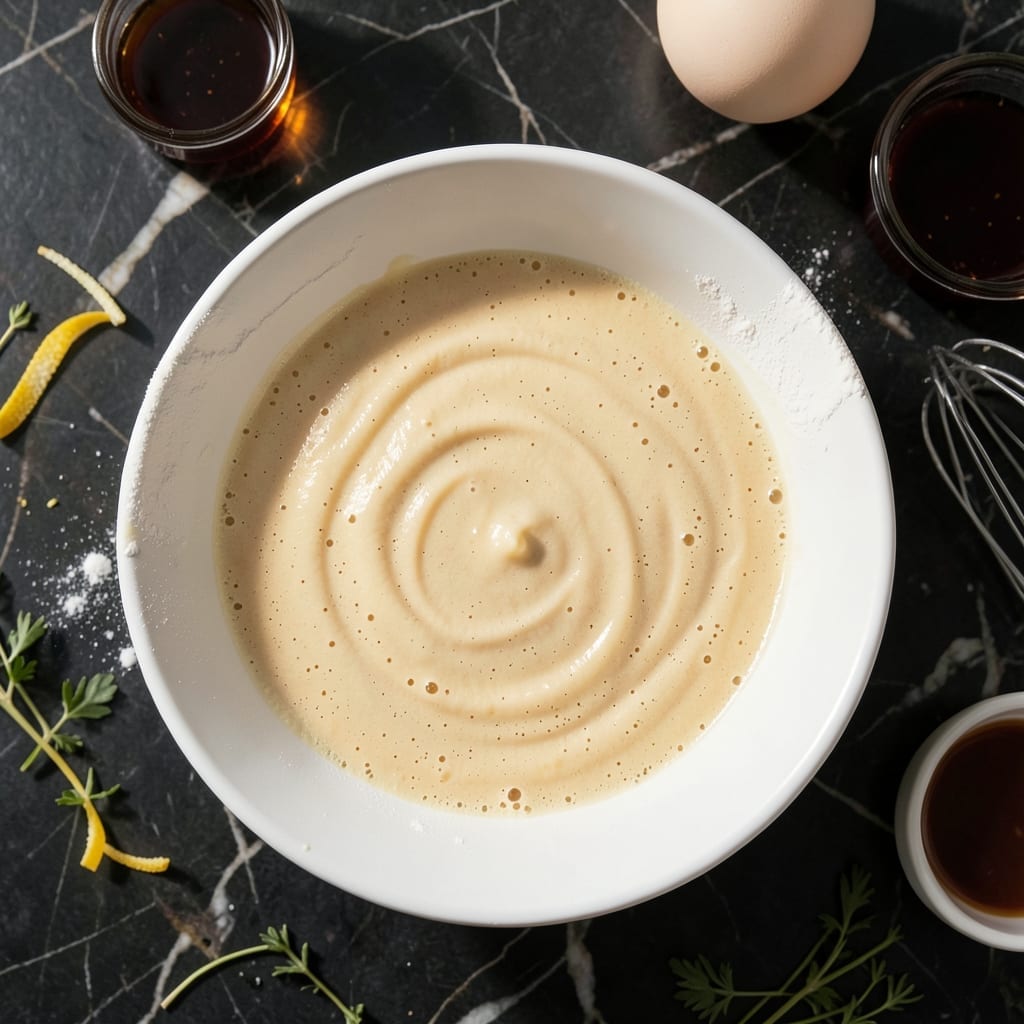
Creating a cake without compromising on flavor while keeping sodium in check is absolutely possible. This recipe proves that reducing salt doesn’t mean sacrificing taste or texture.
With carefully selected ingredients and smart substitutions, you’ll achieve a moist, tender crumb and rich flavor. The key lies in using unsalted butter and natural sweeteners to enhance the cake’s taste without added sodium.
Baking this in a standard 9-inch pan at the right temperature ensures even cooking and a perfect rise. The result is a dessert that everyone can enjoy, regardless of dietary restrictions.
Simple, satisfying, and designed to delight. Here’s how to make it happen.
Ingredients for Low Sodium Cake
Carefully chosen ingredients create a moist, tender cake with minimal sodium for maximum flavor.
| Ingredient | Amount | Notes |
|---|---|---|
| All-Purpose Flour 🌾 | 2 ½ cups | Sifted for even texture |
| Unsalted Butter 🧈 | 1 cup | Softened to room temperature |
| Granulated Sugar 🍚 | 1 ½ cups | Fine grain for smooth batter |
| Large Eggs 🥚 | 4 whole | Room temperature for even mixing |
| Vanilla Extract 🌿 | 2 tsp | Pure extract for best flavor |
| Baking Powder 🧂 | 1 tbsp | Aluminum-free for clean taste |
| Baking Soda 🧂 | ½ tsp | Ensures proper rise |
| Sour Cream 🥛 | ¾ cup | Full-fat for moisture |
| Whole Milk 🥛 | ½ cup | Adds richness to crumb |
| Fresh Lemon Juice 🍋 | 1 tbsp | Balances sweetness naturally |
| Lemon Zest 🍋 | 1 tsp | Finely grated for aroma |
| Almond Extract 🌰 | ½ tsp | Complements vanilla flavor |
| Salt 🧂 | 0.125 tsp | Optional, for minimal sodium |
[recipe_ingredient_scaler]
The flour and leavening agents form the foundation. King Arthur Flour is ideal for consistent results, while Clabber Girl baking powder ensures a reliable rise. Unsalted butter is non-negotiable—Plugra or Land O’Lakes European-style offer superior flavor without added sodium. Sour cream and milk should be full-fat to maintain moisture in the absence of salt. These are available at any Whole Foods or well-stocked supermarket.
No unsalted butter? Use coconut oil at a 1:1 ratio (refined for neutral taste). Out of sour cream? Full-fat Greek yogurt works equally well. For dairy-free, substitute with coconut milk yogurt. The extracts can be adjusted—half the vanilla and double the almond for a different profile. Skip the salt entirely if desired, as the natural sweetness and fats carry the flavor.
Store the cake in an airtight container at room temperature for up to 3 days or refrigerate for 5 days. For longer storage, freeze slices wrapped in plastic for up to 3 months. Always bring to room temperature before serving for optimal texture and flavor.
Why You’ll Love This Recipe
- One Bowl Wonder: I love that I can mix everything in one bowl—flour, butter, sugar, eggs, and vanilla—no fuss, no extra dishes.
- Rich Vanilla Flavor: The vanilla extract shines without salt competing, so every bite tastes pure and delicious.
- Celebration Ready: Honestly, it’s my go-to for birthdays, potlucks, or just a Tuesday treat.
- Budget Friendly: All-purpose flour and basic pantry staples mean I can bake this without breaking the bank.
Step-by-Step Instructions for Low Sodium Cake
This method ensures a moist, flavorful cake with minimal sodium content and perfect texture.
Step 1: Prepare the Dry Ingredients
Begin by sifting the 2.5 cups all-purpose flour into a medium mixing bowl. This step aerates the flour, preventing dense pockets in your finished cake. Add the 1 tbsp baking powder, 0.5 tsp baking soda, and 0.125 tsp salt to the bowl.
Whisk these dry ingredients together thoroughly until fully combined. The minimal salt enhances flavor without compromising the low-sodium goal. Set this mixture aside while you prepare the wet components.
Step 2: Cream Butter and Sugar
In a large mixing bowl, beat the 1 cup unsalted butter and 1.5 cups granulated sugar together on medium speed until light and fluffy. This should take about 3-4 minutes with an electric mixer.
The mixture is ready when it has visibly increased in volume and taken on a pale, creamy appearance. Unsalted butter is essential here, as it allows you to control the sodium content precisely while still achieving the proper emulsification for a tender crumb.
Step 3: Incorporate Wet Ingredients
Add the 4 whole large eggs one at a time to the butter-sugar mixture, beating well after each addition. This gradual incorporation prevents curdling and ensures a stable emulsion.
Next, add the 2 tsp vanilla extract, 0.5 tsp almond extract, 1 tbsp fresh lemon juice, 1 tsp lemon zest, 0.75 cup sour cream, and 0.5 cup whole milk. Mix on low speed just until combined. The sour cream and milk provide moisture and richness without adding sodium.
Step 4: Combine and Bake
Gradually add the dry ingredients to the wet mixture, folding gently with a spatula until just combined. Avoid overmixing, as this can develop gluten and result in a tough cake.
Pour the batter into a prepared cake pan and bake in a preheated 350°F oven for 25-30 minutes, or until a toothpick inserted into the center comes out clean. The combination of baking powder and baking soda ensures proper rise despite the minimal salt content.
Step 5: Cool and Serve
Allow the cake to cool in the pan for 10 minutes before transferring it to a wire rack to cool completely. This cooling period helps the structure set, preventing crumbling when sliced.
The finished cake will have a fine, even crumb with a subtle citrus note from the lemon components. The almond extract adds depth without requiring additional salt, making each slice perfectly balanced and suitable for a low-sodium diet.
Pro Tips For Making Low Sodium Cake
- Room Temperature Eggs: Pull your eggs out 30 minutes before baking—cold eggs can seize the butter and leave your cake dense.
- Cream Butter Thoroughly: Beat the unsalted butter and sugar for at least 3-4 minutes until pale and fluffy; I learned this the hard way after my first few cakes turned out flat.
- Skip the Salt Substitute: Resist the urge to add salt substitutes—they can leave a bitter aftertaste that clashes with vanilla.
- Check with a Toothpick: Start testing for doneness at 25 minutes; overbaking dries out low-sodium cakes faster since there’s no salt to help retain moisture.
Dietary Considerations for These Flavors
Salt-Free Options
You can skip the 0.125 tsp salt entirely if you prefer. The natural sweetness from the 1.5 cups granulated sugar and richness from unsalted butter and sour cream will still deliver a flavorful cake. I often omit it completely without missing it. 💪
Dietary Swaps
For a dairy-free version, replace the 1 cup unsalted butter with refined coconut oil and use coconut milk yogurt instead of sour cream. The texture remains moist, and the flavor stays clean without added sodium.
Gluten-Free Adaptation
Swap the 2.5 cups all-purpose flour for a 1:1 gluten-free baking blend, like King Arthur’s Measure for Measure. Add ½ tsp xanthan gum to improve structure. The cake will be just as tender and rise beautifully.
Sugar Alternatives
If reducing sugar, use 1 cup monk fruit sweetener blended with ½ cup erythritol to replace the granulated sugar. This keeps sodium low while maintaining sweetness, though the texture may be slightly denser.
Egg Substitutes
For egg-free baking, use 1 cup unsweetened applesauce to replace the 4 large eggs. This adds moisture and binding without sodium. The cake will be slightly denser but still delicious and suitable for most dietary needs.
Nut-Free Note
Omit the almond extract and boost the vanilla extract to 1 tbsp for a nut-free version. The flavor remains rich and satisfying, with no compromise on the low-sodium goal. ✨
Nutrition Facts
Frequently Asked Questions
Can I use salted butter instead?
No, stick with unsalted butter to control sodium content. Salted butter can add 90-120mg sodium per tablespoon, which quickly exceeds low-sodium goals. Always check labels for hidden sodium.
Why include any salt at all?
The 0.125 tsp salt enhances flavors without significantly increasing sodium. It’s optional though—skip it if preferred. The sugar and fats will still carry the taste beautifully.
How do I store leftovers?
Keep in an airtight container at room temperature for up to 3 days, or refrigerate for 5 days. For longer storage, freeze slices wrapped tightly for up to 3 months.
Can I make this egg-free?
Yes! Replace the 4 eggs with 1 cup unsweetened applesauce. The texture will be denser, but the flavor remains delicious and sodium stays low.

Trained in classic French technique but raised on slow-cooked ribs and spicy rubs, she blends culinary skill with smoke and soul.
- Recipe for Boneless Pork Chops in Cast Iron Skillet: Sear and Baste to Juicy Perfection - October 3, 2026
- Recipe for Boneless Cross Rib Roast: Slow-Roasted Beef with Herb Crust - October 3, 2026
- Hamburgers in Sauce Recipe Crock Pot: Slow-Cooked Savory Delight - October 3, 2026