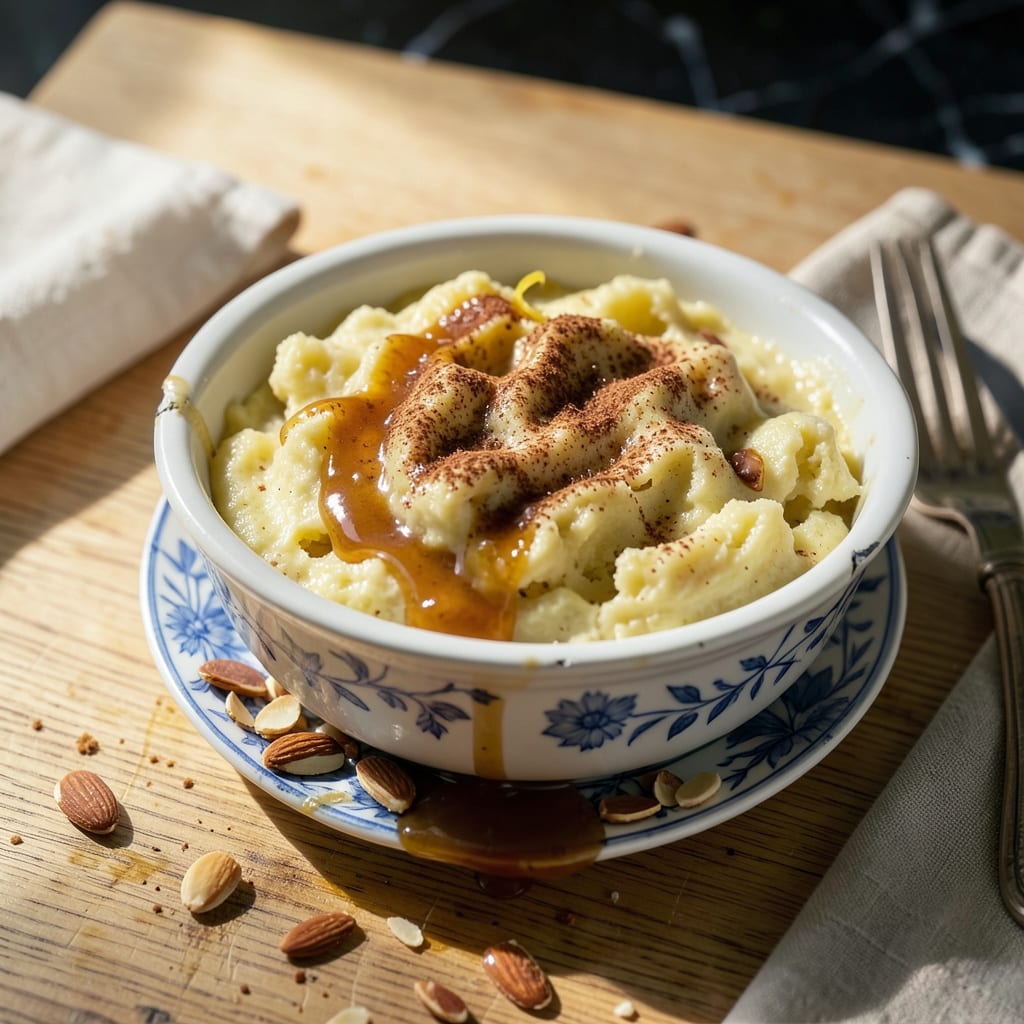
Lumpy custard usually happens when eggs curdle from high heat or improper mixing. Strain it immediately to remove lumps, or gently reheat while whisking to smooth it out.
I’ve seen this happen most often when the egg proteins get shocked by sudden temperature changes. The key is maintaining a gentle, consistent heat—think of it like tempering chocolate, where patience prevents separation. 🔥 A fine-mesh sieve becomes your best friend here, but if you’re in a pinch, an immersion blender can work wonders too. What many don’t realize is that even small lumps can be salvaged with proper technique, turning potential disaster into silky perfection.
💡 In This Article
- Why Custard Develops Lumps During Cooking
- Step-by-Step Fixes for Lumpy Custard Rescue
Why Custard Develops Lumps During Cooking
When eggs hit heat, their proteins begin unfolding and bonding—a process called denaturation. At 144-158°F, these proteins coagulate, forming a delicate network that gives custard its structure. But push past 160°F, and the proteins tighten too quickly, squeezing out moisture and creating those dreaded lumps.
Think of it like overworking dough—the more you stress it, the tougher it gets. 🔥
The real trouble starts with temperature spikes. Adding hot milk to cold eggs without tempering causes the proteins to seize up instantly, forming tiny curds. Even stirring too vigorously can incorporate air bubbles that later collapse into uneven pockets.
I’ve seen this happen most with stovetop custards where direct heat creates hot spots—unlike baked custards where the oven’s ambient heat is more forgiving.
Sugar and acid levels play surprising roles too. Too much sugar raises the coagulation temperature, giving you a wider safety window, while acid (like lemon zest) can make proteins more sensitive to heat. That’s why classic crème brûlée recipes use 6-8 egg yolks per cup of sugar—the balance prevents premature curdling while ensuring richness. ✨
Here’s what most home cooks miss: the Maillard reaction isn’t your friend with custard. Those beautiful browned edges on your crème caramel? They form at 280°F+, way above where proteins stay smooth. The moment you see bubbles breaking the surface or the mixture “plopping” instead of flowing, you’ve crossed into lump territory.
Professional pastry kitchens use infrared thermometers to monitor this precisely.
Texture differences between stovetop and baked custards come down to heat distribution. A double boiler keeps temperatures below 180°F, allowing proteins to unfold gently, while oven-baked custards rely on the water bath’s 250-300°F ambient heat for even cooking.
The water bath acts like a temperature regulator—without it, the edges cook faster than the center, creating that unfortunate “lumpy ring” effect. 💫
Consider these key factors when troubleshooting:
- Heat source: Direct flame vs. water bath changes protein behavior dramatically
- Mixing speed: Whisking too fast incorporates air that collapses into lumps
- Ingredient ratios: Too much starch (like cornstarch) can create gelatinous clumps
- Cooling rate: Rapid chilling can shock proteins into uneven textures

Trained in classic French technique but raised on slow-cooked ribs and spicy rubs, she blends culinary skill with smoke and soul.
- Recipe for Boneless Pork Chops in Cast Iron Skillet: Sear and Baste to Juicy Perfection - October 3, 2026
- Recipe for Boneless Cross Rib Roast: Slow-Roasted Beef with Herb Crust - October 3, 2026
- Hamburgers in Sauce Recipe Crock Pot: Slow-Cooked Savory Delight - October 3, 2026