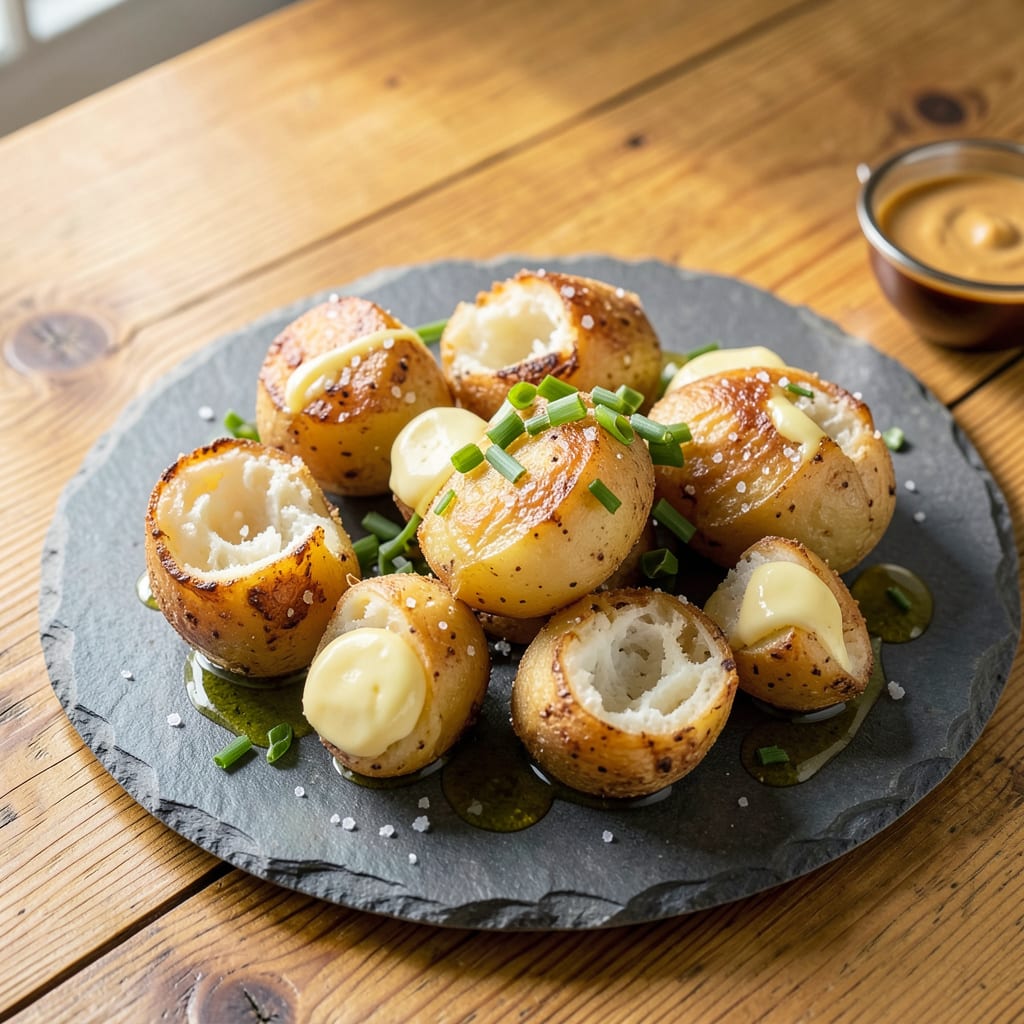
Lumpy potatoes happen when they’re undercooked, overmixed, or the wrong variety is used. Fix them by pressing through a ricer or adding warm milk while gently stirring. Start with cold water and low heat next time to prevent the issue.
I’ve seen this happen most often with russet potatoes when they’re boiled too aggressively—their high starch content turns gluey if overworked. 🔥 The key is understanding that potato cells burst at different rates depending on heat distribution. When you mash unevenly cooked spuds, you get that frustrating combination of hard chunks and pasty sections. My pro tip: Always use a food mill instead of a mixer for perfect consistency, and consider adding roasted garlic for extra flavor while you’re fixing the texture.
💡 In This Article
- Why Potatoes Turn Lumpy During Mashing
- Tools and Techniques for Smooth Mashed Potatoes
Why Potatoes Turn Lumpy During Mashing
When you boil potatoes, their starch cells absorb water and swell. The key factor is how evenly this process happens. Starchy varieties like Russets have large, fragile cells that burst quickly when heated, while waxy potatoes (like Yukon Golds) hold their shape longer.
If the heat isn’t distributed evenly, some cells will rupture prematurely while others remain intact—creating that dreaded combination of mushy and hard bits when you mash. 🔥
The real trouble starts when you overwork the potatoes. Each potato cell contains amylose and amylopectin starch molecules. When you mash too vigorously, these molecules break down and release gluten-like compounds that create a gummy, elastic texture.
I’ve seen this happen most dramatically with electric mixers—what starts as a few lumps quickly becomes a gluey paste if you’re not careful. The ideal temperature range for mashing is 160-180°F, where the starch is fully gelatinized but not yet breaking down into simpler sugars.
Potato variety makes a massive difference in your final texture. High-starch Russets (about 20-22% starch content) will give you the fluffiest mash but are most prone to lumpiness if undercooked. Waxy varieties like Red Bliss (16-18% starch) hold together better but can turn gluey if overmixed. The sweet spot?
Medium-starch varieties like Yukon Golds (18-20% starch), which balance creaminess with structure. I always recommend these for beginners—they’re more forgiving during both cooking and mashing. ✨
Here’s what most people don’t realize about cooking temperature: Starting potatoes in cold water allows the starch to gelatinize gradually as the water heats. If you drop potatoes into already boiling water, the outer layers cook too quickly while the centers remain underdone. This creates what I call “ring lumps”—hard centers surrounded by overcooked exterior.
The solution? Begin with cold, salted water and maintain a gentle simmer (190-200°F) for even cooking throughout. 💫
Salt concentration affects texture too. Potatoes cooked in properly salted water (1 tablespoon per quart) maintain better cell structure during cooking. The sodium ions help strengthen the pectin in cell walls, preventing them from collapsing too quickly.
I learned this trick from French culinary training—it’s the difference between potatoes that fall apart when mashed and those that hold just enough structure for perfect creaminess. 🌟
The final critical factor is resting time. Let your drained potatoes sit for 5-10 minutes before mashing. This allows excess steam to escape and the starch to stabilize. When you mash immediately after draining, the residual heat continues cooking the starch, which can lead to that pasty texture we’re trying to avoid.
Think of it like letting meat rest after roasting—the results are always better when you’re patient. ⚡

Trained in classic French technique but raised on slow-cooked ribs and spicy rubs, she blends culinary skill with smoke and soul.
- Recipe for Boneless Pork Chops in Cast Iron Skillet: Sear and Baste to Juicy Perfection - October 3, 2026
- Recipe for Boneless Cross Rib Roast: Slow-Roasted Beef with Herb Crust - October 3, 2026
- Hamburgers in Sauce Recipe Crock Pot: Slow-Cooked Savory Delight - October 3, 2026