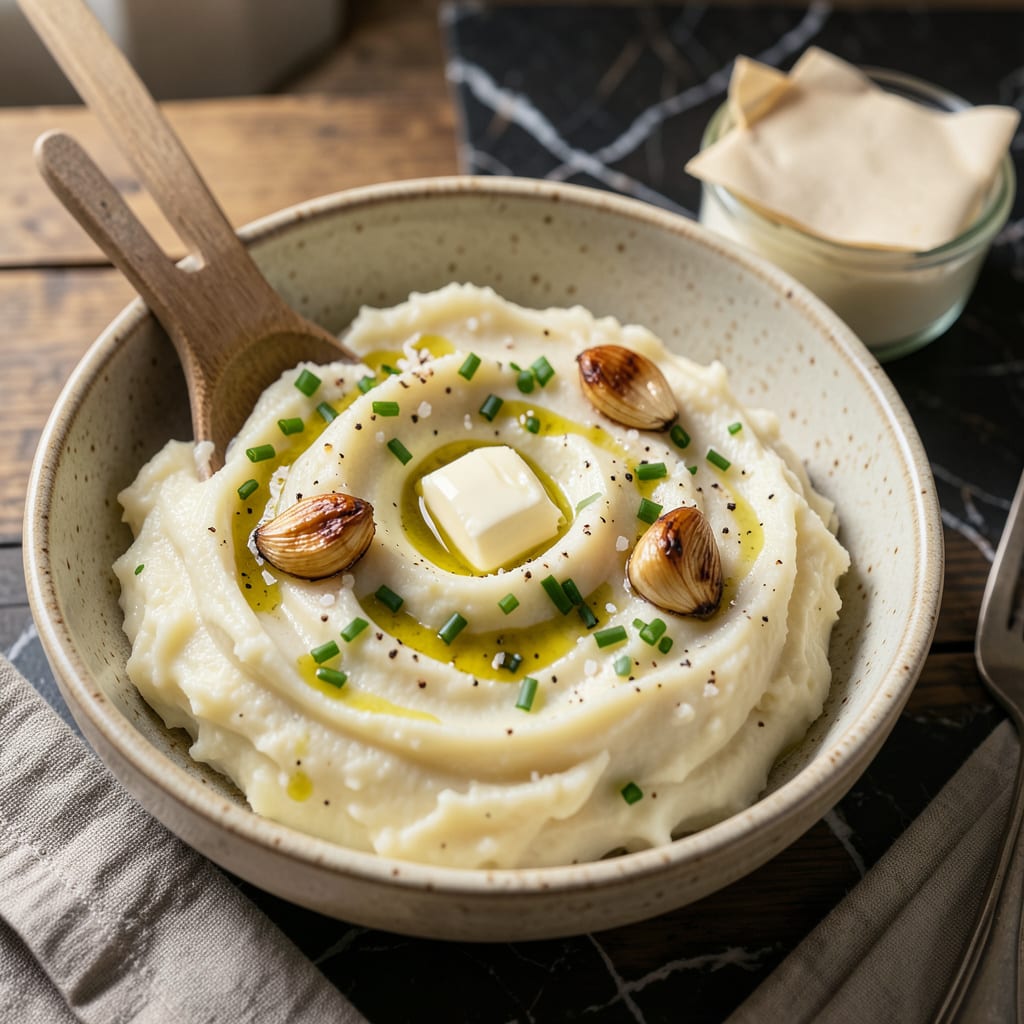
Properly stored mashed potatoes last 3–5 days in the fridge when kept in an airtight container. For best quality, reheat only what you plan to eat and check for sour smells or mold before serving.
I’ve learned through years of cooking that the secret to extending their freshness lies in minimizing air exposure. 🔥 The dairy in most recipes (butter, cream, or milk) creates an ideal environment for bacteria if not sealed properly. What many don’t realize is that temperature fluctuations—like opening the fridge door frequently—can cut their shelf life by a full day or more.
From my experience, glass containers work better than plastic for maintaining texture, and adding a thin layer of melted butter on top before sealing creates an extra protective barrier. This trick mimics how professional kitchens preserve their potato preparations overnight.
💡 In This Article
- Why Mashed Potatoes Spoil in the Fridge
- Best Containers and Reheating Methods for Leftover Mashed Potatoes
Why Mashed Potatoes Spoil in the Fridge
The science behind mashed potato spoilage comes down to three key factors: moisture content, dairy ingredients, and bacterial growth rates. When you mash potatoes, you’re breaking down cell walls and releasing starches that absorb liquid like a sponge.
This creates an ideal environment for bacteria—especially when combined with dairy ingredients like butter or milk, which contain proteins and fats that microbes love to consume. 🔥
Temperature fluctuations accelerate this process dramatically. Every time you open your fridge door, the temperature rises by about 5-10°F, giving bacteria a temporary growth spurt. Homemade versions spoil faster than store-bought because they typically contain fresh dairy (which has live cultures) and lack commercial preservatives.
The moisture content in homemade mashed potatoes is usually higher too—about 75-80% compared to 65-70% in commercial products.
What most people don’t realize is that the starch itself undergoes changes during storage. As it cools and reheats, the starch molecules retrogradate—meaning they realign into a more crystalline structure that pushes out water. This creates those unappetizing water pockets you sometimes see on top of stored mashed potatoes.
The separated water then pools at the bottom, creating another bacterial breeding ground. ✨
Oxygen exposure plays a surprising role too. When mashed potatoes are exposed to air, the starches begin oxidizing within 12-24 hours, developing off-flavors that taste stale or cardboard-like. This is why proper sealing isn’t just about preventing bacterial contamination—it’s also about preserving freshness and flavor.
The oxidation process is similar to how cut apples turn brown, just happening at a microscopic level throughout your potatoes.
Store-bought versions often last a day or two longer because they’re made with modified starches and stabilizers like xanthan gum, which bind water more effectively. These additives create a more stable structure that resists bacterial growth and moisture separation. However, they can’t completely stop the process—just slow it down significantly compared to homemade versions. 💫
The pH level matters too. Most mashed potatoes sit around pH 6.0-6.5, which is slightly acidic but still within the danger zone for bacterial growth. Adding acidic ingredients like buttermilk or sour cream can actually help extend shelf life slightly by lowering the pH, but not enough to make a dramatic difference in storage time.
Here’s the kicker: even when properly stored, the quality starts declining after 48 hours. The texture becomes gummy as starch bonds break down, and flavors mute as volatile aroma compounds dissipate. This is why professional kitchens typically use mashed potatoes within 2 days of preparation, even when stored perfectly. ⚡

Trained in classic French technique but raised on slow-cooked ribs and spicy rubs, she blends culinary skill with smoke and soul.
- Recipe for Boneless Pork Chops in Cast Iron Skillet: Sear and Baste to Juicy Perfection - October 3, 2026
- Recipe for Boneless Cross Rib Roast: Slow-Roasted Beef with Herb Crust - October 3, 2026
- Hamburgers in Sauce Recipe Crock Pot: Slow-Cooked Savory Delight - October 3, 2026