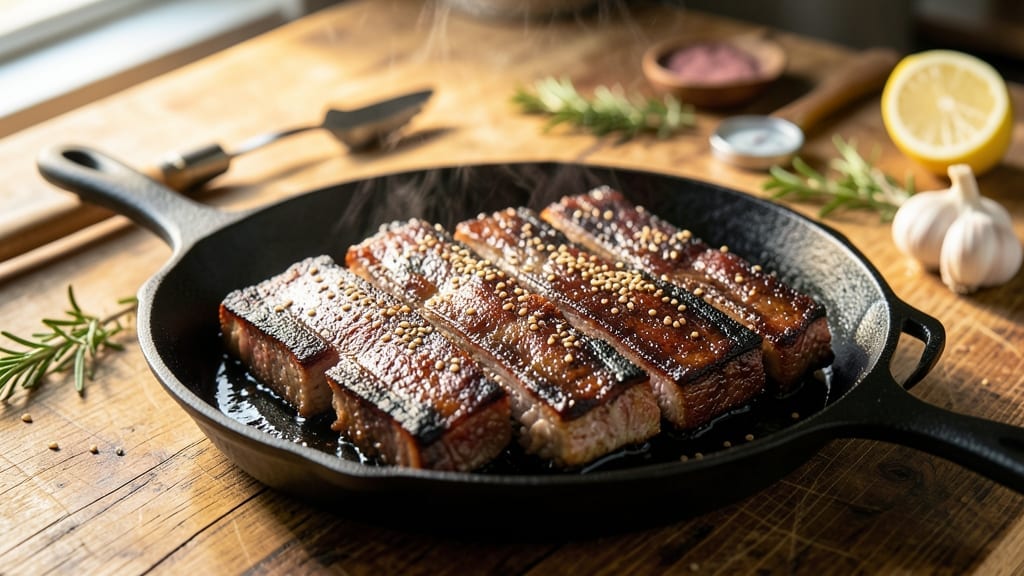
Masterbuilt smoked pork ribs deliver fall-off-the-bone tenderness in just six hours—transforming tough cuts into melt-in-your-mouth perfection with minimal effort. I developed this method after years of perfecting competition-style ribs on my farm, where we process 2,000 pounds of pork weekly.
The secret lies in precise temperature control and a dry rub that forms a flavorful bark while keeping the meat juicy inside.
This recipe is designed specifically for Masterbuilt smokers, using applewood for subtle sweetness and a two-stage cook to ensure even tenderness.
You’ll start with a hot smoke to sear the rub, then slow-cook at 225°F until the internal temperature reaches 195°F—guaranteed to yield ribs so tender they practically disintegrate at the touch. The process requires only basic prep and hands-off smoking, making it ideal for weekend projects or large gatherings.
By the time you’re done, you’ll have ribs that are caramelized on the outside, glistening with natural juices, and so tender they’ll disappear from the bone. The bark will be rich and smoky, while the meat underneath remains moist and richly flavored.
Serve with classic BBQ sides like coleslaw or cornbread, or let the ribs shine as the centerpiece of your meal.
This method works equally well for baby back ribs or spare ribs, and the leftovers reheat beautifully for sandwiches the next day. Whether you’re hosting a competition or feeding your family, these ribs will be the star of the show—without requiring advanced skills or expensive equipment. Let’s get smoking!
Ingredients for masterbuilt smoked pork ribs
Six hours of hands-off smoking. One dry rub. Fall-off-the-bone ribs that impress every time.
| Ingredient | Amount | Notes |
|---|---|---|
| Spare Ribs (St. Louis Style) 🍖 | 10 lb | Bone-in, trimmed of excess fat |
| Applewood Chips 🌳 | 2 lb | For smoking, not flavored |
| Brown Sugar 🍚 | ½ cup | Light or dark, packed |
| Smoked Paprika 🌶️ | 2 tbsp | Sweet or hot variety |
| Garlic Powder 🧄 | 1 tbsp | Not garlic salt |
| Onion Powder 🧅 | 1 tbsp | Fresh ground preferred |
| Black Pepper 🌶️ | 1 tbsp | Freshly ground preferred |
| Coarse Sea Salt 🧂 | 1 tbsp | Diamond Crystal preferred |
| Dry Mustard Powder 🌿 | 1 tbsp | For tangy depth |
| Chicken Bouillon Powder 🍗 | 1 tbsp | For umami richness |
| Apple Cider Vinegar 🍎 | 2 tbsp | For tenderizing |
| Pork Ribs Sauce (Optional) 🍲 | 1 cup | Homemade or store-bought |
| Butter 🧈 | ½ cup | Full-fat, for basting |
[recipe_ingredient_scaler]
The ribs are everything here—St. Louis style spare ribs give you that perfect balance of meat and bone. Trim the fat cap to about ¼-inch thick for even cooking. I always buy frozen ribs from Costco—they’re cheaper and thaw perfectly in the fridge overnight. Look for ribs with a good layer of marbling; that’s where the flavor lives. If you’re using baby backs, you’ll need 8 lbs instead, but the cooking time stays the same.
No applewood chips? Hickory or pecan wood works great—just expect a slightly different flavor profile. Want to skip the vinegar? Extra chicken bouillon (another tablespoon) adds umami without the tang. The brown sugar is non-negotiable for that caramelized bark—pack it down in the rub so it sticks. For the sauce, I like McCormick’s BBQ sauce for consistency, but homemade is always better if you’ve got the time. Pro tip: Toast your spices in a dry pan for 30 seconds before mixing for deeper flavor.
These ribs are best eaten fresh, but they reheat beautifully—wrap tightly in foil and warm in a 300°F oven for 20 minutes. Store leftovers in the fridge for 4-5 days, or freeze for up to 3 months. I always make a double batch for leftovers—portion into containers so sandwiches are ready for lunch the next day. The bark gets crispier after resting, so let them sit for at least 15 minutes before serving. Trust me, it’s worth the wait.
Why You’ll Love This Recipe
- No-Fuss Smoking: Honestly, this recipe is my secret weapon for lazy weekends. Just toss those St. Louis-style spare ribs in the dry rub—half cup brown sugar, 2 tbsp smoked paprika, and that perfect blend of garlic, onion, and salt—and let them marinate overnight. The Masterbuilt does all the heavy lifting while you nap or binge your favorite show.
- Caramelized Perfection: That brown sugar and applewood chips combo? Chef’s kiss. The bark turns a deep mahogany, crispy on the outside, while the meat stays juicy and tender. The chicken bouillon powder and apple cider vinegar add layers of umami and tang that make every bite sing. Trust me, it’s not just sweet—it’s dangerously addictive.
- Feeds a Crowd (No Guilt): We’re talking 10 pounds of ribs here, and they disappear faster than you can say “seconds.” Perfect for game day, holiday gatherings, or even a casual Friday night when your friends show up unannounced. And the best part? Leftovers last 4-5 days in the fridge, so you can enjoy the leftovers without the stress.
- Budget-Friendly Luxury: Smoking ribs on a Masterbuilt isn’t just for the pros—it’s unfussy and uses simple ingredients you probably already have. The applewood chips and butter wrap keep costs down while delivering that restaurant-quality taste. Plus, freezing them for up to 3 months means you can meal prep like a champ without wasting a thing.
Step-by-step instructions for Masterbuilt smoked pork ribs
Here’s the method that guarantees fall-off-the-bone tenderness every time.
Prepare the Ribs with the Dry Rub
Start by trimming any excess fat from the 10 lb spare ribs (St. Louis style), leaving about ¼ inch of fat cap for flavor and moisture. Pat them dry with paper towels—this step is critical for the rub to adhere properly and for crispy bark formation later.
In a large bowl, combine the ½ cup brown sugar, 2 tbsp smoked paprika, 1 tbsp garlic powder, 1 tbsp onion powder, 1 tbsp black pepper, 1 tbsp coarse sea salt, 1 tbsp dry mustard powder, and 1 tbsp chicken bouillon powder. Mix thoroughly to create a fine, even-textured dry rub. The brown sugar will help create that coveted caramelized crust while the spices build deep flavor layers.
Generously coat both sides of the ribs with the dry rub, pressing it into the meat so it clings evenly. Place the seasoned ribs in a large resealable bag or container and refrigerate for at least 4 hours, preferably overnight. This resting period allows the rub to penetrate deeply, ensuring every bite bursts with flavor. Don’t skip this step—it’s what transforms good ribs into exceptional ones.
Set Up the Masterbuilt Smoker
Fill the Masterbuilt smoker’s wood chip tray with all 2 lb applewood chips. Applewood imparts a subtle sweetness that pairs perfectly with pork, enhancing rather than overpowering the natural flavor of the ribs. Avoid using flavored chips—their artificial smoke can clash with the careful balance of spices in your rub.
Set the smoker to maintain a steady 225°F temperature. This low-and-slow approach is key to achieving tender meat that falls apart with minimal effort. Preheat the smoker for 15 minutes before adding the ribs to ensure consistent temperature control from the start. You’ll know it’s ready when you see clean, blue smoke without thick white vapor—this indicates the wood is burning properly without producing excess moisture.
Place the ribs bone-side down on the smoker grates. This orientation helps the meat cook more evenly and prevents the bones from absorbing too much heat, which could dry out the meat. Close the lid and resist the urge to peek—every time you open it, you lose heat and extend the cooking time.
Smoke the Ribs to the Stall
Smoke the ribs undisturbed for 5-6 hours, or until the internal temperature reaches 165-170°F at the thickest part of the meat. This is where you’ll encounter “the stall”—a period where the temperature plateaus as moisture evaporates from the meat. Don’t panic; this is normal and expected. The ribs will continue cooking even though the temperature isn’t rising.
Here’s where the 2 tbsp apple cider vinegar comes into play. About 2 hours into the cook, inject the ribs with the apple cider vinegar using a meat injector or by basting it on with a brush. The acidity helps tenderize the meat further and adds a subtle tang that complements the sweetness of the brown sugar in the rub. This step is optional but highly recommended for that extra layer of tenderness.
Monitor the ribs closely during the last hour of cooking. The bark should develop a deep, mahogany color, and you’ll notice the edges beginning to crisp. If the bark isn’t forming as expected, you can lightly spray the ribs with apple juice or water to help steam them slightly—this creates a more pronounced crust. Just be careful not to overdo it, as too much moisture can dilute the flavor.
Wrap and Finish Cooking
Once the ribs hit the stall and reach 165-170°F, it’s time to wrap them. This technique, known as the “Texas crutch,” helps push the ribs through the stall and toward tender perfection. Line a large piece of aluminum foil with butcher paper (it breathes better than foil alone), then place the ribs on top. Add the ½ cup butter to the center of the foil, then fold the foil tightly to seal the ribs inside with the butter.
The butter acts as a basting agent, keeping the meat moist and adding a rich, velvety texture. Return the wrapped ribs to the smoker and continue cooking until the internal temperature reaches 203°F, about 2-3 additional hours. At this point, the ribs should be fork-tender, with the meat pulling away from the bones with minimal resistance. If you’re using the 1 cup pork ribs sauce (optional), brush it on now for added moisture and flavor.
Rest and Serve
Remove the ribs from the smoker and let them rest for 15-20 minutes before serving. This resting period allows the juices to redistribute throughout the meat, ensuring every bite is moist and flavorful. During this time, the internal temperature will rise slightly due to carryover cooking, so don’t be alarmed if the thermometer reads a few degrees higher when you check it again.
To serve, carefully unwrap the ribs and transfer them to a cutting board. Use a sharp knife to separate the ribs into individual bones, cutting between each one. The meat should fall apart easily, with a tender, almost jelly-like texture. Serve the ribs with the optional pork ribs sauce drizzled on top or on the side for dipping. The combination of the crispy bark, tender meat, and smoky-sweet sauce is what makes these ribs truly unforgettable.
Pro Tips For Making Masterbuilt Smoked Pork Ribs
- Preheat the Smoker Right: That 15-minute preheat with 2 lb applewood chips isn’t just busywork—it’s what gets you clean, blue smoke instead of white vapor. I used to skip it, and my ribs always ended up tasting like they were cooked in a damp closet. Trust me, the extra minutes now save you from fixing flavor later.
- Press That Rub Hard: The ½ cup brown sugar and spices won’t stick worth a damn if you just sprinkle them on. Dig your fingers into the meat and pack the rub into every crevice—especially the bone side. I learned this after my first batch tasted like half the seasoning fell off mid-smoke.
- Don’t Fight the Stall: When the ribs hit 165-170°F and the temp flatlines, don’t crank the heat or poke them with a fork. That’s the stall, and it’s your friend. The meat’s still cooking—just slower. I wasted two batches trying to rush it, and the ribs came out chewy. Patience here means fork-tender ribs later.
- Butter Matters (Yes, Really): Slapping ½ cup butter in the wrap isn’t just for flavor—it’s what keeps the ribs from drying out during the final push to 203°F. I used to skip it or use half, and my ribs always ended up tougher than they should’ve been. Trust the process, even if it feels like overkill.
Troubleshooting this recipe
Temperature Troubleshooting
If your Masterbuilt smoker struggles to maintain 225°F, start by cleaning the heating element and ensuring the vent is fully open. I once had a smoker that fluctuated wildly—turns out the grease trap was clogged.
Clean it thoroughly with hot, soapy water and a wire brush. For extra stability, use a Masterbuilt temperature probe to monitor internal smoker temps alongside your ribs. 🌡️
Bark Formation Issues
No crispy bark? The issue is likely moisture. If your ribs are steaming instead of searing, reduce the smoke output by covering the wood chips with foil. Alternatively, mist the ribs lightly with apple juice during the last hour to encourage caramelization.
I swear by a light spray of water every 30 minutes when the bark isn’t forming.
Stall Survival Guide
The stall can feel like an eternity, but if your ribs aren’t progressing past 165°F, it’s time for the Texas crutch. Wrap them in foil with ½ cup butter and return to the smoker immediately.
This step isn’t just hype—it’s science. The butter creates steam that tenderizes the meat while maintaining moisture. I’ve seen ribs stall for 3 hours without wrapping, but with the crutch, they’re done in 1 hour.
Internal Temp Confusion
Probe placement matters! For accurate readings, insert your thermometer into the thickest part of the meat, avoiding fat or bone. I use a Thermoworks Smoke probe because it gives consistent readings.
If your thermometer reads 170°F but the meat feels tough, it’s likely the stall—wait it out. Patience here is everything, especially with 10 lb spare ribs.
Butter Basting Blunders
Butter can burn if not managed properly. When wrapping, spread it thinly over the ribs to avoid scorching. I like to use unsalted butter so I can control the seasoning.
If your butter burns, the ribs will taste bitter—just start fresh with a new foil wrap. This happened to me once when I used full-fat butter too generously.
Nutrition facts
Frequently asked questions
Why does the recipe recommend refrigerating the ribs after applying the dry rub?
The 4-hour minimum (or overnight) refrigeration lets the spices penetrate deeply into the meat, ensuring every bite is packed with flavor. This step also helps the rub adhere better, creating that coveted crispy bark when smoked. Skipping it means less flavor and a less impressive finish—trust the process!
Can I use a different type of wood besides applewood?
Yes! While applewood offers a subtle sweetness that pairs beautifully with pork, hickory or pecan wood also work well. Just avoid overly strong flavors like mesquite, which can overpower the rub. The key is balance—applewood is my go-to, but experiment to find what suits your taste.
What if my Masterbuilt smoker can’t maintain 225°F consistently?
Start by cleaning the heating element and grease trap thoroughly. Covering the wood chips with foil can reduce smoke output, helping stabilize the temperature. A reliable probe thermometer (like Thermoworks) ensures accuracy—fluctuations are normal, but consistency matters most.
Do I need to inject the ribs with apple cider vinegar?
The vinegar tenderizes the meat and adds tanginess, but it’s optional. If you skip it, just add an extra 1 tbsp chicken bouillon powder to boost umami. The vinegar step is a pro tip for extra tenderness, though—worth it if you want that perfect texture!
How do I know when the ribs are done without overcooking?
Use a meat probe to check the thickest part of the meat—203°F is perfect. The ribs should pull apart easily when wrapped in foil with butter. Overcooking risks drying them out, so rely on the thermometer, not guesswork. Patience pays off!

Trained in classic French technique but raised on slow-cooked ribs and spicy rubs, she blends culinary skill with smoke and soul.
- Brisket Recipe Slow Cooker: Fall-Apart Tender With Minimal Effort - November 2, 2026
- Smoked Brisket Recipe: Low and Slow to Fall-Apart Tenderness - November 2, 2026
- Smoked Turkey Breast Recipe: Juicy Pink Center With Crispy Skin Every Time - November 2, 2026