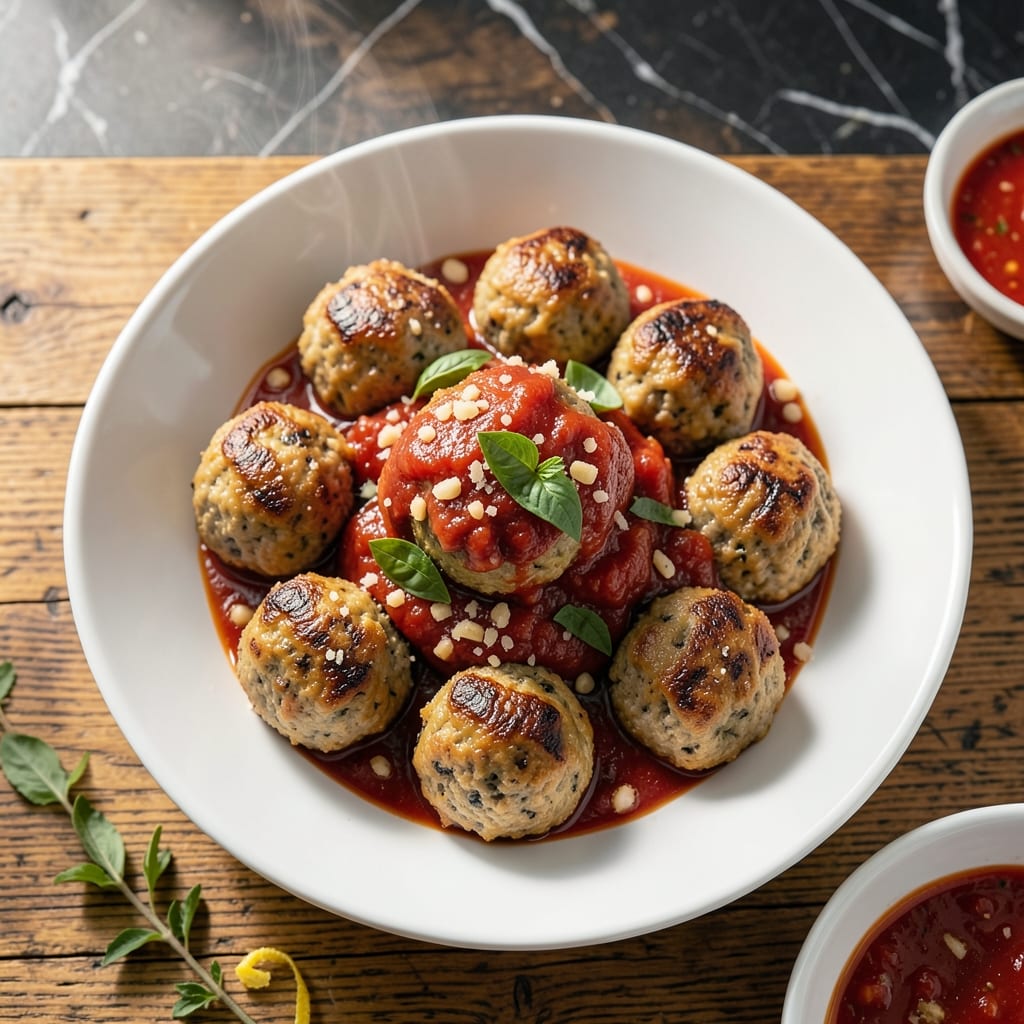
I learned this technique from my Cincinnati neighbor Mrs. Henderson, who swore by soaking bread in milk for the most tender meatballs. The milk softens the bread into a paste that binds the meat while keeping it incredibly juicy.
This method transforms ordinary ground beef into melt-in-your-mouth bites. The bread acts as a filler that locks in moisture, preventing dry, dense meatballs. It’s a foolproof way to achieve perfect texture every time.
The result is meatballs that stay succulent whether baked, fried, or simmered in sauce. They hold their shape while delivering that ideal balance of soft interior and light crust. A simple trick with remarkable results.
Perfect for spaghetti, subs, or serving as an appetizer. This approach works with any ground meat combination.
Ingredients for Meatball Recipe Using Bread Soaked in Milk
Pantry staples plus a few fresh items for those ultra-tender meatballs we all crave.
| Ingredient | Amount | Notes |
|---|---|---|
| Ground Beef 🥩 | 1 ½ lb | 80/20 fat ratio preferred |
| White Bread 🍞 | 2 slices | Stale or fresh, crust removed |
| Whole Milk 🥛 | ½ cup | For soaking bread |
| Large Egg 🥚 | 1 whole | For binding meat mixture |
| Parmesan Cheese 🧀 | ½ cup | Freshly grated from block |
| Garlic Cloves 🧄 | 3 cloves | Minced finely |
| Yellow Onion 🧅 | ½ whole | Finely diced |
| Fresh Parsley 🌿 | ¼ cup | Chopped, for freshness |
| Dried Oregano 🌿 | 2 tsp | Mediterranean variety preferred |
| Dried Basil 🍃 | 2 tsp | Crushed for better flavor |
| Kosher Salt 🧂 | 1 ½ tsp | Diamond Crystal preferred |
| Freshly Ground Black Pepper 🌶️ | 1 tsp | Coarse grind for texture |
| Olive Oil 🫒 | 2 tbsp | For cooking meatballs |
| Marinara Sauce 🍅 | 2 cups | For serving or simmering |
[recipe_ingredient_scaler]
The beef is non-negotiable here. 80/20 ground chuck gives you that perfect fat-to-meat ratio for juicy results—lean ground beef makes dry meatballs. I grab mine from Whole Foods or Kroger. For the bread, any white sandwich bread works (even the cheap stuff). The milk is just a vehicle to soften it—whole milk is ideal but whatever you’ve got in the fridge is fine.
No fresh parsley? Dried works at one-third the amount. Swap Parmesan for Pecorino Romano if you want a sharper bite. The marinara can be jarred (Rao’s or Victoria are my go-tos). For a lighter touch, ground turkey or chicken works too—just add an extra egg for binding. The bread trick still delivers that melt-in-your-mouth texture.
Meatballs freeze beautifully for up to 3 months. Cooked ones keep in the fridge for 4-5 days—reheat gently in sauce. Pro tip: make a double batch and stash half in the freezer (just cook from frozen, adding a few extra minutes).
Why You’ll Love This Recipe
- No-Fuss Mixing: I toss the bread in milk, let it soak while I prep the rest—no fancy steps, just simple hands-on work.
- Melt-in-Your-Mouth Good: The milk-soaked bread keeps them absurdly tender, and the Parmesan adds that sharp, salty bite I crave.
- Freezer Friendly: I double the batch, freeze half, and pull them out for quick dinners when I’m running late.
- Stretches a Pound: One pound of beef makes enough for four of us, and honestly, it feels like a steal for how satisfying it is.
Step-by-Step Instructions for Meatballs Using Bread Soaked in Milk
Here’s the method that guarantees tender, juicy meatballs every single time.
Step 1: Prepare the Bread for Maximum Tenderness
Remove the crusts from the 2 slices white bread and tear them into small pieces. Place these in a small bowl and pour the ½ cup whole milk over them. Let this mixture sit for 5 minutes until the bread is completely saturated and falls apart when pressed.
This milk-soaked bread is the secret to ultra-tender meatballs—it replaces some of the meat with moisture-retaining starch, preventing the ground beef from becoming dense or dry during cooking. The bread should be soft and mushy, not wet and soupy.
Step 2: Combine All Ingredients for the Meatball Mixture
In a large mixing bowl, combine the 1.5 lb ground beef, the soaked bread (including any remaining milk), 1 whole large egg, ½ cup Parmesan cheese, 3 cloves minced garlic, ½ whole finely diced yellow onion, ¼ cup chopped fresh parsley, 2 tsp dried oregano, 2 tsp dried basil, 1½ tsp kosher salt, and 1 tsp freshly ground black pepper.
Use your hands to gently mix everything together just until combined—overmixing will make the meatballs tough. The mixture should feel slightly sticky but hold together when pressed. If it seems too wet, don’t worry; the bread will absorb excess moisture as it cooks.
Step 3: Form and Brown the Meatballs
Shape the mixture into 16 equal-sized meatballs (about 2 inches in diameter). I like to roll them between my palms, applying gentle pressure—this helps them hold their shape without becoming dense.
Heat the 2 tbsp olive oil in a large skillet over medium-high heat. When the oil is shimmering but not smoking, add the meatballs in a single layer (work in batches if needed). Brown them on all sides for 6-8 minutes total, turning occasionally, until they develop a deep golden crust.
Step 4: Finish Cooking in the Marinara Sauce
Transfer the browned meatballs to a pot or deep skillet. Pour the 2 cups marinara sauce over them, ensuring they’re mostly submerged. Bring to a gentle simmer, then reduce heat to low.
Cover and let them cook for 15-20 minutes, stirring occasionally, until the meatballs are cooked through and the sauce has thickened slightly. The internal temperature should reach 160°F, but the real test is texture—they should be tender enough to cut with a fork but not falling apart.
This final simmer in sauce infuses them with extra flavor while keeping them incredibly juicy.
Pro Tips For Making Meatball Recipe Using Bread Soaked In Milk
- Squeeze the Bread: After soaking the white bread in whole milk, give it a good squeeze to remove excess liquid—I learned this the hard way when my meatballs turned into mushy pucks instead of tender bites.
- Chill Before Rolling: Let the meatball mixture rest in the fridge for 15-20 minutes before shaping; it keeps the ground beef from sticking to your hands and makes a real difference in texture.
- Skip Stale Bread: Use fresh white bread for soaking, not day-old or dried out loaves—stale bread won’t absorb the milk properly and leaves your meatballs dry.
- Add Parmesan Last: Fold in the Parmesan cheese right before forming the balls; adding it too early can make the mixture too dense, and I was skeptical until I tried it.
Essential Equipment for This Recipe
Mixing Bowl
A large, wide mixing bowl is essential for combining all ingredients evenly without spilling. I use a stainless steel bowl from New Seasons Market—it’s durable and easy to clean. The wide base gives you room to mix with your hands comfortably. 💪
Skillet Choice
For browning, a 12-inch cast iron skillet is my go-to—it retains heat beautifully and develops a perfect crust. If you’re worried about sticking, a heavy-bottomed stainless steel skillet works just as well. Avoid nonstick for this step; you want that fond for flavor.
Meat Thermometer
Never guess doneness. A digital instant-read thermometer like the ThermoWorks ThermoPop ensures your meatballs hit 160°F internally. It’s a small investment that prevents overcooking and guarantees juicy results every time.
Wooden Spoon
A sturdy wooden spoon is perfect for gently combining the meat mixture without compacting it. I keep one dedicated to raw meat prep to avoid cross-contamination. The flat edge also helps scrape every bit of mixture from the bowl.
Pot for Sauce
Use a 3-4 quart pot or deep skillet for simmering the meatballs in sauce. A Dutch oven works beautifully here, distributing heat evenly. Make sure it has a tight-fitting lid to trap steam and keep everything tender. 🍅
Baking Sheet
If baking instead of frying, line a half-sheet pan with parchment paper. Space meatballs 1 inch apart for even browning. I prefer heavy-gauge aluminum pans—they resist warping and promote consistent cooking.
Nutrition Facts
Frequently Asked Questions
Why soak bread in milk for meatballs?
The milk softens the bread into a paste that binds the meat while adding moisture. This prevents dry, dense meatballs and creates a tender texture that melts in your mouth.
Can I use a different type of bread?
Yes! Any soft bread like brioche, sourdough, or even breadcrumbs work. Avoid very dense breads like pumpernickel. For best results, use 2 slices or about ½ cup of torn bread.
How do I know when they’re done?
Use a meat thermometer to check for 160°F internally. They should be golden brown outside and tender inside. Simmering in sauce for 15-20 minutes ensures they cook through perfectly.
Can I make these ahead of time?
Shape and refrigerate uncooked meatballs for up to 24 hours, or freeze for 3 months. Cook from frozen, adding a few extra minutes.

Trained in classic French technique but raised on slow-cooked ribs and spicy rubs, she blends culinary skill with smoke and soul.
- Recipe for Boneless Pork Chops in Cast Iron Skillet: Sear and Baste to Juicy Perfection - October 3, 2026
- Recipe for Boneless Cross Rib Roast: Slow-Roasted Beef with Herb Crust - October 3, 2026
- Hamburgers in Sauce Recipe Crock Pot: Slow-Cooked Savory Delight - October 3, 2026