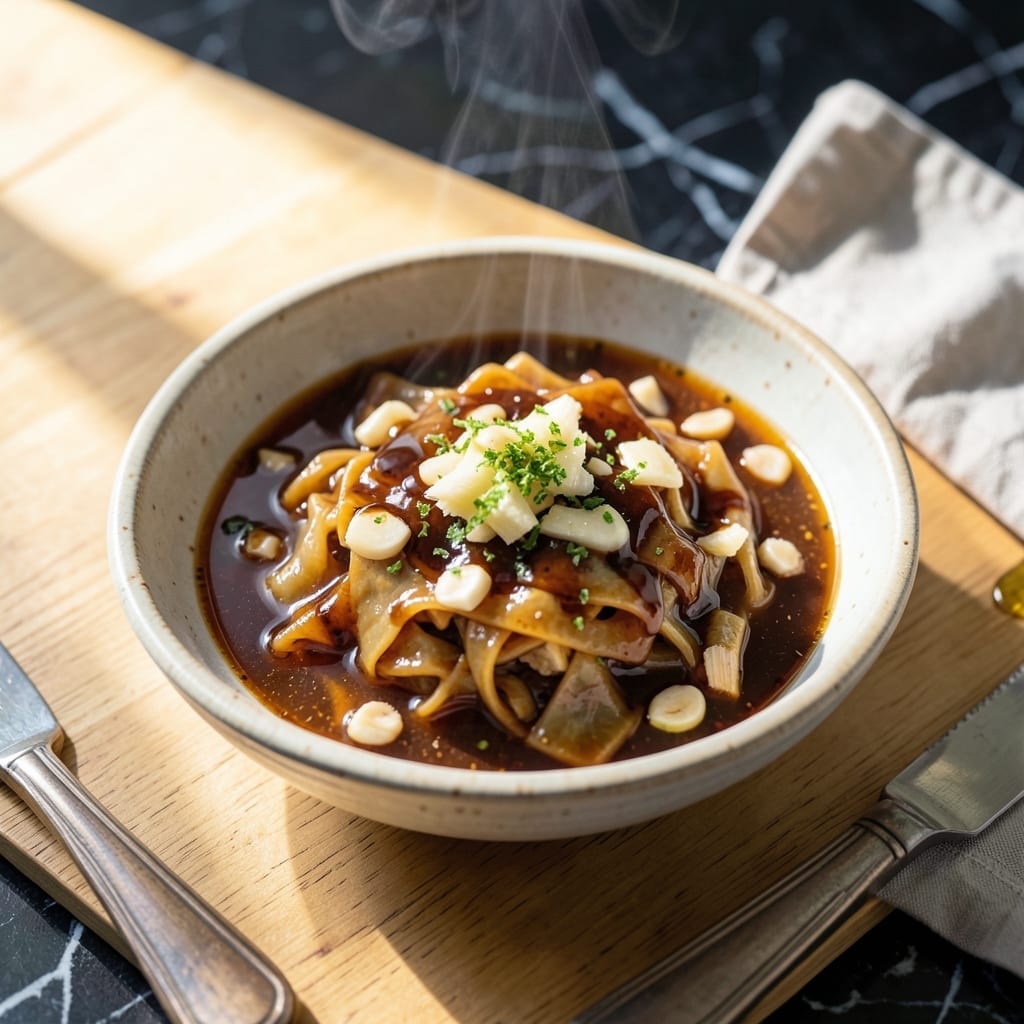
Crafting an authentic pad thai sauce without tamarind requires balancing sour, sweet, and umami flavors precisely. This version uses lime juice as the primary souring agent, creating a bright and tangy base that mimics tamarind’s complexity.
The key is combining fish sauce for depth with brown sugar for richness, then adjusting lime to taste. Unlike traditional recipes, this method delivers consistent results with pantry staples, eliminating the need for specialty ingredients.
Once mixed, the sauce thickens slightly as it cools, clinging perfectly to noodles and proteins. It stores well in the refrigerator for up to two weeks, making it ideal for meal prep or spontaneous cooking.
Use it to elevate not just pad thai, but grilled meats, stir-fries, or as a dipping sauce. The versatility makes this a kitchen staple worth mastering.
Ingredients for Pad Thai Sauce Recipe Without Tamarind
Nine pantry staples create this vibrant, tamarind-free pad thai sauce with perfect balance.
| Ingredient | Amount | Notes |
|---|---|---|
| Fresh Lime Juice 🍋 | ½ cup | About 4-5 limes, zested first |
| Vegan Fish Sauce 💧 | ¼ cup | Or coconut aminos for depth |
| Light Brown Sugar 🍯 | ½ cup | Packed, for caramel depth |
| Soy Sauce 🫒 | ¼ cup | Low-sodium preferred for balance |
| Rice Vinegar 💧 | 2 tbsp | Adds subtle tang complexity |
| Garlic Cloves 🧄 | 4 cloves | Minced to infuse flavor |
| Fresh Ginger 🌿 | 1 tbsp | Grated for aromatic warmth |
| Tamari 🫒 | 1 tbsp | Gluten-free alternative to soy |
| Water 💧 | 2 tbsp | To thin sauce as needed |
[recipe_ingredient_scaler]
The vegan fish sauce is critical here. Red Boat makes a solid plant-based version, but coconut aminos (like from Coconut Secret) work in a pinch for that umami depth. Look for low-sodium soy sauce to control the salt level—Kikkoman or San-J are reliable. Always zest your limes before juicing (the oil adds brightness). Fresh ginger and garlic should be aromatic and firm, not shriveled.
Short on limes? Lemon juice at a 1:1 ratio works, though it’s slightly less floral. No brown sugar? Coconut sugar or maple syrup can substitute, but adjust sweetness to taste. Skip the tamari if you’re not gluten-free, but it does add complexity. The rice vinegar can be apple cider vinegar in a bind, though it’s slightly fruitier. Fresh herbs like cilantro or Thai basil can be stirred in at the end for extra freshness.
Sauce keeps 10-14 days in an airtight container in the fridge. For longer storage, freeze in ice cube trays for 3 months. The flavors meld after 24 hours, so it’s best made a day ahead. Stir well before using as sugar may settle.
Why You’ll Love This Recipe
- 5-Minute Mix: I just dump everything in a bowl—lime juice, vegan fish sauce, the works—and stir. No cooking, no fuss.
- Zingy Balance: The lime and rice vinegar give that bright tang, while the brown sugar rounds it out. Honestly, it tastes like the real deal.
- Stirs into Anything: I toss it with noodles, drizzle over tofu, or even use it as a dip. Between us, it’s my weeknight cheat code.
- Pantry Staples: No tamarind, no problem. Everything’s already in my cupboard, and it keeps for days.
Step-by-Step Instructions for Pad Thai Sauce Without Tamarind
Master this tamarind-free version with precise technique for authentic balance every time.
Step 1: Bloom Aromatics in a Saucepan
Combine the 4 cloves garlic cloves and 1 tbsp fresh ginger in a small saucepan over medium-low heat. I always mince the garlic finely and grate the ginger to maximize flavor extraction. Add just enough neutral oil to coat the pan—about 1 teaspoon—to prevent burning.
Cook for 1-2 minutes until the mixture becomes fragrant and just beginning to turn golden. Watch closely—garlic burns quickly and can turn bitter. Remove from heat immediately when you smell the aromatics toasting; this preserves their bright, fresh character without overcooking.
Step 2: Create the Sweet-Sour Base
Add the 0.5 cup light brown sugar, 0.5 cup fresh lime juice, 2 tbsp rice vinegar, 0.25 cup soy sauce, 0.25 cup vegan fish sauce, and 1 tbsp tamari to the saucepan. The packed brown sugar dissolves more readily when stirred into warm liquid.
Return to medium heat and whisk constantly for 3-4 minutes until the sugar fully dissolves and the mixture begins to gently simmer. You’ll notice the sauce transform from cloudy to a glossy, caramel-colored liquid. This indicates the sugars are properly incorporated.
Step 3: Simmer and Concentrate Flavors
Reduce heat to low and let the sauce maintain a gentle simmer for 8-10 minutes. The goal is to reduce the mixture by about one-third, creating a syrupy consistency that properly coats noodles without being watery.
Stir occasionally to prevent sticking, especially as the sauce thickens. You’ll know it’s ready when it leaves a visible trail on the back of a spoon that holds its shape for 2-3 seconds before dissolving. The flavors should taste balanced—sweet, tangy, and umami-rich.
Step 4: Adjust Consistency and Finish
Remove from heat and let cool for 5 minutes. The sauce will thicken slightly as it cools. Taste and adjust the balance if needed: more fresh lime juice for acidity, or a pinch of sugar if it’s too sharp.
Stir in the 2 tbsp water to achieve your desired consistency. For Pad Thai, you want it thin enough to coat noodles evenly but thick enough to cling. The final sauce should be smooth, glossy, and deeply aromatic with all the complex layers of traditional Pad Thai flavor.
Pro Tips For Making Pad Thai Sauce Recipe Without Tamarind
- Balance the Lime: Fresh lime juice can overpower the sauce if added all at once—I learned this the hard way—start with half the amount, taste, then adjust to avoid that harsh citrus bite.
- Dissolve the Sugar: Light brown sugar clumps easily, so whisk it into 2 tablespoons of warm water first to guarantee a smooth sauce before mixing with the other ingredients.
- Skip the Over-Salting: Vegan fish sauce and soy sauce are both salty, so go light on the soy at first—after burning a batch with too much, I now add it gradually and taste as I go.
- Bloom the Flavors: Heat the sauce gently for 2-3 minutes after combining—sounds weird, but it works to mellow the vinegar and lime while deepening the overall taste.
Best Sauces and Condiments for This Dish
Dipping Sauce Pairing
This sauce makes an incredible dipping companion for spring rolls or fresh vegetable platters. Thin it slightly with 1-2 tbsp warm water for a smoother consistency. I love serving it with cucumber slices, carrot sticks, and Thai basil leaves. 💫
Marinade Transformation
Use it as a marinade for chicken satay or tofu skewers by reducing the sauce by half first. The concentrated flavors penetrate beautifully in just 30 minutes. Add 1 tbsp sesame oil to the marinade for extra depth.
Stir-Fry Enhancer
Toss rice noodles or stir-fried vegetables with 2-3 tbsp of this sauce near the end of cooking. The heat helps the sauce caramelize slightly on the noodles, creating that classic Pad Thai glaze. Garnish with crushed peanuts for texture.
Salad Dressing Twist
Whisk 2 tbsp of this sauce with 1 tbsp neutral oil and 1 tsp sesame oil for a bold salad dressing. It works wonders on green papaya salad or shredded cabbage. The acidity cuts through rich ingredients beautifully.
Grilled Meat Glaze
Brush onto grilled shrimp or chicken during the last 2-3 minutes of cooking. The sugars caramelize quickly, creating a sticky, flavorful glaze. Watch closely to prevent burning—the lime’s acidity helps balance the sweetness.
Rice Bowl Base
Drizzle over steamed jasmine rice with scrambled eggs, bean sprouts, and crushed peanuts for a quick Pad Thai bowl. The sauce soaks into the rice grains, infusing every bite with its complex flavors. 🌟
Nutrition Facts
Frequently Asked Questions
Can I use lemon juice instead of lime?
Yes, lemon juice works in a 1:1 ratio though it’s slightly less floral. The acidity level is similar, so your sauce will still have that bright tang.
How long does this sauce keep in the fridge?
Store in an airtight container for 10-14 days. The flavors meld beautifully after 24 hours, making it even better the next day.
What if my sauce is too sweet?
Balance it by adding more lime juice or rice vinegar 1 tbsp at a time. Taste as you go to avoid over-acidifying.
Can I make this sauce gluten-free?
Swap soy sauce for tamari and ensure your fish sauce is gluten-free. The flavor remains just as rich.

Trained in classic French technique but raised on slow-cooked ribs and spicy rubs, she blends culinary skill with smoke and soul.
- Recipe for Boneless Pork Chops in Cast Iron Skillet: Sear and Baste to Juicy Perfection - October 3, 2026
- Recipe for Boneless Cross Rib Roast: Slow-Roasted Beef with Herb Crust - October 3, 2026
- Hamburgers in Sauce Recipe Crock Pot: Slow-Cooked Savory Delight - October 3, 2026