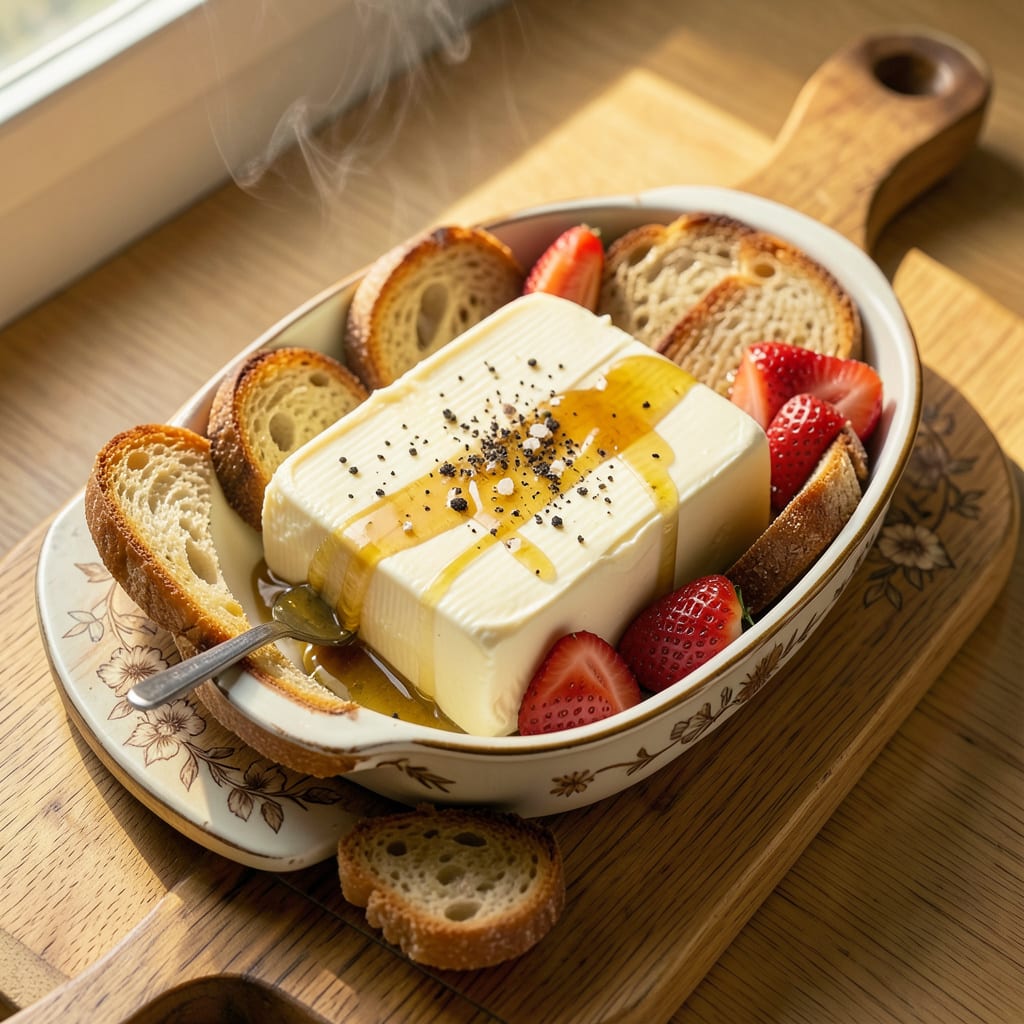
Paula Deen’s butter is a rich, homemade spread made by whipping heavy cream until it separates into butterfat and buttermilk. It’s creamy, slightly sweet, and perfect for baking, cooking, or spreading on warm bread.
This isn’t your typical grocery store butter—it’s a game-changer for home cooks who want full control over flavor and texture. 🔥 The secret lies in the freshness of the cream and the churning process, which creates a velvety consistency that commercial brands struggle to match. I’ve found that the slight sweetness comes naturally from the cream’s sugars, while the buttermilk byproduct adds a subtle tang that elevates everything from flaky biscuits to sautéed vegetables.
What sets this apart is the ability to customize it to your taste—add a pinch of sea salt for depth, or leave it unsalted for delicate pastries. ✨ The absence of preservatives means it’s best enjoyed within a week, but trust me, it won’t last that long once you taste the difference.
💡 In This Article
- How Paula Deen’s Butter Differs from Store-Bought
- Step-by-Step Guide to Making Paula Deen Butter at Home
How Paula Deen’s Butter Differs from Store-Bought
When you churn butter at home like Paula Deen, you’re working with cream that hasn’t been pasteurized and homogenized to commercial standards. This means the fat globules are larger and more fragile, which breaks down differently during churning.
The result is a butter with a naturally higher fat content—about 82-86% compared to store-bought’s 80%—giving it that luxurious mouthfeel that melts instantly on warm toast. 🔥
The flavor difference comes from two key factors: freshness and fermentation. Commercial butter often uses cream that’s been stored for days or weeks, while homemade butter starts with cream that’s typically just 1-3 days old.
Plus, the natural buttermilk that separates during churning contains live cultures that add subtle complexity—think of it as butter with built-in flavor layers, similar to how fresh mozzarella tastes brighter than pre-shredded cheese.
Texture is where homemade really shines. Store-bought butter includes emulsifiers to prevent separation, but Paula Deen’s version has a more delicate structure. The crystals form differently during churning, creating tiny air pockets that make it spread like silk at room temperature.
I’ve noticed it browns faster in pans too—those milk solids caramelize beautifully at 325°F compared to commercial butter’s 350°F browning point. ✨
Salt control is another game-changer. Most grocery butter contains about 1.5-2% salt by weight, but homemade lets you adjust to taste. A light ¼ teaspoon per pound enhances sweetness in pastries, while ½ teaspoon gives that classic Southern richness.
The absence of preservatives means the flavor stays truer to the cream’s origin—grass-fed cows in spring produce butter with noticeable floral notes, something mass production filters out.
Here’s what most people miss: the churning speed affects the final product. Slow, steady mixing (like Paula’s method) creates smaller butter granules that hold together better, while high-speed food processors can overwork the fat and release too much buttermilk.
This is why her butter stays creamy even when cold, while commercial blocks can feel waxy—a result of industrial processing that stabilizes the fat for longer shelf life.
Storage tells the story too. Homemade butter keeps its peak flavor for about 1 week in the fridge (compared to commercial’s 3 months), but that’s because it hasn’t been treated with nitrogen gas or vacuum-sealed. The tradeoff? Every bite tastes like it was made that morning.
I’ve found wrapping it in parchment before refrigerating preserves that just-churned freshness longest. 💫

Trained in classic French technique but raised on slow-cooked ribs and spicy rubs, she blends culinary skill with smoke and soul.
- Recipe for Boneless Pork Chops in Cast Iron Skillet: Sear and Baste to Juicy Perfection - October 3, 2026
- Recipe for Boneless Cross Rib Roast: Slow-Roasted Beef with Herb Crust - October 3, 2026
- Hamburgers in Sauce Recipe Crock Pot: Slow-Cooked Savory Delight - October 3, 2026