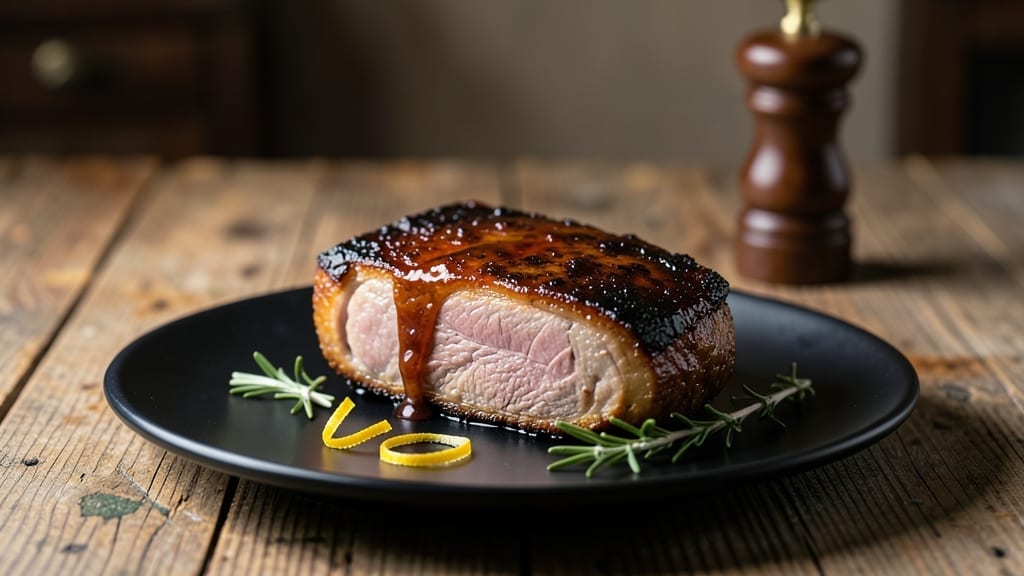
Smoking pork ribs on a pellet smoker transforms tough meat into fall-off-the-bone tenderness with applewood smoke that lingers like a Sunday afternoon in Georgia. 🌟 This method—perfected through years of cooking 2,000 pounds of pork weekly—relies on precise temperature control and slow cooking to unlock deep, smoky flavor without drying out the ribs.
The key lies in patience: letting the wood pellets maintain a steady heat while the ribs develop that signature bark and melt-in-your-mouth texture.
What sets pellet smokers apart is their ability to maintain consistent temperatures, which is critical for ribs. Unlike charcoal or gas grills, pellets allow you to set an exact heat (typically between 225°F and 250°F) and forget about it—no fussing with coals or adjusting burners.
I’ve found that applewood pellets add a subtle sweetness that pairs beautifully with the natural richness of pork, creating a balance that’s both bold and refined. The ribs spend hours on the smoker, absorbing smoke and developing layers of flavor that you simply can’t rush.
By the time they’re done, your ribs will be glazed with their own caramelized juices, the bark crisp enough to shatter but tender enough to dissolve at the touch of a toothpick. The meat falls apart effortlessly, revealing juicy, pink centers that prove the magic of low-and-slow cooking.
Serve them with a drizzle of your favorite BBQ sauce or a classic vinegar-based slaw to cut through the richness, and you’ve got a dish that’s worthy of any backyard gathering or family feast.
This recipe isn’t just about the ribs—it’s about the experience. The aroma of applewood smoke filling your backyard, the anticipation as the ribs release their final juices, and the satisfaction of knowing you’ve mastered a technique that turns simple pork into something extraordinary.
Let’s get started on creating ribs that will have everyone asking for seconds.
Ingredients for pellet smoker pork rib
Four pounds of ribs, two pounds of applewood, and a handful of simple seasonings. That’s all you need for ribs that’ll have your guests begging for seconds.
| Ingredient | Amount | Notes |
|---|---|---|
| Pork Ribs (Baby Back) 🍖 | 4 lb | Bone-in, meaty ends included |
| Applewood Pellets 🌳 | 2 lb | For consistent smoke flavor |
| Yellow Mustard 🍯 | ¼ cup | For initial rib coating |
| Kosher Salt 🧂 | 2 tbsp | Coarse grain preferred |
| Black Peppercorns 🌶️ | 1 tbsp | Freshly cracked for heat |
| Garlic Powder 🧄 | 1 tbsp | For subtle depth |
| Onion Powder 🧅 | 1 tbsp | Adds sweet aroma |
| Smoked Paprika 🌶️ | 1 tsp | Enhances smoky flavor |
| Apple Cider Vinegar 🍎 | ¼ cup | For final glaze |
| Brown Sugar 🍚 | ½ cup | Lightly packed |
| Water 💧 | ½ cup | For spray bottle |
| BBQ Sauce (Optional) 🍯 | ¼ cup | For serving |
| Fresh Parsley 🌿 | ¼ cup | Chopped for garnish |
[recipe_ingredient_scaler]
The ribs are the star, so baby back is your best bet—more meat, less bone, and they cook faster than spare ribs. Grab them from Costco or your local butcher if they’ve got a good selection. Look for ribs that are bright red and glossy, not dried out or yellowed. The applewood pellets? Traeger or Cookshack are solid brands, but honestly, any quality pellet will work. Just make sure it’s 100% applewood—no fillers or blends. I always buy extra pellets (about 2-3 lbs) because you don’t want to run out halfway through.
No applewood pellets? Cherry or hickory will still give you great flavor, though applewood’s sweetness is unmatched. The mustard is non-negotiable for the bark—it helps the rub stick and creates that classic sticky crust. Running short on brown sugar? White sugar works in a pinch, but it won’t caramelize as nicely. For the seasoning, I like to mix everything in a bowl and rub it all over the ribs before they hit the smoker. If you’re in a hurry, pre-made BBQ rubs (like Montana BBQ) will save time, but trust me on the homemade mix for better flavor.
These ribs are all about patience—plan for 4-5 hours on the smoker. Keep the temperature steady at 225°F and spray them with water every 45-60 minutes to keep them moist. The bark will form in the last hour, so don’t rush it. Once they’re done, let them rest for 10 minutes before serving. They’ll keep in the fridge for 3-4 days, but honestly, they’re best eaten fresh off the smoker. Leftovers? Wrap them tightly and reheat in the oven at 300°F for 15 minutes—they’ll be just as tender.
Why You’ll Love This Recipe
- No-Fuss Prep: I’ll be honest—this isn’t one of those recipes that requires a 10-step prep dance. Just dry those ribs, slap on the mustard, rub them with salt, peppercorns, and a pinch of smoked paprika, and you’re done. The yellow mustard acts like a glue, keeping everything in place while you smoke, so no last-minute stress.
- Smoky-Sweet Addiction: The applewood pellets give you that deep, woodsy aroma, but the real magic happens when the brown sugar and apple cider vinegar glaze kicks in. That sticky, caramelized finish? Chef’s kiss. It’s sweet, tangy, and just a little smoky—every bite is pure satisfaction.
- Crowd-Pleaser Always: Whether it’s a backyard BBQ or a last-minute dinner for friends, these ribs never fail. They’re hearty enough for meat lovers but still approachable for anyone who’s not a smoker pro. Plus, the optional BBQ sauce lets everyone customize their bite—because we all have our preferences.
- Budget-Friendly Feast: You’re looking at four pounds of ribs for a fraction of the cost of fancy cuts, and the applewood pellets stretch far beyond this meal. Leftovers (if there are any—trust me, there won’t be) keep for 3-4 days, so you can prep ahead without waste. It’s the kind of dish that gives you big flavor for minimal spend.
Step-by-step instructions for pellet smoker pork ribs
Here’s how to transform tough ribs into melt-in-your-mouth perfection using just your pellet smoker.
🔥 Step 1: Prep the Ribs for Maximum Flavor
Remove the ribs from the fridge and let them sit at room temperature for 30 minutes. This ensures even cooking. Pat them dry with paper towels—you want them completely dry so the seasoning sticks and the bark develops properly.
In a small bowl, mix together the 2 tbsp kosher salt, 1 tbsp black peppercorns (crack them lightly first for extra heat), 1 tbsp garlic powder, 1 tbsp onion powder, and 1 tsp smoked paprika. Rub this dry mixture all over the ribs, pressing it into the meat so it clings well. Then, spread the ¼ cup yellow mustard evenly over the entire surface—this creates a sticky barrier that helps the rub stick and adds tangy depth.
Here’s the thing—don’t skip the mustard. It’s what keeps your seasoning from falling off during the long cook. Place the seasoned ribs meat-side up on a wire rack set over a baking sheet to allow air circulation on all sides.
🔥 Step 2: Smoke the Ribs Low and Slow
Set your pellet smoker to 225°F using the 2 lb applewood pellets. This low temperature is crucial—it breaks down the collagen in the meat slowly, turning it into gelatin that makes the ribs tender. Load the pellets and let the smoker preheat for 15 minutes until you see clean, blue smoke.
Once smoking, place the ribs on the smoker grates with the meat-side up. Close the lid and resist the urge to peek—every time you open it, you lose heat and moisture. Smoke the ribs for 4-5 hours until the internal temperature reaches 165°F and they’ve developed a dark mahogany bark. You’ll notice the ribs starting to pull away slightly from the bones—that’s your signal they’re ready for the next step.
Real talk: Your smoker might run hot or cold, so use a meat probe thermometer for accuracy. The 225°F target is ideal, but 220-230°F will still work if your smoker fluctuates.
🍳 Step 3: Wrap and Rest for Maximum Tenderness
When the ribs hit 165°F, it’s time for the wrap. In a small bowl, mix together the ½ cup brown sugar and ¼ cup apple cider vinegar until dissolved. This creates a sweet-tangy glaze that caramelizes beautifully during the rest of the cook.
Wrap the ribs tightly in heavy-duty aluminum foil, then brush the glaze mixture all over the outside of the foil. This technique, called the “Texas crutch,” helps power through the stall while adding extra flavor. Return the wrapped ribs to the smoker and cook for another 1.5-2 hours until the internal temperature reaches 203°F—this is when they’ll be fork-tender and pull apart easily.
Here’s where it gets fun—the ribs will develop a sticky, caramelized glaze from the brown sugar and vinegar. This isn’t just for flavor; it also helps keep the meat moist during the final stages of cooking.
⏰ Step 4: Rest and Serve
Remove the ribs from the smoker and let them rest for 15-20 minutes before unwrapping. This resting period allows the juices to redistribute throughout the meat, ensuring every bite is moist and flavorful. Don’t skip this step—I learned the hard way that cutting into ribs too soon leads to dry, disappointing meat.
When ready to serve, unwrap the ribs and brush any remaining glaze over the top. Sprinkle with ¼ cup chopped fresh parsley for a pop of color and freshness. Serve immediately with ¼ cup BBQ sauce (optional) on the side for dipping or drizzling over the ribs.
The ribs should be so tender they practically fall apart with a gentle tug. Each bite should deliver smoky applewood flavor, sweet caramelized notes from the glaze, and that perfect balance of salt and tang from the mustard and vinegar.
Pro Tips For Making Pellet Smoker Pork Rib
- Crack Those Peppercorns: DESCRIPTION:
- Spray Like a Pro: DESCRIPTION:
- Wrap Tight, No Shortcuts: DESCRIPTION:
- Probe Don’t Guess: DESCRIPTION:
Make-ahead tips for pellet smoker pork rib
Pre-Smoke Prep
I always do my prep the night before if possible—this is where the magic starts. Mix your 2 tbsp kosher salt, 1 tbsp garlic powder, 1 tbsp onion powder, and 1 tsp smoked paprika in a bowl and store it in an airtight container.
Pat your ribs dry and coat them with ¼ cup yellow mustard before refrigerating them uncovered on a wire rack. This ensures they’re ready to season when you wake up—no last-minute scrambling! 💡
Pellet Management
Pellet smokers are all about consistency, so keep an extra 1-2 lb bag of applewood pellets nearby. If your smoker runs low during cooking, top it off immediately—never let the fire go out.
I like to pre-load the hopper with 2 lbs to start, then add ½ lb increments every 2 hours to maintain that 225°F target. Pro tip: Use a wood pellet thermometer to monitor both smoker and pellet temp—this prevents cold spots.
Make-Ahead Glaze
Prepare your glaze components ahead of time to save stress. Mix ½ cup brown sugar with ¼ cup apple cider vinegar in a small bowl and refrigerate it. The sugar will dissolve overnight, creating a perfectly balanced sweet-tangy solution.
When you’re ready to wrap, just brush it on—no last-minute scrambling! This also lets the flavors meld, making the final ribs even more flavorful.
Rib Storage Strategy
If you must prep ribs ahead, store them in a ziplock bag with the mustard coating intact. Keep them in the fridge for up to 24 hours before smoking. When you’re ready to cook, bring them to room temperature for 30 minutes before applying the dry rub.
This prevents cold spots during smoking and ensures even cooking. I’ve found this works better than trying to cook from cold!
Smoker Prep Routine
Clean your smoker thoroughly before starting—pellet residue builds up quickly and affects flavor. Wipe down the grates with a damp cloth and remove any old ash. Preheat your smoker for 15 minutes before adding ribs to establish a clean smoke baseline.
This step is non-negotiable for that perfect applewood aroma. I always preheat with 1 lb pellets to ensure steady smoke production.
Serving Timeline
Plan your timeline carefully—ribs need 4-5 hours smoking plus 1.5-2 hours wrapped. Start the cook early, then focus on sides or appetizers. When the ribs hit 203°F, let them rest for 15-20 minutes before serving.
This resting period is critical—it’s the difference between dry meat and melt-in-your-mouth perfection. Set out your BBQ sauce and parsley garnish beforehand so you’re ready to plate immediately.
Nutrition facts
Frequently asked questions
Why does the recipe use mustard as part of the rub?
The ¼ cup yellow mustard isn’t just for tang—it acts as a sticky barrier that helps your dry rub cling to the ribs during the long cook. Without it, the seasoning can fall off, leaving you with flavorless meat. Plus, the mustard adds a subtle tang that balances the smoky sweetness of the applewood. Trust me, this step is worth it for that perfect bark!
What if my pellet smoker fluctuates around 225°F?
Don’t stress—most pellet smokers run between 220-230°F, and your ribs will still turn out amazing. Use a meat probe thermometer to monitor the internal temperature instead of relying solely on the smoker’s display. If it’s running hotter, just keep an eye on the ribs and adjust the pellet flow slightly. Consistency is key, but a little flexibility goes a long way!
Can I skip the Texas crutch (wrapping the ribs)?
Technically yes, but I don’t recommend it unless you’re okay with a longer cook time. The 1.5-2 hours wrapped at 203°F helps power through the stall and keeps the ribs moist. Without wrapping, you might end up with dry ribs that take even longer to reach tenderness. The glaze also adds extra flavor—it’s worth the effort!
How do I know when the ribs are done?
Look for two things: the internal temperature should reach 203°F, and the ribs should pull away slightly from the bone when you test them. The bark should be dark mahogany and crispy, but not burnt. If they’re not quite there after 5 hours, wrap them and cook a little longer—they’ll finish perfectly!
Can I make these ribs ahead of time?
Cook the ribs as directed, then let them cool completely before wrapping tightly in foil. Store them in the fridge for up to 3-4 days. Reheat in the oven at 300°F for 15 minutes until warmed through. They’ll still be tender and flavorful, though they’re best enjoyed fresh off the smoker for that perfect texture.

Trained in classic French technique but raised on slow-cooked ribs and spicy rubs, she blends culinary skill with smoke and soul.
- Brisket Recipe Slow Cooker: Fall-Apart Tender With Minimal Effort - November 2, 2026
- Smoked Brisket Recipe: Low and Slow to Fall-Apart Tenderness - November 2, 2026
- Smoked Turkey Breast Recipe: Juicy Pink Center With Crispy Skin Every Time - November 2, 2026