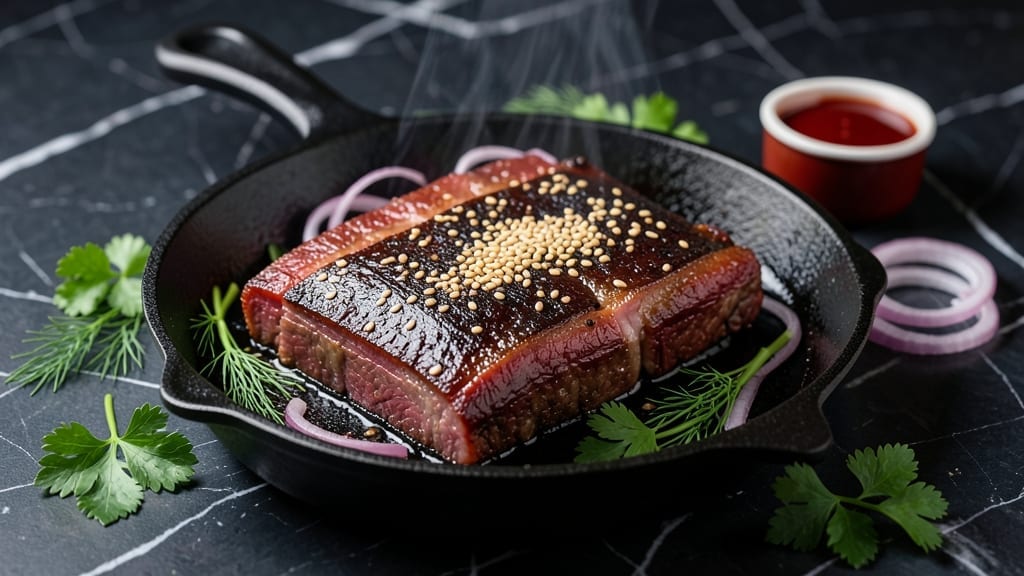
Transforming corned beef into smoked pastrami delivers that iconic deli flavor with a deep, wood-fired character you can’t get from a jar. I first perfected this technique after years of experimenting with brines and smoke—this version stays tender, develops that signature bark, and shreds like a dream.
The secret lies in balancing the corned beef’s existing cure with just enough additional seasoning and a precise smoking window.
This isn’t your average pulled pork—pastrami demands patience and control. We’ll start with a 3-day brine to ensure proper moisture retention, then smoke the beef at 225°F with hickory wood until it reaches 195°F internal temperature, where the collagen breaks down into melt-in-your-mouth texture.
The bark forms naturally from the beef’s surface rendering, creating that perfect balance of smoky depth and tender bite. No shortcuts here—this is restaurant-quality pastrami made at home.
By the time you’re done, you’ll have shred-worthy perfection: slices that hold their shape when stacked but melt when you take that first bite. The exterior will be dark mahogany with visible smoke rings, while the interior remains juicy and rich.
This is the kind of pastrami that makes people ask where you got it—because they’ll never guess it started with a corned beef brisket. Serve it on fresh rye with mustard, or pile it into sandwiches with Swiss cheese and sauerkraut for that classic deli experience.
Whether you’re feeding a crowd or meal prepping for the week, this recipe scales beautifully while maintaining that perfect texture. The smoking process infuses flavor without drying out the meat, and the resting time ensures every slice stays juicy. Let’s get started on creating your own deli-worthy pastrami at home.
Ingredients for smoked pastrami from corned beef
Pantry staples meet smoky magic—just a few key ingredients transform corned beef into deli-worthy pastrami.
| Ingredient | Amount | Notes |
|---|---|---|
| Corned Beef Brisket 🥩 | 4 lb | Whole pack, trimmed of excess fat |
| Yellow Mustard 🍯 | ½ cup | Dijon for extra depth |
| Brown Sugar 🍚 | ½ cup | Light or dark variety |
| Garlic Cloves 🧄 | 8 cloves | Fresh, peeled and smashed |
| Onion Powder 🧅 | 1 tbsp | Freshly ground preferred |
| Ground Black Pepper 🌶️ | 1 tbsp | Freshly cracked |
| Ground Coriander 🌿 | 1 tbsp | For authentic flavor |
| Hickory Wood Chips 🌳 | 1 package | Unsoaked, for smoking |
| Water 💧 | 4 cups | For brine mixture |
| Apple Cider Vinegar 🍏 | ¼ cup | For tangy balance |
| Salt 🧂 | 1 tbsp | Kosher or sea salt |
| Black Liquorice Root 🍃 | 1 tbsp | Optional, for depth |
| Beef Broth 🍲 | 1 cup | Low-sodium preferred |
| Fresh Dill 🌿 | ¼ cup | Chopped, for freshness |
[recipe_ingredient_scaler]
The corned beef brisket is non-negotiable here. Look for a 4-pound pack—most grocery stores carry it near the smoked meats or in the refrigerated section. If you can’t find it, Costco or Whole Foods usually stock it. Trim any thick fat caps to about 1/4-inch thickness—this helps the bark develop evenly. For the mustard, Dijon adds complexity over regular yellow, but either works. The brown sugar? Light or dark doesn’t matter, but make sure it’s real sugar—not that pre-mixed ‘brown sugar blend’ stuff. Fresh garlic and dill are worth hunting down—they make a noticeable difference in flavor.
No hickory wood chips? Oak works too, but hickory gives that classic pastrami smoke. Short on time? Smoked paprika at 2 tbsp can mimic some of the flavor, though nothing beats real smoke. The black liquorice root is optional but adds that authentic deli taste—if you can’t find it, 1 tbsp anise extract works in a pinch. For the brine, low-sodium beef broth keeps things balanced. If you’re using pre-cured corned beef, skip the extra salt in the brine—just follow the pack’s curing instructions. The coriander might be hard to find, but substitute 1 tbsp ground cumin if needed—it’s close enough for most people.
This isn’t a recipe you want to rush. The 3-day brine is mandatory—it ensures the meat stays juicy through smoking. Store the brined beef in a sealed container in the fridge. After smoking, let it rest for at least 2 hours before slicing—this keeps it from falling apart. Leftovers? 5 days in the fridge, or freeze for 3 months. I always make double batches—one for sandwiches, one for freezing. The bark gets better with time, so don’t be afraid to let it sit overnight before serving.
Why You’ll Love This Recipe
- No Smoking Gun Needed: That hickory wood chip smell? Achievable at home with zero fancy equipment. Just a smoker (even a cheap one), a thermometer, and 8 hours of hands-off time while you binge your favorite show. No fancy knife skills or hours of prep—just pat dry, slap on that mustard-brown sugar paste, and let the magic happen.
- Deli-Style Depth: The moment you take that first bite? That’s the black liquorice root and coriander working their magic—complex, slightly sweet, with a kick of garlic and onion powder that hits just right. The brown sugar caramelizes into a crispy bark, while the apple cider vinegar keeps it from being too heavy. It’s like a deli counter came to your kitchen.
- Leftovers That Last: This isn’t just for Sunday dinner. After smoking, I slice it thin, wrap half in foil, and toss it in the fridge for days. Reheat in the oven with a splash of broth, and it’s still tender—perfect for quick lunches, sandwiches, or even tossing into soups. My kids beg for it in their grilled cheese. (Yes, even on a Tuesday night.)
- Budget Hack for Big Flavors: A 4-pound corned beef brisket costs less than takeout pastrami, and this recipe stretches it into meals for weeks. The spices are cheap, the smoking process is efficient, and you’ll have enough leftovers to feed a crowd without breaking the bank. Plus, that hickory wood chip pack? A one-time splurge that lasts forever.
Step-by-step instructions for smoked corned beef pastrami
Here’s how to transform corned beef into restaurant-quality pastrami with deep smoky flavor and perfect texture.
Prepare the Corned Beef Brisket for Smoking
Start by rinsing the 4 lb corned beef brisket under cold water to remove any excess salt or brine. Pat it completely dry with paper towels—this step is crucial for developing that signature crispy bark later. Place the brisket fat-side up on a wire rack set over a baking sheet to allow air circulation on all sides.
In a small bowl, combine the ½ cup yellow mustard, ½ cup brown sugar, 8 smashed garlic cloves, 1 tbsp onion powder, 1 tbsp ground black pepper, 1 tbsp ground coriander, 1 tbsp salt, and 1 tbsp black liquorice root. Mix well until you have a thick paste. Spread this mixture evenly over the entire surface of the brisket, pressing it in gently so it adheres well. The sugar will caramelize during smoking, creating that beautiful crust.
Let the seasoned brisket rest at room temperature for 30 minutes before smoking. This ensures even cooking and prevents cold spots that could lead to uneven texture. While it rests, prepare your smoker using the 1 package hickory wood chips—this wood is essential for that classic pastrami flavor profile.
Smoke the Brisket Low and Slow
Set your smoker to maintain a steady 225°F temperature. Place the seasoned brisket in the smoker fat-side up and smoke for 8 hours. The low temperature is key here—it allows the connective tissue to break down slowly, resulting in that melt-in-your-mouth tenderness. Don’t be tempted to peek or adjust the temperature; every time you open the smoker, you lose heat and moisture.
After 8 hours, check the internal temperature using a meat thermometer. It should read 195-200°F—this is when the collagen fully converts to gelatin, giving you that perfect texture. If it hasn’t reached this temperature yet, continue smoking. The brisket will continue cooking even after you remove it from the smoker, so don’t rush this step.
Once the brisket reaches the target temperature, remove it from the smoker and let it rest for 30 minutes. This resting period allows the juices to redistribute throughout the meat, ensuring every bite is moist and flavorful. During this time, you’ll notice the surface developing a beautiful dark bark from the caramelized sugar and smoky flavors.
Create the Finishing Sauce and Rest
While the brisket rests, prepare the finishing sauce in a saucepan. Combine the 4 cups water, ¼ cup apple cider vinegar, and 1 cup beef broth. Bring to a boil over medium-high heat, then reduce to a simmer and let it cook for 10 minutes to allow the flavors to meld. This sauce will be used to baste the brisket and add moisture during the final resting phase.
After the 30-minute rest, transfer the brisket to a large roasting pan. Pour the simmered sauce over the brisket, then cover tightly with aluminum foil. Place the pan in a 325°F oven for 1 hour. This step ensures the brisket reaches the perfect internal temperature of 203°F and keeps it moist. The foil traps steam, which helps break down any remaining connective tissue.
Once the brisket reaches 203°F, remove it from the oven and let it rest for an additional 30 minutes. This final rest is crucial for maximum tenderness. While it rests, chop the ¼ cup fresh dill finely—this will be used to garnish the finished pastrami, adding a bright, fresh note that cuts through the rich, smoky flavors.
Shred and Serve
After the final rest, transfer the brisket to a cutting board. Using two forks, carefully shred the meat against the grain into ¼-inch thick slices. The meat should pull apart easily, with no resistance. If it doesn’t shred easily, it needs a few more minutes in the oven—just slice a small piece to test.
Serve the shredded pastrami immediately, garnished with the chopped fresh dill. The combination of smoky, sweet, and tangy flavors with the bright dill creates a perfect balance. For serving, I like to pile it high on crusty bread with mustard or serve it alongside pickles and coleslaw for a classic deli experience.
This method guarantees perfectly smoked pastrami every time—tender, flavorful, and with that irresistible bark. The key is patience: low and slow smoking, proper resting, and attention to temperature at every stage. You’ll have restaurant-quality pastrami right in your own kitchen!
Pro Tips For Making Smoked Pastrami From Corned Beef
- Trim the Fat First: That extra fat on your 4 lb corned beef brisket might look harmless, but it’ll steam instead of caramelize—ruining your crust. Grab a sharp knife and trim it down before you even think about seasoning. I learned this after my first attempt ended up greasy instead of glorious.
- Don’t Skip the Mustard Paste: The ½ cup yellow mustard isn’t just for flavor—it’s the glue that keeps the ½ cup brown sugar and spices stuck to the meat. Mix it into a thick paste first, or half of it will slide off during smoking. Trust me, your bark will thank you.
- Check the Temp, Not the Time: Your brisket will hit 195-200°F at different times, and guessing leads to dry meat. Use that thermometer every hour after 6 hours—patience here means the difference between shredding like butter and fighting tough fibers.
- Save the Dill for Last: Fresh dill is bright and perky, but it wilts fast in heat. Chop it right before serving, not while the brisket rests. Your garnish will stay vibrant, and your pastrami won’t taste like a sad, overcooked sandwich.
Dietary considerations for this smoked pastrami from corned beef
Gluten-Free Adaptation
This pastrami recipe is already naturally gluten-free when using a 4 lb corned beef brisket from a reputable butcher—just confirm the brine doesn’t contain barley malt or other gluten additives. I always double-check labels, especially at local butcher shops where I buy mine.
The mustard, brown sugar, and spices in the rub are all gluten-free, but always verify your Dijon mustard brand, as some contain gluten-based stabilizers. 💡
Low-Sodium Considerations
The corned beef brisket is already cured with salt, but you can reduce sodium further by using low-sodium beef broth in the finishing sauce. Skip the extra 1 tbsp salt in the rub if your brisket is pre-cured—just trust the curing process.
For an even lighter touch, rinse the brisket briefly after curing to remove excess surface salt before seasoning.
Vegetarian Substitutes
While pastrami traditionally comes from beef, you can approximate the texture and flavor with a seitan loaf or portobello mushroom “steak.” Soak seitan in a mixture of 4 cups water with ¼ cup apple cider vinegar and 1 tbsp black liquorice root for depth.
For mushrooms, marinate portobellos in the same rub (minus the salt) for 4 hours before smoking at 225°F for 2 hours.
Dairy-Free Options
The recipe is already dairy-free, but if serving with sides, skip traditional cheese toppings. Instead, pile your pastrami on gluten-free rye bread with mustard or offer pickled vegetables for tangy contrast.
The beef broth in the finishing sauce is naturally dairy-free, but always check labels on pre-made broths for hidden additives.
Keto-Friendly Adjustments
For a keto version, reduce the ½ cup brown sugar to 1 tbsp erythritol or ½ cup monk fruit sweetener to keep carbs low. Use low-carb rye bread or lettuce wraps for serving.
The corned beef itself is naturally keto-friendly, but monitor sodium intake by using unsalted broth and skipping added salt in the rub if your brisket is pre-cured.
Nutrition facts
Frequently asked questions
Why does my smoked pastrami need to rest before slicing?
The 30-minute rest after smoking lets juices redistribute evenly, preventing dryness and ensuring every bite is moist. Skipping this step can make the pastrami tough and dry—just like how a steak needs to rest before cutting!
Can I use a different wood type for smoking?
Hickory is classic for pastrami, but oak works too—it adds a milder, sweeter smoke. Avoid fruitwoods like cherry or apple, as they can overpower the beef’s natural flavor. The key is consistency in wood choice for balanced taste.
What if my pastrami isn’t shredding easily?
It needs another 15-30 minutes in the oven at 325°F to finish cooking. Check a small slice—if it’s still firm, return it to the oven. Overcooking won’t help, but patience ensures perfect tenderness.
How do I store leftovers properly?
Let pastrami cool completely, then store in an airtight container in the fridge for up to 5 days. For longer storage, freeze for 3 months. Reheat gently in a pan with a splash of water to restore moisture.

Trained in classic French technique but raised on slow-cooked ribs and spicy rubs, she blends culinary skill with smoke and soul.
- Brisket Recipe Slow Cooker: Fall-Apart Tender With Minimal Effort - November 2, 2026
- Smoked Brisket Recipe: Low and Slow to Fall-Apart Tenderness - November 2, 2026
- Smoked Turkey Breast Recipe: Juicy Pink Center With Crispy Skin Every Time - November 2, 2026