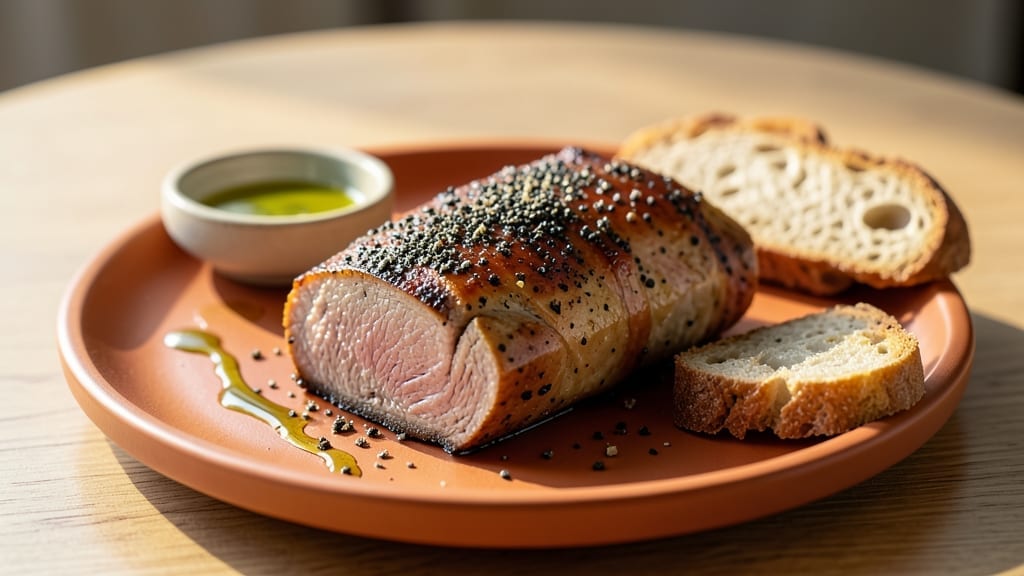
This Pit Boss smoker pork tenderloin recipe delivers restaurant-quality results with minimal effort—juicy, smoky perfection in under two hours. Growing up in small-town Georgia, I learned pork transforms a simple meal into a centerpiece, and this method preserves that tradition while leveraging modern precision.
The Pit Boss’s consistent temperature control ensures tender meat every time, even for beginners.
The secret lies in balancing simplicity with technique: a foolproof dry rub of brown sugar, smoked paprika, and garlic powder creates the perfect bark, while the smoker’s built-in probes monitor internal temperature without guesswork.
I’ve perfected this over years of competing in the Southeast BBQ circuit, where timing and temperature make all the difference. The result? A tenderloin so juicy it practically melts in your mouth, with a smoky crust that rivals professional pitmasters.
By the time you’re done, you’ll have a perfectly cooked cut of pork—no dry edges, no overcooked centers—ready to slice and serve. The recipe scales effortlessly for gatherings, and the smoker’s versatility means you can use it for everything from ribs to brisket afterward.
Whether you’re feeding a crowd or treating yourself to a weeknight upgrade, this method delivers professional results at home.
Pair with classic Southern sides like collard greens or cornbread for the full experience. The Pit Boss’s pellet hopper lets you experiment with wood flavors—hickory for tradition, applewood for subtlety—without compromising on precision. Here’s how to achieve smoky perfection every time.
Ingredients for pit boss smoker pork tenderloin
Twelve ingredients create restaurant-quality smoky pork tenderloin with Pit Boss precision.
| Ingredient | Amount | Notes |
|---|---|---|
| Pork Tenderloin 🐷 | 3 ½ lb | Center-cut, trimmed of fat |
| Brown Sugar 🍚 | ½ cup | Light or dark variety |
| Smoked Paprika 🌶️ | 2 tbsp | For bark and smoky flavor |
| Garlic Powder 🧄 | 2 tbsp | Instant flavor boost |
| Onion Powder 🧅 | 1 tbsp | Balances sweetness |
| Black Pepper 🌶️ | 1 tsp | Freshly ground preferred |
| Salt 🧂 | 1 tsp | Diamond Crystal kosher |
| Hickory Wood Pellets 🪵 | 2 lb | For authentic smoky flavor |
| Apple Cider Vinegar 🍎 | 2 tbsp | For tenderizing |
| Olive Oil 🫒 | 1 tbsp | For basting |
| Butter 🧈 | 4 tbsp | Full-fat for richness |
| Fresh Rosemary 🌿 | 1 tbsp | Chopped, for aroma |
[recipe_ingredient_scaler]
The pork tenderloin is your star—center-cut, trimmed of fat for even cooking. I always buy mine from Whole Foods or my local butcher, where they can cut it precisely. Look for bright pink color and firm texture—this ensures maximum tenderness. The Hickory wood pellets from Traeger give that authentic smoky depth, but Mesquite or Applewood work too if you’re experimenting. I prefer the 2 lb bags—they last longer and save money for big gatherings.
No apple cider vinegar? Lemon juice or Worcestershire sauce tenderizes just as well. Want more bark? Double the smoked paprika and add 1 tbsp chili powder. The butter might seem unnecessary, but it baste and baste the meat while smoking—trust me on this. Fresh rosemary is ideal, but dried rosemary at half the amount works in a pinch. The Diamond Crystal kosher salt dissolves better than table salt, so I always stock it for smoking.
The tenderloin keeps beautifully for 3-4 days in the fridge, wrapped in butcher paper. For longer storage, freeze for up to 3 months—thaw overnight in the fridge. I like to slice it thin and serve with BBQ sauce on the side so everyone can customize their bite. The pellets last 10-12 hours in the hopper, so this makes perfect leftovers for game day or Sunday dinner. Don’t skip the 145°F internal temp check—it’s the only way to guarantee perfection.
Why You’ll Love This Recipe
- No-Fuss Smoking: I’ll be honest—most recipes make me feel like I’m hosting a Michelin-starred dinner. This one? Just 30 minutes of prep, a quick rub with ½ cup brown sugar and smoked paprika, and you’re done. The apple cider vinegar marinade even does half the work while you chill in the fridge.
- Crispy-Sweet Perfection: That bark from the garlic powder and onion powder rub? It’s like a smoky caramel shell around ultra-juicy meat. The hickory pellets add depth, but the real magic is the rosemary butter finish—savory, buttery, and just sweet enough to make every bite sing.
- Leftover Legend: Cook once, eat twice (or three times). Slice those medallions and they reheat beautifully—great for lunches or a quick weeknight dinner. My kids even ask for seconds, and honestly? That’s the highest praise.
- Budget-Friendly Smoker Star: Pork tenderloin isn’t cheap, but this recipe stretches it further than most. The dry rub and vinegar marinade pack serious flavor without extra cost, and the butter finish feels luxurious without being wasteful. You’ll get more bang for your buck than any takeout.
Step-by-step instructions for smoked pork tenderloin on Pit Boss
Here’s how to transform a simple pork tenderloin into melt-in-your-mouth perfection using your Pit Boss smoker.
Prepare the Pork with Dry Rub and Vinegar Marinade
Begin by trimming any remaining fat from the 3½ lb pork tenderloin, leaving about ¼-inch fat cap if present. In a small bowl, combine the ½ cup brown sugar, 2 tbsp smoked paprika, 2 tbsp garlic powder, 1 tbsp onion powder, 1 tsp black pepper, and 1 tsp salt. This dry rub creates that coveted smoky bark while balancing sweetness.
Pat the pork dry with paper towels—this ensures maximum rub adhesion and crispy bark formation. Apply the rub generously all over the tenderloin, pressing it into the meat so it sticks. Place the rubbed pork in a resealable plastic bag and pour in the 2 tbsp apple cider vinegar. Seal the bag and massage it gently to coat the meat evenly. Let it marinate in the refrigerator for at least 30 minutes, or up to 4 hours for deeper flavor penetration.
Set Up Your Pit Boss for Optimal Smoke
Fill your Pit Boss pellet tube with the 2 lb hickory wood pellets and close the lid. Set the temperature to 225°F and allow 15-20 minutes for the smoker to preheat. You’ll know it’s ready when you see steady, thin blue smoke—this indicates proper combustion without excessive heat.
While the smoker preheats, prepare your cooking surface. Line a disposable aluminum pan with heavy-duty foil and place it on the smoker grates. This creates a drip pan that catches rendered fat and prevents flare-ups. Once the smoker reaches temperature, add the 1 tbsp olive oil to the pan—this helps prevent sticking and creates a better bark.
Smoke the Pork to Perfect Tenderness
Place the marinated pork tenderloin directly on the oiled foil in the smoker, positioning it away from direct smoke flow. Close the lid and smoke for 1 hour 15 minutes, maintaining the 225°F temperature. Here’s where patience pays off—the low and slow method breaks down connective tissue while allowing the rub to form a beautiful crust.
After 1 hour 15 minutes, check the internal temperature using a meat thermometer. It should read 145°F for medium doneness. If it’s not quite there, continue smoking for another 15-30 minutes. The pork is done when it reaches 145°F and the probe slides in easily with just slight resistance.
Baste with Butter and Rosemary for Richness
Once the pork reaches the proper internal temperature, remove it from the smoker and transfer to a cutting board. Let it rest for 10 minutes—this crucial step allows juices to redistribute throughout the meat. While it rests, melt the 4 tbsp butter in a small saucepan over low heat.
Add the 1 tbsp fresh rosemary to the melted butter and let it infuse for 2 minutes. The aroma will fill your kitchen—this is your signal that the flavors are melding perfectly. After the pork has rested, brush it generously with the rosemary butter mixture. The butter adds richness while the rosemary enhances the smoky flavor profile.
Rest and Slice for Maximum Juiciness
After basting, return the pork to the smoker for 5 minutes to develop a golden finish on the basted surface. Then transfer it to a cutting board and tent loosely with foil. Let it rest for an additional 10 minutes—this final rest period is essential for maintaining moisture and tenderness.
Slice the pork tenderloin into 1-inch medallions against the grain for maximum tenderness. Each slice should be juicy, smoky, and perfectly tender with a beautiful bark. Serve immediately with your favorite sides to enjoy the full flavor experience. The combination of sweet, smoky, and herby notes makes this pork tenderloin truly unforgettable.
Pro Tips For Making Pit Boss Smoker Pork Tenderloin
- Massage That Rub: Don’t just dump the dry rub on the pork and call it a day—I learned this the hard way. After my first attempt left patches of bare meat, I started pressing the mix (especially the brown sugar and smoked paprika) hard into every crevice. Then, when you add the apple cider vinegar, seal it in a bag and squeeze it like you’re defusing a bomb. The vinegar needs to work its magic on all sides, not just pool at the bottom.
- Oil the Foil: That 1 tablespoon of olive oil isn’t just for the pan—it’s for the foil too. After lining your drip pan with heavy-duty foil, lightly coat the top surface with a paper towel dipped in oil. This prevents the pork from sticking when you transfer it straight from the smoker to the cutting board. Trust me, nothing’s worse than watching a perfectly smoked tenderloin tear apart because it refused to let go.
- Wait for the Smoke: I used to rush the smoker setup, tossing in the hickory pellets and diving right in. Bad move. Let the Pit Boss sit at 225°F for those 15–20 minutes until you see steady, thin blue smoke—not thick white vapor or lazy wisps. That’s your cue the pellets are burning clean, and your pork won’t taste like it was smoked with a campfire’s first strike. Patience here means flavor consistency later.
- Double-Rest the Meat: The recipe says rest it once for 10 minutes, then again for 10 more. Don’t skip either. The first rest after smoking lets the juices settle, but the second—after basting—is where the magic happens. That rosemary butter needs time to soak in, and the meat’s core temperature drops just enough to keep it from drying out when you slice. Cut into it too soon, and you’ll end up with sad, weepy medallions.
Essential equipment for this recipe
Pit Boss Smoker
The Pit Boss 340 is my go-to smoker for this recipe—its dual-probe thermometer lets you monitor both smoker temp and internal pork temp simultaneously. I keep the Pellet Hopper filled with 2 lb hickory pellets for consistent smoke, and the digital display makes adjusting temperatures effortlessly.
The 340 model’s 340 sq. in. cooking space accommodates the 3.5 lb tenderloin with room to spare.
Essential Accessories
Invest in a Thermoworks Smoke meat probe for pinpoint accuracy—it’s the only thermometer I trust for 145°F internal temp checks.
A disposable aluminum pan lined with foil prevents flare-ups from rendered fat, and my Lodge cast iron skillet (one of my 47 pieces!) comes in handy for basting the rosemary butter. Don’t skip the heavy-duty foil—it’s your best friend for easy cleanup.
Wood Pellet Selection
Stick with hickory pellets for that classic BBQ flavor, but experiment with applewood for a sweeter profile or mesquite for a bolder kick. I always buy Traeger brand pellets—they burn cleaner and produce less ash.
A 10 lb bag lasts me through multiple cooks, and the #2 size ensures even feeding into the hopper. Avoid cheap knockoffs—they can clog the auger and ruin your smoke.
Pro Tools for Precision
The Pit Boss’s built-in pellet auger is a game-changer—it automatically feeds pellets at the right rate to maintain 225°F without manual adjustments. Pair it with a smoke tube for better smoke distribution, and use aluminum foil tenting to protect the bark during the final resting period.
I also keep a spray bottle with apple cider vinegar handy to mist the meat if it starts browning too quickly.
Budget-Friendly Swaps
If you’re on a budget, the Pit Boss 240 works perfectly for this recipe—just monitor temps more closely. For thermometers, the Meater Plus is a reliable alternative to Thermoworks.
Skip the fancy pans and use parchment paper instead of foil for easier cleanup. The pellets themselves are the only non-negotiable—cheap substitutes affect flavor and smoke quality.
Nutrition facts
Frequently asked questions
How do I ensure my Pit Boss smoker stays at the perfect temperature?
The Pit Boss’s built-in pellet auger automatically maintains 225°F once preheated, but check the digital display every 30 minutes to confirm. If temps fluctuate, adjust the fan setting or clear any pellet blockages in the hopper. A steady stream of thin blue smoke confirms ideal combustion—this means your smoker is working efficiently.
Can I skip the apple cider vinegar marinade?
Yes, but you’ll miss out on extra tenderness! The 2 tbsp apple cider vinegar tenderizes the meat while the dry rub adds flavor. For a quick swap, use 1 tbsp lemon juice or 1 tbsp Worcestershire sauce—just marinate for at least 30 minutes to soften the meat.
Why does my pork tenderloin stick to the foil?
Sticking happens when the foil isn’t properly oiled. After preheating, add 1 tbsp olive oil to the foil pan and spread it evenly with a paper towel. For extra grip, use parchment paper or a wire rack over the foil—this lets fat drain while preventing sticking.
What if my pork reaches 145°F too quickly?
If the pork hits 145°F before the 1 hour 15 minutes mark, close the lid and reduce the smoker temp to 200°F for the remaining time. This slows cooking while maintaining tenderness. Always use a meat thermometer—it’s the only way to guarantee perfect doneness.
Can I use dried rosemary instead of fresh?
Use ½ tbsp dried rosemary instead of 1 tbsp fresh and add it directly to the melted butter. The dried version infuses flavor just as well, though fresh gives a brighter aroma. Either way, let it steep for 2 minutes before basting.

Trained in classic French technique but raised on slow-cooked ribs and spicy rubs, she blends culinary skill with smoke and soul.
- Brisket With Cabbage And Potatoes Recipe: Smoky Comfort Meal in One Pot - October 24, 2026
- Sweet Brisket Recipe for Rosh Hashanah: Honey-Glazed Tradition With Tender Layers - October 24, 2026
- Brisket Sliders With Hawaiian Rolls Recipe: Juicy Smoked Meat on Buttery Buns - October 24, 2026