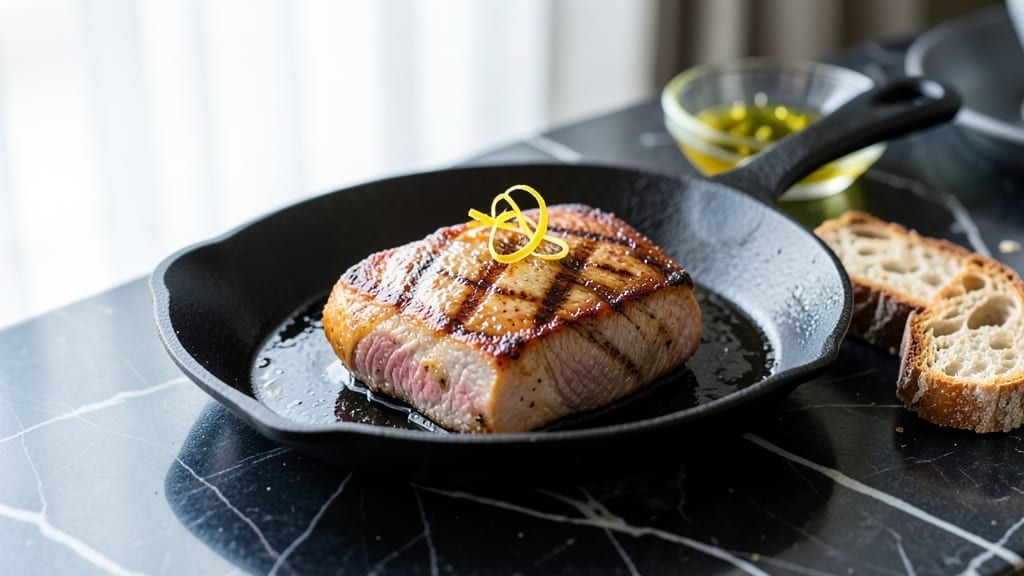
This pork tenderloin smoker recipe transforms weeknight dinners into showstopping centerpieces with smoky depth and crispy bark—the kind of dish that makes guests ask for seconds before dessert.
I perfected this recipe after years of experimenting with wood choices and smoking times, and the results speak for themselves: tender, juicy meat with a perfect crust that holds up to slicing.
The secret lies in balancing low-and-slow cooking with precise temperature control, ensuring every bite delivers that ideal harmony of smokiness and tenderness.
This method works beautifully with either applewood or hickory, giving you flexibility for different flavor profiles without compromising texture. The key steps—proper trimming, a simple dry rub, and careful temperature management—make it approachable even for beginner smokers.
What sets this apart is the reverse sear technique, which guarantees a juicy interior while developing that coveted crispy exterior. Once you try it, you’ll never buy pre-packaged smoked pork again.
By the time you serve this, your kitchen will smell like a Pacific Northwest BBQ joint, and your table will be set for a meal that’s both impressive and foolproof. The tenderloin slices beautifully for sandwiches, tacos, or elegant plating, while the smoky aroma lingers long after the last bite.
Whether you’re hosting a dinner party or simply craving restaurant-quality smoked meat at home, this recipe delivers every time.
Pair it with roasted potatoes, a tangy coleslaw, or a drizzle of homemade glaze for the full experience. Let’s get smoking—your taste buds will thank you.
Ingredients for pork tenderloin smoker
Smoky, juicy pork tenderloin with crispy bark—just a few ingredients and patience.
| Ingredient | Amount | Notes |
|---|---|---|
| Pork Tenderloin 🐷 | 3 lb | Trimmed of silver skin |
| Coarse Kosher Salt 🧂 | 2 tbsp | Diamond Crystal preferred |
| Freshly Ground Black Pepper 🌶️ | 1 tbsp | For dry rub seasoning |
| Granulated Garlic Powder 🧄 | 1 tsp | For rub consistency |
| Applewood Pellets 🌳 | 2 lb | Or hickory for stronger smoke |
| Butter 🧈 | ¼ cup | Unsalted, for reverse sear |
| Apple Cider Vinegar 🍎 | 2 tbsp | For basting during smoking |
| Brown Sugar 🍚 | 1 tbsp | Light or dark, optional glaze |
| Panko Breadcrumbs 🍞 | ½ cup | For extra crispy bark |
| Olive Oil 🫒 | 1 tbsp | Extra-virgin for coating |
| Wood Chips 🌳 | 1 cup | Applewood for consistent smoke |
| Butterfly Pepper 🌶️ | 1 tsp | Optional heat accent |
[recipe_ingredient_scaler]
The tenderloin is your star, so choose a well-marbled cut—look for bright red color and minimal fat streaks. I always buy from Whole Foods or local butcher shops for quality, but the grocery store pre-trimmed version works fine if you’re short on time. Applewood pellets give a subtle sweetness that pairs perfectly with the pork, while hickory delivers a bolder, more traditional BBQ flavor. Pro tip: Soak wood chips in water for 30 minutes before using—they’ll smoke longer and more evenly. The butter used in the reverse sear? Unsalted only—salted can make the crust too salty.
No applewood pellets? Chopped apple wood planks from the grocery store’s smoked wood section work in a pinch—just soak them first. Short on time for trimming? Ask your butcher to do it—they’ll save you 10 minutes and ensure even cooking. Want extra bark? Double the panko and brush with olive oil before the final sear. The brown sugar is optional but adds a caramelized finish—packaged brown sugar from the grocery store is fine, but muscovado for deeper molasses notes. If you’re avoiding vinegar, beef broth with a splash of Worcestershire works great for basting.
This keeps beautifully for 4 days in the fridge, wrapped tightly in foil. For the best texture, reheat in a 300°F oven with a splash of water in the pan. Freezes up to 3 months—slice before freezing to save time later. The wood chips? Store in an airtight container away from direct sunlight. I portion mine into small bags for future smokes—no more digging through a big bag when you’re ready to cook. The key to success is patience: don’t rush the smoking process—the bark needs time to develop.
Why You’ll Love This Recipe
- No-Fuss Smoking: Honestly, this is one of those recipes where you’re not spending hours in the kitchen—just 1 hour of smoking, a quick basting, and a 2-minute sear. The dry rub only takes 30 seconds to mix, and the rest is hands-off while the smoker does the work. I’ve got kids who’ll eat whatever’s on the table, and this? They’ll devour it without complaint.
- Smoky-Sweet Perfection: The applewood pellets and that first brush of melted butter with apple cider vinegar? It’s like a flavor hug for your taste buds. The garlic powder gives it depth, and the crispy panko bark? Chef’s kiss. I’ll be real: the contrast between the smoky exterior and the tender, juicy inside is what makes this my secret weapon for impressing guests—even when I’m just feeding my family.
- Leftovers That Shine: This recipe makes enough for three meals, and honestly, it tastes even better the next day. Wrapped tightly in foil, it keeps for 4 days in the fridge, and I’ll slice it up for sandwiches, tacos, or just cold slices with a side of pickles. My daughter picks out the butterfly pepper when I make it, but she still asks for seconds—proof that leftovers don’t have to be boring.
- Budget-Friendly Feast: For under $15, you’re feeding a crowd with this pork tenderloin. The applewood pellets and wood chips might seem like extra, but they’re worth it for that smoky aroma. And because pork tenderloin is lean but flavorful, a little goes a long way. I’ve made this on a Tuesday night when I’m watching every penny, and it still feels like a treat. Plus, the panko and brown sugar topping? A dollar’s worth of ingredients that make all the difference.
Step-by-step instructions for smoked pork tenderloin
Here’s how to transform a simple pork tenderloin into smoky, juicy perfection with a crispy bark.
Prepare the Dry Rub and Season the Pork
In a small bowl, combine the 2 tablespoons coarse kosher salt, 1 tablespoon freshly ground black pepper, and 1 teaspoon granulated garlic powder. Mix thoroughly until evenly distributed—this is your dry rub. Pat the 3 lb pork tenderloin dry with paper towels, removing any silver skin, as it can prevent even cooking. Generously coat the pork with the dry rub, pressing it into the surface so it adheres well. For extra flavor, sprinkle 1 teaspoon butterfly pepper over the rub and gently press it in.
Place the seasoned pork on a wire rack set over a baking sheet to allow air circulation on all sides. Refrigerate uncovered for 1 hour to allow the rub to penetrate and the surface to dry slightly—this ensures a better bark during smoking. The pork should feel dry to the touch but not sticky.
Set Up the Smoker and Smoke the Pork
Fill your smoker with 2 lb applewood pellets and add 1 cup wood chips for consistent smoke flavor. Preheat the smoker to 225°F and let it stabilize for 15-20 minutes until you see clean, thin smoke (not thick white steam). Once ready, place the pork tenderloin directly on the smoker grates, away from direct heat sources to prevent flare-ups.
Smoke the pork for 1 hour, then brush it with a mixture of melted ¼ cup butter and 2 tablespoons apple cider vinegar to enhance moisture and flavor. Continue smoking for another 1-2 hours, or until the internal temperature reaches 145°F for medium doneness. The exterior should develop a deep mahogany color with a crispy bark, but avoid over-smoking to prevent dryness.
Reverse Sear for Crispy Bark and Juicy Interior
Remove the pork from the smoker and let it rest for 10 minutes before proceeding. Heat a cast-iron skillet over high heat and add 1 tablespoon olive oil. Once the oil shimmers, place the pork in the skillet and sear for 1-2 minutes per side until the bark is deeply browned and crispy. This reverse sear locks in juices while creating the perfect texture contrast.
While the pork rests for another 10 minutes, mix ½ cup panko breadcrumbs with 1 tablespoon brown sugar in a small bowl. Brush the seared pork lightly with the breadcrumb mixture to add extra crunch. Serve immediately, slicing into ½-inch thick pieces against the grain for maximum tenderness.
Pro Tips For Making Pork Tenderloin Smoker
- Prep the Rub Early: Mix your dry rub of 2 tbsp coarse kosher salt, 1 tbsp black pepper, and 1 tsp garlic powder while the pork rests—this gives the seasoning time to cling properly. I used to slap it on right before smoking, and the bark never stuck as well.
- Check Smoke Color: Wait until you see clean, thin smoke (not thick white steam) before adding the pork—this means your 2 lb applewood pellets and 1 cup wood chips are ready for consistent flavor. I learned this the hard way when I rushed it and ended up with uneven smoke rings.
- Don’t Rush the Rest: Let the pork rest 10 minutes after smoking and another 10 minutes after searing—this keeps all the juices from rushing out when you slice. Skipping this step means dry, stringy meat, no matter how perfect the smoke was.
- Butter and Vinegar Matter: Brush the pork with melted ¼ cup butter and 2 tbsp apple cider vinegar after the first hour of smoking—this basting adds moisture and cuts through the richness. I used to skip it, and the bark stayed tough and dry.
Common mistakes when making this recipe
Skipping the Dry Rub Rest
I’ve made this mistake twice, and both times the bark was limp instead of crispy. Skipping the 1-hour refrigerated rest after applying the dry rub means the seasoning doesn’t adhere properly, and the surface stays moist.
This prevents the Maillard reaction—the chemical process that creates that perfect bark—from happening effectively. Trust me, that hour in the fridge is non-negotiable for texture. 🔥
Overloading the Smoker
Stuffing your smoker with too much wood at once creates thick, white steam instead of clean, thin smoke. With 2 lb applewood pellets and 1 cup wood chips, you’ve got the right amount for a 3 lb pork tenderloin.
If you add more, you’ll flood the smoker with moisture, leading to soggy bark. I once doubled the wood chips by accident—my pork ended up tasting more like a campfire than a gourmet meal.
Ignoring the Stall Phase
The 145°F internal temperature mark is where pork tends to stall—temperature rises slowly as moisture evaporates. If you rush past this point, you risk drying out the meat.
I’ve learned to be patient: after the initial hour of smoking, I let it cook another 1-2 hours until the temp consistently rises. A meat thermometer is your best friend here—no guessing!
Skipping the Rest Period
Cutting into the pork immediately after removing it from the smoker is a rookie move. That 10-minute rest before the reverse sear lets the juices redistribute, ensuring every slice is moist.
I once sliced too soon and ended up with dry, stringy meat. Pro tip: Tent it loosely with foil while it rests to keep it warm but not steamed.
Using the Wrong Wood
While applewood and hickory are both great choices, mixing them without intention can muddle the flavor. Stick to one type for consistency—applewood gives a subtle sweetness, while hickory delivers a bolder, more traditional BBQ taste.
I once experimented with a mix and ended up with a flavor that tasted like neither. When in doubt, stick to what works!
Nutrition facts
Frequently asked questions
Why does the recipe call for refrigerating the pork after seasoning?
Refrigerating the seasoned pork for 1 hour lets the dry rub cling properly and dries the surface slightly—this creates that perfect crispy bark when smoking. Without this step, the seasoning won’t adhere well, and the bark will stay limp instead of crispy.
Can I use a different wood type besides applewood or hickory?
Yes! While applewood and hickory are ideal, you can experiment with cherry or pecan for a sweeter profile. Just avoid strong woods like mesquite, which can overpower the pork’s natural flavor. Stick to one type for consistency—mixing woods can muddle the taste.
What if my smoker doesn’t reach 225°F?
If your smoker runs cooler, adjust by adding applewood pellets gradually or using a higher heat setting. Just monitor the temperature closely—aim for 225°F to ensure even cooking without drying out the meat. A reliable meat thermometer is your best tool here.
How do I tell when the pork is done without cutting into it?
Use a meat thermometer to check the thickest part of the tenderloin—it should reach 145°F for medium doneness. The exterior will look deep mahogany with a crispy bark, but don’t rely on color alone; temperature is the most accurate method.
Can I make this recipe ahead of time?
The pork keeps well for 4 days in the fridge, wrapped tightly in foil. For reheating, place it in a 300°F oven with a splash of water in the pan to restore moisture. It also freezes beautifully for up to 3 months—just slice before freezing to save time later.

Trained in classic French technique but raised on slow-cooked ribs and spicy rubs, she blends culinary skill with smoke and soul.
- Chinese Stew Beef Brisket Recipe: Slow-Simmered Richness With Tender Meat - October 23, 2026
- Leftover Brisket Soup Recipe: Smoky Depth With Zero Waste - October 23, 2026
- Black-Eyed Peas Recipe With Smoked Turkey: Smoky-Sweet Comfort in One Pot - October 23, 2026