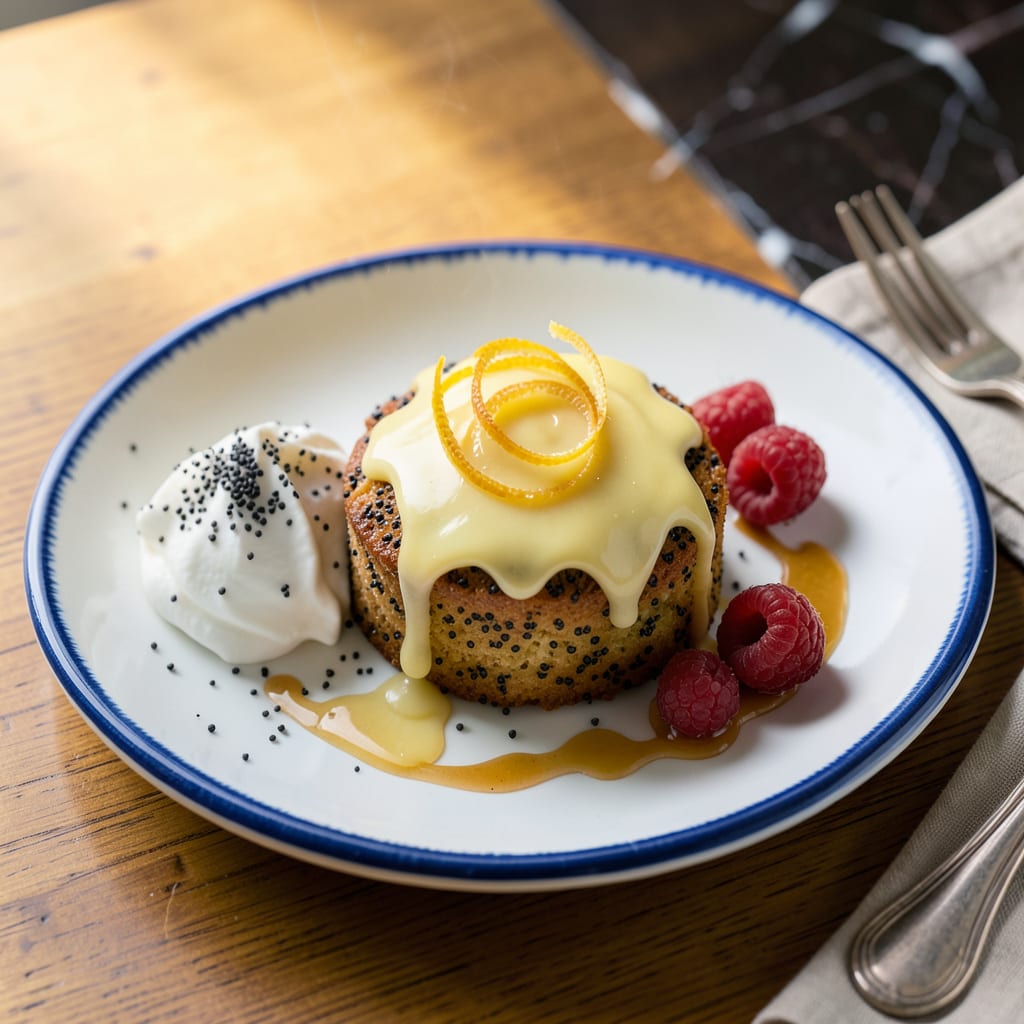
Poppy seeds deliver a delicate balance of nutty richness with subtle earthy sweetness, often compared to almonds or hazelnuts but milder. Their tiny crunch adds textural contrast to both sweet and savory dishes.
I’ve always been fascinated by how these tiny seeds pack such complex flavor. The nutty undertones come from their high oil content, while the earthy notes develop from natural compounds that intensify when toasted. 🔥 What makes them special is their versatility – they enhance lemony desserts without overpowering, yet stand up to bold spices in savory dishes. Their mildness actually works to their advantage, allowing them to complement rather than compete with other ingredients.
💡 In This Article
- Breaking Down Poppy Seed Flavor Chemistry
- Best Culinary Uses for Poppy Seed Flavor
Breaking Down Poppy Seed Flavor Chemistry
The nutty richness in poppy seeds comes from their impressive 45-50% oil content, primarily composed of linoleic acid. These oils oxidize when exposed to air, creating compounds that our taste buds perceive as toasty, buttery notes.
🔥 The process is similar to how walnuts develop their characteristic flavor, though poppy seeds remain much milder due to their smaller size and different fatty acid profile.
Earthy undertones originate from pyrazine compounds naturally present in the seeds. When heated, these compounds transform through the Maillard reaction, deepening the flavor complexity. Roasting at 325-350°F for 5-8 minutes intensifies these notes while preserving the delicate balance.
Unlike sesame seeds that become aggressively nutty when toasted, poppy seeds maintain their subtle sweetness even after roasting.
What sets poppy seeds apart is their unique combination of 0.5-1mm size and 20-25% protein content. This creates a textural experience where you get both crunch and creaminess in each bite. The protein structure breaks down differently than in larger seeds, releasing flavor compounds more gradually as you chew.
This slow release is why poppy seed flavor lingers pleasantly rather than hitting you all at once.
The mild sweetness comes from trace amounts of natural sugars (1-2%) combined with aromatic aldehydes. These compounds are volatile and evaporate quickly when heated, which explains why poppy seeds taste sweeter raw than cooked. For comparison, almonds contain about 21% carbohydrates (mostly sugars), making their sweetness more pronounced and immediate.
Temperature plays a crucial role in flavor development. Below 250°F, you preserve the delicate floral notes. Between 300-350°F, the nutty qualities emerge. Above 375°F, bitter compounds can form. This temperature sensitivity makes poppy seeds particularly responsive to different cooking methods, from gentle folding into batters to quick toasting in a dry pan. ✨
Unlike chia or flax seeds that become gelatinous when wet, poppy seeds maintain their distinct texture while absorbing just enough moisture to soften slightly. This property makes them ideal for both dry rubs and wet batters.
Their ability to suspend in liquids without sinking (due to their oil content) also contributes to even flavor distribution in baked goods.
The flavor chemistry changes dramatically when ground. Whole seeds release their oils slowly, while ground poppy seeds oxidize more quickly, developing deeper, almost cocoa-like notes within 24-48 hours. This is why many Central European recipes call for freshly ground poppy seeds – to capture that fleeting moment of peak flavor complexity. 💫

Trained in classic French technique but raised on slow-cooked ribs and spicy rubs, she blends culinary skill with smoke and soul.
- Recipe for Boneless Pork Chops in Cast Iron Skillet: Sear and Baste to Juicy Perfection - October 3, 2026
- Recipe for Boneless Cross Rib Roast: Slow-Roasted Beef with Herb Crust - October 3, 2026
- Hamburgers in Sauce Recipe Crock Pot: Slow-Cooked Savory Delight - October 3, 2026