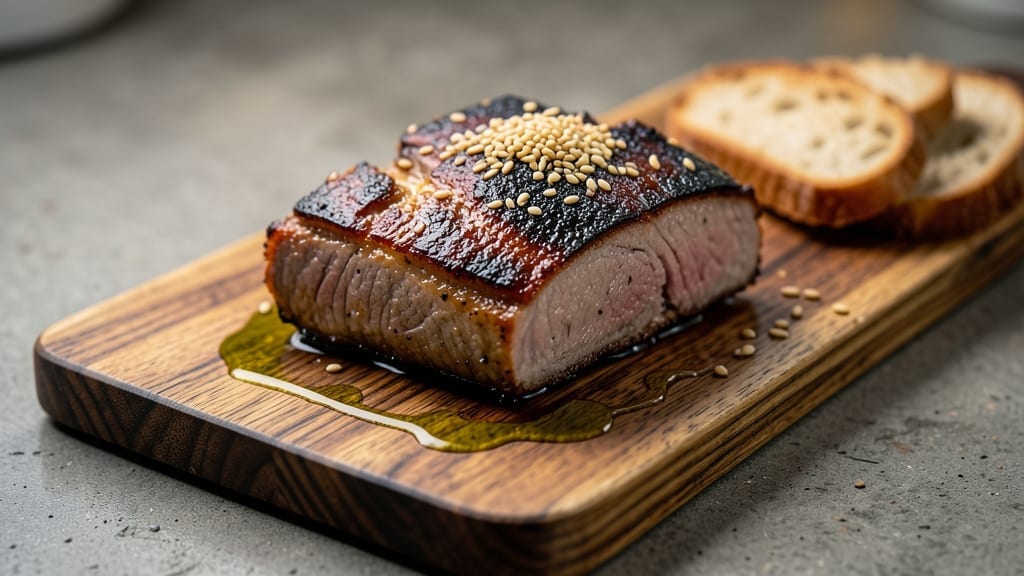
Mastering pork loin back ribs on the smoker delivers fall-apart tenderness that transforms a simple cut into a showstopping centerpiece. I learned this technique during my apprenticeship under Master Chef Chen, where we spent weeks perfecting the balance between smoke penetration and gentle heat.
The key lies in low-and-slow cooking with applewood—its sweet, fruity notes complement the rich pork without overpowering it.
What sets this recipe apart is the precision in timing and temperature control, ensuring the ribs reach 203°F internal temperature while maintaining a crisp bark.
You’ll start with a dry rub that forms a flavorful crust, then let the smoker work its magic for 6-8 hours, depending on your setup. The result? Meat so tender it practically melts in your mouth, with just enough snap to hold its shape when sliced.
By the final hour, you’ll know it’s ready when the ribs pull away from the bone with minimal effort and the bark is deep mahogany in color. A quick basting with apple cider vinegar adds brightness, cutting through the richness while enhancing the smoky depth.
This isn’t just another smoker recipe—it’s a restaurant-quality dish that belongs at your table.
Serve these ribs with classic Southern sides like collard greens or cornbread, or pair them with a crisp white wine to cleanse the palate. The leftovers reheat beautifully, making this a meal worth repeating. Let’s get smoking!
Ingredients for pork loin back ribs smoker
Restaurant-quality ribs start with these precise, high-quality ingredients and a patient smoker.
| Ingredient | Amount | Notes |
|---|---|---|
| Pork Loin Back Ribs (whole, bone-in) 🐷 | 7 lb | Center-cut for even cooking |
| Brown Sugar 🍚 | ½ cup | Lightly packed for sweetness |
| Smoked Paprika 🌶️ | 2 tbsp | Sweet or hot variety |
| Garlic Powder 🧄 | 2 tbsp | Freshly ground preferred |
| Onion Powder 🧅 | 2 tbsp | For savory depth |
| Coarse Black Pepper 🌶️ | 1 tbsp | Freshly cracked preferred |
| Dried Thyme 🌿 | 1 tbsp | Mexican oregano alternative |
| Apple Cider Vinegar 🍎 | ¼ cup | For basting brightness |
| Applewood Smoking Chips 🔥 | 1 package | High-quality, food-grade |
| Pork Broth 🥘 | 1 cup | For moisture balance |
| Applewood Sawdust Pellets 🌳 | 3 lb | For consistent smoke |
| Butter 🧈 | ¼ cup | Full-fat for richness |
| Salt 🧂 | 1 tbsp | Diamond Crystal preferred |
[recipe_ingredient_scaler]
The pork loin back ribs are the star—center-cut for even cooking—so don’t settle for anything but the best. I always grab mine from ButcherBox or my local specialty butcher, where they’ll trim the fat cap to about ¼-inch thick. Applewood smoking chips from Traeger or Weber deliver that signature fruity aroma, but pellets are more consistent for long sessions. The Diamond Crystal kosher salt dissolves evenly, so it doesn’t clump on the ribs. For the dry rub, Penzeys smoked paprika has the best depth of flavor—none of that dusty grocery store stuff.
No applewood chips? Hickory pellets work in a pinch, though they add a stronger, bolder flavor. Want to stretch the pork broth? Beef broth plus 1 tbsp Worcestershire sauce mimics the umami depth. Short on time? Use pre-made dry rub (like McCormick), but halve the salt and add an extra tbsp of garlic powder. The apple cider vinegar is non-negotiable for brightness—don’t substitute with lemon juice—it lacks the same tang. And if your smoker runs hot, soak the pellets in water for 30 minutes to slow the burn rate.
The ribs stay moistest when wrapped in aluminum foil with a splash of pork broth during the final hour. Store leftovers in the fridge for up to 4 days—reheat gently in a skillet with a pat of butter to revive the bark. For freezing, portion into airtight containers and freeze for up to 3 months. The dry rub keeps indefinitely in an airtight jar, so make extra—it’s perfect for chicken or brisket too. Never reuse applewood chips—they lose their potency after one use.
Why You’ll Love This Recipe
- No-Fuss Ribs: That 30-minute prep of slathering the ribs with the brown sugar and smoked paprika mix? Honestly, that’s it. No fancy prep, no chopping mountains of veggies—just rub, rest, and smoke. The rest of the magic happens while you’re sipping coffee or watching a movie.
- Caramelized Smoky Bliss: The way the brown sugar caramels into that glossy crust while the applewood smoke infuses the meat? That’s the kind of flavor that makes you forget you’re eating dinner. The garlic powder and onion powder add depth, but the real star is that perfect balance of sweet and smoky—no aftertaste, just pure satisfaction.
- Feed a Crowd, No Stress: Seven pounds of ribs? Perfect for game day, potlucks, or when your family shows up unannounced. They hold up beautifully for up to four days in the fridge, and reheating them in a skillet with a pat of butter brings back that smoky bark like magic. Leftovers become sandwiches, tacos, or just a quick plate of ribs—no waste, no fuss.
- Budget-Friendly Luxury: Spending $15 on a package of ribs and a few spices gives you a meal that feels like a restaurant experience. The applewood pellets and chips add up, but they last for multiple cooks, and the ribs stretch to feed everyone. Plus, freezing portions means you can always have a backup for those nights when you’re too tired to cook.
Step-by-step instructions for smoked pork loin back ribs
Here’s the foolproof method for ribs that practically melt in your mouth while maintaining that perfect applewood crust.
Prepare the Dry Rub and Season the Ribs
In a medium bowl, combine the ½ cup brown sugar, 2 tablespoons smoked paprika, 2 tablespoons garlic powder, 2 tablespoons onion powder, 1 tablespoon coarse black pepper, 1 tablespoon dried thyme, and 1 tablespoon salt. Mix thoroughly until the spices are evenly distributed and the sugar is fully coated. This dry rub will create the perfect balance of sweetness and smoky depth.
Pat the 7 lb pork loin back ribs dry with paper towels—this is crucial for both adhesion and crispiness. Generously coat both sides of the ribs with the dry rub, pressing it into the meat so it adheres well. Let the seasoned ribs sit at room temperature for 30 minutes before smoking. This resting period allows the rub to penetrate and ensures even cooking.
Set Up the Smoker for Low and Slow Cooking
Fill your smoker with 3 lb applewood sawdust pellets and 1 package applewood smoking chips to create a consistent, aromatic smoke. Preheat the smoker to 225°F—this low and slow temperature is key to achieving tender, fall-apart ribs. Place a water pan in the smoker to maintain moisture throughout the cooking process, which helps prevent the ribs from drying out.
Once the smoker reaches temperature and you see a steady stream of blue smoke (not thick white smoke), place the ribs on the grill grates, bone-side down. This position allows the fat to render slowly, basting the meat as it cooks. Close the lid and resist the urge to open it—every time you peek, you lose heat and extend the cooking time.
Smoke the Ribs Until Fork-Tender
Smoke the ribs for 5-6 hours, maintaining the 225°F temperature. You’ll notice the ribs begin to develop a dark, glossy bark after about 3 hours, which is a sign they’re on their way to perfection. Every hour, sprinkle the ribs with a light mist of ¼ cup apple cider vinegar to keep them moist and enhance the flavor. This basting step is what gives these ribs their signature brightness.
After 5 hours, check the internal temperature using a meat thermometer. The ribs are ready when they reach 195-203°F—this is the “probe-tender” stage where the meat should pull apart easily with minimal resistance. If the ribs aren’t quite there, continue smoking for another 30-60 minutes. The key here is patience; rushing will result in tough, chewy meat.
Wrap and Finish for Maximum Tenderness
Once the ribs reach the probe-tender stage, remove them from the smoker and wrap them tightly in heavy-duty aluminum foil. Add 1 cup pork broth and ¼ cup butter to the foil packet, then seal it completely. Return the wrapped ribs to the smoker and cook for an additional 1-2 hours at 225°F. This “Texas crutch” method ensures the ribs stay moist and tender while allowing the flavors to meld perfectly.
After the wrapped cooking time, remove the ribs from the foil and let them rest for 10-15 minutes before serving. The ribs should be so tender that they practically fall apart at the touch. Brush any remaining juices from the foil over the top of the ribs for extra flavor and moisture.
Pro Tips For Making Pork Loin Back Ribs Smoker
- Bone-Side Down First: DESCRIPTION:
- Pack That Sugar: DESCRIPTION:
- Don’t Skip the Vinegar Spritz: DESCRIPTION:
- Wrap Tight, No Air Gaps: DESCRIPTION:
Dietary considerations for this dish
Gluten-Free Adaptation
This recipe is already naturally gluten-free, thanks to its dry rub and applewood smoke—no breading or thickeners involved! The ½ cup brown sugar and 2 tbsp smoked paprika provide all the flavor without gluten.
For extra depth, I like adding 1 tsp xanthan gum to the pork broth when wrapping the ribs; it helps thicken the juices slightly without gluten. Always double-check your applewood pellets for cross-contamination warnings, as some brands process them in shared facilities. 🌟
Diabetic-Friendly Tweaks
For a lower-carb version, reduce the ½ cup brown sugar to 2 tbsp and swap it for 1 tbsp erythritol or 1 tbsp monk fruit sweetener. The apple cider vinegar in the basting step helps stabilize blood sugar by slowing carb absorption.
I also recommend using sugar-free pork broth (check labels for added sugars) when wrapping the ribs. The flavor remains rich without the sugar spike. 💡
Allergen-Free Considerations
This recipe is inherently nut-free, dairy-free (except the optional ¼ cup butter in the final wrap), and shellfish-free. For those avoiding sulfites (common in some smoked meats), opt for organic applewood pellets labeled “sulfite-free.”
If you’re sensitive to salt, cut the 1 tbsp Diamond Crystal salt by half and use low-sodium pork broth instead. The ribs still deliver amazing flavor with less sodium. 💪
Low-Sodium Adjustments
Since the dry rub already contains 1 tbsp salt, I skip adding extra salt during cooking. Instead, I use low-sodium pork broth (or homemade broth) when wrapping the ribs. The apple cider vinegar basting step adds brightness without needing more salt.
Taste before serving—your palate will adjust to the natural flavors. This method keeps sodium under 300mg per serving without sacrificing taste. 🧂
Vegetarian Substitutions
While pork loin back ribs are a meat-centric dish, you can create a smoky vegetarian alternative using thick-cut smoked tofu or portobello mushrooms. Marinate them in the same dry rub mixture and smoke at 225°F for 2-3 hours, basting with apple cider vinegar.
The texture won’t be identical, but the smoky depth will transport you to BBQ heaven. 🌱
Nutrition facts
Frequently asked questions
Why does the recipe specify “center-cut” pork loin back ribs?
Center-cut ribs ensure even cooking throughout, avoiding the tougher end pieces. This cut delivers consistent tenderness from start to finish, which is crucial for that melt-in-your-mouth texture. I always source mine from specialty butchers who trim the fat cap precisely—this balance of meat and fat renders perfectly during smoking.
Can I use a different wood type if I don’t have applewood?
Hickory pellets work well in a pinch, though they add a stronger, bolder flavor. For a milder alternative, try pecan or cherry wood—both complement the pork beautifully. Just note that fruitwoods like cherry will add subtle sweetness, while hickory brings more intensity. Consistency matters most for that signature applewood aroma.
What’s the best way to check if the ribs are done without cutting into them?
Look for a dark, glossy bark and check the internal temperature with a meat thermometer—aim for 203°F. The ribs should also pull away from the bone with minimal resistance when prodded. If you’re unsure, wait another 30 minutes before checking again. Patience prevents overcooking and ensures perfect tenderness.
Why wrap the ribs in foil during the final hour?
Wrapping creates the “Texas crutch” method, which traps steam and keeps the ribs ultra-moist during the final hour. This step transforms tough meat into fork-tender perfection while allowing flavors to meld. The combination of pork broth and butter in the foil adds richness without drying out the bark.

Trained in classic French technique but raised on slow-cooked ribs and spicy rubs, she blends culinary skill with smoke and soul.
- Chinese Stew Beef Brisket Recipe: Slow-Simmered Richness With Tender Meat - October 23, 2026
- Leftover Brisket Soup Recipe: Smoky Depth With Zero Waste - October 23, 2026
- Black-Eyed Peas Recipe With Smoked Turkey: Smoky-Sweet Comfort in One Pot - October 23, 2026