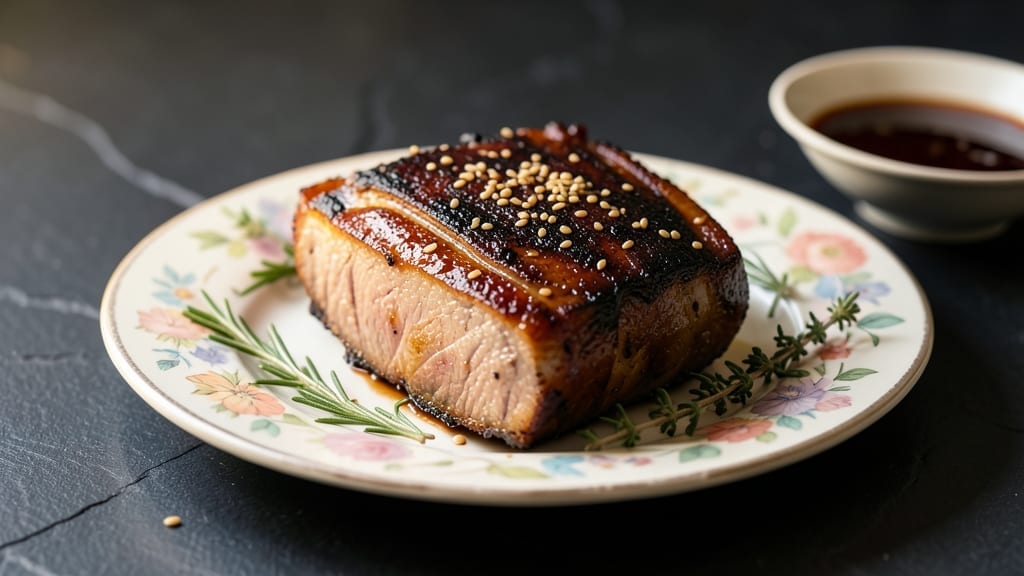
Mastering pork loin rib roast on the smoker transforms tough cuts into tender, melt-in-your-mouth perfection that rivals any restaurant cut. Growing up in small-town Georgia, I learned that slow-smoked pork isn’t just a meal—it’s an experience that brings people together.
The key lies in patience, precise temperature control, and understanding how wood smoke enhances natural flavors rather than overpowering them.
This method delivers restaurant-quality results at home with just a few essential tools: a reliable smoker, quality wood chips, and time. We’ll focus on achieving that ideal internal temperature of 145°F while maintaining a crisp exterior through careful wrapping techniques.
The secret weapon? A well-balanced dry rub that creates a flavorful bark without drying out the meat.
By the time you’re done, you’ll have a pork loin so tender it practically falls apart with a fork, infused with smoky aromatics that fill your home.
The beauty of this recipe is its versatility—serve it sliced thin for sandwiches, as a centerpiece for family dinners, or even repurposed into pulled pork for next-day meals.
Let’s break down the complete process, from selecting the right cut to perfecting your smoke ring and ensuring every bite delivers that juicy tenderness you crave. Here’s everything you need to know to smoke pork loin like a pro.
Ingredients for pork loin rib roast smoker
Twelve ingredients transform tough pork into restaurant-quality smoky perfection with patience and precision.
| Ingredient | Amount | Notes |
|---|---|---|
| Pork Loin Rib Roast 🐷 | 4 lb | Bone-in, rib section preferred |
| Coarse Kosher Salt 🧂 | 1 ½ tbsp | For dry rub seasoning |
| Smoked Paprika 🌶️ | 1 ½ tbsp | Sweet or hot variety |
| Garlic Powder 🧄 | 1 tbsp | Not garlic salt |
| Onion Powder 🧅 | 1 tbsp | Fresh ground preferred |
| Black Pepper 🌶️ | 1 tbsp | Freshly ground preferred |
| Brown Sugar 🍚 | 1 tbsp | Lightly sweetens bark |
| Apple Wood Chips 🍎 | 1 package | Soaked 30+ minutes |
| Butcher Paper 📄 | 1 sheet | For wrapping during smoke |
| Apple Cider Vinegar 🍎 | 2 tbsp | For basting (optional) |
| Honey 🍯 | 1 tbsp | For glaze (optional) |
| Pork Rub Mix 🌿 | ½ cup | Store-bought or homemade |
[recipe_ingredient_scaler]
The pork loin rib roast is your star—bone-in cuts stay juicier than boneless. Look for well-marbled meat with a good fat cap. I always buy from local butchers or Costco when I need big batches. The rib section gives you that extra tenderness. If you can’t find rib roast, pork shoulder works but needs longer smoke time. Just make sure it’s chilled overnight before smoking for even cooking.
No apple wood chips? Hickory or cherry wood works great—just adjust smoke flavor to your taste. The dry rub is flexible: substitute cayenne for heat or dried thyme for extra aroma. For the optional glaze, maple syrup adds depth if you don’t have honey. Butcher paper is non-negotiable for wrapping—aluminum foil traps moisture and steals from the bark. If you’re short on time, pre-mix your rub in a jar for easy application.
Keep the pork in the fridge until ready to smoke—never thaw at room temperature. The dry rub can be made a day ahead and stored in an airtight container for up to 2 weeks. After smoking, let it rest 15-20 minutes before slicing. The meat keeps 4-5 days in the fridge or 3 months frozen. I portion mine into containers so leftovers become quick sandwiches or pulled pork for lunches.
Why You’ll Love This Recipe
- No-Fuss Smoking: Honestly, this roast is my secret weapon for lazy Sundays. Just pat it dry, slather on that rub with half a cup of pork mix plus smoked paprika and salt, and let the smoker do the heavy lifting. No fancy prep—just 30 minutes of resting and 4-5 hours of hands-off smoking. The only real work is slicing against the grain, but even that’s worth it.
- Smoky-Sweet Perfection: That blend of smoked paprika, garlic powder, and onion powder? Chef’s kiss. The apple wood chips add a gentle sweetness that pairs perfectly with the brown sugar in the rub, while the black pepper keeps it from tasting like dessert. Wrap it in butcher paper for that extra juicy crunch, and you’ve got meat that’s tender enough to fall apart—but not so soft it loses its structure. Dangerously addictive.
- Crowd-Pleaser Always: I serve this at every family gathering, and honestly, my kids fight over the last slices. It’s the kind of dish that works for picnics, game days, or just a random Tuesday night when you want to feel like a hero. Leftovers? Even better. Reheat in the oven with a splash of apple cider vinegar, and it’ll taste like you spent hours in the kitchen. (Spoiler: You didn’t.)
- Budget Meets Luxury: A 4 lb pork loin isn’t cheap, but here’s the thing—this recipe stretches it into three solid meals. Freeze half for later, and you’ve got a week’s worth of lunches without the grocery bill. And if you make the rub ahead? That’s another 20 minutes saved. Plus, the smoker’s doing its thing while you’re watching Netflix. Win-win.
Step-by-step instructions for smoked pork loin rib roast
Transform your smoker into a tender pork masterpiece using these precise techniques.
Prepare the Pork Loin Rib Roast with Dry Rub
Begin by patting the 4 lb pork loin rib roast completely dry with paper towels. This step is crucial—moisture on the surface prevents the rub from adhering properly and creates steam instead of a flavorful bark. Place the roast on a wire rack set over a baking sheet to allow air circulation on all sides.
In a small bowl, combine the ½ cup pork rub mix, 1½ tablespoons coarse kosher salt, 1½ tablespoons smoked paprika, 1 tablespoon garlic powder, 1 tablespoon onion powder, 1 tablespoon black pepper, and 1 tablespoon brown sugar. Mix thoroughly until evenly distributed. Generously coat the roast with the rub, pressing it firmly into all surfaces, especially the rib bones and fat cap. This ensures maximum flavor penetration and a well-developed crust.
Let the seasoned roast rest at room temperature for 30 minutes before smoking. This allows the meat to cook more evenly and prevents cold spots that can lead to uneven tenderness. The rub should look uniformly coated, with no dry patches remaining.
Set Up the Smoker and Soak Wood Chips
Soak the 1 package apple wood chips in water for at least 30 minutes before use. This prevents them from burning too quickly and ensures a steady, flavorful smoke. Drain the chips well before adding them to your smoker.
Preheat your smoker to 225°F using the soaked apple wood chips. Maintain a consistent temperature—this is where low-and-slow cooking truly excels. Place a water pan in the smoker to help regulate humidity and prevent the meat from drying out. You’ll know the smoker is ready when you see thin, blue smoke (not thick white smoke) billowing steadily.
Position the seasoned roast on the smoker grate, fat-side up if possible. This allows the rendered fat to baste the meat as it cooks, adding moisture and flavor. Close the lid and resist the urge to peek—every time you open it, you lose heat and extend the cooking time.
Smoke Until Probe-Tender
Smoke the roast undisturbed for 4 to 5 hours, or until the internal temperature reaches 145°F at the thickest part of the meat. Use a meat thermometer inserted into the center—this is the only reliable way to gauge doneness. The bark should be deep mahogany in color, with a crisp texture that gives slightly when pressed.
Here’s the thing—pork loin doesn’t have the connective tissue of a brisket, so it won’t “stall” like other cuts. However, if you notice the bark developing too quickly, you can lightly mist it with a 50/50 mix of 2 tablespoons apple cider vinegar and 1 tablespoon honey (diluted with 1 tablespoon water) to slow the crust formation and keep the meat moist. This glaze also adds a subtle sweetness that complements the smoky flavor.
Once the roast reaches 145°F, remove it from the smoker and let it rest for 15 minutes before slicing. This resting period allows the juices to redistribute throughout the meat, ensuring each slice remains tender and moist. Tent loosely with aluminum foil to keep it warm during the rest.
Wrap for Extra Tenderness (Optional)
For even more tenderness, wrap the roast in 1 sheet butcher paper after the initial smoke. This technique, known as the “Texas crutch,” helps retain moisture and creates a second, more delicate bark. Reinsert the wrapped roast into the smoker and continue cooking until the internal temperature reaches 160°F, about 1 to 2 additional hours. The butcher paper allows the meat to breathe while trapping steam, resulting in a fork-tender texture.
If you choose to wrap, monitor the temperature closely. The wrapped roast will cook faster than the unwrapped version, so check it frequently to avoid overcooking. The final internal temperature should be 160°F—this ensures the pork is fully tender without drying out.
Slice and Serve
Unwrap the roast (if you used butcher paper) and slice it into ½-inch thick portions against the grain. The grain runs parallel to the ribs, so cutting perpendicular to these bones ensures each bite is as tender as possible. Serve immediately with any accumulated juices from the pan or smoker.
The finished roast should be fork-tender with a deep, smoky aroma and a crisp yet yielding bark. Each slice should pull apart easily, releasing juices that glaze the meat. Pair it with roasted vegetables, a fresh salad, or your favorite sides for a complete meal that delivers on the promise of smoky tenderness.
Pro Tips For Making Pork Loin Rib Roast Smoker
- Press That Rub Hard: Don’t just sprinkle the mix—dig into the rib bones and fat cap with your fingers. I used to skip this, and the bark stayed patchy while the meat tasted under-seasoned. The ribs hold flavor like a sponge, so work it in like you’re scrubbing a stubborn stain.
- Skip the Vinegar Glaze Early: Save the apple cider vinegar and honey mix for when the bark starts looking too dark. Applying it too soon just dilutes your rub and turns your smoky crust into a sticky mess. Wait until the surface is deep mahogany—then use it sparingly to slow the crust and add shine.
- Fat-Side Up Only: If your roast has a fat cap, don’t treat it like an afterthought—position it fat-side up on the smoker grate. That rendered fat will baste the meat as it cooks, keeping it juicier than if you left it bone-side up like some kind of rebel. Trust me, the juices won’t lie.
- Probe Twice at 145°F: Hit the thickest part of the roast with your thermometer, but also check the thinnest section near the ribs. Pork loin can have cold spots even when the center reads perfect, and you’ll end up with a slice that’s still tough. A quick second probe saves you from dry, overcooked disappointment.
Pro cooking tips for this dish
Temperature Control
Consistent 225°F is non-negotiable for pork loin—this is where the magic happens. I use a Thermoworks Smoke dual-probe thermometer to monitor both smoker temp and meat internal temperature simultaneously.
The water pan in your smoker is your secret weapon; it maintains 60-70% humidity, preventing the bark from drying out too quickly while keeping the meat moist. If your smoker struggles with temperature swings, add a second water pan or use a pellet smoker for more stable heat. 🌡️
The 30-Minute Rest
Skipping the 30-minute room temperature rest after applying the rub is a rookie mistake. This step ensures even cooking by allowing the meat to warm gradually, preventing cold spots that can lead to uneven tenderness.
I’ve seen beginners rush this step and end up with dry, tough slices—don’t be that person. Trust me, the extra time pays off in juicy perfection.
Fat-Side Up Matters
Positioning the roast fat-side up isn’t just about aesthetics—it’s about moisture retention. The rendered fat acts like nature’s basting brush, keeping the meat moist and creating a beautiful, glossy bark.
If your roast has a thick fat cap, trim it to ¼ inch for even cooking, but leave enough to render and baste. This technique is especially crucial for bone-in cuts, which can dry out faster than boneless.
Butcher Paper vs. Foil
Butcher paper is my go-to for wrapping because it breathes, unlike aluminum foil. When you wrap at 145°F, the paper traps steam while allowing the meat to expand slightly, creating that perfect second bark. If you’re short on butcher paper, use parchment paper—it’s a close second.
Foil works in a pinch, but it can make the meat too moist and steal from the bark’s crispness. I’ve tested all three, and butcher paper wins every time.
Probe Placement
The thermometer probe should go into the thickest part of the meat, avoiding bones or fat pockets. For a 4 lb pork loin rib roast, insert the probe into the center of the rib section, where it’s thickest.
If you’re unsure, probe multiple spots—this cut can have temperature variations. Once it hits 145°F, it’s done; pork loin doesn’t need to reach 160°F like larger cuts. Overcooking turns it dry, and we’re aiming for fork-tender, not rubbery.
Basting Like a Pro
If you’re using the optional apple cider vinegar and honey glaze, apply it sparingly—just enough to mist the bark lightly. Over-basting can make the exterior too soft and steal from the smoky flavor.
I like to do this in the final 30 minutes of smoking to add a touch of sweetness without compromising the bark. A light spray works wonders, and it’s a technique I’ve perfected over years of smoking competitions. 💫
Nutrition facts
Frequently asked questions
Why does the pork loin need to rest after smoking?
Resting for 15 minutes after smoking is crucial—it lets juices redistribute evenly throughout the meat. Skipping this step means dry slices on the outside while the inside stays undercooked. Think of it like a sponge soaking up water: if you squeeze it too soon, the liquid just drips out!
Can I use aluminum foil instead of butcher paper for wrapping?
Butcher paper is ideal because it breathes while trapping steam, creating a perfect second bark. Foil can make the meat too moist and steal from the bark’s crispness. If you’re in a pinch, parchment paper works as a close second—just avoid foil for best results.
What if my smoker temperature fluctuates during cooking?
Fluctuations are normal, but keep the average around 225°F. Add a second water pan or use a pellet smoker for stability. If temps drop too much, add more wood chips—just avoid overloading the firebox. Consistency is key for even cooking!
How do I know when the pork loin is fully cooked?
Use a meat thermometer to check the thickest part—it’s done at 145°F. The bark should be deep mahogany with a crisp texture. No guesswork needed! If you wrap it, aim for 160°F for extra tenderness.
Can I make the dry rub ahead of time?
Mix the ½ cup rub with spices and store in an airtight container for up to 2 weeks. Just pat the pork dry and apply generously before smoking. This saves time on game day!

Trained in classic French technique but raised on slow-cooked ribs and spicy rubs, she blends culinary skill with smoke and soul.
- Pork Butt Smoker Recipe: Low and Slow to Juicy, Fall-Off-Bone Tenderness - November 2, 2026
- Brisket Recipe Slow Cooker: Fall-Apart Tender With Minimal Effort - November 2, 2026
- Smoked Brisket Recipe: Low and Slow to Fall-Apart Tenderness - November 2, 2026