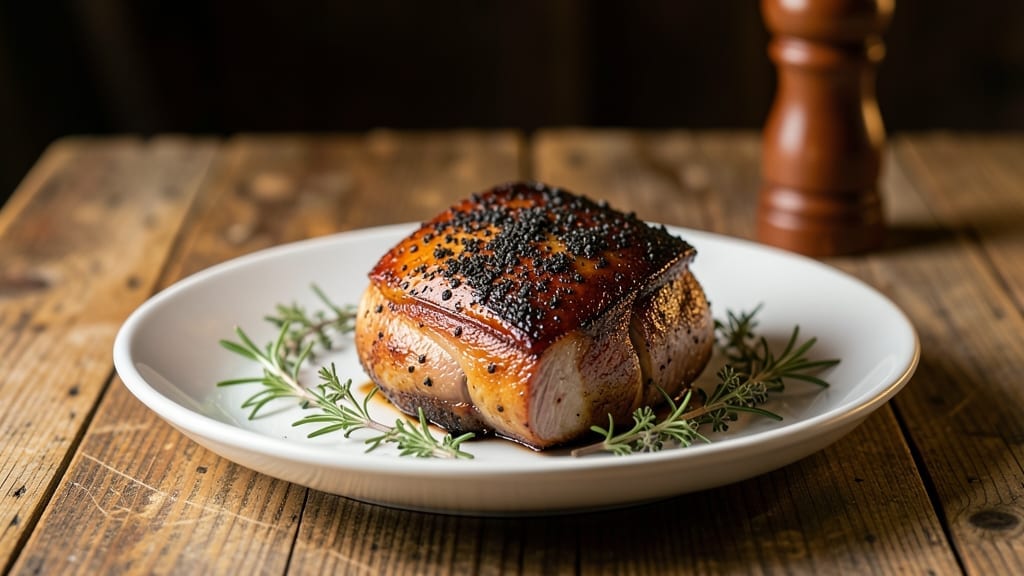
This pork shoulder pellet smoker recipe turns tough cuts into tender, smoky goodness with just a few simple steps on your grill. Growing up in Georgia, I learned that patience and low heat are the secrets to creating that signature bark and tender interior.
The pellet grill‘s precise temperature control makes this recipe foolproof for both beginners and pitmasters.
This method relies on three key principles: a dry rub that forms a flavorful crust, consistent 225°F heat to break down collagen, and proper resting time to redistribute juices. I’ve perfected this over years of competing in BBQ championships, and it consistently delivers restaurant-quality results at home.
The beauty of pellet grills is their ability to maintain steady temperatures without constant monitoring.
By the time you’re done, you’ll have a pork shoulder that practically falls apart at the touch, with a deep mahogany bark and juicy pink centers. The aroma alone will have everyone gathering around your grill.
This recipe serves 8-10 people generously, making it ideal for family gatherings or holiday feasts where you want to impress without stressing.
Pair it with store-bought coleslaw and cornbread for a complete Southern spread, or serve with classic BBQ sauce for those who prefer tangy flavors. The versatility of smoked pork shoulder makes it a crowd-pleaser that works for any occasion. Let’s get started on creating your perfect smoked pork shoulder.
Ingredients for pork shoulder pellet smoker
The perfect mix of pantry staples and smoker essentials for that signature Southern bark.
| Ingredient | Amount | Notes |
|---|---|---|
| Pork Shoulder (Bone-In) 🍖 | 8 lb | Bones-in for flavor, trimmed of excess fat |
| Yellow Mustard 🟡 | ½ cup | For sticky base layer |
| Brown Sugar 🍯 | ½ cup | Packed, light variety |
| Smoked Paprika 🌶️ | 2 tbsp | For deep smoky flavor |
| Kosher Salt 🧂 | 2 tbsp | Coarse grain preferred |
| Ground Black Pepper 🌶️ | 1 tbsp | Freshly cracked |
| Garlic Powder 🧄 | 1 tbsp | Not garlic salt |
| Onion Powder 🧅 | 1 tbsp | For sweet depth |
| Chili Powder 🌶️ | 1 tbsp | Mild or medium heat |
| Pellet Wood 🌳 | 2 bags | Hickory or cherry preferred |
| Apple Cider Vinegar 🍎 | 2 tbsp | For spritzing during cook |
| Butter 🧈 | ¼ cup | Unsalted, for basting |
| Yellow Cornmeal 🌽 | ½ cup | For final dusting |
[recipe_ingredient_scaler]
The pork shoulder is the star—look for a well-marbled bone-in cut at Costco or your local butcher. A 6-8 lb bone-in gives you that perfect balance of flavor and tenderness. Trim off any thick fat caps (leave a thin layer for flavor), then pat it dry with paper towels. The dry rub needs to stick, so don’t skip this step. For the wood pellets, Traeger’s hickory or Camp Chef’s cherry are my go-tos—they add that authentic BBQ aroma without overpowering. If you can’t find those, any quality hardwood pellets will work.
No smoked paprika? Regular paprika plus a pinch of liquid smoke gets you close. The brown sugar is non-negotiable for that caramelized bark, but if you’re watching sugar, use coconut sugar at half the amount. For the vinegar spritz, apple juice vinegar is ideal, but white vinegar works in a pinch. The butter basting is where the magic happens—microwave it for 40 seconds before basting so it’s just melted. And if you’re feeling fancy, finish with a dusting of cornmeal for extra crunch. Trust me, it’s worth the extra minute.
This pork shoulder needs patience—plan for 12-16 hours at 225°F. The bark starts forming after about 4 hours, but don’t rush it. Spritz every 90 minutes with that vinegar mix to keep the surface moist. Once it hits 195-203°F internal temp, wrap it in foil with a cup of apple juice and let it rest for 1-2 hours before slicing. Leftovers? Store in the fridge for 4-5 days or freeze for up to 3 months. The flavor only gets better after resting overnight—perfect for meal prep.
Why You’ll Love This Recipe
- Foolproof Smoking Session: Honestly, this recipe is my secret weapon for when I want zero stress but maximum flavor. The rub takes two minutes to mix, and the rest is just setting the smoker to 225°F—no fussing with charcoal or temperature guesswork. That bone-in pork shoulder cooks itself while you prep sides or even take a nap, thanks to the pellet smoker doing all the heavy lifting.
- Smoky Sweet Perfection: The combo of brown sugar and smoked paprika in that rub? Chef’s kiss. You get this deep, caramelized crust with a smoky kick that lingers, but the meat stays juicy because the fat renders naturally. Spritzing with mustard and vinegar every 90 minutes keeps it from drying out while building that addictive bark. It’s not just flavor—it’s texture that makes you go back for seconds.
- Leftovers That Win Hearts: I always make this for game day or a big family dinner, but honestly, the leftovers are just as good. Slice it thin, wrap it in foil, and reheat in the oven—it still tastes like it came straight off the smoker. And if you freeze half? That’s a weeknight lifesaver. My kids even ask for it over takeout because it’s so easy to throw together later.
- Budget-Friendly Feast: For under $15, you’re feeding a crowd with enough leftovers to last days. The bone-in pork shoulder is cheaper than pre-cut steaks, and the spices in that rub? A little goes a long way. Plus, the cornmeal dusting at the end turns what could be a simple meal into something special without costing extra. It’s the kind of recipe that makes you feel like a pro without breaking the bank.
Step-by-step instructions for pork shoulder pellet smoker recipe
Here’s how to transform that pork shoulder into tender, pull-apart perfection using your pellet smoker.
Prepare the Rub and Season the Pork Shoulder
In a medium bowl, combine the ½ cup brown sugar, 2 tbsp smoked paprika, 2 tbsp kosher salt, 1 tbsp ground black pepper, 1 tbsp garlic powder, 1 tbsp onion powder, and 1 tbsp chili powder. Mix thoroughly until all the spices are evenly distributed and the sugar is fully incorporated.
Pat the 8 lb pork shoulder (bone-in) dry with paper towels—this is crucial for developing that crispy bark later. Generously coat all sides with the spice mixture, pressing it into the meat so it sticks. Here’s the thing—don’t be shy with the rub. You want every inch covered, especially the thickest parts. Let the seasoned pork shoulder sit at room temperature for 30 minutes while you prepare your smoker.
Set Up the Smoker and Start the Cook
Fill your pellet smoker with 2 bags of pellet wood—hickory or cherry work best for this recipe. Set the temperature to 225°F and let it preheat for 15 minutes until you see clean, blue smoke coming from the chimney. This is your signal that everything’s ready to go.
Once the smoker reaches temperature, place the seasoned pork shoulder fat-side up on the grill grate. The fat will render slowly and baste the meat as it cooks, creating incredible moisture and flavor. Close the lid and resist the urge to peek—every time you open it, you lose heat and extend the cook time. Let it smoke undisturbed for 4 hours at this stage, or until the internal temperature reaches 160°F.
Spritz and Monitor the Bark Development
After the initial 4 hours, prepare the spritz by mixing ½ cup yellow mustard with 2 tbsp apple cider vinegar in a small bowl. This combination creates a sticky, flavorful barrier that helps develop the bark while keeping the meat moist. Every 90 minutes from this point on, carefully open the smoker lid, generously spritz all sides of the pork shoulder with the mustard mixture, then close it back up.
Here’s where patience pays off—the bark should begin forming, turning a deep mahogany color. You’ll notice the surface becoming sticky and developing a crust. Continue smoking until the internal temperature reaches 200°F, which typically takes another 4-6 hours. The meat will hit “the stall” around 165-170°F, where the temperature plateaus. This is normal and expected—just keep spritzing and let the smoker do its work.
Wrap and Finish the Cook
When the internal temperature hits 200°F, it’s time to wrap the pork shoulder. Line a large piece of heavy-duty aluminum foil with a thin layer of ¼ cup butter, then place the pork shoulder in the center. Fold the foil tightly to seal in all the juices and steam. This step, known as the “Texas crutch,” helps break down the connective tissue and creates that melt-in-your-mouth texture.
Return the wrapped pork shoulder to the smoker and continue cooking until the internal temperature reaches 205-208°F. This usually takes another 2-3 hours, but don’t rush it. The meat should be fork-tender, with a probe sliding in like butter. Once it reaches the target temperature, remove the pork shoulder from the smoker and let it rest for 1 hour before serving.
Serve with Crispy Cornmeal Dusting
While the pork shoulder rests, prepare the final presentation. In a small bowl, mix ½ cup yellow cornmeal with 2 tbsp kosher salt. Once the pork shoulder has rested, carefully transfer it to a cutting board and generously dust all sides with the cornmeal mixture. This step adds a delightful crunch and helps absorb any excess moisture, giving you that perfect texture with every bite.
Slice against the grain into ¼-inch thick pieces and serve immediately. The result should be tender, juicy pork shoulder with a beautiful bark and a hint of smoky sweetness from the rub. Each bite should be rich and flavorful, with the cornmeal adding a satisfying crunch that contrasts perfectly with the tender meat.
Pro Tips For Making Pork Shoulder Pellet Smoker
- Press That Rub Hard: I learned this the hard way—skimping on pressing the rub into the meat means half the spices end up on your hands, not the pork. Use your fingers to work the smoked paprika and brown sugar into every crevice, especially the thickest parts where the bark forms. That’s where the flavor sticks.
- Don’t Rush the Stall: The temperature plateau at 165–170°F isn’t a failure—it’s physics. Resist the urge to crank the heat or poke the meat. Keep spritzing with the mustard-vinegar mix every 90 minutes and trust the smoker. Pushing it now just chews through the bark you’ve worked so hard to build.
- Butter the Foil First: Slapping the pork onto foil without butter is like wrapping a sandwich in dry paper—it’ll stick like glue when you try to slice it. Melt ¼ cup unsalted butter on the foil before wrapping; it adds flavor, prevents sticking, and makes unwrapping a breeze. (Yes, even if you’re impatient like me.)
- Cornmeal Dusting Matters: Skipping the yellow cornmeal final dusting means you’re missing the crunch contrast that makes this dish sing. Mix it with kosher salt and apply it generously—this isn’t just for looks, it absorbs moisture and gives every bite that satisfying texture. Do it right after resting, or it’ll just turn to dust.
Troubleshooting great pork shoulder pellet smoker
Bark Not Forming?
If your pork shoulder isn’t developing that coveted mahogany bark after 6 hours, check your spritzing routine. I always use ½ cup yellow mustard mixed with 2 tbsp apple cider vinegar every 90 minutes.
A dry surface won’t stick to the rub, so ensure your meat is properly coated and patted dry before smoking. Also, verify your smoker is maintaining 225°F—fluctuations can prevent proper bark formation. 🔥
Internal Temperature Stalling
When the internal temperature hits 165-170°F and refuses to rise, it’s the dreaded “stall.” This happens as moisture evaporates from the surface. My trick?
Wrap it in foil with ¼ cup butter and a splash of apple juice at 200°F—this “Texas crutch” breaks the stall and gets you to 205°F faster. Patience is key here; don’t rush it!
Dry Meat Despite Wrapping
If your pork shoulder comes out dry even after wrapping, you likely didn’t spritz enough during the cook. I spritz every 90 minutes with that mustard-vinegar mix to keep the surface moist.
Also, ensure you’re using bone-in pork shoulder—the fat renders more evenly, adding moisture. If it’s still dry, your smoker might be too hot; drop the temp to 225°F and monitor closely.
Uneven Cooking
Uneven cooking often stems from improper placement on the grill grate. I always position the pork shoulder fat-side up to allow fat to render and baste the meat. Rotate it 180 degrees halfway through the cook if your smoker has hot spots.
A meat probe can help too—stick it in the thickest part and adjust if needed. Consistency is everything here!
Overcooked Ends
If the ends are done before the center, you’re likely smoking at too high a temperature. Stick to 225°F and use a thermometer to track the thickest part. The ends will catch up naturally.
For extra insurance, wrap the entire shoulder in foil after 4 hours to even out the cooking. Trust me, the wait is worth the perfect result. 💡
Nutrition facts
Frequently asked questions
Why does the pork shoulder need to rest before slicing?
The 1-hour rest after cooking lets the meat’s juices redistribute evenly. Cutting too soon causes them to spill out, leaving dry slices. This step ensures every bite stays juicy and tender—just like what I learned from Master Chef Chen in Charleston.
What if I don’t have hickory or cherry pellets?
Any hardwood pellets like oak or pecan work fine! Hickory and cherry are ideal for their sweet, smoky flavor, but they’ll still taste delicious. Just avoid fruitwoods like apple or cherry, which can make the meat taste overly sweet.
How do I know when the bark is ready?
Look for a deep mahogany color and sticky texture after about 6 hours of smoking. It should feel firm but not dry. If it’s too pale, keep spritzing every 90 minutes with the mustard-vinegar mix until it develops that perfect crust.
Can I use a different vinegar for the spritz?
Apple cider vinegar is best for authentic flavor, but white vinegar works in a pinch. Avoid red wine vinegar—it can make the bark taste bitter. The acidity helps keep the surface moist while developing that sticky bark.
How do I handle leftovers?
Store in an airtight container in the fridge for 4-5 days or freeze for up to 3 months. Reheat gently in the oven at 300°F until warmed through. The flavors actually improve after resting overnight!

Trained in classic French technique but raised on slow-cooked ribs and spicy rubs, she blends culinary skill with smoke and soul.
- Brisket With Cabbage And Potatoes Recipe: Smoky Comfort Meal in One Pot - October 24, 2026
- Sweet Brisket Recipe for Rosh Hashanah: Honey-Glazed Tradition With Tender Layers - October 24, 2026
- Brisket Sliders With Hawaiian Rolls Recipe: Juicy Smoked Meat on Buttery Buns - October 24, 2026