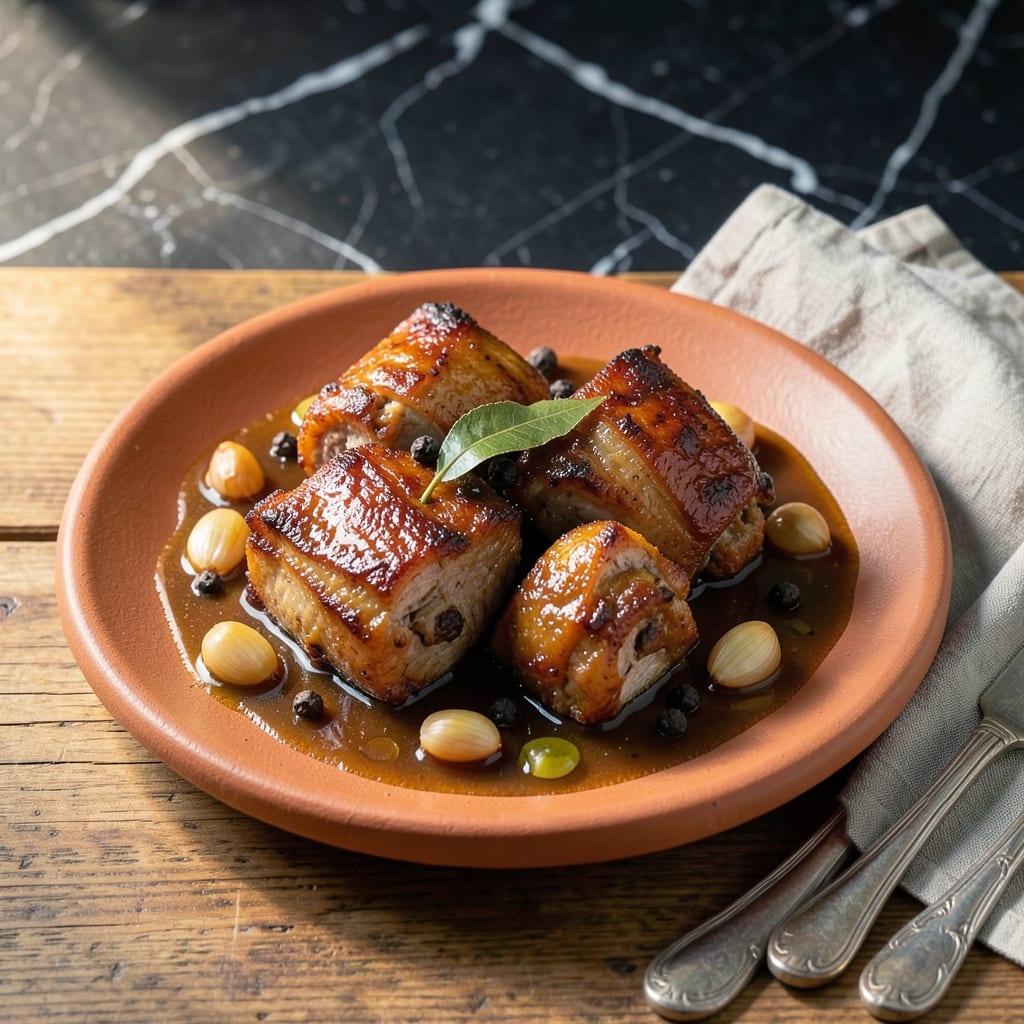
I learned this technique from my grandmother’s handwritten cards, where fall-off-the-bone pork was always the goal. This Filipino-style adobo transforms tough cuts into tender, flavorful perfection with simple ingredients.
The secret lies in slow simmering with vinegar, soy sauce, and garlic. Each bite delivers rich, tangy depth that defines authentic adobo. The pork becomes so tender it nearly melts in your mouth.
What emerges is a dish with layers of savory, slightly sweet, and tangy notes. The sauce reduces to a glossy glaze that clings to every piece of pork.
Perfect for family dinners or special occasions. Here’s how to achieve that signature tenderness at home.
Ingredients for Pork Soft Bone Recipe Filipino Style
Simple ingredients, slow simmered. Grandmother-approved Filipino adobo magic in every bite.
| Ingredient | Amount | Notes |
|---|---|---|
| Pork Shoulder 🍖 | 2 lb | Bone-in, cut into chunks |
| White Vinegar 💧 | 1 cup | Or cane vinegar for authenticity |
| Soy Sauce 🥫 | ¾ cup | Use Filipino brand if available |
| Garlic Cloves 🧄 | 10 cloves | Peeled and smashed |
| Bay Leaves 🍃 | 5 whole | Dried, for aromatic depth |
| Black Peppercorns 🌶️ | 1 tbsp | Lightly crushed |
| Brown Sugar 🍚 | 2 tbsp | For balancing tang |
| Water 💧 | 1 ½ cups | To cover pork initially |
| Cornstarch 🌾 | 1 tbsp | For thickening sauce later |
| Green Onions 🧅 | 4 whole | Thinly sliced for garnish |
| Cooking Oil 🫒 | 2 tbsp | For searing pork |
| Salt 🧂 | 1 tsp | Adjust to taste at end |
[recipe_ingredient_scaler]
The pork shoulder is non-negotiable here—bone-in, fatty cuts like Boston butt (from Costco or your local butcher) break down beautifully during the long braise. Look for pieces with good marbling; the fat renders into the sauce, creating that signature richness. Avoid lean cuts like tenderloin—they’ll dry out. For the vinegar, Filipino cane vinegar (Datu Puti or Mama Sita’s) adds a more complex tang, but white vinegar works fine in a pinch.
Out of soy sauce? Coconut aminos at a 1:1 ratio gives a similar umami depth. No fresh garlic? Garlic powder at one-third the amount saves the day—just bloom it in the oil first. Bay leaves are the quiet hero here (don’t skip them), but if you’re desperate, a pinch of dried thyme adds a similar earthy note. Brown sugar can be swapped for coconut sugar—same amount—though the flavor profile shifts slightly.
This tastes even better the next day as the flavors meld. Leftovers keep 4-5 days in the fridge, or freeze for 3 months. Reheat gently on the stove to avoid drying out the pork. The sauce thickens as it cools, so thin with a splash of water if needed (or embrace the gluey, clingy goodness).
Why You’ll Love This Recipe
- I’ll be real: this stretches far. Whether it’s a family dinner or meal prep for the week, it’s a reliable go-to.
- One Pot Wonder: I toss everything in a single pot—pork shoulder, vinegar, soy sauce, garlic—and let it simmer. Honestly, cleanup’s a breeze.
- Umami Bomb: The soy sauce and vinegar combo hits that perfect tangy-savory balance, with garlic and bay leaves adding depth.
- Feeds a Crowd: I’ll be real: this stretches far. Whether it’s a family dinner or meal prep for the week, it’s a reliable go-to.
Step-by-Step Instructions for Pork Soft Bone Filipino Style
Here’s the method I use to achieve that signature fall-off-the-bone tenderness in this Filipino favorite.
Step 1: Sear the Pork Shoulder for Deep Flavor
Heat the 2 tbsp cooking oil in a large pot or Dutch oven over medium-high heat. When the oil shimmers, add the 2 lb pork shoulder chunks and sear for 4-5 minutes on each side until deeply browned. You’re building a flavor foundation here.
Don’t crowd the pan—work in batches if needed. The pork should develop a rich, caramelized crust before we add any liquids. This step creates the complex base flavors that define this dish.
Step 2: Build the Adobo Braising Liquid
Once all pork is browned, return it to the pot. Add the 10 cloves garlic cloves, 5 whole bay leaves, and 1 tbsp black peppercorns. Cook for 1-2 minutes until the garlic becomes fragrant and just starts to color.
Pour in the 1 cup white vinegar, 0.75 cup soy sauce, 2 tbsp brown sugar, and 1.5 cups water. Stir to combine and bring to a gentle boil. The liquid should just cover the pork. Reduce heat to low, cover, and let it simmer.
Step 3: Braise Until Fork-Tender
Simmer the pork for 1.5-2 hours, turning the pieces occasionally. You want the meat to become so tender that it nearly falls apart when pierced with a fork. The bone-in pork shoulder will release its collagen during this slow cook, creating that signature melt-in-your-mouth texture.
Check the liquid level periodically and add a splash of water if it reduces too much. The sauce should maintain enough volume to keep the pork mostly submerged throughout cooking. The aroma will become increasingly rich and savory as it cooks.
Step 4: Thicken the Sauce and Finish
Once the pork is tender, remove it to a serving dish. Mix the 1 tbsp cornstarch with 2 tbsp water to create a slurry, then stir it into the braising liquid. Bring to a boil over medium heat and cook for 2-3 minutes until the sauce thickens to a glossy consistency.
Taste and adjust seasoning with the 1 tsp salt if needed. The sauce should be tangy, savory, and slightly sweet. Pour this thickened sauce over the pork.
Step 5: Garnish and Serve
Slice the 4 whole green onions thinly and sprinkle them over the finished dish. The fresh, crisp green onions provide a bright contrast to the rich, saucy pork. Serve with steamed rice to soak up all that delicious sauce.
Let the dish sit for 5-10 minutes before serving to allow the flavors to meld. Each bite should deliver tender pork that nearly dissolves in your mouth, surrounded by the complex, tangy-savory sauce that makes this Filipino adobo so special.
Pro Tips For Making Pork Soft Bone Recipe Filipino Style
- Parboil the Bones: I learned this the hard way—simmer the pork shoulder bones in water for 10 minutes first to remove impurities, or your adobo will turn cloudy and bitter.
- Balance the Vinegar: Sounds weird, but it works: use a 1:1 ratio of white vinegar to soy sauce for that perfect tangy-salty balance without overpowering the dish.
- Crush the Garlic: My grandmother swore by this, and she was right: lightly crushing the garlic cloves (not mincing) releases more flavor without burning during the long simmer.
- Low and Slow: After burning three batches, I finally figured out that keeping the heat at a gentle simmer for 1.5-2 hours makes the meat fall off the bone without drying out.
Make-Ahead Tips for Leftovers
Overnight Flavor Boost
I always make this dish the day before serving. The flavors meld overnight in the fridge, transforming good adobo into extraordinary. Store in an airtight container with pork submerged in sauce to prevent drying.
Pre-Braise Prep
You can prep all ingredients the night before—measure vinegar, soy sauce, and sugar, peel garlic, and cut pork. Store prepped items in separate containers. This cuts your active cooking time in half the next day. 💡
In the morning, just sear the pork and add your prepped ingredients. It’s my grandmother’s trick for stress-free entertaining.
Freezing for Later
This freezes beautifully for up to 3 months. Portion into meal-sized containers with sauce. Leave 1-inch headspace for expansion. Thaw overnight in the fridge before reheating.
Reheating Methods
Gentle heat is key to maintain tenderness. On the stove, simmer covered on low heat for 15-20 minutes. In the microwave, use 50% power and stir every 2 minutes. 🔥
Sauce Consistency
The sauce thickens as it cools. If it’s too thick when reheating, add ¼ cup water and stir. The cornstarch will re-activate as it heats, bringing back that glossy finish.
Nutrition Facts
Frequently Asked Questions
What cut of pork works best for this method?
Bone-in pork shoulder or Boston butt is ideal for its fat and collagen. These cuts break down beautifully during the 1.5-2 hour braise, creating that signature tenderness. Avoid lean cuts like tenderloin.
Can I make this in a slow cooker?
Yes! Sear the pork first, then transfer everything to your slow cooker. Cook on low for 6-8 hours or high for 4-5 hours. The result will be just as tender.
Why does the sauce sometimes taste too sour?
This usually happens if the vinegar isn’t balanced. The 2 tbsp brown sugar helps counteract the acidity. Taste as you go and adjust with a bit more sugar if needed.
How do I know when the pork is done?
The pork should be fork-tender and nearly falling off the bone. When pierced, it should offer little resistance. If unsure, continue simmering for another 30 minutes and check again.

Trained in classic French technique but raised on slow-cooked ribs and spicy rubs, she blends culinary skill with smoke and soul.
- Recipe for Boneless Pork Chops in Cast Iron Skillet: Sear and Baste to Juicy Perfection - October 3, 2026
- Recipe for Boneless Cross Rib Roast: Slow-Roasted Beef with Herb Crust - October 3, 2026
- Hamburgers in Sauce Recipe Crock Pot: Slow-Cooked Savory Delight - October 3, 2026