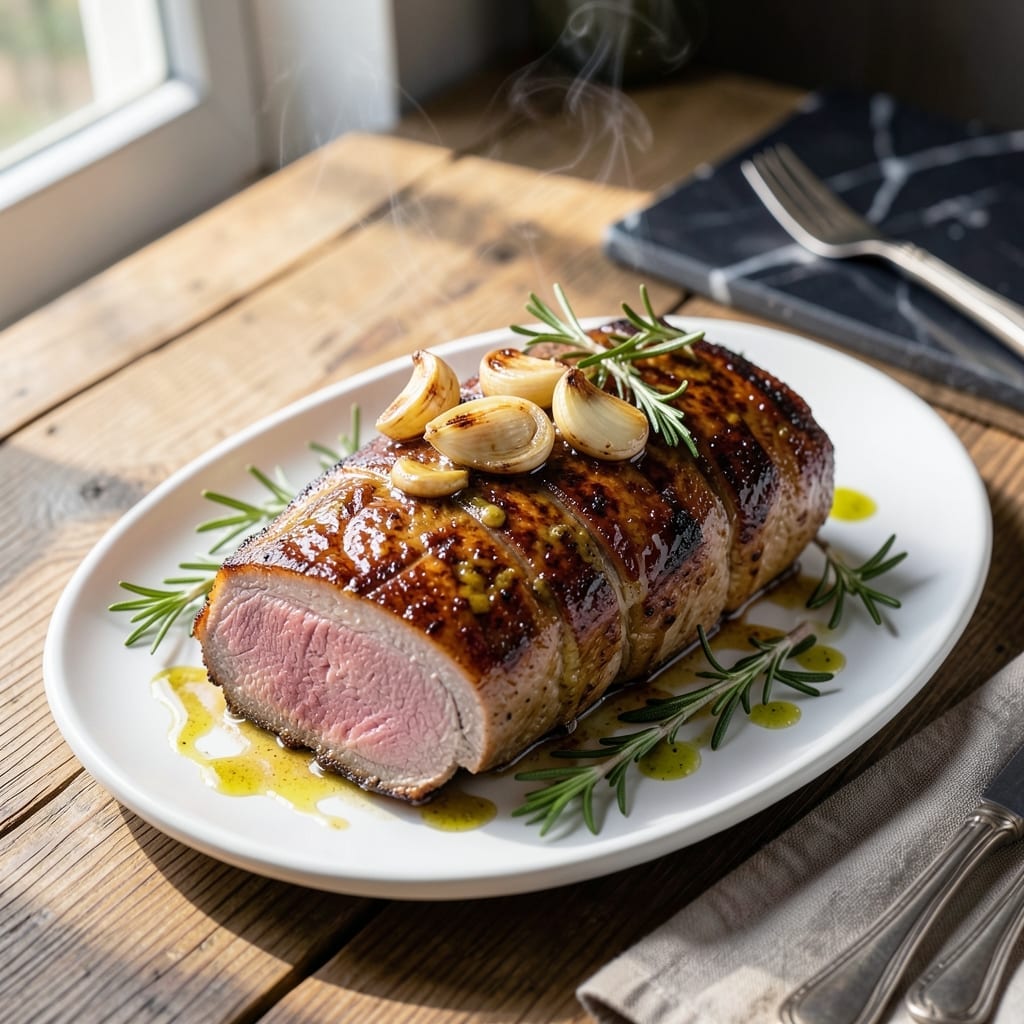
This recipe transforms a simple pork tenderloin into a tender masterpiece with minimal effort. A sweet and spicy glaze creates a caramelized crust that seals in juices.
The combination of mustard and brown sugar creates a perfect balance of flavors. The glaze caramelizes beautifully in the oven, adding depth to every bite.
With just a few ingredients and one pan, you can achieve restaurant-quality results. The pork stays juicy while developing a rich, sticky exterior.
Serve with roasted vegetables or mashed potatoes to complete the meal. This dish proves that impressive dinners don’t require complicated preparation.
Ingredients for Pork Tenderloin Recipe with Mustard and Brown Sugar
Transform a humble pork tenderloin with these carefully selected ingredients for restaurant-quality results.
| Ingredient | Amount | Notes |
|---|---|---|
| Pork Tenderloin 🥩 | 1 ½ lb | Trimmed of excess fat |
| Dijon Mustard 🟡 | ¼ cup | Smooth, not whole grain |
| Brown Sugar 🟤 | ¼ cup | Light or dark variety |
| Olive Oil 🫒 | 2 tbsp | Extra-virgin preferred |
| Garlic Cloves 🧄 | 3 cloves | Minced finely |
| Kosher Salt 🧂 | 1 tsp | Diamond Crystal brand preferred |
| Black Pepper 🌶️ | ½ tsp | Freshly ground |
| Dried Thyme 🌿 | ½ tsp | Crushed between fingers |
| Apple Cider Vinegar 🍏 | 1 tbsp | For glaze balance |
| Soy Sauce 🥢 | 1 tbsp | Low-sodium variety |
| Unsalted Butter 🧈 | 1 tbsp | For finishing glaze |
| Fresh Rosemary 🌿 | 1 tsp | Chopped, stems removed |
[recipe_ingredient_scaler]
The pork tenderloin should be fresh with a rosy color and minimal fat. Whole Foods or Costco typically carry high-quality options. For the mustard, Grey Poupon Dijon offers consistent flavor. Brown sugar should be soft and free-flowing (the good stuff, not the rock-hard kind). Opt for Diamond Crystal kosher salt—its texture distributes evenly and enhances flavor without overpowering.
No Dijon? Whole grain mustard at half the amount works, though the texture differs. Brown sugar can be substituted with maple syrup (reduce slightly to avoid excess moisture). If avoiding vinegar, lemon juice at the same quantity provides similar acidity. Soy sauce alternatives include coconut aminos for a milder taste. The rosemary can be swapped for fresh sage or tarragon (or whatever herb you’ve got).
Store pork in its original packaging in the coldest part of your fridge for up to 3 days. The glaze ingredients keep indefinitely in the pantry. Once cooked, leftovers stay fresh for 4-5 days refrigerated or freeze for up to 3 months (worth the extra minute to portion).
Why You’ll Love This Recipe
- Set It and Forget: That seared pork tenderloin roasts hands-off in the oven while I toss a salad.
- Sweet-Spicy Magic: The Dijon’s sharp bite melts into the caramelized brown sugar crust with every bite.
- Weeknight MVP: I serve it sliced over rice one night, then shred the leftovers for sandwiches the next.
- Five-Ingredient Win: Olive oil, garlic, mustard, brown sugar, pork—my pantry already had it all.
Step-by-Step Instructions for Pork Tenderloin With Mustard and Brown Sugar
This method delivers perfectly tender meat with a glossy, caramelized glaze every time.
Step 1: Prepare the Pork Tenderloin
Pat the 1.5 lb pork tenderloin dry with paper towels to ensure even browning. Trim any visible fat or silver skin from the surface. This step prevents the meat from steaming in its own moisture, which would inhibit that beautiful sear we’re after.
Season the pork generously with the 1 tsp kosher salt, 0.5 tsp black pepper, 0.5 tsp dried thyme, and 1 tsp fresh rosemary. I press the seasonings into the meat to create a flavorful crust. Let it sit at room temperature for 20-30 minutes before cooking.
Step 2: Sear the Pork Tenderloin
Heat the 2 tbsp olive oil in a large oven-safe skillet over medium-high heat until it shimmers. Add the pork tenderloin and sear on all sides for 2-3 minutes per side until golden brown. You’re looking for a deep, even color that indicates proper caramelization.
Don’t rush this process—moving the pork too soon will prevent a good crust from forming. The meat should release easily from the pan when it’s ready to turn. This initial sear builds the foundation for the rich flavor in the finished dish.
Step 3: Create and Apply the Mustard-Brown Sugar Glaze
While the pork sears, whisk together the 0.25 cup dijon mustard, 0.25 cup brown sugar, 1 tbsp apple cider vinegar, 1 tbsp soy sauce, and 3 cloves minced garlic in a bowl until smooth. The vinegar and soy sauce balance the sweetness of the sugar.
Once the pork is seared on all sides, reduce heat to medium. Brush the glaze liberally over the pork tenderloin, coating all sides. Be generous—the sugar will caramelize beautifully in the oven. Reserve any remaining glaze for later use.
Step 4: Finish in the Oven
Transfer the skillet to a preheated 400°F oven. Roast the pork for 12-15 minutes, or until the internal temperature reaches 145°F in the thickest part. Baste the pork with any remaining glaze halfway through cooking.
The glaze will bubble and darken as it caramelizes. You’ll know it’s done when the internal temperature is reached and the glaze has thickened into a glossy coating. The aroma will be irresistible at this point.
Step 5: Rest and Serve
Remove the pork from the oven and transfer it to a cutting board. Immediately add the 1 tbsp unsalted butter to the skillet and swirl to melt. Pour the buttery pan juices over the pork tenderloin.
Let the pork rest for 10 minutes before slicing. This allows the juices to redistribute throughout the meat, ensuring each slice is moist and tender. Slice against the grain into 1-inch thick medallions and serve with the pan juices spooned over the top.
Pro Tips For Making Pork Tenderloin Recipe With Mustard And Brown Sugar
- Pat Dry First: I learned this the hard way—blot the tenderloin with paper towels before seasoning, or the mustard-brown sugar glaze won’t stick properly, and you’ll end up with a steamed exterior instead of that perfect caramelized crust.
- Start Hot, Finish Low: Sear the pork in a screaming-hot pan for 2-3 minutes per side, then move it to a 375°F oven to finish cooking. This locks in the juices while letting the sugar in the glaze caramelize without burning.
- Don’t Skip the Rest: After pulling it from the oven, give the tenderloin a solid 10 minutes under foil to redistribute the juices—cutting too soon leaves you with a dry piece of meat, no matter how perfect the glaze looks.
- Mince the Garlic Fine: Sounds obvious, but large garlic chunks can burn in the pan before the pork finishes cooking. Pressing or finely mincing the cloves ensures even flavor distribution in the mustard-brown sugar mixture.
Wine and Beer Pairings for These Flavors
White Wine Pairings
For this dish, I love a crisp German Riesling with its bright acidity cutting through the sweetness of the brown sugar glaze. The slight sweetness of an off-dry Riesling complements the caramelized exterior beautifully. Look for bottles from the Mosel region. 🍷
Red Wine Options
A medium-bodied Pinot Noir from Oregon’s Willamette Valley works wonderfully with the pork’s tenderness. The red fruit notes and earthy undertones balance the mustard’s tang without overpowering the dish. I always keep a bottle of Domaine Drouhin on hand.
For bolder red wine lovers, try a Grenache from Spain. Its red berry flavors and subtle spice notes pair surprisingly well with the sweet and spicy glaze.
Craft Beer Selections
An American amber ale like Fat Tire from New Belgium Brewing offers caramel malts that mirror the brown sugar. The moderate hop bitterness cleanses your palate between bites. Here in Portland, I often grab a Deschutes Mirror Pond. 🍺
Non-Alcoholic Pairings
Sparkling apple cider from Martinelli’s provides the perfect sweet-tart contrast to the dish. The bubbles help cut through the richness of the pork. Serve it chilled for a refreshing accompaniment.
For a warm option, try hot spiced cider with cinnamon and cloves. The aromatic spices complement the caramelized glaze while the warmth enhances the meal’s cozy feel.
Nutrition Facts
Frequently Asked Questions
Can I use honey instead of brown sugar?
Yes, substitute 1/3 cup honey for the brown sugar. Reduce the apple cider vinegar to 1/2 tbsp to balance sweetness. The glaze will be slightly thinner but still delicious.
How do I prevent the glaze from burning?
Keep the oven temperature at exactly 400°F and baste only once halfway through. If the glaze darkens too quickly, tent the pork with foil for the remaining 5-7 minutes.
What if my pork tenderloin is larger than 1.5 lb?
For a 2 lb tenderloin, increase cooking time to 18-20 minutes. Always use a meat thermometer to check for 145°F internally. The glaze quantity remains the same.

Trained in classic French technique but raised on slow-cooked ribs and spicy rubs, she blends culinary skill with smoke and soul.
- Best Smoked Oxtail Recipe: Deep-Rich Flavor After Low-and-Slow Cooking - October 14, 2026
- Pit Boss Smoked Prime Rib Roast Recipe: Bark-to-Bone Crispness in 4 Hours - October 14, 2026
- Smoked Tuna Steak Recipe: Seared Crust Meets Silky Centers - October 14, 2026