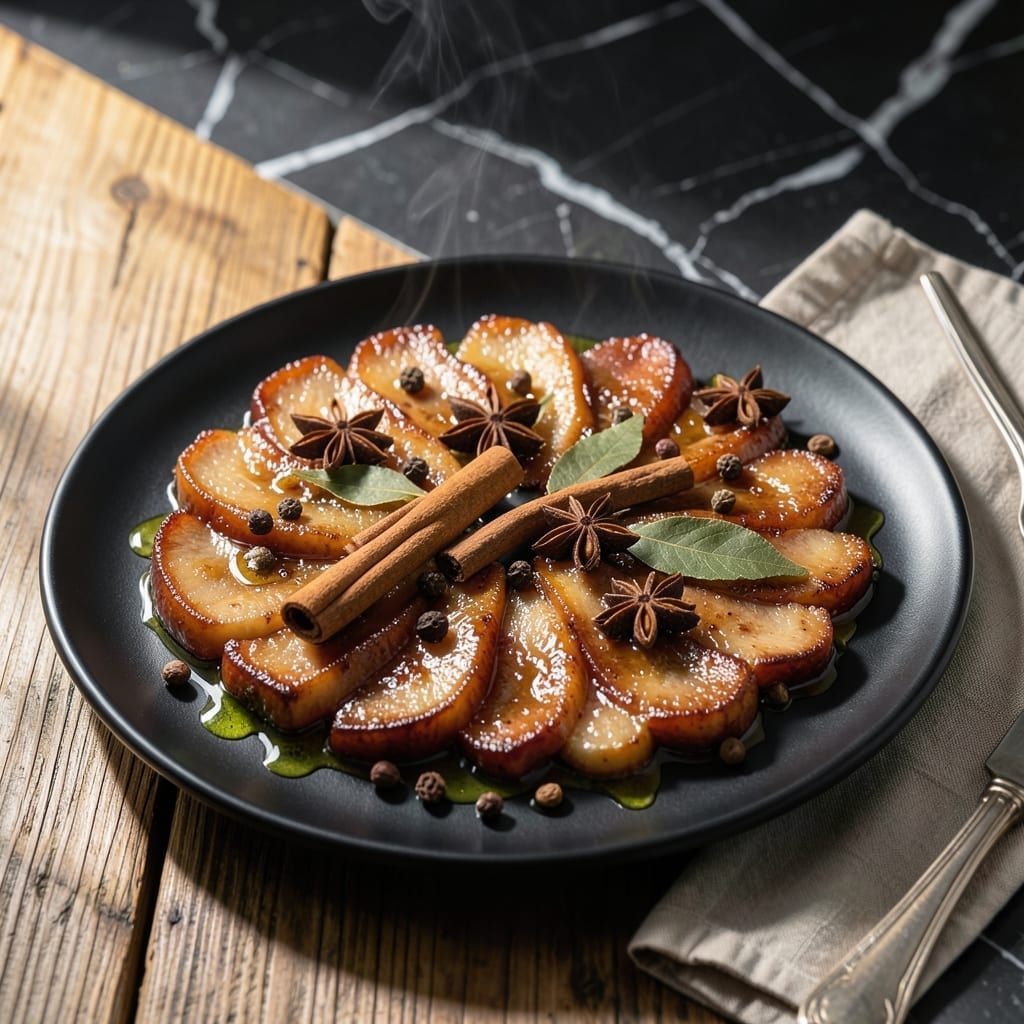
This traditional Chinese preparation transforms pork tongue into a tender, flavorful centerpiece through slow braising. The technique involves careful cleaning and blanching before the main cooking process to ensure optimal texture and taste.
The aromatic broth combines star anise, cinnamon, and other warming spices with soy sauce and sugar for a balanced sweet-savory profile. Each bite absorbs the complex layers of flavor from the five-spice seasoning.
After braising, the tongue becomes remarkably fall-apart tender while maintaining its shape. The glossy sauce reduces to a rich glaze that coats every piece beautifully.
Serve sliced with steamed rice to soak up the deeply aromatic sauce. This dish showcases authentic Chinese home cooking at its finest.
Ingredients for Pork Tongue Recipe Chinese Style
These authentic Chinese ingredients create a deeply aromatic, tender braised pork tongue dish.
| Ingredient | Amount | Notes |
|---|---|---|
| Pork Tongue 🐷 | 2 lb | Fresh, cleaned and blanched |
| Star Anise Pods ⭐ | 3 whole | Whole for infusion |
| Cinnamon Stick 🌿 | 1 whole | Whole for broth |
| Bay Leaves 🍃 | 2 whole | Dried for depth |
| Cloves 🌰 | 4 whole | Whole for aromatic base |
| Sichuan Peppercorns 🌶️ | 1 tsp | Lightly crushed for aroma |
| Five-Spice Powder 🌟 | 1 tsp | Authentic Chinese blend |
| Light Soy Sauce 🫒 | ½ cup | Low-sodium preferred |
| Dark Soy Sauce 🫒 | 2 tbsp | For color and depth |
| Rock Sugar 🍬 | ¼ cup | Crushed for sweetness |
| Shaoxing Wine 🍷 | ¼ cup | Chinese cooking wine |
| Garlic Cloves 🧄 | 6 cloves | Smashed for infusion |
| Fresh Ginger 🌱 | 2 tbsp | Sliced, skin on |
| Green Onions 🧅 | 4 whole | White and green parts separated |
| Water 💧 | 4 cups | For braising liquid |
[recipe_ingredient_scaler]
The pork tongue is the star. Source from a reputable butcher or Asian market—look for fresh, pink tongue with no off odors. Cleaning is crucial: scrub under cold water, then blanch for 5 minutes to remove impurities. The spices—star anise, cinnamon, and Sichuan peppercorns—should be whole and fragrant. Avoid pre-ground five-spice powder; toast and grind your own for superior flavor.
No Shaoxing wine? Dry sherry works as a substitute. Rock sugar can be replaced with regular granulated sugar (use 25% less), but the former gives a cleaner sweetness. If you can’t find Sichuan peppercorns, black peppercorns add heat without the numbing effect. For a richer sauce, add 1 tbsp of oyster sauce (ensure it’s vegetarian if needed).
The braised tongue keeps well. Store in its liquid in an airtight container for up to 4 days in the fridge or 3 months frozen. Reheat gently to preserve texture. The sauce thickens as it cools—thin with a little water when reheating.
Why You’ll Love This Recipe
- I’ll be real: one tongue makes enough for a family dinner with leftovers for sandwiches the next day.
- One Pot Wonder: I just simmer the tongue with star anise, cinnamon, and cloves—no fancy steps, no constant stirring.
- Deep, Warm Spices: The star anise and cloves give this dish a rich, aromatic depth that’s honestly hard to beat.
- Feeds a Crowd: I’ll be real: one tongue makes enough for a family dinner with leftovers for sandwiches the next day.
Step-by-Step Instructions for Pork Tongue Chinese Style
Master this technique and you’ll achieve melt-in-your-mouth texture with deeply aromatic broth every time.
Step 1: Blanch the Pork Tongue
Place the 2 lb Pork Tongue in a large pot and cover with cold water. Bring to a boil over high heat and cook for 5 minutes. This process removes impurities and tightens the skin, resulting in a cleaner final product.
Drain the pork tongue and rinse under cold water, then scrub the surface with a knife to remove any remaining membrane. This step ensures the tongue absorbs the braising liquid evenly and develops the best possible texture.
Step 2: Prepare the Aromatic Broth
In a large Dutch oven, combine the 4 cups Water, 0.5 cup Light Soy Sauce, 2 tbsp Dark Soy Sauce, 0.25 cup Rock Sugar, 0.25 cup Shaoxing Wine, 1 tsp Five-Spice Powder, 3 whole Star Anise Pods, 1 whole Cinnamon Stick, 2 whole Bay Leaves, 4 whole Cloves, and 1 tsp Sichuan Peppercorns.
Add the 6 cloves Garlic Cloves, 2 tbsp Fresh Ginger (sliced), and the white parts of the 4 whole Green Onions. Bring to a gentle simmer over medium heat, allowing the spices to infuse the liquid for 10 minutes before adding the pork tongue.
Step 3: Braise the Pork Tongue to Tenderness
Carefully add the blanched pork tongue to the aromatic broth. The liquid should completely submerge the meat. If needed, add a bit more water to ensure full coverage. Bring the mixture back to a simmer, then reduce the heat to low.
Cover and braise for 2 to 2.5 hours, turning the tongue occasionally to ensure even cooking. The pork tongue is done when it’s fork-tender and a knife slides in with no resistance. The broth should take on a rich, dark color from the soy sauces and spices.
Step 4: Finish and Serve
Once the pork tongue is tender, remove it from the broth and let it cool slightly. Slice the tongue into ½-inch thick pieces. Strain the braising liquid to remove the whole spices and aromatics, reserving the rich broth.
Return the sliced pork tongue to the strained broth and simmer for an additional 10 minutes to allow the flavors to penetrate. Garnish with the green parts of the green onions, thinly sliced, and serve hot with some of the fragrant braising liquid spooned over the top.
Pro Tips For Making Pork Tongue Recipe Chinese Style
- Blanch First: Always blanch the pork tongue in boiling water for 3-5 minutes before braising—this removes impurities and keeps the broth clean. I learned this the hard way after my first batch tasted bitter.
- Toast the Spices: Lightly dry-toast the star anise, cinnamon, and cloves in the pot for 30 seconds before adding liquid. My grandmother swore by this, and it actually changes the outcome by deepening their aroma.
- Skip the Rush: Resist the urge to crank the heat—simmer the tongue low and slow for at least 2 hours, or it’ll turn tough. Sounds obvious, but I used to rush this part and wondered why it was chewy.
- Use a Pressure Cooker: If you’re short on time, a pressure cooker cuts the braising time to 45 minutes without sacrificing tenderness. I was skeptical until I tried it, but now I use it every time.
Common Mistakes When Making This Recipe
Incomplete Cleaning
Skipping the initial cleaning and blanching step leads to impurities that can make your dish taste bitter. I always scrub the tongue thoroughly under cold water, then blanch for 5 minutes to remove any residue. This ensures a clean, delicious final product. 💪
Overcrowding the Pot
Using a pot that’s too small causes uneven cooking and dilutes the flavor of your braising liquid. I recommend a 5-6 quart Dutch oven for 2 lb of pork tongue to give it room to submerge completely and cook evenly.
Skipping the Aromatic Infusion
Adding the pork tongue too soon prevents the spices from fully infusing the broth. Let your aromatic mixture simmer for 10 minutes before adding the meat. This builds a deeper, more complex flavor base that penetrates every bite.
Insufficient Braising Time
Rushing the braising process results in tough, chewy meat. The tongue needs 2 to 2.5 hours on low heat to become fork-tender. I check for doneness by piercing with a knife—it should slide in effortlessly. 🌡️
Discarding the Braising Liquid
Pouring out the braising liquid wastes all that built-up flavor. After slicing the tongue, return it to the strained broth for an additional 10 minutes to reabsorb the aromatic sauce. This step makes each piece incredibly juicy and flavorful.
Using Pre-Ground Spices
Pre-ground five-spice powder loses its potency quickly. For the best results, toast and grind your own blend of star anise, cinnamon, cloves, Sichuan peppercorns, and fennel. The difference in aroma and taste is noticeable.
Nutrition Facts
Frequently Asked Questions
Why do I need to blanch the tongue first?
Blanching removes impurities and tightens the skin for better texture. Skipping this step can result in a bitter taste and less tender meat.
Can I use a slow cooker instead?
Yes! Cook on low for 6-8 hours or high for 4-5 hours. The long, slow cooking time ensures the tongue becomes fork-tender while absorbing all the aromatic flavors.
How do I know when it’s done?
A knife should slide in with no resistance. The meat will be fork-tender and easily pull apart after 2-2.5 hours of braising.
What if I can’t find rock sugar?
Substitute with regular granulated sugar, but use 25% less. Rock sugar dissolves more slowly, creating a cleaner sweetness in the broth.

Trained in classic French technique but raised on slow-cooked ribs and spicy rubs, she blends culinary skill with smoke and soul.
- Recipe for Kabsa Rice: Spiced Middle Eastern Feast in One Pot - October 3, 2026
- Hamburger Stir Fry Recipe Healthy: Lean Protein and Veggie-Packed Dinner - October 3, 2026
- Recipe for Curried Lamb Chops: Spice-Rubbed and Pan-Seared to Succulence - October 3, 2026