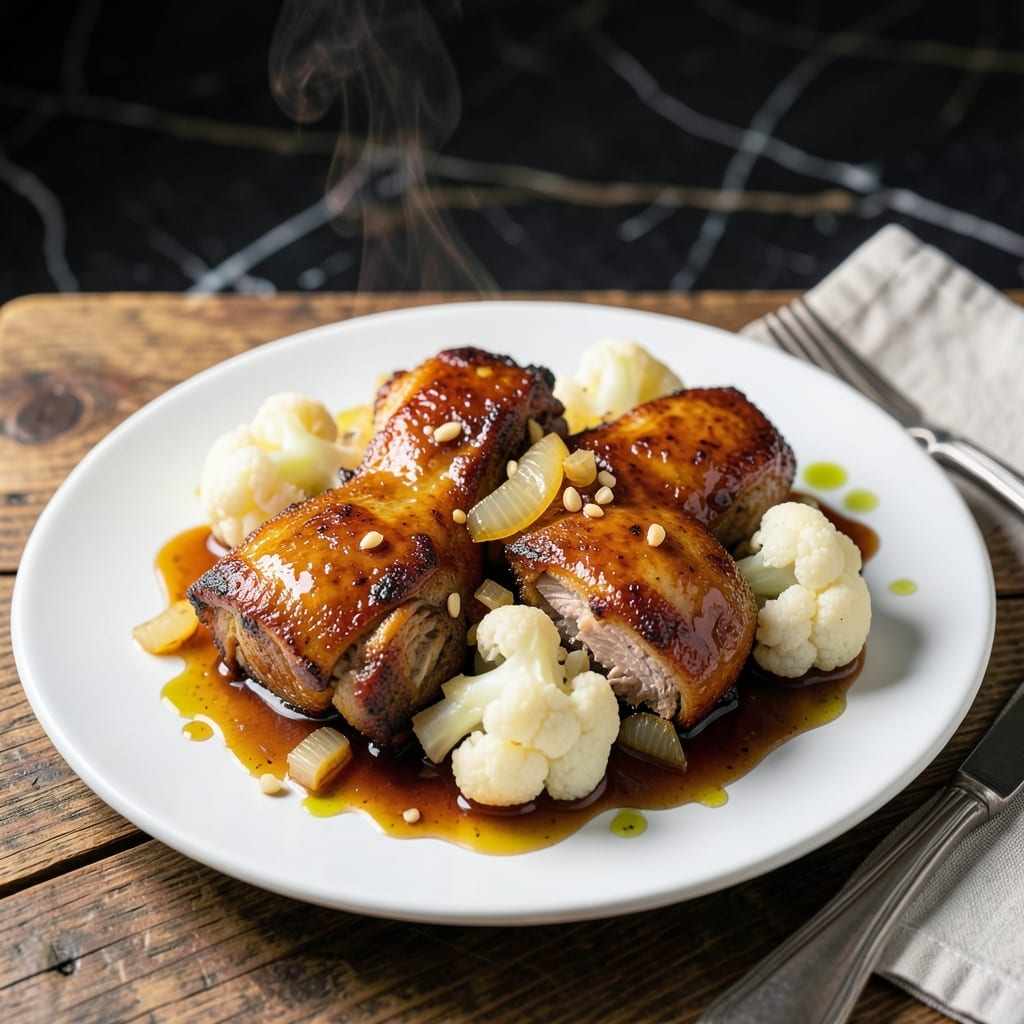
This Filipino-style pork and cauliflower dish brings bold flavors to your dinner table with minimal effort. The combination of tender pork and crisp cauliflower creates a savory one-pan meal that’s both hearty and balanced.
I developed this recipe inspired by Panlasang Pinoy’s approach to simple, flavorful cooking. The pork absorbs the rich sauce while the cauliflower adds texture, making every bite satisfying.
With just 30 minutes of cooking, you’ll have a meal that’s perfect for busy weeknights. The sauce reduces into a glossy coating that ties all the ingredients together beautifully.
Serve it over steamed rice to soak up every last drop of flavor. This dish proves that comfort food can be both easy and delicious.
Ingredients for Pork with Cauliflower Recipe Panlasang Pinoy
Simple ingredients for a bold, savory one-pan Filipino-style meal with pork and cauliflower.
| Ingredient | Amount | Notes |
|---|---|---|
| Pork Shoulder 🥩 | 1 ½ lb | Cut into bite-sized pieces |
| Cauliflower 🥦 | 1 whole | Cut into florets |
| Soy Sauce 🫙 | ½ cup | Regular or low-sodium |
| White Vinegar 💧 | 2 tbsp | For acidity balance |
| Brown Sugar 🍚 | 2 tbsp | Light or dark variety |
| Garlic Cloves 🧄 | 6 cloves | Minced finely |
| Yellow Onion 🧅 | 1 whole | Diced medium |
| Ground Black Pepper 🌶️ | 1 tsp | Freshly ground preferred |
| Bay Leaves 🌿 | 2 pieces | Dried, for aroma |
| Olive Oil 🫒 | 2 tbsp | For sautéing pork |
| Water 💧 | ½ cup | For sauce consistency |
| Cornstarch 🌾 | 1 tbsp | Mixed with water for thickening |
| Green Onions 🧅 | 3 whole | Sliced thin for garnish |
[recipe_ingredient_scaler]
The pork is the star here—pork shoulder gives you that melt-in-your-mouth texture. Look for pieces with good marbling at your local market or Costco for bulk savings. I always grab mine from the butcher counter if available (they’ll cube it for you, saving time). The cauliflower should be firm with tight florets—avoid any with brown spots or softness.
No soy sauce? Coconut aminos work in a pinch but add a touch more sugar to balance the flavor. Out of vinegar? Apple cider vinegar at the same amount keeps the tang. Brown sugar can be swapped for white (texture difference, not flavor). For extra depth, a splash of oyster sauce (vegetarian if needed) takes this to the next level.
Leftovers keep well—actually taste better the next day once the flavors meld. Store in an airtight container for up to 4 days in the fridge, or freeze for 3 months. Reheat gently to keep the pork tender (the microwave works, but stove-top is ideal).
Why You’ll Love This Recipe
- One Pan Meal: Honestly, I just brown the pork, toss in the cauliflower, and let the soy-vinegar-sugar combo work its magic in one pan.
- Sweet-Savory Balance: That sticky brown sugar glaze with the tangy vinegar cuts through the richness of the pork shoulder—crave-worthy every time.
- Feeds the Family: Between us, even my picky nephew goes back for seconds when I serve this with steamed rice.
- Budget Stretcher: Pork shoulder and cauliflower are both affordable, and this dish tastes like it cost way more than it did.
Step-by-Step Instructions for Pork With Cauliflower Panlasang Pinoy
Here’s the straightforward method for a flavorful one-pan dish that’s as easy as it is delicious.
Step 1: Sear the Pork Shoulder
Heat the 2 tbsp olive oil in a large pan or wok over medium-high heat. Add the 1.5 lb pork shoulder pieces and sear until they turn lightly brown on all sides, about 5-7 minutes. This step locks in the juices and adds depth to the flavor.
While the pork cooks, you’ll notice the edges becoming golden brown—that’s your cue to proceed. Don’t rush this step; proper browning ensures the meat stays tender and flavorful throughout the cooking process.
Step 2: Build the Sauce Base
Once the pork is browned, add the 1 whole yellow onion (diced), 6 cloves garlic cloves (minced), and 1 tsp ground black pepper to the pan. Sauté for 2-3 minutes until the onions soften and the garlic becomes fragrant. This aromatic base is the foundation of the dish’s rich flavor.
Next, pour in the 0.5 cup soy sauce, 2 tbsp white vinegar, 2 tbsp brown sugar, and 2 pieces bay leaves. Stir well to combine, and let the mixture simmer for 2-3 minutes so the sugar dissolves and the flavors begin to meld together.
Step 3: Add Cauliflower and Simmer
Add the 1 whole cauliflower (cut into florets) to the pan, stirring to coat the florets evenly with the sauce. Pour in the 0.5 cup water, then cover the pan and reduce the heat to medium-low. Let it simmer for 15-20 minutes, or until the pork is tender and the cauliflower is fork-tender but still firm.
Check occasionally and stir gently to prevent sticking. If the sauce reduces too much, add a splash of water to maintain the consistency. The cauliflower should absorb the savory flavors while retaining a slight bite.
Step 4: Thicken the Sauce and Finish
In a small bowl, mix the 1 tbsp cornstarch with 2 tbsp water to create a slurry. Stir this into the pan and cook for another 2-3 minutes on medium heat until the sauce thickens to your desired consistency. The sauce should coat the back of a spoon and have a glossy, rich appearance.
Once the sauce has thickened, remove the pan from heat. Discard the bay leaves and give everything a final stir. Taste and adjust seasoning if needed, though the combination of soy sauce and vinegar should provide a perfect balance of savory and tangy flavors.
Step 5: Garnish and Serve
Transfer the pork and cauliflower to a serving dish and sprinkle with the 3 whole green onions (sliced thin). The green onions add a fresh, vibrant contrast to the rich, savory dish. Serve hot with steamed rice to soak up every last bit of the delicious sauce.
Pro Tips For Making Pork With Cauliflower Recipe Panlasang Pinoy
- Sear the Pork First: Brown the pork shoulder in small batches over medium-high heat until deeply caramelized—about 3-4 minutes per side. I learned this the hard way: skipping this step leaves the meat bland and the sauce pale.
- Blanch the Cauliflower: Plunge cauliflower florets in boiling water for 1-2 minutes before adding to the pork. Sounds weird, but it works: removes bitterness and keeps them crisp-tender in the sauce.
- Balance the Vinegar: Add the white vinegar at the end of cooking, not the start. After burning three batches, I finally figured out that early addition makes the sauce harsh instead of tangy.
- Reduce the Sauce: Simmer the soy-vinegar-sugar mixture uncovered for 5-7 minutes until slightly thickened. My grandmother swore by this, and she was right: it clings better to the pork and cauliflower.
Best Sauces and Condiments for This Recipe
Filipino-Style Dipping Sauce
For an authentic touch, I love serving this with toyomansi—a simple blend of ¼ cup soy sauce and 2 tbsp calamansi juice (or lime if calamansi isn’t available). The citrus brightens the rich pork beautifully. 🌟
Spicy Vinegar Dip
My go-to for extra kick: ½ cup cane vinegar, 1 tbsp crushed red pepper flakes, and 1 tsp minced garlic. Let it sit for 10 minutes before serving. The heat cuts through the sauce’s sweetness perfectly.
Creamy Garlic Sauce
Whisk together ½ cup mayonnaise, 2 tbsp minced garlic, and 1 tbsp lemon juice for a cool contrast. I use Kewpie mayo for its rich, tangy depth. This pairs especially well with the cauliflower.
Soy-Ginger Glaze
Simmer ¼ cup soy sauce, 1 tbsp grated ginger, and 1 tbsp brown sugar until syrupy. Drizzle over the dish just before serving. It adds a glossy finish and extra umami.
Pickled Vegetables
Serve with atchara (Filipino pickled papaya) for a refreshing crunch. I grab mine at local Asian markets, but quick-pickled cucumbers with rice vinegar and sugar work in a pinch.
Nutrition Facts
Frequently Asked Questions
Can I use a different cut of pork?
Yes, pork tenderloin or loin work too. Shoulder is ideal for its marbling, but these cuts cook faster—reduce simmering time to 10-12 minutes to prevent dryness.
How do I make this dish less salty?
Use low-sodium soy sauce or reduce to ⅓ cup. Balance with extra vinegar or brown sugar. Taste before adding the final cornstarch slurry.
Can I use frozen cauliflower?
Yes, but thaw and drain it first to avoid excess moisture. Add it later, as frozen florets cook faster than fresh—simmer for only 8-10 minutes.
What if my sauce is too thin?
Mix another 1 tsp cornstarch with 1 tbsp water and stir in. Simmer for 2 minutes until thickened. Avoid overcooking, or the sauce may turn gluey.

Trained in classic French technique but raised on slow-cooked ribs and spicy rubs, she blends culinary skill with smoke and soul.
- Recipe for Boneless Pork Chops in Cast Iron Skillet: Sear and Baste to Juicy Perfection - October 3, 2026
- Recipe for Boneless Cross Rib Roast: Slow-Roasted Beef with Herb Crust - October 3, 2026
- Hamburgers in Sauce Recipe Crock Pot: Slow-Cooked Savory Delight - October 3, 2026