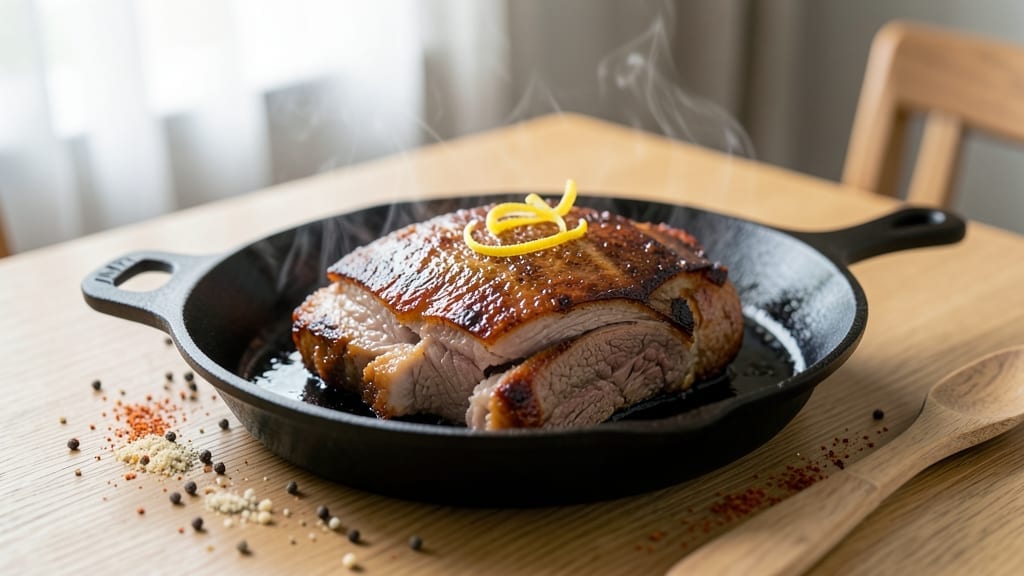
The Power Pressure Cooker XL brisket recipe transforms tough beef into melt-in-your-mouth perfection in just under 3 hours—a game-changer for weeknight dinners. I perfected this method after years of slow-cooking brisket over fire, adapting my grandfather’s Texas-style rub for the precision of modern pressure cooking.
The key? A high-heat sear followed by controlled pressure to break down collagen without drying the meat.
This recipe delivers restaurant-quality tenderness using simple pantry staples and minimal hands-on time. You’ll start with a well-trimmed brisket, coat it in a bold spice blend, then let the pressure cooker do the heavy lifting while you prep sides.
The result? Juicy, fork-shredding meat that falls apart at the touch, with an aromatic crust from the sear. No smoker needed—just patience and the right technique.
By the time you’re done, you’ll have brisket so tender it practically dissolves on the plate, paired with rich au jus for dipping. The beauty of this method is its versatility: serve on buns for sandwiches, over mashed potatoes, or alongside pickled vegetables for a full spread.
Every bite carries that deep, smoky-sweet flavor you’d expect from a competition-style cookout.
What sets this apart is the balance of speed and tradition—no shortcuts, just a refined process that respects the meat while maximizing convenience. Whether you’re feeding a crowd or treating yourself to a special meal, this brisket delivers foolproof results every time.
Let’s get started on creating your most tender brisket yet.
Ingredients for power pressure cooker xl brisket
Short list, big results. Just beef, spices, and pressure for restaurant-quality brisket.
| Ingredient | Amount | Notes |
|---|---|---|
| Beef Brisket 🥩 | 5 lb | Flat cut, trimmed of fat |
| Kosher Salt 🧂 | 1 ½ tbsp | Diamond Crystal preferred |
| Black Pepper 🌶️ | 1 tbsp | Freshly ground coarse |
| Garlic Powder 🧄 | 1 tbsp | Not garlic salt |
| Smoked Paprika 🌶️ | 1 tbsp | Sweet or hot variety |
| Onion Powder 🧅 | 1 tbsp | Fresh ground preferred |
| Brown Sugar 🍚 | 1 tbsp | Light or dark |
| Chili Powder 🌶️ | 1 tbsp | Medium or hot |
| Dried Oregano 🍃 | 1 tsp | Mexican oregano if available |
| Olive Oil 🫒 | ½ cup | Extra-virgin for searing |
| Beef Broth 💧 | 2 cups | Low-sodium preferred |
| Apple Cider Vinegar 🍎 | 2 tbsp | For tenderizing |
[recipe_ingredient_scaler]
The brisket is everything here—flat cut, trimmed of excess fat—because that’s where the tenderness lives. I always buy from local butchers who age it, but grocery store brisket works in a pinch. Look for marbling—fat streaks throughout, not just on the surface. Costco sells great pre-trimmed briskets, but if you’re buying whole, ask the butcher to remove the hard silver skin. Trust me on this: the flat cut cooks faster and stays juicier than point cut.
No smoked paprika? Sweet paprika plus a pinch of cayenne gets you close, but you’ll miss that smoky depth. Brown sugar is non-negotiable for caramelization—turbinado sugar works too, but it’s pricier. Short on beef broth? Water plus a bouillon cube works, but the flavor falls flat. The apple cider vinegar might seem odd, but it tenderizes the collagen during cooking—don’t skip it. For extra richness, add 1 tbsp of Worcestershire sauce to the broth.
Keep the brisket uncovered in the fridge for 24 hours before cooking—this helps the spices adhere and tenderizes the meat. The sear is critical: use high heat until deeply browned, then let it rest 10 minutes before pressure cooking. The au jus keeps beautifully for 5 days in the fridge or 3 months frozen—just reheat gently. I always make extra because it’s better the next day as the flavors meld. Store the cooked brisket in airtight containers, between layers of parchment to prevent sticking.
Why You’ll Love This Recipe
- No Chopping Chaos: I love that this recipe turns a tough cut into something tender with zero fancy knife skills. Just trim the fat, pat it dry, and slather on the spices—no dicing onions or mincing garlic here. The real magic happens in the pressure cooker, so you can relax while it works its wonders.
- Spice Bomb Perfection: That blend of smoked paprika, garlic powder, and chili powder? It’s like a flavor explosion in every bite. The brown sugar caramelizes into a sticky crust while the apple cider vinegar keeps it juicy—no dry, bland brisket here. Honestly, it’s the kind of dish that makes you want to lick the plate.
- Leftovers That Last: This recipe feeds a crowd and gives you enough au jus for days. The broth-based sauce keeps for five days in the fridge or three months frozen—just reheat and serve. Perfect for meal prep, game days, or when you want to feed the neighbors without lifting a finger.
- Budget-Friendly Luxury: A 5-pound brisket might seem pricey, but this method makes it unbeatable. The spices are cheap, the broth is pantry-friendly, and you’re left with enough meat for sandwiches, tacos, or even a hearty salad. It’s the kind of dish that feels special without breaking the bank.
Step-by-step instructions for pressure cooker brisket
Here’s how to transform a tough cut into melt-in-your-mouth perfection using your pressure cooker’s power.
Prepare the Brisket with Precision Seasoning
Begin by trimming any remaining fat from the 5 lb beef brisket, leaving just a thin layer for moisture. The flat cut works best here – its uniform shape ensures even cooking. Place the brisket on a cutting board and pat it completely dry with paper towels, removing any surface moisture that could prevent proper seasoning.
In a small bowl, combine all 1½ tbsp kosher salt, 1 tbsp black pepper, 1 tbsp garlic powder, 1 tbsp smoked paprika, 1 tbsp onion powder, 1 tbsp brown sugar, 1 tbsp chili powder, and 1 tsp dried oregano. This blend creates a complex flavor profile that penetrates the meat during cooking. Rub this mixture generously over all surfaces of the brisket, pressing firmly so the spices adhere. The brown sugar in this blend will caramelize slightly during cooking, adding depth to the crust.
For the tenderizing step, place the seasoned brisket in a resealable plastic bag and pour in the 2 tbsp apple cider vinegar. Seal the bag and massage it gently to coat the meat evenly. Let it marinate at room temperature for 30 minutes while you prepare your pressure cooker. This acid treatment helps break down tough muscle fibers, ensuring that fall-apart tenderness you’re after.
Sear for Maximum Flavor Development
Heat your pressure cooker on the sauté function until the base is smoking hot. Add the ½ cup olive oil and let it shimmer for 30 seconds. Place the brisket in the pot, fat-side down, and sear for 3 minutes without moving it. This initial contact creates a flavorful crust that will intensify during pressure cooking. You’ll see the oil bubble vigorously and the meat develop a deep golden color – this is your signal that the searing is working.
Flip the brisket and sear the other side for another 2 minutes. The high heat will begin to cook the outer layer while the center remains cool. This temperature differential is crucial for even cooking later. During this time, you’ll notice the spices darken slightly and release their aromatic oils – this is where much of the brisket’s final flavor comes from.
Once both sides are well-browned, remove the brisket from the pot and set it aside. The seared surface should be deep mahogany in color with visible char marks, indicating proper heat transfer. Don’t be tempted to over-sear – you want color, not burnt edges that could make the meat tough.
Pressure Cook to Perfect Tenderness
Pour the 2 cups beef broth into the pressure cooker, scraping up any browned bits from the bottom. These fond bits contain concentrated flavor that will infuse into your brisket during cooking. Return the brisket to the pot, fat-side up, and place a trivet or rack in the bottom to elevate it above the liquid.
Seal the pressure cooker and cook on high pressure for 90 minutes. This time allows the tough collagen in the brisket to break down completely while keeping the meat moist. During this time, the pressure cooker will build up to 15 psi – you’ll hear a distinct hissing sound as it reaches pressure. The apple cider vinegar you marinated the meat with will help tenderize from within while the spices create a flavorful crust.
After 90 minutes, perform a quick taste test by inserting a fork into the thickest part of the meat. If it pierces easily with minimal resistance, your brisket is ready. The internal temperature should reach approximately 205°F at the center. If you check earlier and find the meat still firm, add another 15-30 minutes of cooking time.
Rest and Slice for Maximum Juiciness
Once the cooking cycle completes, allow the pressure to release naturally for 15 minutes before quick-releasing any remaining pressure. This gradual release prevents the meat from becoming tough as the fibers relax. Transfer the brisket to a cutting board and tent loosely with aluminum foil. Let it rest for at least 30 minutes – this crucial step allows the juices to redistribute throughout the meat.
During the resting period, you’ll notice the brisket develop a glossy sheen as the natural juices migrate from the center to the surface. This is your visual cue that the meat is ready to slice. The brisket should be so tender that it nearly falls apart when you gently pull at it with a fork. If it’s not quite there, you can return it to the pressure cooker with a splash of additional beef broth and cook for another 15 minutes.
Slice the brisket against the grain into ¼-inch thick pieces. Each slice should be so tender that it separates easily with minimal pressure from your knife. The exterior should have a beautiful dark crust from the spices and searing, while the interior remains juicy and pink. Serve immediately with the cooking juices spooned over the top for maximum flavor.
Pro Tips For Making Power Pressure Cooker Xl Brisket
- Don’t Skip the Vinegar Massage: DESCRIPTION: That 2 tbsp apple cider vinegar isn’t just for flavor—rub it into the meat while it’s in the bag. I used to just pour it in and walk away, but massaging it in for 30 seconds ensures the acid penetrates deeper, breaking down fibers faster. (Yes, it smells sharp at first, but the result is worth it.)
- Sear Until It Smokes: DESCRIPTION: The oil should shimmer so hard it’s almost smoking before you add the brisket. I learned this after two batches where the sear looked golden but tasted bland—high heat = deep flavor. Let the pot get screaming hot for 30 seconds first, or you’ll just be steaming the spices instead of caramelizing them.
- Scrape Every Browned Bit: DESCRIPTION: After searing, don’t just dump the broth in—grab a wooden spoon and scrape the bottom like you’re digging for treasure. Those stuck-on bits (fond) are pure flavor, and skipping this step means missing out on half the depth. (Pro move: Use a splash of broth to help loosen them.)
- Test with a Fork, Not Time: DESCRIPTION: The 90-minute rule is a guideline, not gospel. After pressure cooking, pierce the thickest part—if the fork slides in like butter, you’re golden. If it fights you, add another 15 minutes. I’ve ruined perfectly good brisket by pulling it too soon, and you’ll know when it’s ready because the juices will run clear, not pink.
Flavor customization for these flavors
Spicy Southwest Kick
For those who love heat, I swap out the dried oregano for 1 tsp chipotle powder and add 1 tbsp cumin to the spice blend. After pressure cooking, mix 2 tbsp lime juice and 1 tbsp honey into the au jus for a tangy-sweet finish.
Top slices with pickled jalapeños and crumbled cotija cheese—this fusion brings Texas BBQ and Mexican flavors together beautifully. 🌶️
Herb-Infused French Twist
Channel my French training by replacing 1 tbsp smoked paprika with 1 tbsp fresh thyme and 1 tbsp dried tarragon. Add 1 shallot and 2 garlic cloves to the broth for depth.
After cooking, brush slices with Dijon mustard mixed with 2 tbsp crème fraîche—this elegant touch makes brisket feel like a bistro dish. I swear by local butcher thyme from my coastal rides!
Sweet & Smoky BBQ Glaze
After pressure cooking, remove the brisket and reserve the au jus. In a bowl, mix ½ cup BBQ sauce (like Sweet Baby Ray’s), 2 tbsp brown sugar, and 1 tbsp apple cider vinegar.
Simmer for 5 minutes, then brush generously over sliced brisket. The glaze caramelizes beautifully over the seared crust—perfect for sandwiches or sliders. 🔥
Smoky Maple & Bourbon
For a bold, boozy twist, add ¼ cup bourbon (like Buffalo Trace) to the broth during pressure cooking. After cooking, whisk ¼ cup pure maple syrup and 1 tbsp smoked paprika into the au jus.
Serve brisket with a drizzle of this reduced sauce—it’s like a smoky, sweet hug for your taste buds. I first tried this during a rainy coastal ride and fell in love.
Mediterranean Citrus Zest
Swap 1 tbsp chili powder for 1 tbsp ground cumin and add 1 tsp cinnamon to the spice blend. After cooking, stir zest of 1 orange and juice of ½ lemon into the au jus.
Top slices with toasted pine nuts and feta cheese—this bright, citrusy version feels like a summer feast. The orange zest cuts through the richness perfectly. ✨
Nutrition facts
Frequently asked questions
Why does the recipe call for apple cider vinegar?
The 2 tbsp apple cider vinegar is a game-changer for tenderness! It tenderizes the tough collagen fibers in the brisket during the 30-minute marinate before cooking. This acid treatment helps break down the meat’s structure, ensuring fall-apart results. Skip it, and you’ll miss that signature melt-in-your-mouth texture.
What if my pressure cooker doesn’t have a trivet?
No trivet? No problem! Use a heat-safe plate, a folded kitchen towel, or even a stack of aluminum foil balls to elevate the brisket above the 2 cups beef broth. Just make sure it’s stable—this keeps the meat from sitting in the liquid and ensures even cooking. The goal is to mimic the trivet’s lift for perfect results.
Can I use a different cut of brisket?
The flat cut is ideal, but if you have a point cut, go for it! Just plan for 10-15 minutes longer in the pressure cooker since it’s slightly tougher. Trim any excess fat first, and don’t skip the sear—it’s key for flavor and texture. The flat cut cooks faster, but the point cut can still turn out tender with patience.
What’s the best way to reheat the au jus?
Gently warm the au jus in a saucepan over low-medium heat until it’s steaming, never boiling. This preserves its rich flavor and prevents it from turning grainy. If it thickens too much, add a splash of low-sodium beef broth to restore its silky texture. Store it in an airtight container for up to 5 days in the fridge.
Why is resting the brisket so important?
Resting for 30 minutes after cooking lets the juices redistribute evenly throughout the meat, preventing them from spilling out when you slice. Without this step, your brisket might look done but taste dry. The brisket’s natural contraction during resting ensures every bite is juicy and tender—trust the process!

Trained in classic French technique but raised on slow-cooked ribs and spicy rubs, she blends culinary skill with smoke and soul.
- Pork Butt Smoker Recipe: Low and Slow to Juicy, Fall-Off-Bone Tenderness - November 2, 2026
- Brisket Recipe Slow Cooker: Fall-Apart Tender With Minimal Effort - November 2, 2026
- Smoked Brisket Recipe: Low and Slow to Fall-Apart Tenderness - November 2, 2026