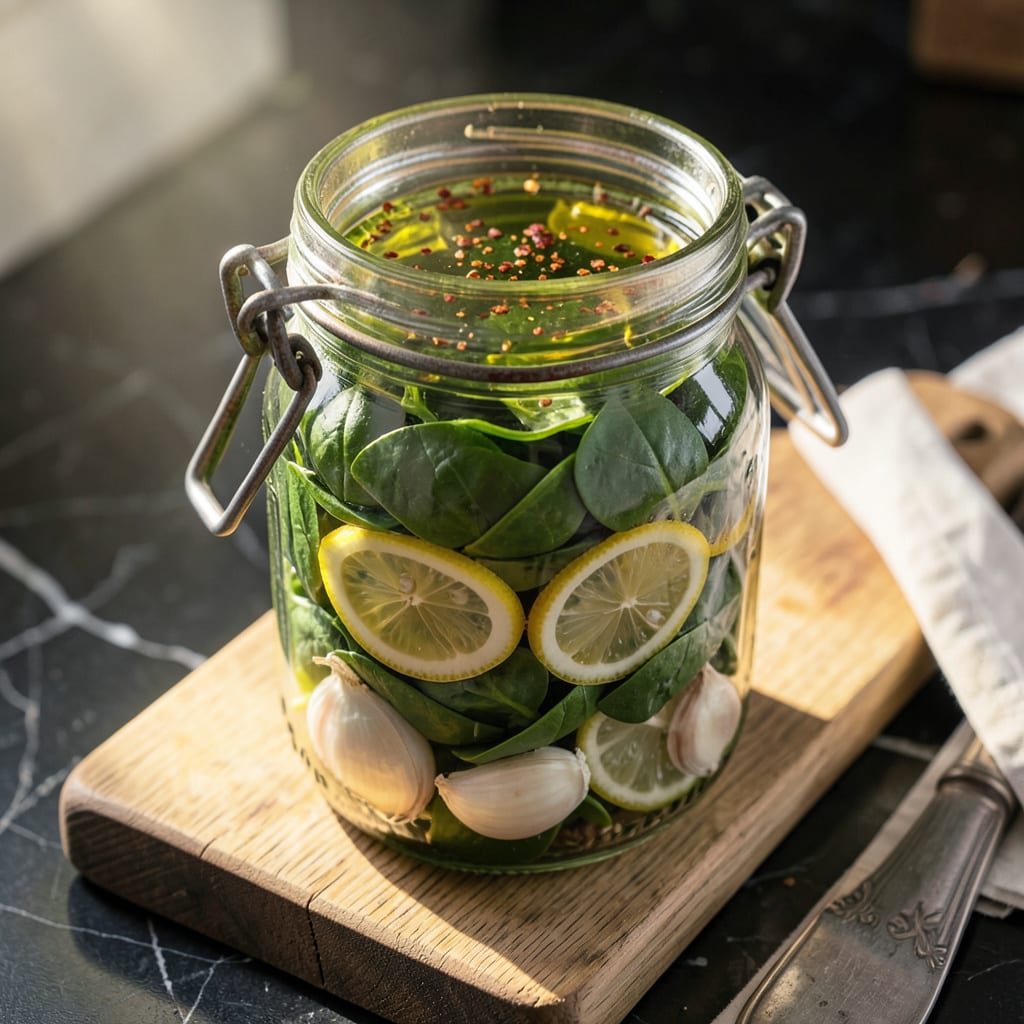
Preserving fresh spinach properly transforms this delicate green from a perishable item to a pantry staple that lasts for months. After years of experimenting with different methods, I’ve developed a reliable technique that maintains both color and nutritional value. The process is straightforward but requires attention to detail at each stage—particularly in the initial preparation and storage phases.
This method focuses on blanching and freezing, which locks in freshness while preventing freezer burn. You’ll need just three simple steps: thorough washing, precise blanching times, and proper packaging. What sets this approach apart is the careful balance between removing excess moisture (which causes ice crystals) and preserving the leaf structure. The result is spinach that retains its vibrant green hue and tender texture for up to six months.
The preserved spinach works seamlessly in cooked applications where fresh leaves would wilt immediately. I regularly use it in creamy curries, hearty soups, and even blended into smoothies—no thawing required. Unlike canned alternatives, this method maintains the vegetable’s natural flavor profile without added sodium or preservatives. The technique proves especially valuable during peak growing seasons when spinach is abundant and affordable.
What makes this preservation method particularly practical is its scalability. You can process small batches from your garden or large quantities purchased in bulk. The same principles apply whether you’re working with a handful of leaves or several pounds. Once mastered, this technique becomes an essential tool for reducing food waste while keeping nutritious greens on hand year-round.
📚 In This Guide
- What You’ll Need
- Instructions
- Tips and Common Mistakes
What Youll Need
- ● Fresh spinach: 1–2 lbs (450–900g) of crisp, vibrant leaves—avoid wilted or yellowed bunches. 🌿
- ● Water: 4–6 cups (ice-cold for blanching, room temp for rinsing).
- ● Ice: 2–3 cups (for an ice bath to halt cooking). ❄️
- ● Large pot: 5–6 quart capacity with a lid (for blanching).
- ● Slotted spoon or spider strainer: Heat-resistant, to lift spinach from boiling water.
- ● Colander: Medium-sized, for draining rinsed spinach.
- ● Clean kitchen towels or paper towels: 3–4 sheets (for patting dry).
- ● Air-tight containers or freezer bags: Quart-sized, BPA-free (for storage). Label with dates! 📅
- ○ Vacuum sealer (optional): For extended shelf life (up to 12 months).
- ○ Lemon juice or citric acid (optional): 1 tbsp per gallon of water (helps retain color).
- ○ Salad spinner (optional): Speeds up drying post-rinse.
- ● Permanent marker: For labeling containers with freeze dates.
Instructions for Preserving Spinach
This method ensures maximum freshness retention while maintaining nutritional quality and flavor integrity.
Select and Prepare Fresh Spinach
Begin by selecting the freshest spinach available, preferably organic with vibrant green leaves and no signs of wilting or yellowing. I recommend using baby spinach for its tenderness and faster processing time. Thoroughly rinse the leaves under cold running water to remove any dirt or debris, then transfer to a salad spinner or clean kitchen towels.
Pat the leaves completely dry – residual moisture will accelerate spoilage during preservation. For best results, I spread the leaves in a single layer on clean towels and gently roll them up to absorb all moisture. This preparation step is critical as any remaining water will form ice crystals during freezing, compromising texture and quality.
Blanch the Spinach for Optimal Preservation
Bring a large pot of water to a rolling boil, then prepare an ice water bath in a separate bowl. Working in batches to prevent overcrowding, submerge the spinach leaves in the boiling water for exactly 90 seconds. This blanching process deactivates enzymes that cause deterioration while preserving color and nutrients.
Immediately transfer the blanched spinach to the ice bath using a slotted spoon, ensuring complete submersion for 2-3 minutes to halt the cooking process. The leaves should maintain their bright green color and become slightly wilted but not mushy. Drain thoroughly in a colander, then gently press between clean towels to remove all excess moisture before proceeding.
Portion and Package for Long-Term Storage
Divide the blanched, dried spinach into practical portion sizes based on your typical usage. I recommend 1-cup portions for most recipes, which allows for easy measurement without thawing more than needed. Place each portion on a parchment-lined baking sheet, spreading the leaves in a single layer without overlapping.
Freeze the portions uncovered for 2-3 hours until completely solid. This initial freezing prevents the leaves from clumping together. Transfer the frozen portions to airtight freezer bags or vacuum-sealed bags, removing as much air as possible before sealing. Label each package with the date and contents, then return to the freezer for storage.
Proper Storage and Thawing Techniques
Store the packaged spinach at 0°F or below for optimal preservation. Under these conditions, the spinach will maintain peak quality for 10-12 months. Arrange packages in a single layer initially to allow for rapid freezing, then stack them once fully frozen to maximize freezer space.
When ready to use, remove only the needed portion from the freezer. For cooked applications like soups or sautés, add the frozen spinach directly to the dish without thawing. For salads or applications requiring fresh texture, thaw overnight in the refrigerator and use immediately – refreezing is not recommended as it will significantly degrade quality and texture.
Tips and Common Mistakes for Preserving Spinach
Mastering these preservation techniques ensures your spinach retains its vibrant color, nutritional value, and fresh flavor for months.
Blanching Precision: The 90-second blanch in Step 2 is non-negotiable for enzyme deactivation. Use a timer and work in small batches to maintain the water’s rolling boil—overcrowding lowers the temperature and compromises the process. I recommend a slotted spoon with large holes to drain quickly while minimizing leaf damage during transfer to the ice bath.
Moisture Elimination: After blanching, the 2-3 minute ice bath is equally critical, but what follows determines texture. Press the leaves between three layers of clean towels (not just one) and apply firm, even pressure. Residual moisture creates ice crystals that turn spinach mushy during freezing. This step alone separates professional-quality preservation from home attempts.
Freezing Strategy: The 2-3 hour initial freeze in Step 3 isn’t just about solidifying—it’s about creating individual leaf separation. Arrange portions on parchment with 1-inch spacing between piles to prevent freezing together. For vacuum sealing, freeze uncovered first, then seal; this prevents the bag from crushing delicate leaves during suction.
Storage Optimization: While 0°F maintains quality for 10-12 months, placement matters. Store packages against the freezer’s back wall where temperatures are most consistent, not in the door where fluctuations occur. For frequent use, keep one package in an easy-access bin and rotate your stock—always use oldest first to maintain peak quality.
Pro Tips for Preserving Spinach
- Mastering these preservation techniques ensures your spinach retains its vibrant color, nutritional value, and fresh …
- Blanching Precision: The 90-second blanch in Step 2 is non-negotiable for enzyme deactivation. Use a timer and work i…
- Moisture Elimination: After blanching, the 2-3 minute ice bath is equally critical, but what follows determines textu…
Frequently Asked Questions
How long does preserved spinach last in the freezer?
Frozen spinach stays fresh for 8–12 months if stored properly in airtight containers or freezer bags. For best quality, blanch it first (2–3 minutes in boiling water, then ice bath) to lock in color and nutrients. Label bags with the date to track freshness!
Can I preserve spinach without blanching?
Yes, but it won’t last as long! Unblanched spinach lasts 1–2 months in the freezer (vs. 8+ months blanched). Expect more texture changes—it’s best for cooked dishes like soups or smoothies. For raw uses (salads), freezing isn’t ideal.
What’s the best way to thaw frozen spinach?
For cooked dishes (quiches, dips), thaw spinach in the fridge overnight or microwave it on defrost mode. For smoothies, toss it in frozen! Never refreeze thawed spinach—it turns mushy and loses flavor. Try:
Why does my frozen spinach turn brown or slimy? Brown spots = oxidation (blanch longer next time!). Sliminess means moisture trapped during freezing. Fix it by:
Are there alternatives to freezing for preserving spinach?
Still safe to eat if no mold—just less pretty!
Preserving spinach doesn’t have to be complicated—with the right method, you can lock in freshness, flavor, and nutrients for months! 🥬✨ Whether you choose freezing, blanching, or vacuum-sealing, a little effort now means less waste and more delicious meals later. Ready to stock up? Start with a small batch today and see how easy it is to keep this superfood on hand whenever you need it. Your future self (and taste buds) will thank you!

Trained in classic French technique but raised on slow-cooked ribs and spicy rubs, she blends culinary skill with smoke and soul.
- Recipe for Boneless Pork Chops in Cast Iron Skillet: Sear and Baste to Juicy Perfection - October 3, 2026
- Recipe for Boneless Cross Rib Roast: Slow-Roasted Beef with Herb Crust - October 3, 2026
- Hamburgers in Sauce Recipe Crock Pot: Slow-Cooked Savory Delight - October 3, 2026