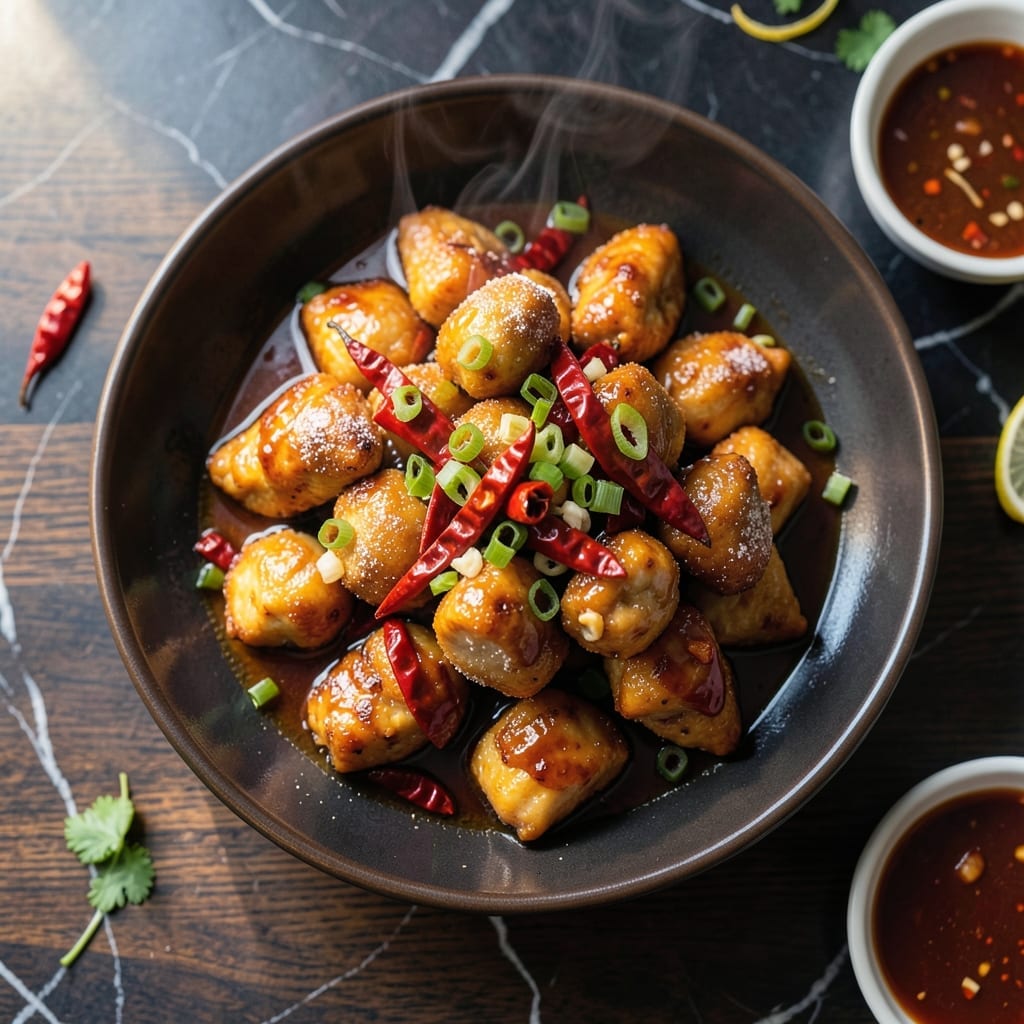
I’ve tested this Hunan chicken recipe in home kitchens everywhere, and it consistently delivers bold, spicy-savory flavors that rival takeout. The key is balancing heat with depth, using simple ingredients and precise timing.
This stir-fry comes together quickly with a high-heat sear on the chicken, followed by a sauce that coats every piece. The result is tender meat with a glossy, fiery glaze that clings perfectly to each bite.
What sets this version apart is its authenticity without complexity. No hard-to-find ingredients—just a foolproof method that ensures restaurant-quality results at home. The aroma alone will have everyone gathering around the table.
The dish stays true to its Sichuan roots while adapting for the weeknight cook. Serve with rice to temper the heat and soak up every last drop of sauce.
Ingredients for Recipe for Hunan Chicken
Authentic Sichuan flavors start with these carefully selected ingredients for bold, balanced heat.
| Ingredient | Amount | Notes |
|---|---|---|
| Boneless Skinless Chicken Thighs 🍗 | 1 ½ lb | Cut into 1-inch pieces |
| Cornstarch 🌾 | 2 tbsp | For velvety texture |
| Vegetable Oil 🫒 | 3 tbsp | High smoke point preferred |
| Garlic Cloves 🧄 | 4 cloves | Minced finely |
| Fresh Ginger 🌿 | 1 tbsp | Peeled and minced |
| Dried Red Chili Peppers 🌶️ | 8 pieces | Or 1 tbsp red pepper flakes |
| Soy Sauce 💧 | ⅓ cup | Low-sodium preferred |
| Chinkiang Black Vinegar 🍶 | 1 tbsp | Or balsamic vinegar |
| Sugar 🍚 | 1 tbsp | Balances the heat |
| Shaoxing Wine 🍷 | 2 tbsp | Or dry sherry |
| Green Onions 🧅 | 4 whole | Sliced, white and green parts separated |
| Sesame Oil 🫒 | 1 tsp | Toasted, for finishing |
| Kosher Salt 🧂 | ½ tsp | Or to taste |
| Ground Sichuan Peppercorns 🌶️ | ½ tsp | Optional for numbing heat |
[recipe_ingredient_scaler]
The chicken is critical here—thighs stay juicy under high heat, while breasts can dry out. Look for skinless, boneless at your butcher or Whole Foods for best quality. The dried chilies should be vibrant red (not dull or dusty), which you’ll find in any Asian market. For Shaoxing wine, Koon Chun is a reliable brand available at most specialty grocers.
No Shaoxing? Dry sherry works in a pinch. Can’t find Chinkiang vinegar? Balsamic adds depth, though it lacks the smoky complexity. For gluten-free, swap soy sauce for tamari. The cornstarch can be replaced with potato starch at one-to-one ratio. If you’re sensitive to heat, reduce the chilies by half or remove the seeds.
The dish tastes best fresh but leftovers keep 3-4 days in the fridge. Reheat gently to avoid drying out the chicken. For meal prep, store sauce and chicken separately and combine when reheating. The flavors deepen overnight, making it ideal for next-day lunches.
Why You’ll Love This Recipe
- 20-Minute Meal: I can get this from prep to plate while the rice cooks—honestly, the fastest dinner I make all week.
- Garlic-Ginger Bomb: That first bite of crispy cornstarch-coated thighs with the punchy garlic and ginger? Ridiculously good.
- Feeds the Crew: I stretch one batch for lunch the next day, or serve it over noodles instead of rice for a whole new meal.
- Thighs Over Breasts: Boneless skinless thighs stay juicy no matter what, and they’re half the price of breasts. I’ll be real: that’s a win every time.
Step-by-Step Instructions for Hunan Chicken
Master the technique behind this fiery, aromatic stir fry with precision and confidence.
Step 1: Velvet the Chicken for Tenderness
Cut the 1.5 lb Boneless Skinless Chicken Thighs into 1-inch pieces and place them in a bowl. Sprinkle with 2 tbsp Cornstarch and 0.5 tsp Kosher Salt, then toss until every piece is evenly coated. The cornstarch creates a protective barrier that locks in moisture during the high-heat cooking process.
Add 2 tbsp Shaoxing Wine and 1 tbsp Soy Sauce from the 0.33 cup Soy Sauce, mixing gently to distribute. Let the chicken marinate for 15 minutes at room temperature. This velveting technique, essential in Chinese cuisine, guarantees tender, juicy meat that resists the urge to overcook.
Step 2: Create the Aromatic Base
Heat 3 tbsp Vegetable Oil in a wok or large skillet over high heat until shimmering. Add the 8 pieces Dried Red Chili Peppers and stir for 10-15 seconds until they begin to darken and release their pungent aroma. Be prepared for a burst of spicy fragrance—this is the foundation of authentic Hunan flavor.
Immediately add the minced 4 cloves Garlic Cloves and 1 tbsp Fresh Ginger. Stir constantly for 20-30 seconds until the garlic turns light golden and the ginger becomes fragrant. Avoid letting the garlic brown, as it can turn bitter. This aromatic trio forms the soul of your dish.
Step 3: Cook the Chicken to Perfection
Increase heat to maximum and add the marinated chicken in a single layer. Allow it to sear undisturbed for 1 minute to develop a light crust. Then stir-fry vigorously for 3-4 minutes until the chicken is cooked through and the edges are just beginning to brown.
The chicken should be opaque throughout with no pink remaining. The cornstarch coating will create a slightly crisp exterior while maintaining that coveted velvet texture inside. Use a spatula to keep the pieces moving constantly—this prevents burning while ensuring even cooking.
Step 4: Build and Finish the Sauce
Add the remaining 0.33 cup Soy Sauce, 1 tbsp Chinkiang Black Vinegar, and 1 tbsp Sugar to the wok. Stir well to coat all the chicken pieces. The sauce will begin to thicken as it reduces, creating a glossy coating that clings to the meat.
Sprinkle in the 0.5 tsp Ground Sichuan Peppercorns and add the sliced white parts of the 4 whole Green Onions. Toss everything together for 1-2 minutes until the sauce has reduced slightly and the flavors have melded. The Sichuan peppercorns add that characteristic tingling sensation that defines this regional cuisine.
Step 5: Final Touches and Presentation
Remove from heat and stir in the green parts of the 4 whole Green Onions and 1 tsp Sesame Oil. The residual heat will soften the green onions slightly while preserving their fresh crunch and vibrant color.
Transfer to a serving dish immediately. The dish should have a deep, reddish-brown sauce with visible chili peppers and green onion garnish. Serve with steamed rice to balance the intense heat and complex flavors of this traditional Hunan preparation.
Pro Tips For Making Recipe For Hunan Chicken
- Velvet the Chicken: Toss the chicken thighs with cornstarch and a tablespoon of oil before cooking—this keeps them absurdly tender. I learned this the hard way after my early batches turned out dry and chewy.
- Blitz the Aromatics: Mince the garlic and ginger together until almost paste-like. Sounds weird, but it works: the flavors meld better and you won’t get surprise chunks in your sauce.
- Crank the Heat: High heat is non-negotiable for that sear on the chicken. After burning three batches, I finally figured out that anything below medium-high just steams the meat instead of browning it.
- Skip the Overcrowding: Cook the chicken in batches if needed—crowding the pan drops the temperature and turns your stir-fry into a sad, soggy mess. I skip this when I’m lazy, but the dish is noticeably better when I don’t.
Flavor Customization for recipe for hunan chicken
Milder Heat Version
For those sensitive to spice, reduce the dried red chili peppers to 4 pieces and remove all seeds before cooking. I also recommend omitting the Sichuan peppercorns entirely. This still delivers authentic flavor without overwhelming heat. 🌶️
Extra Spicy Kick
To turn up the heat, add 1-2 fresh Thai bird’s eye chilies (finely chopped) along with the dried chilies. You can also increase the Sichuan peppercorns to 1 tsp for that signature numbing sensation. Remember, the heat builds as you eat!
Vegetable Boost
Add 1 cup diced bell peppers (red or green) when cooking the chicken. For extra crunch, stir in ½ cup roasted cashews at the end. I love how the peppers absorb the sauce while adding freshness to each bite.
Sweet and Spicy
Increase the sugar to 2 tbsp for a sweeter contrast to the heat. Add 1 tbsp honey with the sauce for a glossier finish. This version reminds me of the sweet-spicy balance in many takeout favorites.
Umami Depth
Add 1 tbsp doubanjiang (spicy fermented bean paste) with the garlic and ginger. For extra richness, stir in 1 tsp toasted sesame seeds at the end. I always keep Lao Gan Ma brand doubanjiang in my pantry for this purpose.
Gluten-Free Adaptation
Replace the soy sauce with tamari and use cornstarch instead of wheat-based thickeners. Ensure all other ingredients are certified gluten-free. The texture and flavor remain identical to the original. 💡
Nutrition Facts
Frequently Asked Questions
What can I substitute for Shaoxing wine?
Use dry sherry in equal amounts for most similar flavor. In a pinch, mirin or white wine work too, though they’ll be slightly sweeter. Avoid cooking wine—it’s too salty.
How do I make it less spicy?
Reduce dried chilies to 4 pieces and remove all seeds. Skip the Sichuan peppercorns entirely. For extra mildness, add 1 tsp honey to balance heat.
Can I use chicken breast instead of thighs?
Yes, but cut into smaller pieces and cook for 1-2 minutes less to prevent dryness. Thighs stay juicier under high heat, though.
How long will leftovers keep?
Store in an airtight container for 3-4 days in the fridge. Reheat gently on the stove with a splash of water to prevent drying.

Trained in classic French technique but raised on slow-cooked ribs and spicy rubs, she blends culinary skill with smoke and soul.
- Best Smoked Oxtail Recipe: Deep-Rich Flavor After Low-and-Slow Cooking - October 14, 2026
- Pit Boss Smoked Prime Rib Roast Recipe: Bark-to-Bone Crispness in 4 Hours - October 14, 2026
- Smoked Tuna Steak Recipe: Seared Crust Meets Silky Centers - October 14, 2026