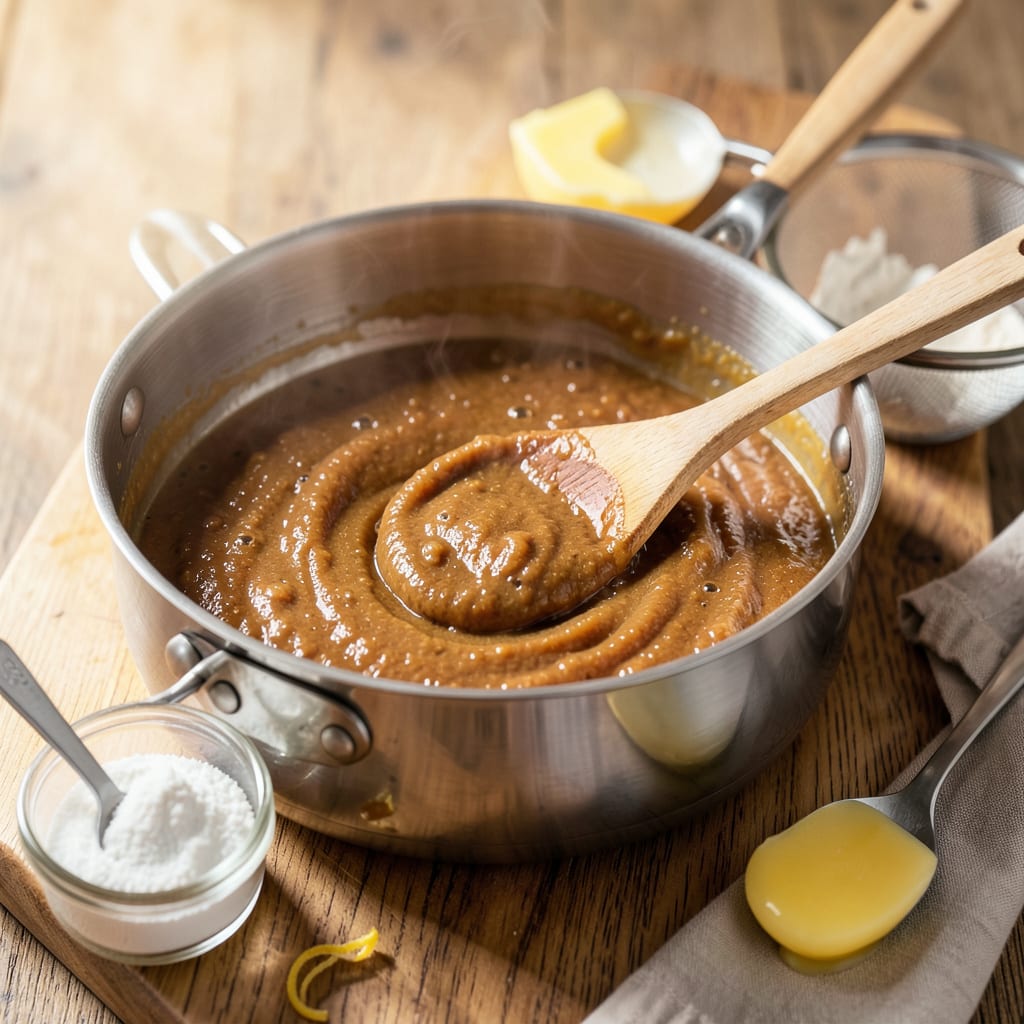
I’ll be real with you: traditional roux can be finicky, especially when you’re trying to keep things plant-based or just need a quicker option. This cornstarch-based method changed my sauce game completely. No more waiting for butter to brown or worrying about lumps—just a simple technique that delivers smooth, velvety gravies every time.
Here’s the thing—cornstarch works differently than flour. You’ll mix it with fat first (vegan butter or oil works perfectly), then whisk in liquid at medium heat. The key is patience: let it thicken gradually without boiling, or you’ll lose that perfect consistency. I use a 1:1 ratio of cornstarch to fat for most applications, adjusting liquid as needed.
This isn’t just for vegan cooking. I’ve used it for everything from dairy-free béchamel to rich turkey gravy. The cornstarch gives you that glossy finish professional sauces have, without any grainy texture. And because it’s cornstarch, it’s naturally gluten-free too—no special ingredients required.
Fair warning: this thickens fast. Keep your whisk ready and pull it off heat as soon as it reaches your desired consistency. Once you master this technique, you’ll never stress about gravy again. Let’s get that sauce perfect.
📚 In This Guide
- What You’ll Need
- Instructions
- Tips and Common Mistakes
What Youll Need
- ● Fat: ½ cup (1 stick) unsalted butter or ½ cup neutral oil (like vegetable or canola) for a dairy-free option 🧈
- ● Flour: ⅓ cup all-purpose flour (for a classic roux base)
- ● Cornstarch: 2 tbsp pure cornstarch (the magic thickener!)
- ● Liquid: 2 cups warm broth, milk, or stock (chicken, beef, or veggie—your pick!)
- ● Salt: ½ tsp (or to taste) for balancing flavors
- ● Heavy-bottomed saucepan (to prevent burning) 🍳
- ● Whisk (for smooth, lump-free mixing)
- ● Measuring cups/spoons (precision matters!)
- ○ Wooden spoon (optional, for stirring)
- ● 1 tsp Worcestershire sauce (for depth in savory gravies)
- ● ¼ tsp black pepper (a pinch for warmth)
- ● Cheesecloth (if straining for ultra-smooth texture)
Instructions
This simple technique combines classic roux with cornstarch for foolproof, velvety gravies every time.
Cook the Fat and Flour Base
Begin by melting your fat of choice (butter, oil, or drippings) in a heavy-bottomed saucepan over medium heat. You’ll need equal parts fat and flour by weight for a classic roux ratio. I prefer clarified butter for its high smoke point and clean flavor, but pan drippings add incredible depth to savory gravies.
Once the fat is hot and shimmering, whisk in the all-purpose flour. The mixture will immediately start to bubble and foam. Keep whisking constantly for 3-5 minutes until the raw flour smell disappears and the roux reaches your desired color—blonde for delicate sauces, peanut butter-colored for all-purpose gravies, or dark brown for rich, nutty flavors.
Create the Cornstarch Slurry
While the roux cooks, prepare your cornstarch slurry in a separate bowl. For every 1 cup of liquid you’ll be thickening, mix 1 tablespoon of cornstarch with 2 tablespoons of cold liquid (water, broth, or milk). The cold liquid prevents clumping and ensures smooth incorporation.
Whisk the slurry vigorously until completely smooth and free of lumps. I like to use a small wire whisk for this—it reaches into the corners of the bowl better than a fork. The slurry should have the consistency of heavy cream. Set it aside while you finish the roux.
Gradually Add Liquid and Incorporate
Slowly pour your warm (not boiling) liquid into the cooked roux while whisking constantly. Start with about ½ cup to create a smooth paste, then gradually add the remaining liquid. The mixture will thicken dramatically at first, then loosen as you add more liquid.
Once all liquid is incorporated, bring the mixture to a gentle simmer. Here’s where the magic happens: slowly whisk in your prepared cornstarch slurry. The combination of roux and cornstarch creates a double-thickening effect that’s more stable than either method alone.
Simmer to Perfect Consistency
Reduce the heat to medium-low and let the gravy simmer for 3-5 minutes, stirring frequently. You’ll notice it transform from a thin liquid to a velvety, coating consistency. The cornstarch will activate at 203°F, while the roux provides body and flavor.
To test for doneness, dip a spoon into the gravy and run your finger through it on the back of the spoon. If the trail holds its shape without running, your gravy is perfectly thickened. If it’s too thick, whisk in a splash of warm liquid. If too thin, simmer for 1-2 minutes longer—the cornstarch will continue to thicken as it cools slightly.
Finish and Serve
Remove the gravy from heat and stir in any final seasonings or enrichments. For savory gravies, I like to finish with a pat of butter for shine and a splash of cream for richness. Taste and adjust the seasoning—remember that flavors will intensify slightly as the gravy cools.
Serve the gravy immediately while hot, or keep it warm in a thermos or double boiler. This hybrid roux-cornstarch method creates gravies that hold their consistency beautifully, even when reheated. They’ll coat the back of a spoon perfectly and cling to your mashed potatoes or roasted meats without pooling.
Tips and Common Mistakes
Mastering this technique takes practice, but these insights will help you avoid common pitfalls and achieve perfect results every time.
The Heat Factor: When cooking your roux in Step 1, maintain that medium heat consistently—too high and you’ll burn the flour, too low and you’ll end up with a pasty, undercooked taste. I’ve found that 3-5 minutes is the sweet spot for developing flavor without crossing into burnt territory. Watch for the color transformation carefully; that peanut butter shade is your visual cue for most gravies.
Slurry Success: The cornstarch slurry in Step 2 is where many people stumble. Remember the ratio: 1 tablespoon cornstarch to 2 tablespoons cold liquid per cup of liquid you’re thickening. I can’t stress enough how important it is to use cold liquid here—warm or hot liquid will activate the cornstarch prematurely, creating impossible-to-remove lumps. Whisk vigorously until it’s completely smooth, with the consistency of heavy cream.
Simmering Strategy: During the 3-5 minute simmer in Step 4, resist the urge to walk away. Cornstarch activates at exactly 203°F, and you’ll see the gravy transform before your eyes. Stir frequently to prevent scorching on the bottom, and don’t be tempted to crank up the heat—medium-low is perfect for gentle, even thickening. The spoon test described in the instructions is your best indicator of doneness.
Consistency Control: If your gravy isn’t quite right after the initial simmer, don’t panic. Too thick? Whisk in warm liquid a tablespoon at a time. Too thin? Give it that additional 1-2 minutes of simmering as mentioned in Step 4. The beauty of this hybrid method is its forgiveness—unlike traditional roux-based gravies, the cornstarch gives you a wider window to achieve that perfect velvety texture.
Pro Tips for Roux With Cornstarch
- Mastering this technique takes practice, but these insights will help you avoid common pitfalls and achieve perfect r…
- The Heat Factor: When cooking your roux in Step 1, maintain that medium heat consistently—too high and you’ll burn th…
- Slurry Success: The cornstarch slurry in Step 2 is where many people stumble. Remember the ratio: 1 tablespoon cornst…
Frequently Asked Questions
Can I use cornstarch instead of flour for a roux?
Yes! Cornstarch makes a lighter, gluten-free roux that thickens sauces faster than flour. However, it has no browning power, so it’s best for white or blond roux (not dark). Use a 1:1 ratio to replace flour, but mix it with cold fat first to avoid clumping.
Why does my cornstarch roux get lumpy?
Lumps happen when cornstarch hits hot liquid too fast. To fix it, whisk vigorously while adding liquid slowly, or mix cornstarch with cold broth first. For stubborn lumps, strain the sauce or blend briefly with an immersion blender.
How long does a cornstarch roux take to thicken?
Cornstarch works fast—expect thickening in 1–3 minutes of simmering. Unlike flour roux, it reaches full thickness almost instantly but can thin if overcooked. Remove from heat as soon as it hits your desired consistency.
Can I make a cornstarch roux ahead of time?
Not ideal! Cornstarch roux loses thickening power when stored. Instead, pre-mix dry cornstarch with spices (1:1 with salt/pepper) and keep it in a jar. Cook fresh when needed—it takes mere minutes! For gravies, make the base sauce ahead and thicken with cornstarch slurry just before serving.
What’s the best cornstarch-to-liquid ratio for gravy?
Start with 1 tablespoon cornstarch per 1 cup liquid for medium thickness. For ultra-thick gravy (like sausage gravy), use 1.5 tablespoons. Pro tip: Mix cornstarch with cold liquid first, then whisk into hot sauce to prevent clumps!
Mastering a roux with cornstarch opens the door to velvety gravies, luscious sauces, and foolproof thickening—without the guesswork! 🎉 Whether you’re rescuing a runny stew or elevating a classic béchamel, this hybrid method blends tradition with convenience for consistently smooth results.
Ready to put your new skills to the test? Grab a whisk and try it in your next dish—your taste buds (and dinner guests) will thank you! For more sauce secrets, check out our guide on flour-free thickening alternatives.

Trained in classic French technique but raised on slow-cooked ribs and spicy rubs, she blends culinary skill with smoke and soul.
- Recipe for Boneless Pork Chops in Cast Iron Skillet: Sear and Baste to Juicy Perfection - October 3, 2026
- Recipe for Boneless Cross Rib Roast: Slow-Roasted Beef with Herb Crust - October 3, 2026
- Hamburgers in Sauce Recipe Crock Pot: Slow-Cooked Savory Delight - October 3, 2026