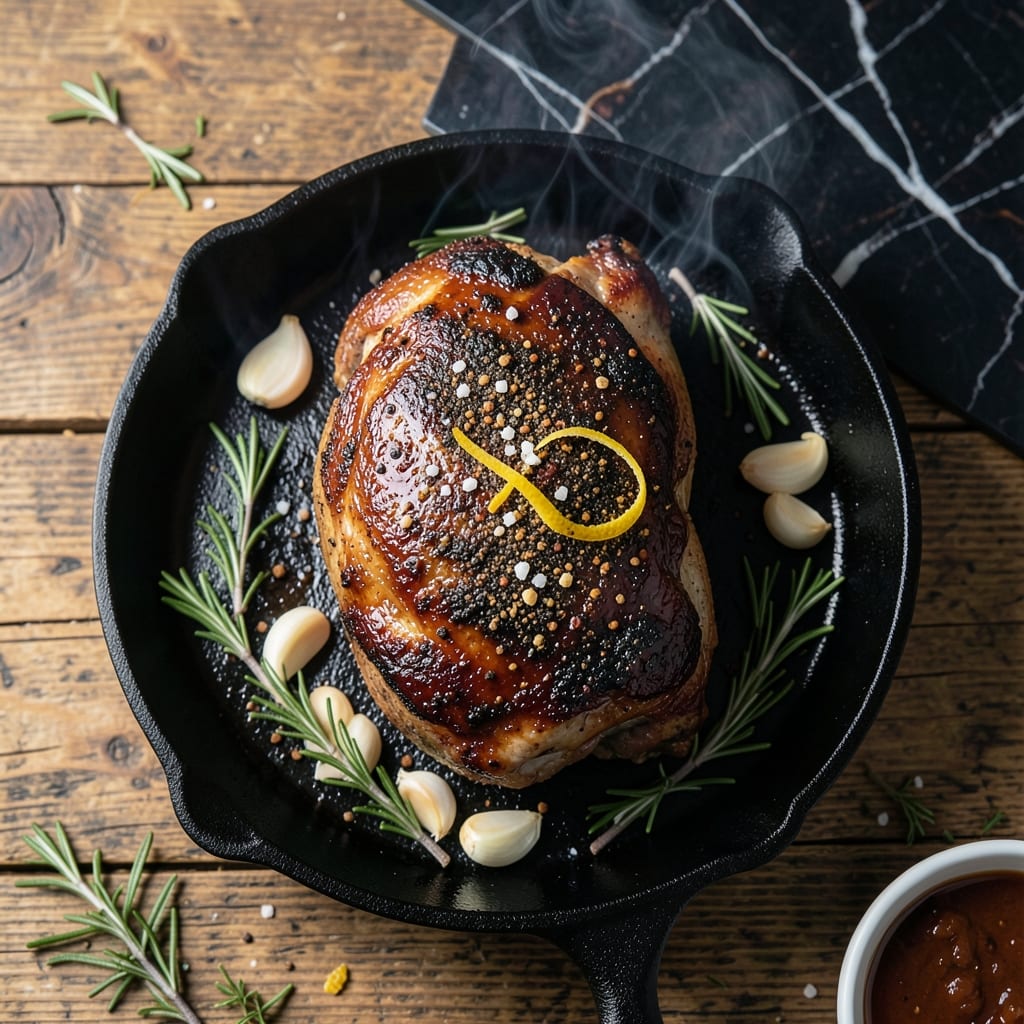
Achieving fall-off-the-bone smoked rump roast requires patience and precision. This method transforms a tough cut into tender, flavorful perfection using low and slow heat.
I’ve refined this technique over years of weekend smoking sessions, focusing on maintaining consistent 225°F temperatures and choosing the right wood—hickory or oak adds ideal depth without overpowering the beef.
The result is meat so tender it nearly dissolves with each bite, infused with smoky richness that only a dedicated smoker session can deliver.
Serve with classic sides for a meal that feels like a special occasion without the fuss.
Ingredients for Rump Roast Recipe Smoker
Transform a humble cut into smoked perfection with these carefully selected ingredients.
| Ingredient | Amount | Notes |
|---|---|---|
| Beef Rump Roast 🥩 | 3 lb | Well-marbled, trimmed of excess fat |
| Coarse Kosher Salt 🧂 | 1 ½ tbsp | Diamond Crystal preferred for even distribution |
| Freshly Ground Black Pepper 🌶️ | 1 tbsp | Coarsely ground for texture |
| Garlic Powder 🧄 | 1 tbsp | Not garlic salt for pure flavor |
| Onion Powder 🧅 | 1 tbsp | Balances the rub’s depth |
| Smoked Paprika 🌶️ | 1 tsp | Enhances natural smoke flavor |
| Brown Sugar 🧈 | 2 tbsp | Light or dark, for caramelization |
| Worcestershire Sauce 💧 | ¼ cup | Adds umami depth to the rub |
| Hickory Wood Chunks 🪵 | 4 pieces | Soaked in water for 30 minutes |
| Apple Cider Vinegar 🍏 | ¼ cup | For spritzing during smoking |
| Beef Broth 🥣 | 1 cup | Low-sodium preferred for control |
| Unsalted Butter 🧈 | ½ cup | For finishing and serving |
| Fresh Rosemary Sprigs 🌿 | 2 whole | Optional for added aroma |
[recipe_ingredient_scaler]
The beef is paramount here. Opt for a well-marbled rump roast—look for vibrant red color with white fat streaks. Costco or a trusted butcher will have the best selection. Avoid pre-cut stew meat; a whole roast ensures even cooking. Hickory wood is ideal for its strong, bacon-like smoke, but oak works as a milder alternative. Soak the chunks for 30 minutes to prevent rapid burning.
No hickory? Cherry or pecan wood offers a sweeter profile. Swap Worcestershire for soy sauce if needed, though the tang will differ slightly. Brown sugar can be substituted with turbinado, but reduce by 25% as it’s coarser. For a spicier rub, add cayenne at half the amount of smoked paprika. The apple cider vinegar spritz keeps the surface moist—skip the water.
Store the roast in the fridge for up to 3 days before smoking or freeze for 6 months. Wood chunks keep indefinitely in a dry place. The finished meat reheats beautifully—shred and use within 4 days or freeze portions for 3 months (worth the space).
Why You’ll Love This Recipe
- Set It & Forget It: I rub the roast with salt, pepper, garlic and onion powder, toss it in the smoker, and let the low heat do all the work.
- Smoky Garlic Bomb: The coarse salt and garlic powder form a crust so flavorful you’ll want to lick your fingers between every bite.
- Feeds a Hungry Table: One 4-pound rump roast turns into a mountain of pulled beef for sandwiches, tacos, or straight off the cutting board.
- Leftovers for Days: I always make extra—shredded beef freezes beautifully and reheats like it just came off the smoker.
Step-by-Step Instructions for Smoked Beef Rump Roast
This method guarantees tender, flavorful results with a beautiful bark every time.
Step 1: Prepare the Rump Roast with Dry Rub
Pat the 3 lb Beef Rump Roast completely dry with paper towels to ensure the rub adheres properly. In a small bowl, combine the 1.5 tbsp Coarse Kosher Salt, 1 tbsp Freshly Ground Black Pepper, 1 tbsp Garlic Powder, 1 tbsp Onion Powder, 1 tsp Smoked Paprika, and 2 tbsp Brown Sugar.
Apply the rub mixture evenly over all surfaces of the roast, pressing gently to create a uniform crust. Drizzle the 0.25 cup Worcestershire Sauce over the seasoned meat and rub it in thoroughly. Let the roast sit at room temperature for 30 minutes while you prepare the smoker.
Step 2: Set Up the Smoker with Hickory Wood
Soak the 4 pieces Hickory Wood Chunks in water for 30 minutes to ensure they produce clean, consistent smoke. Preheat your smoker to 225°F using the soaked hickory chunks as the primary heat source.
Fill the water pan with hot water to maintain moisture during the long cook. Place the 2 whole Fresh Rosemary Sprigs near the heat source for subtle aromatic infusion. Once the smoker reaches 225°F and produces thin blue smoke, it’s ready for the roast.
Step 3: Smoke the Roast to Ideal Internal Temperature
Place the roast directly on the smoker grates, fat-side up. Insert a meat probe into the thickest part of the roast. Smoke undisturbed for 3-4 hours, or until the internal temperature reaches 165°F.
Every 45-60 minutes, spritz the roast with the 0.25 cup Apple Cider Vinegar to keep the surface moist and enhance bark formation. Maintain the smoker temperature between 225-250°F throughout the cook.
Step 4: Wrap and Finish with Beef Broth
When the roast reaches 165°F, remove it from the smoker and wrap tightly in butcher paper or aluminum foil. Pour the 1 cup Beef Broth into the wrap to braise the meat during the final cooking phase. Return the wrapped roast to the smoker.
Continue cooking until the internal temperature reaches 200-205°F and the meat is probe-tender, which typically takes another 2-3 hours. The roast should feel like butter when pierced with a probe.
Step 5: Rest and Serve with Butter
Remove the roast from the smoker and let it rest in the wrap for 30-45 minutes. This allows the juices to redistribute for maximum tenderness. Unwrap the roast and transfer it to a serving platter.
Slice against the grain and serve with the 0.5 cup Unsalted Butter melted over the top for added richness. The finished roast should have a dark, flavorful bark and pull apart effortlessly with a fork.
Pro Tips For Making Rump Roast Recipe Smoker
- Pull at 195°F: I learned this the hard way—rump roast doesn’t get tender until it hits 195°F internal temp in the smoker. Anything less and you’ll be chewing for hours.
- Dry the Surface: Pat the roast completely dry with paper towels before seasoning. Sounds weird, but it works: the salt and spices stick better and form a proper bark.
- Skip the Overcrowding: Resist the urge to cram the smoker—leave at least an inch between the roast and the walls so the smoke can circulate evenly.
- Rest Under Foil: After pulling it off, tent the roast with foil and give it a solid 20 minutes before slicing. My grandmother swore by this, and she was right: it keeps all the juices inside.
Common Mistakes When Making Perfect Results
Skipping the Resting Period
I see so many beginners cut into their roast straight out of the smoker. Resting for 30-45 minutes is non-negotiable—it lets juices redistribute. Without this, you’ll lose all that beautiful moisture to the cutting board. 💪
Inconsistent Temperatures
Your smoker needs to stay between 225-250°F the entire time. Temperature swings cause tough meat. I use a ThermoWorks Smoke thermometer to monitor both the smoker and the roast’s internal temp.
Over-Smoking with Wood
Too much wood creates bitter, acrid flavors. Stick with 4 soaked hickory chunks for this 3 lb roast. Thin blue smoke is ideal—thick white smoke means your wood isn’t burning cleanly.
Neglecting the Spritz
Spritzing with apple cider vinegar every 45-60 minutes keeps the surface moist and builds a better bark. Skip this step and you’ll end up with dry, leathery meat.
Wrapping Too Early
Don’t wrap until the roast hits that 165°F mark. Wrapping early traps steam, which softens the bark. I wait until the bark is dark and firm before adding the beef broth.
Using Cold Meat
Always let your roast sit at room temperature for 30 minutes before smoking. Cold meat takes longer to cook and can develop a tough exterior before the inside warms up. 🌡️
Nutrition Facts
Frequently Asked Questions
What’s the ideal internal temperature for tender results?
Aim for 200-205°F internally. This ensures the connective tissue breaks down completely for that melt-in-your-mouth texture.
How long should I let the meat rest after smoking?
Rest for 30-45 minutes wrapped in foil or butcher paper. This lets juices redistribute so every bite stays moist and flavorful.
Can I use other wood types besides hickory?
Try oak for milder smoke or pecan for a sweeter profile. Avoid softwoods like pine—they create bitter flavors.
Why does my bark turn out too soft?
Wrapping too early traps steam. Wait until the roast hits 165°F and the bark firms up before wrapping with beef broth.

Trained in classic French technique but raised on slow-cooked ribs and spicy rubs, she blends culinary skill with smoke and soul.
- Stewed Beef Brisket Recipe: Deep-Rich Flavor After 8 Hours of Slow Simmering - October 15, 2026
- Beef Brisket Rolls Recipe: Flaky Layers and Smoky Sweet Filling - October 15, 2026
- Masterbuilt Smoker Beef Brisket Recipe: Bark-To-Meat Ratio Hack for Unmatched Flavor - October 15, 2026