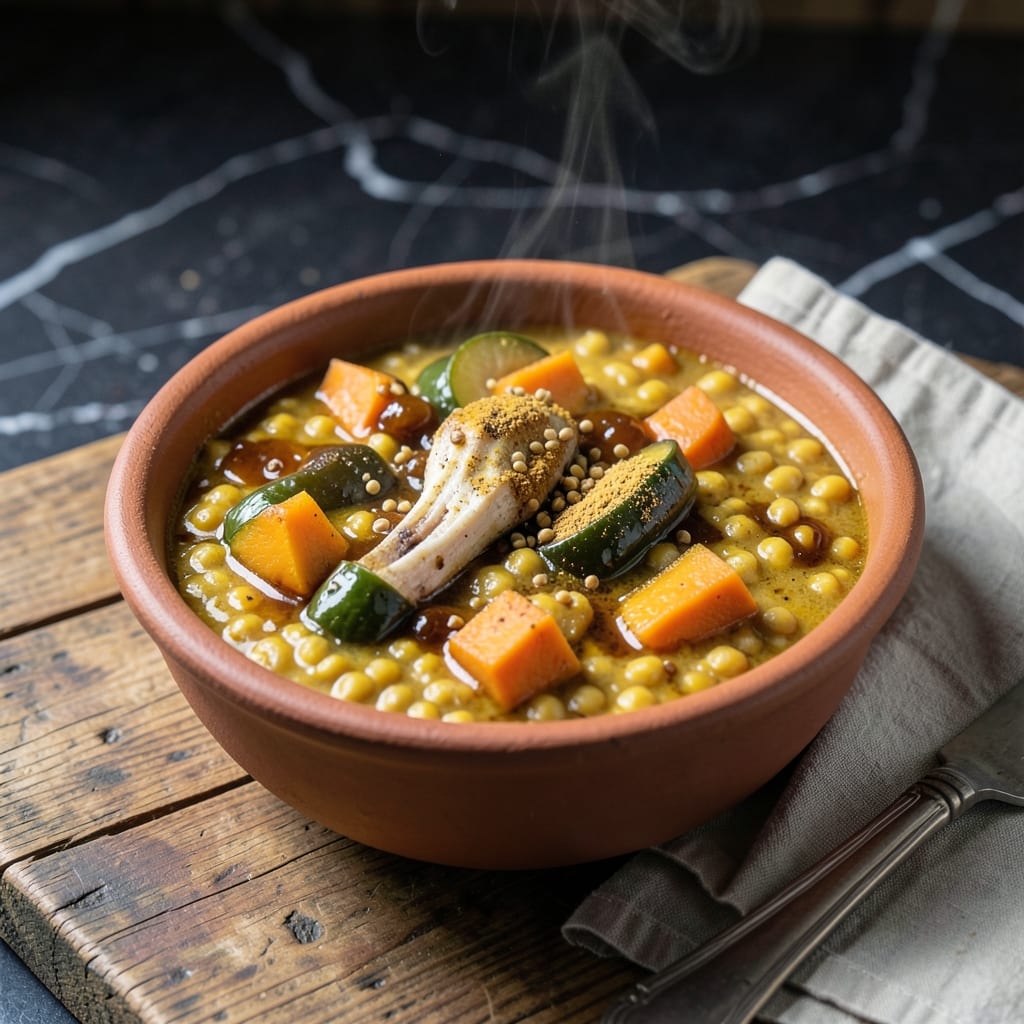
Few dishes capture South Indian comfort like a well-made sambar, with its perfect balance of tangy, spicy, and savory flavors. This lentil-based stew has become a staple in my kitchen after testing countless variations to achieve that restaurant-quality depth.
The foundation lies in properly tempering whole spices and tamarind pulp, which creates layers of aromatic complexity. I’ve refined this method to ensure the lentils remain tender while the vegetables absorb all those bold flavors during the 30-minute simmer.
What emerges is a hearty, fragrant stew that pairs beautifully with rice or dosa. The tamarind adds that signature tang, while the sambar powder delivers warmth without overwhelming heat.
David confirmed this version as the best yet—high praise from my toughest critic.
Ingredients for Sambar Recipe Cook with Parul
Pantry staples and fresh vegetables create this fragrant South Indian stew with layers of flavor.
| Ingredient | Amount | Notes |
|---|---|---|
| Toor Dal 🌾 | 1 cup | Rinsed and picked over |
| Tamarind Pulp 🍋 | 2 tbsp | Soaked in warm water |
| Sambar Powder 🌶️ | 2 tbsp | Store-bought or homemade |
| Turmeric Powder 🟠 | ½ tsp | For color and earthiness |
| Asafoetida 🌿 | ¼ tsp | Hing, essential for tempering |
| Mustard Seeds 🟡 | 1 tsp | For tempering flavor |
| Cumin Seeds 🌿 | 1 tsp | Whole, for aroma |
| Dried Red Chilies 🌶️ | 2 whole | Broken into pieces |
| Curry Leaves 🍃 | 10 pieces | Fresh preferred |
| Vegetable Oil 🫒 | 2 tbsp | For tempering spices |
| Drumsticks 🌿 | 2 whole | Cut into 2-inch pieces |
| Eggplant 🍆 | 1 whole | Medium-sized, cubed |
| Pumpkin 🎃 | 1 cup | Peeled and cubed |
| Tomato 🍅 | 1 whole | Large, chopped |
| Green Chili 🌶️ | 1 whole | Slit lengthwise |
| Salt 🧂 | 1 ½ tsp | Adjust to taste |
[recipe_ingredient_scaler]
The sambar powder is the soul of this dish—look for brands like MTR or MDH at Indian grocery stores or online. Fresh curry leaves and drumsticks are ideal, but Asian markets or frozen sections often carry them. Turmeric and asafoetida add depth, so don’t skip them. For authentic flavor, whole spices (mustard, cumin) are non-negotiable; ground versions won’t deliver the same punch during tempering.
No tamarind pulp? Lemon juice or kokum can substitute, though the tang will differ slightly. Out of drumsticks? Okra or long beans work well. Eggplant can be swapped for zucchini or bottle gourd. If sambar powder is unavailable, mix half the amount of coriander powder with red chili powder and a pinch of fenugreek. Fresh tomatoes are best, but canned will do in a pinch.
Leftover sambar tastes even better the next day as flavors meld. Store in an airtight container for up to 3 days in the fridge or freeze for 1 month. Reheat gently, adding a splash of water if too thick. The tamarind’s tang will mellow slightly over time, so adjust seasoning when reheating.
Why You’ll Love This Recipe
- One-Pot Wonder: I love that everything from toor dal to tamarind pulp simmers in a single pot—minimal cleanup, maximum flavor.
- Tangy Perfection: The tamarind and sambar powder combo hits that ideal sweet-sour-spicy balance every time.
- Weeknight Savior: Between us, this is my go-to for busy evenings—ready before I can even set the table.
- Stretches Far: One batch feeds us for two meals, and honestly, it tastes even better the next day.
Step-by-Step Instructions for South Indian Lentil Stew
Master this traditional method for a balanced, aromatic stew with authentic flavors.
Step 1: Pressure Cook the Toor Dal
Rinse the 1 cup Toor Dal thoroughly until the water runs clear, then drain. Transfer it to a pressure cooker and add 3 cups of fresh water along with 0.5 tsp Turmeric Powder and ½ tsp Salt. This turmeric gives the dal its signature golden hue.
Secure the lid and cook on medium-high heat for 3-4 whistles, then reduce to low heat for another 5-7 minutes. The dal should become soft enough to mash easily between your fingers. Turn off the heat and let the pressure release naturally—this prevents the dal from turning mushy.
Step 2: Prepare the Vegetables
While the dal cooks, chop the vegetables. Cut the 2 whole Drumsticks into 2-inch pieces and the 1 whole Eggplant into 1-inch cubes. Peel and cube the 1 cup Pumpkin into similar-sized pieces. Chop the 1 whole Tomato and slit the 1 whole Green Chili lengthwise.
Soak the 2 tbsp Tamarind Pulp in ¼ cup of warm water to extract the juice. This tangy element is crucial for balancing the earthy flavors of the dal and vegetables. Set all prepared ingredients aside until ready to use.
Step 3: Temper the Spices
Heat the 2 tbsp Vegetable Oil in a heavy-bottomed pot over medium heat. Add the 1 tsp Mustard Seeds and let them pop for 10-15 seconds. Immediately add the 1 tsp Cumin Seeds, 2 whole Dried Red Chilies, and 0.25 tsp Asafoetida. Stir for 30 seconds until the cumin turns aromatic and the chilies darken slightly.
Add the 10 pieces Curry Leaves and sauté for another 10 seconds until they release their fragrance. Be careful—they may splatter. Now add the chopped vegetables and sauté for 3-4 minutes until the eggplant begins to soften.
Step 4: Combine and Simmer
Pour the cooked dal into the pot with the tempered spices and vegetables. Add the 2 tbsp Sambar Powder, remaining 1 tsp Salt, and the soaked tamarind with its juice. Stir well to combine, then add 2 cups of water to achieve a stew-like consistency.
Bring the mixture to a boil, then reduce the heat to medium-low. Simmer uncovered for 15-20 minutes, stirring occasionally, until the vegetables are tender and the flavors meld together. The sambar should thicken slightly, with the oil glistening on the surface.
Step 5: Adjust and Serve
Taste and adjust the seasoning if needed. The flavors should be balanced—tangy from the tamarind, spicy from the chilies, and aromatic from the sambar powder. If it’s too thick, add a little warm water to reach your desired consistency.
Remove from heat and let it sit for 5 minutes to allow the flavors to deepen. Serve hot with steamed rice or idli for a complete South Indian meal. The sambar should have a vibrant color, with visible spices and tender vegetables in every spoonful.
Pro Tips For Making Sambar Recipe Cook With Parul
- Soak the Dal: I learned this the hard way—soak toor dal for at least 30 minutes before cooking to cut cooking time in half and avoid that chalky texture.
- Toast the Powder: Dry-roast sambar powder in 1 tsp oil for 30 seconds until fragrant before adding liquids—it wakes up the spices and deepens the flavor.
- Tame the Tamarind: Strain tamarind pulp through a sieve to remove fibers, or you’ll end up with stringy bits in your sambar that ruin the texture.
- Bloom the Asafoetida: Add asafoetida to hot oil first, then wait 10 seconds before adding other ingredients—this mellows its sharpness and spreads the flavor evenly.
Troubleshooting This Recipe
Dal Too Firm
If your dal isn’t soft after pressure cooking, you likely didn’t cook it long enough. I recommend cooking for an additional 2-3 whistles on medium-high heat, then letting the pressure release naturally. Testing with a fork helps—it should mash easily. 💡
Bitter Tamarind
Overly bitter tamarind can ruin the balance. Always taste your tamarind pulp before using—soak 2 tbsp in ¼ cup warm water and adjust quantity. If it’s too strong, reduce to 1 tbsp and add ½ tsp jaggery to counter the bitterness.
Spices Not Aromatic
Old spices lose their potency quickly. I learned this the hard way when my sambar tasted flat. Check expiration dates on your sambar powder and whole spices. For best results, use MTR or MDH brands and store in airtight containers away from light.
Vegetables Mushy
Adding all vegetables at once can lead to uneven textures. Start with harder veggies like drumsticks and pumpkin first, then add eggplant and tomato after 5 minutes of simmering. This ensures everything finishes perfectly tender. 🌟
Thin Consistency
If your stew is too watery after simmering, mash some of the cooked dal to thicken it naturally. Alternatively, simmer uncovered for an extra 5-10 minutes on medium-low heat.
Tempering Issues
Mustard seeds not popping? Your oil might not be hot enough. Heat 2 tbsp oil until shimmering before adding 1 tsp mustard seeds. If they burn, lower the heat and start fresh. David always reminds me that patience is key with tempering.
Nutrition Facts
Frequently Asked Questions
Can I use a different lentil instead of toor dal?
Yes, split pigeon peas or yellow lentils work as substitutes. Toor dal gives the classic texture, but masoor dal cooks faster. Adjust water to 2.5 cups for softer lentils.
How do I adjust the tanginess level?
Start with 1 tbsp tamarind and add more to taste. For extra tang, include ½ tsp lemon juice at the end. Balance with ½ tsp jaggery if too sharp.
Can I make this in a regular pot instead of a pressure cooker?
Soak the dal for 30 minutes first, then cook in a pot with 4 cups water for 45-60 minutes until soft. Stir occasionally to prevent sticking.
What if I don’t have drumsticks?
Substitute with okra, bottle gourd, or long beans. These hold their shape well during the 20-minute simmer. Cut into similar-sized pieces.

Trained in classic French technique but raised on slow-cooked ribs and spicy rubs, she blends culinary skill with smoke and soul.
- Recipe for Oven Roasted: Golden Crisp Perfection Without the Fryer - October 3, 2026
- Recipe for Fried Pork Chops With Flour: Crispy Crust and Juicy Centers - October 3, 2026
- Octopus Recipe Pan Fried: Crispy Edges With Tender Bites - October 3, 2026