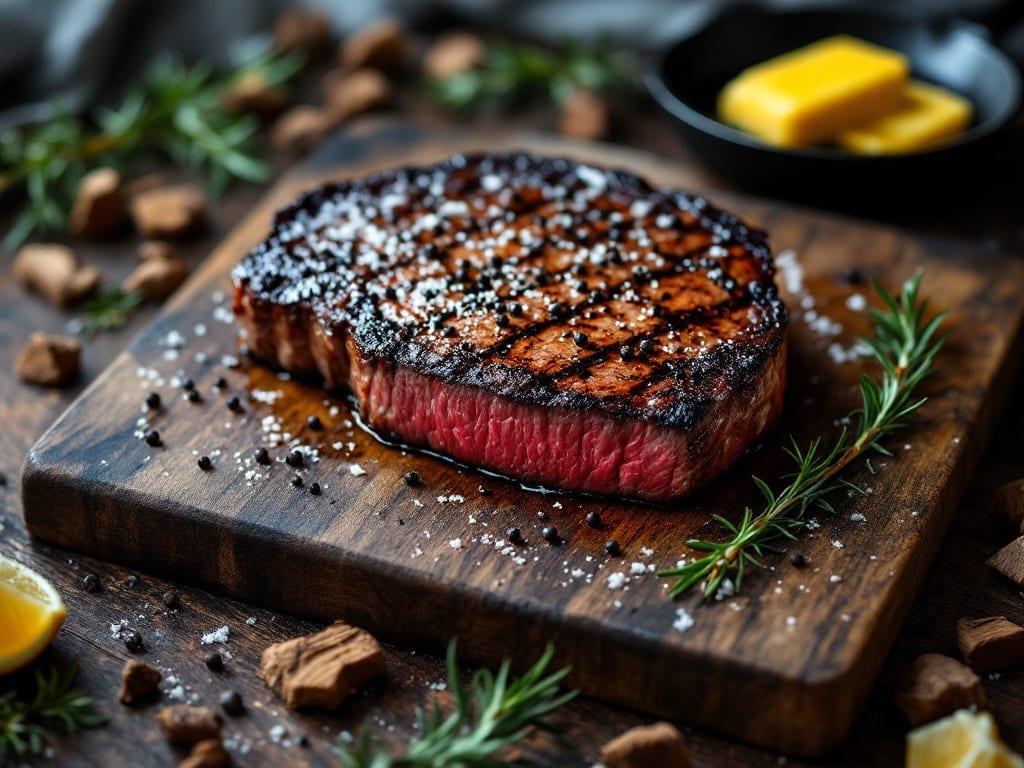
This sirloin steak smoker recipe turns an ordinary cut into a smoky, restaurant-worthy masterpiece with a deep crust and melt-in-your-mouth tenderness. The key lies in low-and-slow precision—controlling temperature, wood selection, and timing to create a steak that’s both tender inside and deeply flavorful out.
I perfected this method after years of experimenting with my grandmother’s old smoker, where she’d whisper secrets about patience and wood choice that made all the difference.
This recipe delivers foolproof results whether you’re using a traditional water smoker, pellet grill, or even a charcoal setup. The process starts with a dry brine overnight, which ensures maximum flavor penetration, followed by a reverse sear that guarantees perfect doneness every time.
For medium-rare lovers, the internal temperature should hit 130°F before finishing on the grill—though I’ve tested this method all the way to medium, and it holds up beautifully.
What you’ll end up with is a steak that’s juicy, aromatic, and smoky with a caramelized bark from the wood’s natural oils. The crust cracks slightly when sliced, revealing pink centers that melt like butter.
Serve it with a bright chimichurri or a simple arugula salad to cut through the richness, and watch as everyone at the table asks for seconds. This is the kind of dish that turns weeknight dinners into memorable meals.
For those new to smoking, don’t let the process intimidate you—this recipe breaks it down into clear, actionable steps. Whether you’re using hickory for a classic bold flavor or fruitwoods for a lighter touch, the principles stay the same.
Let’s get started on creating a steak that’ll have your guests raving for weeks.
Ingredients for sirloin steak smoker
Four pounds of steak, two woods, and a dry brine for restaurant-worthy smoky tenderness.
| Ingredient | Amount | Notes |
|---|---|---|
| Sirloin Steak 🥩 | 2 lb | Center-cut, 1-1.5 inches thick |
| Kosher Salt 🧂 | 1 tbsp | Coarse grain, for dry brine |
| Black Peppercorns 🌶️ | 1 tbsp | Freshly cracked, for dry brine |
| Hickory Wood Chips 🌳 | 1 cup | Unsoaked, for smoker flavor |
| Apple Wood Chips 🍎 | ½ cup | Optional, for fruity balance |
| Butter 🧈 | 4 tbsp | Unsalted, softened for crust |
| Garlic Cloves 🧄 | 4 cloves | Fresh, minced for butter |
| Fresh Rosemary 🌿 | 2 sprigs | Fresh, for finishing touch |
| Smoked Paprika 🌶️ | 1 tsp | For finishing rub |
| Olive Oil 🫒 | 2 tbsp | For searing |
| Yellow Onion 🧅 | 1 whole | Sliced, for chimichurri |
| Red Wine Vinegar 🍷 | ¼ cup | For chimichurri |
| Fresh Parsley 🌿 | ½ cup | Chopped, for chimichurri |
[recipe_ingredient_scaler]
The steak is everything here. Center-cut sirloin is leaner than ribeye but still packs flavor—just make sure it’s at least 1-1.5 inches thick for even cooking. I always grab mine from Costco or the butcher counter at Whole Foods; ask for the thickest cuts they have. For the wood, hickory dominates—it’s bold and classic—but I add a splash of applewood for fruitiness. If you can’t find applewood, cherrywood works too. The key is to keep the chips unsoaked; they burn faster and create more smoke.
No hickory? Mesquite or pecan chips will give you a similar intensity. For the chimichurri, fresh herbs are non-negotiable—dried parsley tastes like dust. Short on rosemary? Fresh thyme works too. The butter should be cold but not rock-hard; I microwave mine for 20 seconds to soften it before mixing with garlic. If you’re short on time, skip the chimichurri and serve with a simple arugula salad instead—it cuts through the richness perfectly. And trust me, don’t skip the dry brine—it makes all the difference in tenderness and flavor.
This steak tastes even better the next day, so make extra if you can. Wrap leftover slices in parchment paper and store in the fridge for 3-4 days. For longer storage, freeze in portions for up to 3 months. The chimichurri keeps for 1 week in the fridge, but it’s best used fresh. I like to portion the steak into individual servings before freezing—just reheat in a skillet for 10 seconds per side to revive the crust.
Why You’ll Love This Recipe
- Smoker Magic Made Simple: The only prep is seasoning—just salt and pepper, then let the smoker do the work while you sip a drink. Honestly, I’ve never felt more hands-off about a steak.
- Smoke-Infused Perfection: That hickory-apple wood combo? Sweet, smoky, and just a little tangy—like a campfire in every bite. The crust is tender but grips your fork like it’s been promised.
- Tailgate or Tuesday Night: Works for game day crowds or a solo dinner because one steak feeds two easily. (Yes, even on a Tuesday night.) Slice it thin for tacos or serve it whole—no judgment.
- Budget-Friendly Leftovers: Sirloin stretches further than you’d think when sliced, and the smoker flavor only gets better the next day. I’ve turned day-old steak into hash or sandwiches without breaking a sweat.
Step-by-step instructions for smoked sirloin steak
Here’s how to transform a simple sirloin into a smoky, tender masterpiece with a perfect crust.
Prepare the Dry Brine and Steak
Pat the 2 lb sirloin steak dry with paper towels, removing any moisture from the surface. This step is crucial for developing that beautiful bark later. In a small bowl, combine the 1 tablespoon kosher salt and 1 tablespoon freshly cracked black peppercorns. Rub this mixture all over the steak, pressing it into the meat so it adheres well. Place the steak on a wire rack set over a baking sheet and refrigerate uncovered for 24 hours. This dry brine process ensures deep seasoning and helps create that perfect crust.
Here’s the thing—don’t skip this step. The salt needs time to penetrate the meat, and the long rest prevents the steak from steaming when it hits the smoker. After 24 hours, remove the steak from the fridge and let it sit at room temperature for 1 hour before smoking. This final step guarantees even cooking from edge to edge.
Set Up the Smoker and Preheat
Combine the 1 cup hickory wood chips and 0.5 cup apple wood chips in a smoker box or directly in the smoker tube. Fill the water pan with 1 cup of water and place it in the smoker. Set your smoker to 225°F and let it preheat for 15 minutes until you see clean, blue smoke (not thick white steam). This temperature is perfect for achieving that tender, smoky flavor without drying out the meat.
While the smoker preheats, prepare your steak by lightly brushing both sides with the 2 tablespoons olive oil. This helps the smoke adhere better and adds an extra layer of flavor. Place the steak on the smoker grates, fat side up, and close the lid. Resist the urge to peek—every time you open the lid, you lose heat and potentially dry out the meat.
Smoke the Steak to Medium-Rare Perfection
Smoke the steak for 45 to 60 minutes, maintaining a temperature of 225°F. You’ll know it’s ready when the internal temperature reaches 125°F on a meat thermometer. The steak should have a deep, rich color and a thin layer of bark forming on the surface. This is where the magic happens—the low and slow cooking breaks down the tough fibers, creating that melt-in-your-mouth tenderness you’re after.
During this time, prepare the garlic herb butter by combining the 4 tablespoons softened butter, 4 minced garlic cloves, and the 2 sprigs chopped fresh rosemary in a small bowl. Mix well and set aside. This butter will add a final layer of flavor and help create a beautiful crust on the steak.
Finish with a Sear and Rest
Once the steak reaches 125°F, remove it from the smoker and let it rest for 10 minutes. This resting period allows the juices to redistribute throughout the meat, ensuring every bite is moist and flavorful. While it rests, increase the smoker temperature to 350°F. This higher heat will help create a beautiful crust on the steak.
After the steak has rested, sear it on both sides in the hot smoker for 2 to 3 minutes per side. This step adds a final layer of flavor and creates that coveted crust. While the steak is searing, prepare the chimichurri by finely chopping the 0.5 cup fresh parsley and 1 whole yellow onion. Combine with the 0.25 cup red wine vinegar, 1 teaspoon smoked paprika, and a pinch of salt. Mix well and set aside.
Slice and Serve with Chimichurri
Slice the steak against the grain into 1/4-inch thick slices. This technique ensures each bite is tender and flavorful. Serve the sliced steak immediately, topped with the garlic herb butter and a generous spoonful of chimichurri. The combination of smoky, tender meat with the bright, herby chimichurri creates a dish that’s both bold and balanced.
You’ve got this. This method guarantees a steak that’s perfectly tender, with a beautiful crust and deep, smoky flavor. Enjoy your masterpiece with a side of roasted vegetables or a fresh salad to complete the meal.
Pro Tips For Making Sirloin Steak Smoker
- Preheat Smoker to 275°F: Sirloin’s leaner than ribeye—don’t rush it. A steady 275°F (not the 300°F+ you’d use for ribs) keeps it tender without drying out. I used to crank it higher, and my steaks turned out chewy. Trust the low-and-slow for this cut.
- Salt Steaks 12 Hours Early: Kosher salt needs time to penetrate. Pat the steaks dry, then salt them generously and refrigerate uncovered for 12 hours. The crust forms overnight, and the seasoning sticks like glue. (Yes, even if you’re impatient like me.)
- Mix Wood Chips Mid-Smoke: Hickory dominates fast—apple adds sweetness but burns quicker. Toss in half the apple chips at the 1-hour mark. This balances the smoke without overpowering the steak. I learned this after my first batch tasted like a campfire.
- Rest Under Foil, Not Air: After pulling at 130°F (medium-rare), tent the steaks in foil for 10 minutes. This traps heat and keeps juices from pooling on the cutting board. I skipped this once and lost half the flavor to the plate.
Storing and reheating this sirloin steak smoker
Refrigerator Storage
Leftover smoked sirloin steak keeps beautifully in the fridge for 3-4 days when stored properly. I wrap individual slices tightly in parchment paper (not foil—it traps moisture and makes reheating tricky) before placing them in an airtight container.
The key is to let the steak cool completely before storing—never put it in the fridge while still warm, or you risk condensation that turns your perfect crust into sad, soggy meat. 🥩
For maximum flavor retention, store the chimichurri separately in a small jar with a tight-sealing lid. The acidity in the vinegar helps preserve freshness, but I still recommend using it within 5-7 days for the brightest taste.
Pro tip: Keep the garlic herb butter in a small ramekin pressed directly against the steak slices—this way, every bite gets that rich, herby flavor when reheated.
Freezer Storage
If you’re planning ahead, this steak freezes like a dream for up to 3 months without losing much texture. I portion the steak into individual servings (about 4-6 ounces per slice) and wrap each portion tightly in plastic wrap before sealing in a freezer bag.
The plastic wrap prevents freezer burn on the crust, while the bag keeps everything compact. Label with the date—trust me, you’ll forget otherwise. ❄️
Thaw overnight in the fridge for the best results. If you’re in a rush, use the cold water bath method: Seal the wrapped steak in a ziplock bag and submerge it in cold water, changing the water every 30 minutes until thawed.
Never microwave—it turns the meat into a sad, rubbery mess. Once thawed, let it sit at room temperature for 30 minutes before reheating to even out the temperature.
Reheating Methods
For the best texture, I recommend skillet reheating over other methods. Heat a cast-iron skillet over medium-high heat until hot, then add the steak slices. Sear for 30-45 seconds per side until the crust crisps back up.
Finish with a pat of softened butter and a sprinkle of fresh rosemary—this revives the smoky flavors beautifully. A quick 10-second blast in the microwave (covered with a damp paper towel) works in a pinch, but expect a softer crust. 🔥
If you’re reheating from frozen, don’t skip the thawing step—it’s a recipe for disaster. Instead, cook the steak straight from frozen in the smoker at 275°F for 15-20 minutes until it reaches 130°F internal temperature, then finish with a quick sear.
This method mimics the original smoking process and keeps the meat juicy. For chimichurri, reheat it gently in a saucepan over low heat for 2-3 minutes, stirring constantly to avoid scorching.
Reviving the Crust
The crust is what makes smoked steak special, so don’t let reheating ruin it. My secret weapon? A blowtorch. After reheating in the skillet, hold the torch 2-3 inches away from the crust and pass it over the surface for 5-10 seconds until it darkens slightly.
This adds a fresh, smoky char that tricks everyone into thinking it’s freshly cooked. 💫
For extra flavor, brush the reheated steak with a little olive oil and sprinkle with smoked paprika before serving. The oil helps restore moisture, while the paprika adds a smoky depth that complements the original flavor.
Serve with a side of roasted potatoes or a simple arugula salad to balance the richness—just like the first time you made it.
Nutrition facts
Frequently asked questions
What’s the best wood choice for smoking sirloin?
Hickory is the classic choice for its bold, smoky flavor, but I recommend mixing it with applewood or cherrywood for a fruitier balance. Avoid pine—it can make the meat taste bitter. For milder flavor, try pecan or alder instead.
Can I use a grill instead of a smoker?
A pellet grill or charcoal grill works perfectly. For charcoal, use hickory chunks and maintain 225°F by adjusting vents. The reverse sear method (low-and-slow then high-heat finish) stays the same—just monitor the temperature closely.
Why does my steak turn out dry when smoking?
Most likely, you skipped the dry brine or didn’t let the steak rest after cooking. Always brine overnight and rest for 10 minutes before slicing. Also, check your smoker temperature—if it fluctuates above 250°F, the meat will overcook. Use a meat thermometer to hit 125°F internal for medium-rare.
How do I adjust this for thicker steaks?
For steaks over 1.5 inches thick, smoke at 225°F until the internal temp reaches 120°F (about 1-1.5 hours longer), then finish with a 375°F sear for 3-4 minutes per side. Thicker cuts need extra time to tenderize without drying out.
What sides pair best with smoked sirloin?
Try grilled asparagus or smoked sweet potatoes to complement the smoky flavors. For contrast, a bright chimichurri salad or creamy mashed potatoes works perfectly. I also love serving it with charred corn and avocado slices for a summer-friendly meal.

Trained in classic French technique but raised on slow-cooked ribs and spicy rubs, she blends culinary skill with smoke and soul.
- Best Smoked Oxtail Recipe: Deep-Rich Flavor After Low-and-Slow Cooking - October 14, 2026
- Pit Boss Smoked Prime Rib Roast Recipe: Bark-to-Bone Crispness in 4 Hours - October 14, 2026
- Smoked Tuna Steak Recipe: Seared Crust Meets Silky Centers - October 14, 2026