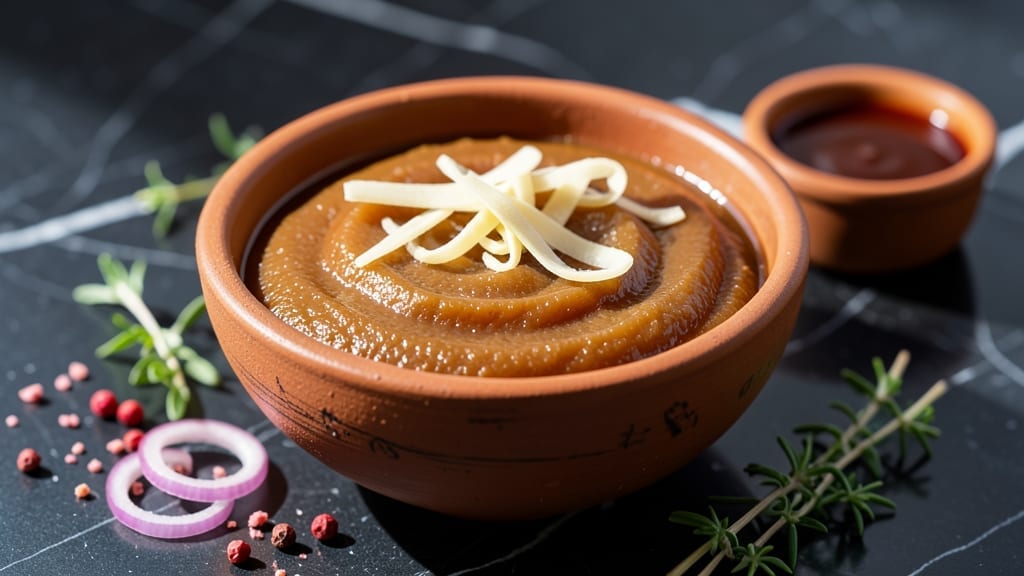
This smoked apple butter recipe transforms ordinary apples into a velvety, caramelized spread with deep smoky notes that elevate grilled meats and desserts alike. After years of perfecting the balance between sweetness and smoke, I developed a method that delivers restaurant-quality results at home—no fancy equipment required.
The key lies in slow-cooking apples with spices and a touch of smoke, creating a spread that’s rich, complex, and impossible to resist.
The process begins with peeling, coring, and slicing apples into even pieces, ensuring they cook uniformly. A blend of cinnamon, nutmeg, and smoked salt—plus a handful of applewood chips—infuses the apples with warmth and depth as they simmer for hours.
Unlike store-bought versions, this recipe builds layers of flavor through time, not shortcuts. The result? A spread that’s smooth, aromatic, and packed with caramelized sweetness.
What you’ll end up with is a versatile condiment that works as a glaze for pork chops, a topping for vanilla ice cream, or a sweetener for oatmeal.
The smoky undertones add complexity to savory dishes, while the natural sweetness shines in desserts. This isn’t just apple butter—it’s a game-changer for any meal.
Ready in about 2 hours (with minimal hands-on time), this recipe makes enough to fill jars for gifting or stock your pantry. Store it in the fridge for up to 2 weeks or freeze for longer shelf life. Let’s get started on creating this rich, smoky masterpiece.
Ingredients for smoked apple butter
Pantry staples meet smoky sophistication—transforming simple apples into a velvety, restaurant-worthy condiment.
| Ingredient | Amount | Notes |
|---|---|---|
| Honeycrisp Apples 🍎 | 4 lb | Peeled, cored, sliced into even pieces |
| Apple Cider Vinegar 🍏 | ¼ cup | For acidity balance |
| Cinnamon Sticks 🌿 | 4 whole | For infusion, removed after cooking |
| Ground Cinnamon 🌶️ | 1 tbsp | For depth of flavor |
| Ground Nutmeg 🌿 | ½ tsp | Freshly grated preferred |
| Smoked Salt 🧂 | 1 tsp | Hickory or applewood preferred |
| Applewood Smoking Chips 🌳 | 1 package | For smoky aroma infusion |
| Pure Maple Syrup 🍯 | ½ cup | Grade B for richer flavor |
| Vanilla Extract 🌸 | 1 tsp | Pure vanilla preferred |
| Extra-Virgin Olive Oil 🫒 | 1 tbsp | For smooth texture |
[recipe_ingredient_scaler]
The apples are the foundation—Honeycrisp delivers the perfect balance of sweetness and tartness, but Fuji or Granny Smith work beautifully too. For optimal results, source organic apples from local farmers markets or specialty grocers like Whole Foods—their flavor intensity is unmatched. The applewood smoking chips should be 100% natural, free from additives, and available at Trader Joe’s or Costco in bulk. If you’re unable to find smoked salt, create your own by mixing 1 tsp kosher salt with 1/2 tsp liquid smoke—just ensure it’s applewood-based to complement the flavor profile. The maple syrup must be Grade B for its deeper, caramelized notes; Wyman’s of Maine is a professional-grade favorite.
No applewood chips? Hickory or cherry wood chips provide a similar depth, though the flavor will differ subtly. Substituting smoked paprika at 1/2 tsp can mimic some of the smokiness, but it won’t replicate the full experience. Running short on cinnamon sticks? Ceylon cinnamon offers a more delicate flavor, but cassia is the traditional choice for boldness. The vanilla extract can be swapped for vanilla bean paste if you prefer a more intense aroma, though it will slightly alter the texture. For a lower-sugar option, reduce the maple syrup to 1/3 cup and add 1 tbsp date syrup to retain moisture without overpowering the apple’s natural sweetness. Always ensure your smoked salt is freshly ground—pre-ground varieties lose their potency quickly.
This smoked apple butter develops deeper flavor with time, so reheat gently on the stove or in a water bath if it thickens after refrigeration. Store in sterilized glass jars with airtight lids in the fridge for up to 3 weeks or freeze for 6 months—the smoke and spices intensify over time, making it even more complex. For gifting, portion into small jars and tie with twine for a rustic touch. The olive oil helps create a silky texture; if you prefer a lighter finish, reduce it to 1 tsp and add 1 tsp lemon juice instead. Always taste before serving—adjust sweetness with maple syrup or acidity with apple cider vinegar as needed.
Why You’ll Love This Recipe
- No-Fuss Smoking Setup: I’ll be honest—most recipes with a smoker make me nervous, but this one’s foolproof. Just toss those applewood smoking chips in your smoker at 250°F, and the cinnamon sticks do all the heavy lifting while you stir every 30 minutes. No fancy equipment, just a heavy-bottomed pot and a little patience.
- Crave-Worthy Smoky Sweetness: That smoked salt and apple cider vinegar combo? Game-changer. The Honeycrisp apples turn into a velvety spread with a smoky depth that’s not cloying—more like a warm hug for your taste buds. Trust me, the vanilla extract at the end ties it all together perfectly.
- Pantry Staple Magic: You’ve got ground cinnamon and nutmeg already? Great. This recipe turns basic spices into a showstopper. Slap it on toast, mix it into yogurt, or dollop it over grilled chicken—it’s the kind of thing that makes you feel like a home-cooking hero without any fuss.
- Leftovers That Last: I made this last weekend and still have jars from it. The maple syrup and olive oil keep it rich and spreadable for weeks, and the flavor only gets better as it sits. Freeze extras for winter—your future self will thank you when you’re craving that smoky-spiced warmth on a cold night.
Step-by-step instructions for smoked apple butter
Transform fresh apples into a velvety, smoky-sweet spread that elevates any grilled dish.
Prepare the Apples and Smoking Setup
Begin by peeling, coring, and slicing the 4 lb Honeycrisp apples into even ¼-inch thick pieces. I use a mandoline for consistency, but a sharp knife works too. Transfer the slices to a large, heavy-bottomed pot that fits your smoking equipment—this will be your cooking vessel.
In a separate bowl, combine the ¼ cup apple cider vinegar, ½ cup pure maple syrup, 1 tbsp ground cinnamon, ½ tsp ground nutmeg, 1 tsp smoked salt, and 1 tbsp extra-virgin olive oil. Whisk until fully dissolved. This mixture forms the flavor base that will infuse the apples during cooking.
Set up your smoker according to manufacturer instructions, using the 1 package applewood smoking chips for a subtle, aromatic smoke. Maintain a steady temperature of 250°F—this low-and-slow approach ensures the apples cook evenly without burning.
Smoke and Simmer the Apple Mixture
Place the sliced apples in the pot and pour the prepared vinegar-maple mixture over them. Add the 4 cinnamon sticks and stir gently to combine. The liquid should just cover the apple slices—if it doesn’t, add 2 tablespoons water. Cover the pot with a lid that allows for smoking (or use a smoking lid accessory).
Smoke the apples for 2 hours, stirring every 30 minutes to prevent sticking. You’ll notice the apples begin to soften and release their juices, creating a thick, aromatic liquid. The smoke should permeate the mixture, adding depth without overpowering the natural sweetness of the apples.
After 2 hours, remove the cinnamon sticks. Increase the heat to medium-low and simmer uncovered for an additional 30 minutes. This step reduces the liquid slightly and intensifies the flavors. The mixture should now resemble a thick, jam-like consistency with visible apple chunks.
Blend and Finish the Apple Butter
Use an immersion blender to puree the apple mixture directly in the pot. I blend in batches for 30-45 seconds each, scraping the sides to ensure all the apple pieces are incorporated. For a smoother texture, strain through a fine-mesh sieve if desired—though I prefer a rustic, slightly chunky finish.
Return the blended mixture to the pot and stir in the 1 tsp vanilla extract. Simmer uncovered for another 15 minutes to allow the flavors to meld fully. The apple butter should now coat the back of a spoon and have a glossy sheen. Taste and adjust seasoning if needed—add more 1 tsp smoked salt for saltiness or ½ cup maple syrup for sweetness.
For a professional finish, transfer the apple butter to sterilized jars while warm. Seal tightly and let cool to room temperature before refrigerating. The flavor will continue to develop over 24 hours, becoming richer and more complex. Store in the refrigerator for up to 3 months or freeze for extended shelf life.
Pro Tips For Making Smoked Apple Butter
- Slice Apples Uniformly: That ¼-inch thickness isn’t arbitrary—it ensures even cooking. If your knife skills are rusty, use a mandoline, but if you’re freehanding, take your time. Uneven slices mean some apples stay crunchy while others turn to mush, and nobody wants that fight in their spread.
- Whisk the Vinegar-Maple Mix: Don’t just toss in the apple cider vinegar and maple syrup—whisk that mixture properly until the ground cinnamon and nutmeg dissolve completely. I’ve seen clumps of spice turn into flavorless lumps in the final product, and it’s a shame after all that work.
- Stir Every 30 Minutes: The apples will stick to the pot like they’re auditioning for a horror movie if you ignore them. Stirring breaks up clusters, lets the smoke circulate, and keeps the texture smooth. Yes, it’s tedious, but skipping this step turns your apple butter into a gloppy mess.
- Blend in Batches: One full blast of the immersion blender will turn your pot into a science experiment. Work in small batches—30-45 seconds each—scraping the sides between goes. This keeps the motor from overheating and ensures you don’t end up with a lumpy, half-blended disaster.
Best sauces and condiments for these flavors
Sweet and Smoky Pairings
This apple butter shines when paired with grilled pork chops—just brush a hot chop with a thin layer before serving. The smoky sweetness caramelizes beautifully on the grill, creating a perfect balance of flavors.
I like to serve it with applewood-smoked bacon for an extra layer of depth. The saltiness of the bacon cuts through the butter’s richness, making every bite more complex. 🔥
Dessert Elevations
For dessert lovers, this spread transforms vanilla ice cream into a gourmet treat. Drizzle a spoonful over scoops for a rustic, smoky twist on classic apple pie flavors. It also pairs wonderfully with buttery shortbread cookies—just spread a thin layer before baking for a caramelized crust.
The smoky notes add an unexpected sophistication to simple treats.
Savory Surprises
Don’t limit yourself to sweet applications—this apple butter works surprisingly well on grilled chicken breasts. After cooking, brush the chicken with a thin layer and let it caramelize slightly. The sweetness complements the smoky grill flavors, while the nutmeg adds an earthy warmth.
I’ve also used it as a glaze for roasted root vegetables, creating a sweet-and-spicy contrast to the earthy potatoes and carrots.
Beverage Complements
Pair your smoked apple butter with a bold red wine like Cabernet Sauvignon to balance the sweetness and smoke. The tannins in the wine cut through the butter’s richness, creating a harmonious flavor profile.
For a non-alcoholic option, try sparkling apple cider—the effervescence cleanses your palate between bites, letting the apple butter’s flavors shine. A cold dark beer like a Belgian Dubbel also works beautifully, with its caramel and spice notes complementing the apple’s depth.
Unexpected Twists
Add a spoonful to mashed potatoes for a sweet and smoky twist on a classic side dish. The apple butter’s depth adds an unexpected complexity that elevates the dish from ordinary to extraordinary. I’ve also mixed it into oatmeal for breakfast, creating a hearty, flavorful start to the day.
For a savory application, spread it on grilled cheese sandwiches—the smoky sweetness pairs perfectly with sharp cheddar and buttery bread. 💛
Nutrition facts
Frequently asked questions
Why does this recipe call for both cinnamon sticks and ground cinnamon?
The cinnamon sticks infuse the apples with aromatic warmth during cooking, while the ground cinnamon adds deeper flavor once blended. This dual approach creates a richer, more complex spice profile that balances the smoky sweetness perfectly. The sticks are removed after smoking, so you’re left with just the concentrated ground cinnamon’s warmth in your final product.
Can I use a regular stovetop instead of a smoker?
While a smoker creates authentic smoke flavor, you can mimic it by placing a small bowl of applewood chips in a heat-safe dish on the stovetop burner (turned off) while cooking. The heat will release subtle smoky aromas into your apples. If you don’t have chips, a pinch of smoked paprika stirred in at the end adds a similar depth.
What if my apple butter gets too thick while storing?
Simply reheat it gently in a double boiler over low heat, stirring occasionally until it reaches your desired consistency. Add a splash of warm water or apple juice if needed to thin it out. The butter will continue to thicken as it cools, so adjust while warm. This method works perfectly for restoring texture after refrigeration.
How do I adjust the sweetness level if my apples are very tart?
Reduce the maple syrup by 1 tablespoon and add an extra ½ teaspoon of apple cider vinegar to balance the acidity. Taste as you go—you can always add more sweetness later, but cutting tartness requires precision. The natural sugars in the apples will caramelize during cooking, so don’t overcompensate upfront.
Can I make this recipe without vanilla extract?
Yes, but you’ll miss the subtle floral depth it adds. Substitute with ½ teaspoon of almond extract for a nutty alternative, or skip it entirely—your butter will still be delicious, just with slightly less complexity. The vanilla enhances the smoky-sweet harmony that makes this recipe special.

Trained in classic French technique but raised on slow-cooked ribs and spicy rubs, she blends culinary skill with smoke and soul.
- Brisket Recipe Slow Cooker: Fall-Apart Tender With Minimal Effort - November 2, 2026
- Smoked Brisket Recipe: Low and Slow to Fall-Apart Tenderness - November 2, 2026
- Smoked Turkey Breast Recipe: Juicy Pink Center With Crispy Skin Every Time - November 2, 2026