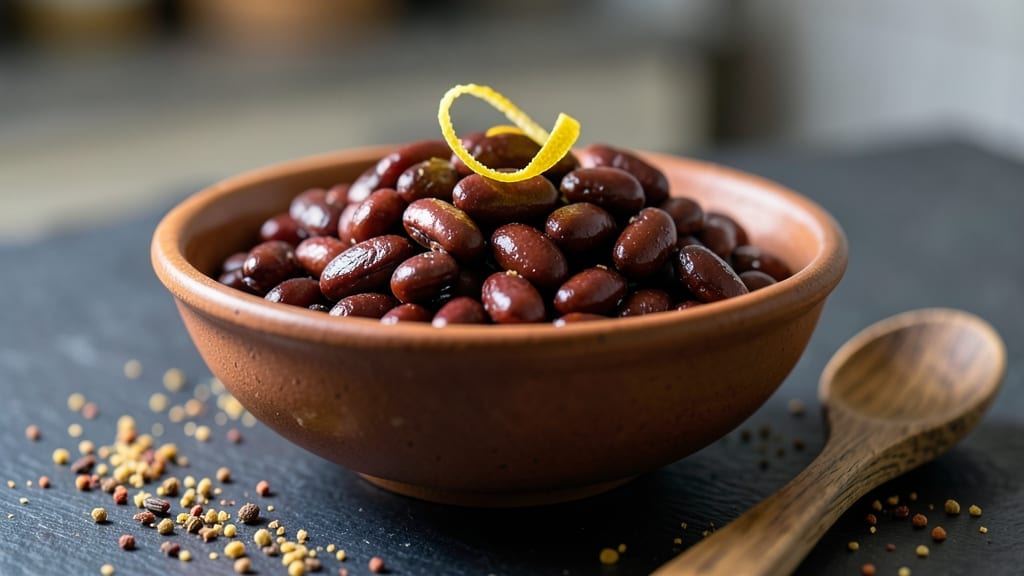
There’s nothing quite like the deep, smoky aroma of perfectly smoked baked beans—where tender beans meet caramelized edges and a sweet-savory sauce that lingers long after the last bite.
I developed this recipe after years of perfecting slow-smoked techniques, blending my love for hickory smoke with the rich tradition of baked beans. The key lies in the balance of heat and time, transforming simple ingredients into something extraordinary.
This method delivers restaurant-quality results with just a few pantry staples and a smoker or oven. We’ll start with navy beans soaked overnight for maximum tenderness, then slow-cook them with a mix of broth, molasses, and spices until they’re fall-apart tender.
The real magic happens when we finish them under the smoke—creating those crispy edges while keeping the centers perfectly soft.
By the end, you’ll have a pot of beans that’s rich, smoky, and perfectly balanced—with a sauce that’s sweet enough to satisfy but never cloying. The aroma alone will have everyone gathering around your table, and the texture?
That perfect contrast of crispy edges and creamy centers is what makes this recipe unforgettable.
Serve these beans alongside pulled pork, grilled chicken, or even as a hearty vegetarian main with cornbread. The versatility is just one reason this recipe has become a staple in my kitchen—and now, yours. Let’s get started on creating that smoky sweetness.
Ingredients for smoked baked beans
Pantry staples meet smoky magic—where tender navy beans transform into restaurant-quality perfection.
| Ingredient | Amount | Notes |
|---|---|---|
| Navy Beans 🌱 | 3 cups | Drained, soaked overnight |
| Hickory Smoked Sausage 🌭 | 1 lb | Chopped, for depth |
| Chicken or Vegetable Broth 🍲 | 4 cups | Low-sodium preferred |
| Molasses 🍯 | ½ cup | Unsulphured for smoothness |
| Brown Sugar 🍚 | ½ cup | Packed, for caramelized edges |
| Apple Cider Vinegar 🍎 | 2 tbsp | Brightens the flavor |
| Smoked Paprika 🌶️ | 1 tbsp | For authentic smokiness |
| Garlic Cloves 🧄 | 4 cloves | Roughly chopped, aromatic |
| Onion 🧅 | 1 whole | Yellow, diced finely |
| Salt 🧂 | 1 ½ tsp | Diamond Crystal preferred |
| Black Pepper 🔥 | ½ tsp | Freshly cracked, bold |
| Bacon 🍖 | 6 slices | Crisped for garnish |
| Hickory Wood Chips 🌳 | 1 package | Soaked 30 mins before smoking |
[recipe_ingredient_scaler]
The navy beans are your foundation. Soak them overnight—this cuts cooking time and ensures they stay creamy, not mushy. I always grab Great Value or generic brands from the store; they’re cheaper and just as good as name brands. For the smoked sausage, Andouille or kielbasa works better than regular breakfast sausage—they hold up to the long cook and add more depth. Hickory wood chips are non-negotiable for that signature aroma; Traeger or Weber brands are reliable, but any quality chips will do if soaked properly. Skip the pre-soaked ones—they lose potency fast.
No smoked sausage? Add 1 cup of liquid smoke to the broth for that same depth, or swap in smoked turkey bacon for a lighter option. Unsure about the unsulphured molasses? Regular molasses works fine—just expect a slightly stronger flavor. The apple cider vinegar is key for brightness; Trader Joe’s has a great organic version that’s budget-friendly. For the onions, yellow or red work equally—just dice them small so they dissolve into the sauce. And if you’re short on time, use canned beans (rinsed well) but soak them first to avoid mushiness.
These beans taste even better the next day. Store in an airtight container in the fridge for up to 5 days, or freeze portions in 1-quart containers for up to 3 months. For the best texture, don’t skip the crisping step—bake at 400°F for the last 15 minutes to get those coveted caramelized edges. The bacon slices? Crisp them first and sprinkle on top right before serving—they’ll add a salty crunch that cuts through the sweetness. And if you’re feeding a crowd, double the recipe—it reheats beautifully and tastes even richer.
Why You’ll Love This Recipe
- I’ll be real: the molasses and brown sugar combo gives these beans that caramelized edge you just can’t resist. It’s like eating a little dessert with every bite, but the hickory smoked sausage keeps it from tasting too sweet. That apple cider vinegar? It brightens everything up so the flavors don’t get too heavy.
- Smoke-Free Weeknights: Honestly, this is my secret weapon for when I don’t have time to preheat an oven but still want something special. Just soak the navy beans overnight, chop the sausage and onion, and let the smoker do the heavy lifting. The hickory wood chips handle all the hard work while you prep the rest—no babysitting required.
- Molasses Magic: I’ll be real: the molasses and brown sugar combo gives these beans that caramelized edge you just can’t resist. It’s like eating a little dessert with every bite, but the hickory smoked sausage keeps it from tasting too sweet. That apple cider vinegar? It brightens everything up so the flavors don’t get too heavy.
- Leftovers That Shine: These beans taste even better the next day, and honestly, they’re perfect for meal prep. Double the batch, and you’ve got breakfast, lunch, or a quick dinner covered. My kids love them cold in a sandwich, and I’ll sneak extra into my lunchbox. Plus, the crispy bacon on top makes it feel like a treat every time.
Step-by-step instructions for smoked baked beans
Here’s how to build rich, smoky depth with perfectly caramelized edges—no shortcuts, just slow-cooked magic.
Soak and Prep the Beans for Maximum Tenderness
Start by draining the soaked 3 cups Navy Beans and rinsing them thoroughly under cold water. This removes excess starch that can make your beans gummy during cooking. Place them in a large bowl and cover with fresh cold water by about 2 inches—this ensures they’re fully submerged. Let them soak for at least 4 hours or overnight in the refrigerator. The longer they soak, the more tender they’ll become, but even 4 hours makes a noticeable difference.
After soaking, drain the beans again and give them a quick rinse. This step is crucial because it prevents the beans from becoming overly thick or pasty as they cook. Transfer them to a large Dutch oven or heavy pot—this vessel will help distribute heat evenly and prevent scorching at the bottom. The beans should fit comfortably with room to stir, so don’t crowd them.
Build the Smoky-Sweet Base with Bacon and Aromatics
While the beans cook, crisp the 6 slices Bacon in a cold skillet over medium heat. Let them render their fat slowly—this is where the deep, smoky flavor develops. Once the bacon reaches golden brown and crispy edges, remove it from the skillet with a slotted spoon and set it aside on paper towels to drain. Reserve the bacon fat in the skillet; you’ll use it to sauté the aromatics.
In the same skillet with the bacon fat, add the 1 finely diced Onion and cook over medium heat for 5-6 minutes until soft and translucent. Add the 4 roughly chopped Garlic Cloves and cook for another 30 seconds until fragrant. Here’s the thing—garlic burns quickly, so keep an eye on it. Once the garlic is golden and smells amazing, transfer it to the Dutch oven with the beans. This aromatic base will infuse the entire dish with flavor.
Layer Flavors and Simmer the Beans
Add the 1 lb chopped Hickory Smoked Sausage, 4 cups Chicken or Vegetable Broth, ½ cup Molasses, ½ cup packed Brown Sugar, 2 tbsp Apple Cider Vinegar, 1 tbsp Smoked Paprika, 1½ tsp Salt, and ½ tsp Black Pepper to the Dutch oven with the beans. Stir everything together until the beans are fully coated in the liquid and all the ingredients are evenly distributed. The mixture should look rich and slightly syrupy—this is where the deep, complex flavors start to develop.
Bring the mixture to a gentle boil over medium-high heat, then immediately reduce the heat to low. Here’s the key: you want a slow, steady simmer—not a rolling boil, which can cause the beans to break apart. Cover the pot and let it cook for 2 hours, stirring occasionally. This long, slow cook time allows the beans to absorb all the smoky, sweet flavors while developing that signature tender texture. If the liquid reduces too much and the beans start to stick, add a splash of water or broth to keep them moist.
Smoke for Crispy Edges and Deep Flavor
While the beans simmer, prepare your smoker by soaking the 1 package Hickory Wood Chips in water for 30 minutes to prevent them from burning. Set your smoker to 225°F and let it preheat for 15 minutes until you see clean, blue smoke. Once the beans have simmered for 2 hours, carefully transfer them to a heatproof baking dish that fits your smoker. The goal is to add that unmistakable smoky depth while creating crispy edges on the top.
Smoke the beans uncovered for 1-1½ hours, stirring occasionally to ensure even exposure to the smoke. You’ll know they’re ready when the edges develop a deep caramelized crust and the aroma is irresistibly smoky-sweet. The beans should be fork-tender but still hold their shape. If the edges aren’t crispy enough after 1 hour, return the dish to the smoker for another 15-30 minutes. This step is what transforms your beans from good to extraordinary—don’t rush it.
Finish with Crispy Bacon and Serve Warm
Once the beans are perfectly smoked and crispy on top, remove them from the smoker and let them rest for 10 minutes. This resting period allows the flavors to meld and the beans to absorb any remaining liquid. Crumble the 6 slices crispy Bacon on top of the beans and toss gently to distribute it evenly. The bacon adds a final layer of smoky richness and a satisfying crunch that contrasts beautifully with the tender beans.
Serve the beans warm, straight from the pot, with the crispy bacon scattered on top. Each bite should deliver a perfect balance of smoky, sweet, and savory flavors, with that irresistible crispy edge. These beans are ideal for a hearty meal—pair them with cornbread, crusty rolls, or even as a filling for smoked brisket sandwiches. The longer they sit, the more the flavors deepen, so enjoy them while they’re warm and the edges are still crispy.
Pro Tips For Making Smoked Baked Beans
- Skip the Vinegar Shortcut: If you’re in a hurry, you might think skipping the 2 tbsp Apple Cider Vinegar won’t matter—but it does. That tang cuts through the sweetness and keeps the molasses and brown sugar from making the beans cloying. I’ve made this dish without it, and the flavor just feels flat. Trust me, that little splash makes a real difference.
- Soak Beans Properly: I used to think 4 hours of soaking was enough, but after burning through a batch of gummy beans, I learned: cover them with 2 inches of fresh cold water and let them soak overnight if possible. The longer they soak, the more tender they get, and the less likely they are to turn mushy. Don’t skip the final rinse after draining—starch buildup is what turns good beans into glue.
- Smoke at 225°F: Your smoker might tempt you to crank it higher for faster results, but 225°F is non-negotiable for these beans. Any hotter, and you’ll get bitter smoke instead of that slow, deep infusion. I’ve rushed it before, and the edges burned before the flavor developed properly. Patience here guarantees that perfect smoky-sweet balance.
- Stir While Smoking: The moment you transfer the beans to the smoker, stir them every 20-30 minutes. The edges need even exposure to smoke and heat to caramelize properly. I’ve walked away, only to come back to one side undercooked and another side burnt. A quick stir keeps everything consistent—no guesswork, just even, crispy perfection.
Storing and reheating your smoked baked beans
Refrigerator Storage
After smoking, let your beans cool for 10 minutes before transferring them to airtight glass containers—I swear by Pyrex for its durability. Store them in the fridge at 40°F or below for up to 5 days.
The flavors actually deepen overnight as the spices meld together, but they’ll still taste amazing day one. I always make extra knowing they’ll only get better with time. ❄️
Freezing for Later
For longer storage, divide the beans into 1-quart freezer bags (I use Baggie brand for their sturdy seals) and lay them flat to save space. Freeze for up to 3 months—the texture stays perfect if you avoid crushing the beans.
Label each bag with the date so you can track freshness. When ready to eat, thaw overnight in the fridge for even reheating.
Reheating on the Stovetop
This is my preferred method because it preserves the crispy edges. Pour the beans into a heavy-bottomed pot, add ¼ cup water or broth to prevent sticking, and heat over medium-low for 10-15 minutes.
Stir occasionally and taste—beans often need a pinch of salt after reheating. The residual heat from the smoker helps maintain that perfect texture. 🔥
Microwave Reheating
For quick meals, microwave individual portions covered with a damp paper towel. Heat on 70% power for 2-3 minutes, stir, then continue in 1-minute intervals until reaching 165°F.
Add a splash of water if it looks dry. The microwave softens the edges slightly, but the beans still taste delicious—just not quite as restaurant-perfect.
Oven Crisping
If you notice the edges have softened during storage, give them a final crisp before serving. Spread the beans on a baking sheet, drizzle with 1 tbsp melted butter, and broil for 2-3 minutes.
Watch closely—they’ll crisp up in seconds! This works especially well for leftovers, bringing back that coveted texture. I do this when feeding a crowd to guarantee everyone gets the full experience.
Serving Temperature Tips
Serve your beans at room temperature for the best flavor contrast—especially when paired with cold drinks or fresh cornbread. If serving immediately after reheating, let them sit for 5 minutes to let the flavors redistribute.
The crispy bacon garnish should be added right before serving so it stays crunchy. Trust me, that first bite after a long weekend is always worth the wait. 💛
Nutrition facts
Frequently asked questions
Why do I need to soak the navy beans overnight?
Soaking the 3 cups Navy Beans overnight breaks down tough fibers, making them tender and creamy—no mushy texture! This step is crucial for that perfect mouthfeel. Even 4 hours works, but overnight soaking ensures maximum tenderness and prevents the beans from becoming overly thick during cooking.
Can I skip the smoker and use my oven instead?
Yes! Transfer the beans to a baking dish and broil for 15-20 minutes at 400°F for that smoky-sweet depth. For extra crispy edges, add a drizzle of brown sugar before broiling. The oven won’t replicate the smoker’s aroma, but it’ll still deliver rich, caramelized beans.
What if my beans aren’t crispy enough after smoking?
No worries—return them to the smoker for another 15-30 minutes or finish under the broiler for 2-3 minutes at 400°F. The key is patience; those crispy edges take time. If reheating leftovers, add a splash of water and broil briefly to restore crispiness.
Can I make these beans ahead of time?
They taste even better the next day. Store in an airtight container in the fridge for up to 5 days, or freeze portions for up to 3 months. Just reheat gently on the stovetop with a splash of broth to revive the flavors. The spices meld beautifully over time!

Trained in classic French technique but raised on slow-cooked ribs and spicy rubs, she blends culinary skill with smoke and soul.
- Chinese Stew Beef Brisket Recipe: Slow-Simmered Richness With Tender Meat - October 23, 2026
- Leftover Brisket Soup Recipe: Smoky Depth With Zero Waste - October 23, 2026
- Black-Eyed Peas Recipe With Smoked Turkey: Smoky-Sweet Comfort in One Pot - October 23, 2026