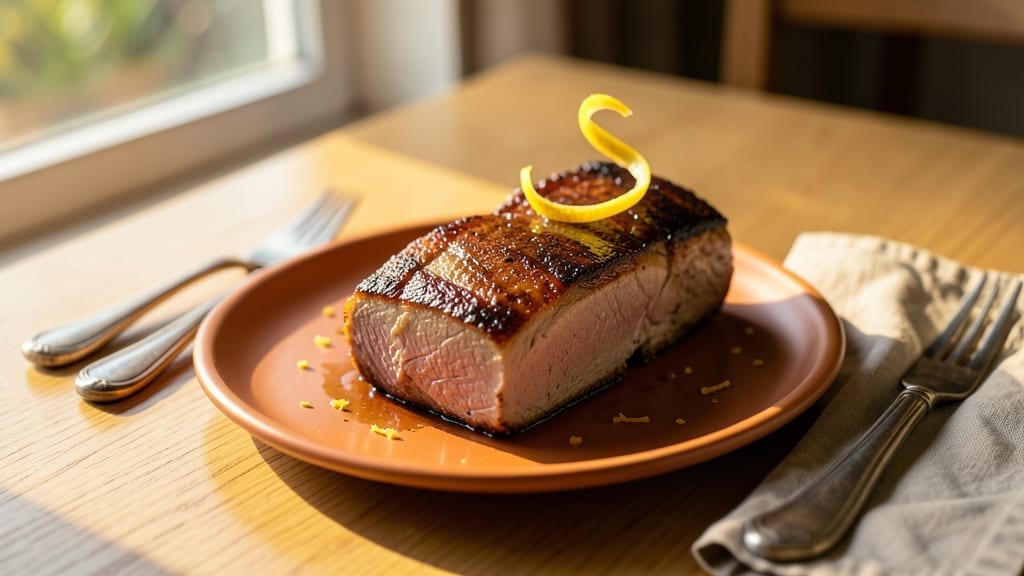
Smoked boneless pork loin roast is the kind of centerpiece that turns a simple dinner into a showstopper—juicy, tender, and packed with that deep, smoky flavor that makes your whole house smell like Sunday dinner. 🌟 I remember the first time I smoked one of these for my family in Georgia, and how my granddaddy clapped his hands together like it was some kind of miracle.
The secret isn’t just the smoking—it’s the patience, the steady temp, and letting that meat rest like it deserves.
Here’s the thing—this roast is foolproof if you follow the steps, but it’s not fast. We’re talking about low and slow cooking, where time does all the heavy lifting while you sip sweet tea and watch the smoke curl.
You’ll need a good cut of pork loin (trimmed just right), a reliable smoker, and about 3 to 4 hours to get that perfect internal temp of 145°F. The key?
A simple dry rub with just enough salt, pepper, and a touch of brown sugar to caramelize slightly—no fancy blends needed.
By the time you slice into that roast, you’ll have meat that’s juicy and tender, with a crust that’s got just the right amount of bark from the smoke. The resting time is critical—don’t skip it!—because that’s when all the juices redistribute, making every bite worth the wait.
Serve it with some roasted potatoes and a side of tangy apple sauce, and you’ve got a meal that’ll have everyone asking for seconds.
This isn’t just a recipe—it’s a tradition. Whether you’re feeding a crowd or treating yourself to a special dinner, this smoked pork loin roast is the kind of dish that makes you feel like you’re cooking in a real pit.
Let’s get started, and I’ll walk you through every step to make sure yours turns out perfect.
Ingredients for smoked boneless pork loin roast
Just 12 simple ingredients for that perfect smoky roast everyone will beg for seconds of.
| Ingredient | Amount | Notes |
|---|---|---|
| Boneless Pork Loin Roast 🐖 | 4 lb | Center-cut, trimmed of fat |
| Kosher Salt 🧂 | 1 ½ tbsp | Diamond Crystal preferred |
| Freshly Ground Black Pepper 🌶️ | 1 tbsp | Cracked from whole peppercorns |
| Light Brown Sugar 🍯 | 1 tbsp | Packed, not granulated |
| Wood Chips (Hickory or Apple) 🌳 | 1 cup | Soaked in water 30 minutes |
| Yellow Onion 🧅 | 1 whole | Quartered, for wood chip soak |
| Apple Cider Vinegar 🍎 | 1 tbsp | For wood chip soak |
| Smoked Paprika 🌶️ | 1 tsp | For extra smoky depth |
| Garlic Powder 🧄 | 1 tsp | Not garlic salt |
| Butter 🧈 | ½ cup | Unsalted, softened for basting |
| Fresh Rosemary 🌿 | 2 sprigs | For basting, optional |
| Fresh Thyme 🌿 | 2 sprigs | For basting, optional |
[recipe_ingredient_scaler]
The pork loin is everything here. Look for center-cut with visible marbling—it stays juicier. Costco or local butcher shops usually have the best cuts. Trim any visible fat (leave a thin layer for flavor), and pat it dry with paper towels. That’s non-negotiable—wet meat steams instead of smokes. For a 4 lb roast, you’ll want about 1.5 lbs per person, which is perfect for a family dinner. If you’re feeding more, just scale up proportionally. The wood chips are key too—hickory for bold smoke, apple for sweetness. Soak them with onion and vinegar for 30 minutes before using.
No smoked paprika? Regular paprika plus a pinch of liquid smoke works in a pinch. Short on fresh herbs? Dried rosemary at half the amount gets you close. The butter for basting should be unsalted and softened—don’t skip this part. It adds richness and helps create that beautiful bark. For the rub, mix everything together right before applying. That way, the spices stay fresh and aromatic. If you’re using a water smoker, add a splash of apple juice to the water pan for extra tenderness. And trust me, resting the meat is critical—don’t skip the 15 minutes before slicing.
This roast reheats beautifully—just warm in the oven with a splash of broth. Keeps 3-4 days in the fridge, wrapped tightly. For leftovers, slice thin and serve on sandwiches or in tacos. Freezes for up to 3 months if vacuum-sealed. I always make extra because it’s just too good to wait. The smell alone will have everyone gathering in the kitchen. Serve with roasted potatoes and apple sauce for the full Southern experience.
Why You’ll Love This Recipe
- Here’s what sold me: this roast keeps beautifully for 3-4 days in the fridge, and honestly, the flavors get even richer. I’ll slice it thin, toss it with a little butter and fresh thyme, and reheat it in the oven until it’s crispy again. My kids ask for it for lunch three times a week—no complaint from me. Budget-friendly and foolproof for meal prep.
- No-Fuss Smoking: I’ll be honest—this isn’t one of those recipes that requires a fancy setup. Just soak the 1 cup wood chips with a quartered onion and a splash of apple cider vinegar for 30 minutes while I prep the pork. Pat the 4 lb boneless pork loin dry, slather it with that simple mix of kosher salt, brown sugar, and smoked paprika, and let it sit. The rest is hands-off smoking at 225°F while I do other things. Unfussy, but the results are anything but.
- Caramelized Crust Magic: That 1 tbsp light brown sugar doesn’t just sit there—it caramelizes into a sticky, golden crust while smoking, and honestly, that’s the first bite that makes you forget everything else. The smoked paprika and garlic powder kick it up a notch, but the real star? The crispy edge paired with the tender center. It’s the kind of texture that makes you slow down and savor each slice.
- Leftovers That Shine: Here’s what sold me: this roast keeps beautifully for 3-4 days in the fridge, and honestly, the flavors get even richer. I’ll slice it thin, toss it with a little butter and fresh thyme, and reheat it in the oven until it’s crispy again. My kids ask for it for lunch three times a week—no complaint from me. Budget-friendly and foolproof for meal prep.
Step-by-step instructions for smoked boneless pork loin roast
Here’s how to transform a simple pork loin into smoky, melt-in-your-mouth perfection.
🔥 Step 1: Prepare the Wood Chips and Season the Meat
Start by soaking the 1 cup wood chips (hickory or apple) in a bowl of hot water along with the the quartered onion and 1 tbsp apple cider vinegar for 30 minutes. This pre-soak prevents burning and adds depth to the smoke flavor. While they soak, pat the 4 lb boneless pork loin roast completely dry with paper towels—this is crucial for that crispy bark we’re after.
In a small bowl, mix together the 1½ tbsp kosher salt, 1 tbsp freshly ground black pepper, 1 tbsp light brown sugar, 1 tsp smoked paprika, and 1 tsp garlic powder. Rub this mixture all over the pork loin, pressing it into the meat so it sticks. The brown sugar will help caramelize the surface, while the smoked paprika adds that essential smoky depth right from the start. Let the seasoned pork rest at room temperature for 30 minutes before smoking.
🔥 Step 2: Set Up Your Smoker for Low-and-Slow Cooking
Load the soaked wood chips into your smoker and preheat to 225°F. I like to use a two-zone fire method if possible—this gives you more control over temperature and smoke production. Let the smoker run for 15-20 minutes until you see steady, thin blue smoke (not thick white steam). This means your wood chips are burning cleanly and producing flavorful smoke.
Once the smoker reaches temperature, place the pork loin fat-side up on the grill grates. The fat side up helps protect the meat and creates a beautiful crust. Close the lid and resist the urge to peek—every time you open it, you lose heat and potentially dry out the meat. Let it smoke undisturbed for 2 hours before you even think about checking the internal temperature.
⏰ Step 3: Monitor Temperature and Baste for Juiciness
After 2 hours, check the internal temperature of the pork loin using a meat thermometer. You’re aiming for 145°F in the thickest part of the meat. If it’s not there yet, continue smoking. I’ve found that pork loin responds beautifully to the low-and-slow method, developing incredible tenderness and flavor as it cooks.
When the pork reaches 145°F, it’s time to baste. Remove the pork from the smoker and brush all sides with melted ½ cup butter (softened and warmed in a small saucepan). Add the 2 sprigs fresh rosemary and 2 sprigs fresh thyme to the butter for extra aroma—this is where the fresh herbs really shine. Return the pork to the smoker and continue cooking until it reaches 150°F (about 30-45 minutes more). The butter basting adds moisture and creates a beautiful sheen on the surface.
🍳 Step 4: Rest and Slice for Maximum Juiciness
Once the pork reaches 150°F, remove it from the smoker and transfer it to a cutting board. Tent loosely with aluminum foil and let it rest for 15-20 minutes. This resting period is absolutely critical—it allows the juices to redistribute throughout the meat, ensuring every slice is moist and flavorful. If you skip this step, you’ll end up with dry, disappointing pork.
After resting, slice the pork loin into ½-inch thick slices against the grain. The meat should be incredibly tender, almost falling apart when you cut into it. Serve immediately with your favorite sides—mashed potatoes, roasted vegetables, or a fresh salad all pair beautifully. The smoky flavor will linger on your palate long after the last bite, and you’ll have that perfect balance of crispy exterior and juicy interior that makes this recipe truly special.
Pro Tips For Making Smoked Boneless Pork Loin Roast
- Soak Wood Chips Properly: I learned this the hard way—skipping the 30-minute soak with hot water, quartered yellow onion, and 1 tbsp apple cider vinegar leads to bitter, acrid smoke. The vinegar isn’t just for flavor; it cuts through the harshness of raw wood chips. Trust the process—your pork will thank you with clean, sweet smoke instead of a campfire aftertaste.
- Salt the Meat Early: The 1.5 tbsp kosher salt (Diamond Crystal, no substitutions) needs time to penetrate that 4 lb pork loin, especially since it’s center-cut and lean. Season it right after drying the meat, then let it rest 30 minutes at room temperature before smoking. This isn’t just about flavor—it’s about keeping the meat juicy. I used to skip the rest, and the bark would dry out faster than I expected.
- Don’t Rush the Baste: When the pork hits 145°F, the ½ cup softened butter with rosemary and thyme isn’t just for show—it’s the moment the meat goes from good to unforgettable. Warm the butter in a saucepan until it’s just melted (not hot enough to cook the herbs), then brush it on generously. Return the pork to the smoker fat-side up and let it hit 150°F—this extra 30–45 minutes ensures the butter basting does its job. Skimping here means a dry exterior, no matter how much you baste.
- Slice Against the Grain (Then Wait): The ½-inch slices you cut after resting are only as tender as the patience you show. The 15–20 minute rest under foil is non-negotiable—if you slice too soon, the juices will pool on your plate instead of in the meat. And against the grain isn’t optional; it’s the difference between chewy and melt-in-your-mouth. I’ve seen people rush this, and it’s a crime. Give it time, then cut with the grain’s direction to reward yourself.
Creative variations of these flavors
Southern BBQ Style
I love taking this roast to the next level by adding a sweet and tangy BBQ glaze right before serving. Mix ½ cup ketchup with 2 tbsp apple cider vinegar, 1 tbsp brown sugar, 1 tsp smoked paprika, and ½ tsp garlic powder.
Brush it on after the final baste and let it caramelize for 10 minutes at 250°F. This glaze is a crowd-pleaser, especially with my heritage Gloucestershire Old Spots pigs—it brings that classic Southern BBQ vibe. 🔥
Heritage Pig Twist
If you can get your hands on a heritage Gloucestershire Old Spots pig (like the ones I raise on my farm), the meat has a richer, more marbled texture that stands up beautifully to smoking.
Season with 1 extra tsp of kosher salt and ½ tsp of black pepper—this cut needs just a touch more salt to enhance its natural depth. The fat cap is thicker, so trim it down to ¼ inch for even cooking.
Trust me, the flavor difference is night and day.
Spicy Carolina Heat
For those who love a kick, I add 1 tbsp of hot honey to the butter basting mixture. The honey balances the heat while the smoke adds complexity. If you’re feeling bold, sprinkle ½ tsp of cayenne pepper over the roast during the final 30 minutes of smoking.
I also like to serve it with pickled jalapeños on the side—cool and spicy is a perfect pairing for smoky pork. 🌶️
Apple Cider BBQ Rub
Swap the traditional dry rub for a wet rub by mixing ½ cup apple cider with 2 tbsp brown sugar, 1 tbsp smoked paprika, and 1 tsp garlic powder. Brush this mixture all over the pork before smoking.
The cider adds a fruity depth that pairs beautifully with the apple wood chips. This rub is a favorite at my farm dinners—it’s like a cross between a glaze and a rub, and it keeps the meat incredibly moist.
Breakfast-for-Dinner Version
Transform this roast into a breakfast feast by adding 2 slices of sharp cheddar cheese and 2 slices of bacon to the top during the final 15 minutes of smoking. The cheese melts into a gooey blanket, and the bacon adds a smoky crunch.
Serve with scrambled eggs and toasted sourdough for a dish that feels like a Southern brunch. I’ve done this at The Smoky Pig, and it’s always a hit with the crowd. 🍳
Slow-Cooker Finish
If you’re short on time, finish the pork in a slow cooker after smoking. After reaching 145°F, remove it from the smoker and place it in a slow cooker with ½ cup apple cider and 2 sprigs of thyme.
Cook on low for 2 hours, then slice and serve. This method keeps the meat tender and infuses it with even more flavor. It’s a great backup plan when you’re hosting a big crowd and need to keep things moving. ⏰
Nutrition facts
Frequently asked questions
Why does my smoked pork loin need to rest before slicing?
Resting is absolutely critical because it lets the juices redistribute evenly throughout the meat. When you cut into pork too soon, all those delicious juices escape, leaving you with dry slices. For this roast, let it rest for 15-20 minutes after reaching 150°F—it makes all the difference in tenderness and flavor.
What should I do if my smoker temperature fluctuates while cooking?
Fluctuations are normal, but keep an eye on it! Use a two-zone fire method to maintain 225°F consistently. If your smoker runs hot, add cold water to the firebox or move the heat source back. For cold spots, adjust your vents—thin blue smoke means you’re golden. Consistency is key for that perfect bark and juicy interior.
Can I use a different type of wood besides hickory or apple?
Hickory and apple are classic choices, but pecan or cherry wood add sweetness, while mesquite brings bold intensity. Just soak your wood chips for 30 minutes in water with onion and vinegar to prevent burning. The key is matching the wood type to your flavor preference—hickory for traditional smokiness, apple for a milder sweetness.
What’s the best way to reheat leftovers without drying them out?
Slice your roast against the grain first, then reheat in a skillet over medium-low heat with a splash of apple cider or broth. Cover with foil to trap moisture, flipping once. Alternatively, warm in a slow cooker on low for 1-2 hours. Avoid the oven unless you use a low temp (250°F) with a spray of water to keep it juicy.

Trained in classic French technique but raised on slow-cooked ribs and spicy rubs, she blends culinary skill with smoke and soul.
- Smoked Brisket Recipe: Low and Slow to Fall-Apart Tenderness - November 2, 2026
- Smoked Turkey Breast Recipe: Juicy Pink Center With Crispy Skin Every Time - November 2, 2026
- Leftover Smoked Pulled Pork Chili Recipe: Rustic Flavor Revival in One Pot - November 2, 2026