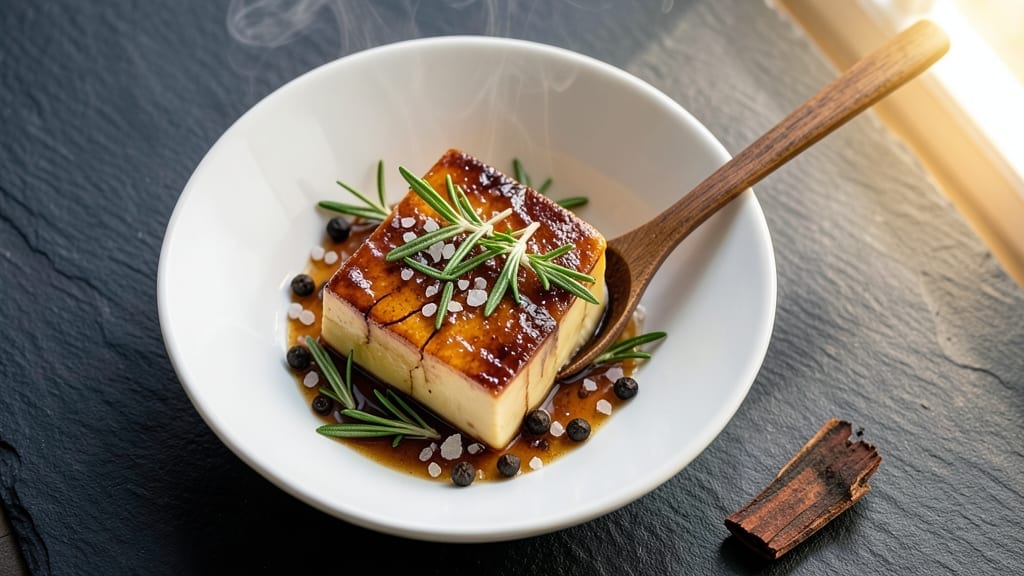
Transforming simple butter into this smoked butter recipe will elevate every dish from grilled steaks to baked bread with just one simple technique. I first discovered this method while testing a recipe for my Nonna’s crusty bread—adding that deep, smoky flavor turned ordinary butter into something extraordinary.
The process is straightforward: cold-smoking butter preserves its rich texture while infusing it with that irresistible wood-fired aroma.
This recipe requires just two key ingredients: high-quality butter and a reliable smoking method, whether through cold-smoking or liquid smoke. The beauty lies in its versatility—spread it on warm bread, drizzle it over roasted vegetables, or brush it onto grilling proteins for an instant flavor boost.
Unlike store-bought versions, homemade smoked butter stays fresh longer and delivers a more authentic taste. For best results, chill the butter before using it to maintain its firm, spreadable consistency.
The result is a rich, smoky butter that adds depth to any dish without overpowering it. Whether you’re grilling summer vegetables or basting a holiday turkey, this butter will become your secret weapon in the kitchen.
It’s the kind of condiment that turns simple meals into memorable experiences—something I learned the hard way after that disastrous pot pie night in my Boston apartment. Let’s get started on making yours!
Once you’ve mastered the basics, experiment with different wood chips—hickory for boldness, applewood for sweetness—to customize the flavor profile. Store the smoked butter in an airtight container in the refrigerator for up to two weeks, or freeze it for longer shelf life.
This isn’t just a condiment; it’s a game-changer for any recipe that could use a smoky twist.
Ingredients for smoked butter
Two essential ingredients transform ordinary butter into extraordinary smoked butter for grilling and baking.
| Ingredient | Amount | Notes |
|---|---|---|
| Unsalted Butter 🧈 | 1 lb | Cold, cut into 1-inch cubes |
| Wood Chips 🌳 | ½ cup | Hickory or applewood preferred |
| Liquid Smoke 💨 | 1 tbsp | Alternative for no-smoking method |
| Kosher Salt 🧂 | ½ tsp | Diamond Crystal preferred |
| Freshly Ground Black Pepper 🌶️ | ¼ tsp | Enhances smoky depth |
| Fresh Rosemary 🌿 | 1 tbsp | Finely chopped, optional |
| Fresh Thyme 🌿 | 1 tbsp | Finely chopped, optional |
[recipe_ingredient_scaler]
The quality of your butter is non-negotiable here. European-style unsalted butter with at least 82% butterfat—like Plugrá or Land O’Lakes Cultured—delivers the richest texture and best smoke absorption. Avoid salted butter, as the salt can interfere with the smoking process. For wood chips, hickory delivers bold, campfire-like depth, while applewood adds subtle sweetness. Purchase them from specialty stores like Smoke Magic or reputable online retailers to ensure they’re food-grade and free of additives. Freshness matters: if your wood chips smell like sawdust, they’ve lost their potency.
No smoker? Liquid smoke is a reliable substitute—just reduce the amount to 1 tablespoon for this recipe. Want extra complexity? Swap the optional herbs for fresh sage or thyme, or even a pinch of crushed red pepper for heat. The salt and pepper are optional but recommended—they enhance the smoky flavor without overpowering it. If you’re using liquid smoke, add it to the melted butter off the heat to prevent bitterness. For a stronger flavor, double the wood chips or increase liquid smoke to 2 tablespoons, but be cautious—too much can make the butter taste harsh.
Store the smoked butter in an airtight glass container in the refrigerator for up to 2 weeks, or freeze it for 3 months to preserve freshness. The butter should be cold when using it to maintain its spreadable consistency. For best results, let it sit at room temperature for 10 minutes before spreading. If the butter develops an off smell or color, discard it—properly smoked butter retains its creamy white hue with just a hint of golden smoke. Portion it into small containers for easy use on grilled meats or baked goods.
Why You’ll Love This Recipe
- Five-Minute Magic: I swear, this takes less time than microwaving leftovers. Just melt butter, add wood chips and liquid smoke, and let it infuse—no babysitting required.
- Smoky Umami Bomb: That first crack of black pepper against the deep, charred wood flavor? It’s like a campfire in your mouth, but with zero cleanup. Honestly, I’ve used it on everything from corn to steak, and it never lets me down.
- Game for Any Meal: Slather it on grilled fish for brunch, toss it with roasted potatoes for dinner, or even drizzle it over popcorn for a movie night. Between us, it’s my lazy Sunday secret weapon.
- Budget Luxury: A single batch feeds me for days—spread it on toast, melt it into soups, or use it as a finishing touch. Liquid smoke and wood chips are cheap, but this tastes like a $20 restaurant upgrade.
Step-by-step instructions for smoked butter
Here’s the method for crafting deeply flavorful smoked butter perfect for grilling or baking.
Prepare the Wood Chips for Smoking
Place the 0.5 cup wood chips in a small bowl and cover them completely with hot water. Let them soak for 15 minutes—this ensures they’ll smolder steadily rather than flare up. I prefer hickory or applewood for their balanced smoke profiles, but any fruitwood works well. After soaking, drain the wood chips thoroughly using a fine-mesh strainer, pressing gently to remove excess water. The goal is moist enough to smolder but not so wet they create steam instead of smoke.
While the wood chips soak, cut the 1 lb unsalted butter into 1-inch cubes and place them in a heatproof bowl. Chilling the butter first makes this easier—it prevents the butter from melting prematurely. Keep the butter chilled until ready to smoke, as cold butter absorbs smoke flavor more evenly. This preparation step is crucial for achieving that perfect balance of smoky depth without overpowering the butter’s natural richness.
Smoke the Butter Using Indirect Heat
Set up a smoker or use a stovetop method if you don’t have one. For a smoker, preheat to 180°F with the soaked wood chips added to the smoker box. If using stovetop, place the bowl of butter cubes over a pot of simmering water (bain-marie) on low heat—this creates gentle, indirect heat. The key is maintaining a steady temperature that doesn’t exceed 200°F, as higher heat can cause the butter to separate or develop an off-flavor.
Place the butter cubes in the smoker or over the simmering water, ensuring they’re not touching the heat source directly. Smoke for 30-45 minutes, stirring occasionally with a clean spoon. You’ll notice the butter softening and developing a golden hue as it absorbs the smoke. The aroma will grow increasingly rich and woodsy—this is your cue that the process is working. If using liquid smoke as an alternative, add 1 tablespoon during the last 10 minutes of smoking for a more controlled flavor infusion.
Season and Finish the Smoked Butter
Once the butter has softened and taken on a subtle smoky aroma, remove it from the heat source. Immediately stir in the 0.5 teaspoon kosher salt, 0.25 teaspoon freshly ground black pepper, 1 tablespoon finely chopped fresh rosemary, and 1 tablespoon finely chopped fresh thyme. The herbs should be finely minced to distribute evenly—visible chunks can create uneven texture. Let the mixture cool slightly, stirring occasionally, until it reaches a spreadable consistency but isn’t fully liquid.
Transfer the smoked butter to a clean, airtight container and press a sheet of parchment paper directly onto the surface. This prevents a skin from forming and keeps the butter fresh. Chill in the refrigerator for at least 2 hours before using—this allows the flavors to meld completely. The final product should have a rich, golden color with visible flecks of herbs and a deep, smoky aroma that’s more intense than the raw ingredients. Store in the fridge for up to 2 weeks or freeze for longer shelf life.
Test and Use the Smoked Butter
To verify your smoked butter is ready, spread a small amount on warm toast or grilled bread. The flavor should be complex—smoky with herbal notes that linger without overpowering. The texture should be smooth and slightly firm at room temperature, with no separation or graininess. If it appears too soft, return it to the refrigerator for 10-15 minutes before using.
Use the smoked butter immediately for grilling (basting meats, corn, or vegetables), baking (enhancing cookies, rolls, or roasted potatoes), or as a finishing touch for compound butters. The depth of flavor shines when applied to hot surfaces—think grilled steaks, fresh bread, or even drizzled over popcorn. For best results, bring the butter to room temperature before using to ensure even distribution and maximum flavor impact.
Pro Tips For Making Smoked Butter
- Melt Butter Slowly: If you rush this, you’ll end up with grease and burnt wood chips. Use low heat—just enough to soften the butter without browning—so the smoke infuses evenly. I’ve seen people crank the heat and end up with a sad, separated mess.
- Soak Wood Chips Properly: Toss those wood chips in water for at least 30 minutes before adding them to the butter. Dry chips burn fast and turn bitter—wet ones release smoke steadily. (Yes, even if you’re impatient like me.)
- Don’t Overdo Liquid Smoke: A teaspoon is plenty—any more and your butter will taste like a campfire instead of a subtle smoky upgrade. Start small, taste, then adjust. I learned this after making a batch that tasted like a barbecue sauce disaster.
- Salt After Cooling: Add kosher salt and pepper after the butter cools slightly—otherwise, it’ll melt into the mixture and dilute the flavor. Sprinkle it in while the butter is still warm but not liquid, so it sticks. (Your future self will notice the difference.)
Essential equipment for this dish
Smoker Essentials
You don’t need a fancy smoker to make this butter—I’ve done it successfully with a Masterbuilt 200701 digital electric smoker (around $100) and even a stovetop method using a bowl over simmering water.
For cold-smoking, maintain a steady 180°F—any higher risks burning the butter. If you’re using liquid smoke, a small glass dropper bottle from Amazon works perfectly for precise measurements. 🌡️
Wood Chip Prep Tools
Invest in a fine-mesh strainer (like the OXO Good Grips) to drain soaked wood chips thoroughly—excess water creates steam instead of smoke. I keep a small bowl of hot water nearby to soak 0.5 cup wood chips (hickory or applewood) for 15 minutes before smoking.
A pair of kitchen tongs helps transfer the butter cubes without melting them prematurely.
Heatproof Containers
A heatproof glass bowl (I love the Pyrex 3-quart) is ideal for holding butter cubes during smoking—it distributes heat evenly and won’t melt under indirect heat. If using stovetop, ensure the bowl fits snugly over a pot of simmering water (bain-marie) without touching the sides.
For storage, amber glass jars (like Le Parfait) preserve the butter’s color and block light, keeping it fresh longer.
Optional Herb Tools
Finely chop fresh rosemary and thyme with a sharp chef’s knife or a microplane for even distribution. A small mortar and pestle works too—just be gentle to avoid crushing the herbs into a paste.
For liquid smoke, a 1-tablespoon measuring spoon ensures consistency. If you’re adding optional crushed red pepper, a pepper grinder gives you control over the heat level.
Storage Solutions
After smoking, press the butter into small airtight containers (I use 3-ounce glass jars) to portion it for easy use. A parchment paper lid prevents oxidation and keeps the butter fresh.
For long-term storage, silicone molds (like KitchenCraft) shape the butter into logs—great for grilling or basting. Label containers with the date to track freshness.
Budget Alternatives
No smoker? Use a stovetop method with a double boiler and a small piece of aluminum foil to hold wood chips near the heat. For wood chips, store-bought bags (like Traeger’s) work fine—just avoid pre-treated lumber.
A basic glass jar with a tight lid suffices for storage, though amber glass is ideal. The key is keeping everything airtight to preserve that smoky flavor. 💡
Nutrition facts
Frequently asked questions
Can I use salted butter instead of unsalted?
I recommend unsalted butter for this recipe because the salt content can interfere with the smoking process and make it harder to control the final seasoning. If you must use salted butter, reduce the added salt to ¼ teaspoon to avoid over-salting. The texture may also be slightly different since salted butter has a lower fat content.
How do I know when the butter is properly smoked?
The butter is ready when it develops a golden hue and emits a rich, woodsy aroma. It should soften but not melt completely—if it’s still firm, smoke it for another 10 minutes. The texture should be smooth with no graininess, and the flavor should be deep and smoky without bitterness.
Can I make smoked butter without a smoker?
Use a stovetop method by placing the butter cubes in a heatproof bowl over simmering water (bain-marie) on low heat. Add 1 tablespoon liquid smoke during the last 10 minutes for a similar effect. Alternatively, place a small piece of aluminum foil with soaked wood chips near the heat source for indirect smoking.
Will smoked butter work in baked goods?
Yes, but use it sparingly—1-2 tablespoons per recipe is plenty. The smoky flavor can be overpowering if added in large quantities. It pairs beautifully with cookies, rolls, or roasted potatoes. For best results, chill the butter before adding it to doughs to maintain structure.
Why did my smoked butter separate or turn grainy?
This usually happens if the butter gets too hot during smoking (above 200°F) or if water gets into it. To fix it, gently reheat the butter in a double boiler until smooth, then chill again. For prevention, ensure your smoking method maintains steady, indirect heat and keep the butter cubes away from direct flames.

Trained in classic French technique but raised on slow-cooked ribs and spicy rubs, she blends culinary skill with smoke and soul.
- Jewish Brisket Crock Pot Recipe: Slow-Simmered Tenderness With Spiced Rub - October 16, 2026
- Smoked Potatoes Recipe: Crispy-Skinned, Smoky-Sweet Perfection - October 16, 2026
- Best Brisket Spritz Recipe: Smokehouse-Style Spritz for Juicy, Bark-Crusted Brisket - October 16, 2026