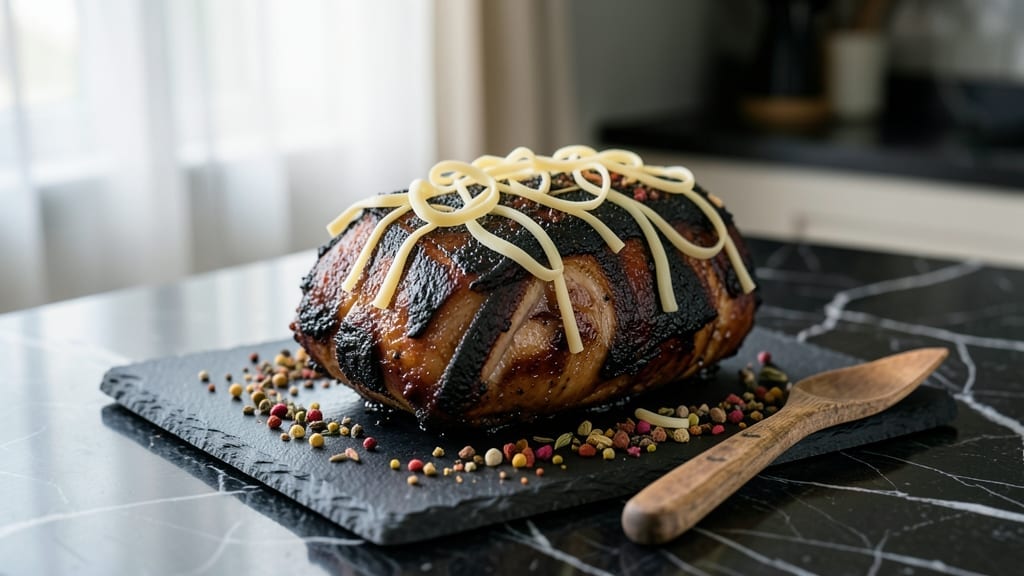
This smoked deer roast recipe transforms lean venison into tender, restaurant-quality meat with deep smoky flavor—perfect for hunters or adventurous home cooks. The low-and-slow method breaks down tough fibers while infusing that signature campfire aroma into every bite.
I developed this technique after years of experimenting with game meat, ensuring it stays juicy even when cooked for hours.
What sets this recipe apart is the precision in timing and temperature control, which prevents drying out while developing rich, caramelized crusts.
You’ll need a smoker or grill with temperature stability, but the process itself is straightforward once you understand the key steps: proper seasoning, slow cooking at 225°F, and careful resting before carving. The result is meat so tender it practically melts in your mouth.
This method works equally well for deer, elk, or bison—ideal for feeding a crowd or preserving harvests. The smoky depth pairs beautifully with classic sides like roasted root vegetables, wild rice pilaf, or a rich red wine gravy.
Whether you’re celebrating a successful hunt or simply craving something unique, this roast delivers professional-quality results at home.
Safety is critical when handling game meat, so I’ve included specific guidelines for thawing, cooking to safe internal temperatures, and proper storage. With these techniques, you’ll transform a whole deer into a showstopping centerpiece that impresses even the most discerning guests.
Ingredients for smoked deer roast
Lean venison meets smoky perfection—just a few key ingredients transform game meat into restaurant-quality.
| Ingredient | Amount | Notes |
|---|---|---|
| Venison Roast (chuck or shoulder) 🦌 | 6 lb | Trimmed of excess fat, bone-in preferred |
| Kosher Salt 🧂 | 2 tbsp | Diamond Crystal preferred for even coating |
| Black Peppercorns 🌶️ | 1 tbsp | Freshly cracked for maximum aroma |
| Garlic Cloves 🧄 | 6 cloves | Crushed, for deep flavor infusion |
| Dried Rosemary 🌿 | 2 tbsp | Chopped, for herbal complexity |
| Dried Thyme 🍃 | 1 tbsp | For earthy depth in the smoke |
| Applewood Pellets 🔥 | 2 lb | For authentic smoky flavor |
| Whole Cloves 🌶️ | 6 piece | For punctuating the crust |
| Mustard Powder 🧂 | 1 tbsp | For tenderizing and depth |
| Brown Sugar 🍚 | 1 tbsp | Balances smokiness with sweetness |
| Olive Oil 🫒 | 2 tbsp | For basting and moisture |
| Apple Cider Vinegar 🍎 | 2 tbsp | Tenderizes and adds tang |
[recipe_ingredient_scaler]
The venison is everything here. Chuck or shoulder cuts work best—they’re more forgiving than tenderloin and develop that melt-in-your-mouth texture when cooked low-and-slow. Hunters often freeze it whole, so plan ahead: thaw it in the fridge for 2-3 days before seasoning. Trim any excess fat (it burns), but leave a thin layer to render for flavor. For the best results, ask your butcher to cube it—it’ll cook more evenly. If you’re using a whole roast, score the fat cap in a crosshatch pattern before seasoning to help the smoke penetrate deeper.
No applewood pellets? Hickory or pecan work just as well—just keep an eye on the smoke intensity. Fresh rosemary is ideal, but dried works at half the amount. Short on cloves? Substitute whole allspice (same ratio). The apple cider vinegar is non-negotiable—it tenderizes the tough fibers and balances the smokiness. Trader Joe’s has great organic vinegar, but any good quality will do. Want extra depth? Add 1 tbsp of liquid smoke to the olive oil mixture for basting. The brown sugar might seem odd, but it caramelizes beautifully with the smoke, creating that perfect sweet-savory crust.
This roast rewards patience. Cook at 225°F for 4-5 hours until it reaches 145°F internally, then rest for at least 1 hour before carving—this lets the juices redistribute. Store leftovers in an airtight container in the fridge for 4-5 days or freeze for up to 3 months. The smoke flavor actually intensifies over time, so it’s even better the next day. For a crowd, portion into meal prep containers—it reheats beautifully when wrapped in foil and warmed in a 300°F oven for 15 minutes. Don’t skip the resting step, or you’ll end up with dry meat—trust me on this.
Why You’ll Love This Recipe
- No Fuss, Just Flavor: That dry brine? I leave it on overnight and forget about it—no stress, no last-minute scrambling. Just wake up to a venison roast that’s already soaked up salt, pepper, and garlic like a pro.
- Smoky, Herbal Perfection: The applewood smoke and rosemary make this dish taste like a campfire meal without the hassle. That crispy bark? Chef’s kiss. The mustard powder and brown sugar keep it from being too earthy—just rich and balanced.
- Budget-Friendly Game Meat: Venison is cheaper than beef, and this recipe stretches it even further with smart seasoning. The apple cider vinegar and thyme add depth without costing a thing. Honestly, my wallet—and my taste buds—thank me.
Step-by-step instructions for smoked venison roast
Here’s how to transform your venison into a tender, deeply flavorful roast with perfect smoky crust.
Prepare the Venison with Dry Brine and Seasoning
Begin by trimming any excess fat from the 6 lb venison roast (chuck or shoulder), leaving just a thin layer for moisture. In a small bowl, combine the 2 tbsp kosher salt, 1 tbsp black peppercorns (freshly cracked), 1 tbsp mustard powder, and 1 tbsp brown sugar. Rub this mixture all over the roast, pressing firmly into the meat so the seasoning adheres. This dry brine will tenderize the venison while enhancing flavor.
In the same bowl, add the 6 crushed garlic cloves and 2 tbsp dried rosemary to the remaining seasoning mixture. Use this to generously coat the roast, focusing on the cut sides and any exposed areas. The garlic and rosemary will infuse deep flavor during the smoke. Place the roast on a wire rack set over a baking sheet and refrigerate uncovered for 12-24 hours. This step is crucial—it ensures even seasoning and prevents a dry exterior.
Create the Smoking Rub and Prep the Pellets
In a separate bowl, mix the 1 tbsp dried thyme with the 6 whole cloves and 2 tbsp apple cider vinegar. This combination adds earthy depth and a subtle tang that balances the smokiness. Once the venison has finished brining, pat it dry with paper towels—this is essential for developing a proper bark. Then, coat the roast evenly with the thyme-clove mixture, pressing it into the meat.
Fill your smoker with 2 lb applewood pellets, ensuring the pellet tube is clean and free of debris. Light the pellets according to the manufacturer’s instructions and allow the smoker to preheat to 225°F. The applewood will impart a sweet, mild smoke that pairs beautifully with venison. Once the smoker reaches temperature, add the 2 tbsp olive oil to a small bowl and brush it generously over the roast. This basting oil will help create a glossy, flavorful crust during smoking.
Smoke the Venison Low and Slow
Place the seasoned venison roast directly on the smoker grates, fat-side up if possible, to promote even cooking. Close the lid and maintain a steady 225°F temperature. Smoke the roast for 6-8 hours, resisting the urge to open the lid—each time you do, you lose heat and moisture. The venison is ready when the internal temperature reaches 195°F at the thickest part of the roast, measured with a meat thermometer.
During the last 30 minutes of smoking, sprinkle additional 2 tbsp dried rosemary (if desired) over the roast for extra herbal aroma. The bark should be dark and crispy, with a deep mahogany color. If the bark isn’t forming as expected, lightly mist the roast with water and continue smoking—this helps develop a thicker crust. Once done, transfer the roast to a cutting board and tent loosely with foil. Let it rest for 30-45 minutes before slicing to allow juices to redistribute.
Slice and Serve with Smoky Flavor
Slice the venison against the grain into ½-inch thick pieces for maximum tenderness. The internal temperature should rise another 5-10°F during resting, ensuring perfect doneness. Serve immediately, allowing guests to experience the rich, smoky depth of the venison paired with the herbal and slightly sweet notes from the seasoning.
For extra flavor, drizzle any accumulated juices from the cutting board over the sliced venison. The apple cider vinegar in the rub adds a subtle tang that brightens the dish, while the whole cloves and mustard powder contribute layers of complexity. Pair with roasted root vegetables or a fresh herb salad to complement the smoky richness.
Pro Tips For Making Smoked Deer Roast
- Crack Pepper Fresh: DESCRIPTION:
- Don’t Skip the Vinegar: DESCRIPTION:
- Check Temp Twice: DESCRIPTION:
- Fat-Side Up Only: DESCRIPTION:
Serving suggestions for this dish
Plating with Rustic Elegance
Serve sliced venison on a wooden board or slate platter for that rustic outdoor vibe—it echoes the smoker’s warmth and complements the gamey richness. I like arranging slices in a circular pattern, alternating with roasted root vegetables like carrots and parsnips.
A drizzle of apple cider reduction (simmer ½ cup apple cider with 1 tbsp brown sugar until syrupy) adds a sweet contrast to the smoky meat. 🍂
Herbal Garnish Finishes
Fresh herbs elevate the dish instantly. Tuck thyme sprigs and rosemary twigs between slices or scatter chopped parsley over the plate. A sprinkle of flaky sea salt like Maldon enhances the smoky crust. I also love adding pickled red onions for a tangy brightness that cuts through the richness.
Wine Pairings That Win
Venison’s bold flavor pairs beautifully with earthy reds. A Pinot Noir from Oregon captures the gamey notes while balancing the smokiness. For something bolder, try a Syrah with dark fruit and peppery spice. Avoid heavy tannins—they’ll clash with the tender meat. 🍷
Wild Rice Pilaf Companion
Cook 1 cup wild rice with 2 cups chicken broth, 1 tbsp dried thyme, and 1 diced shallot for 40 minutes. Stir in ½ cup dried cranberries and ¼ cup chopped pecans at the end. The nutty, slightly sweet rice grounds the smoky venison perfectly.
Smoky Gravy Boost
Simmer ½ cup apple cider vinegar, 1 tbsp mustard powder, and 2 tbsp olive oil in a saucepan until reduced. Add 1 cup beef broth and 2 tbsp cornstarch slurry to thicken.
Skim any fat from the venison juices and stir them in for depth. This gravy soaks up every last bit of smoky flavor. 💫
Make-Ahead Serving Tips
Prep sides the night before—roast vegetables or cook rice in advance. Store them separately in the fridge until serving. Reheat vegetables in the oven at 375°F for 10 minutes to crisp them up.
For extra convenience, slice the venison ahead and refrigerate—just reheat in a 300°F oven for 15 minutes wrapped in foil. This keeps everything warm and ready to serve. ⏰
Nutrition facts
Frequently asked questions
Why does the venison need to rest before slicing?
The 30-45 minute rest lets juices redistribute after smoking, preventing dry meat. Venison is lean, so this step ensures every bite stays juicy and tender. Skipping it means losing all those delicious flavors trapped inside!
Can I substitute other woods for applewood pellets?
Hickory or pecan work beautifully—they add different smoky notes that complement venison. Just watch the intensity: hickory can be stronger. Applewood keeps it mild and sweet, but experiment to find your favorite balance.
What if my smoker doesn’t reach 225°F consistently?
If temps fluctuate, extend cooking time by 1-2 hours to ensure even doneness. Use a thermometer probe in the thickest part—aim for 195°F internal temp. A charcoal chimney or extra pellets can help stabilize the heat. Patience pays off!
How do I handle venison that’s too lean?
Lean cuts benefit from the mustard powder and apple cider vinegar in this recipe—they tenderize while adding depth. For extra moisture, brush with olive oil during the last 30 minutes of smoking, or wrap in foil with a splash of broth during resting.

Trained in classic French technique but raised on slow-cooked ribs and spicy rubs, she blends culinary skill with smoke and soul.
- Chinese Braised Beef Brisket with Daikon Recipe: Silky Tender Meat and Crunchy Roots - October 18, 2026
- Oklahoma Joe’s Smoked Beans Recipe: Slow-Smoked Flavor That Rivals the Original - October 18, 2026
- Beef Brisket Chili Recipe: Slow-Simmered Richness with Deep Flavor Layers - October 18, 2026