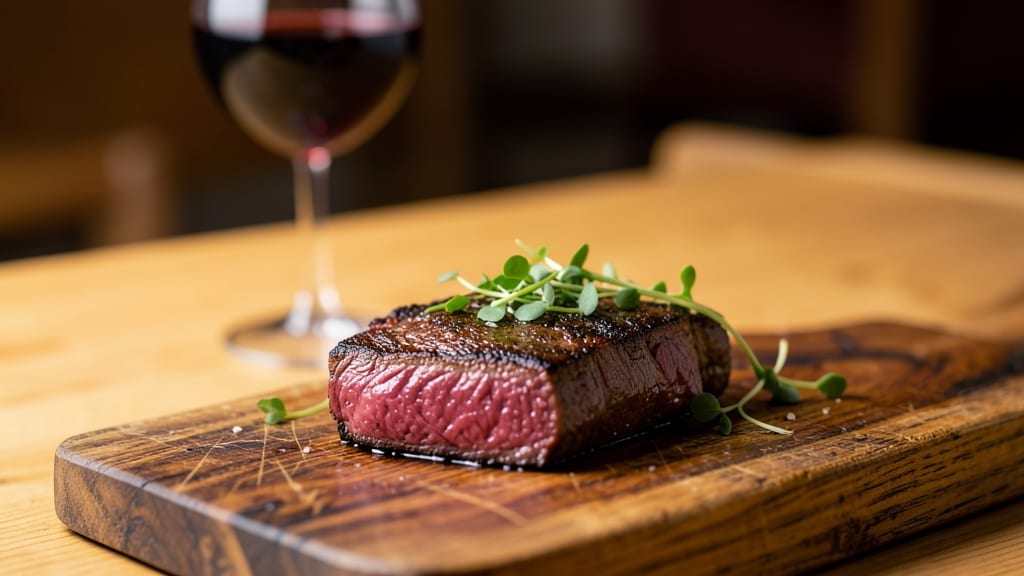
This smoked flat iron steak recipe delivers restaurant-quality tenderness with deep, smoky flavor—perfect for weekend grilling or special occasions. After years of perfecting my technique, I’ve cracked the code for achieving melt-in-your-mouth texture and that unmistakable wood-fired aroma.
The key lies in proper seasoning, precise temperature control, and letting the steak rest before slicing.
What sets this method apart is the balance of bold smokiness and buttery richness. I use a low-and-slow approach with hickory wood chips to infuse flavor without overpowering the steak’s natural depth.
The flat iron cut’s natural marbling ensures juiciness, while a simple salt-and-pepper crust locks in moisture during the smoking process. This isn’t just another steak recipe—it’s a foolproof technique that transforms a simple cut into a showstopper.
By the time you slice into this steak, you’ll see perfectly pink centers with a crispy, caramelized crust and visible smoke rings—proof of a job well done. The aroma alone will draw everyone to the table, and the first bite delivers that perfect harmony of smoky, savory, and tender.
Pair it with garlic mashed potatoes or a fresh green salad to round out the meal.
Ready to elevate your smoking game? This recipe scales from a single dinner to a crowd-pleasing feast, and the best part is that it’s repeatable every time. Let’s get started on creating a steak that’ll have everyone asking for seconds.
Ingredients for smoked flat iron steak
Here’s your secret weapon for restaurant-quality smoked flat iron steak—just bold flavors and simple technique.
| Ingredient | Amount | Notes |
|---|---|---|
| Flat Iron Steak 🥩 | 1 ½ lb | Center-cut, 1-inch thick |
| Kosher Salt 🧂 | 1 ½ tbsp | Diamond Crystal preferred |
| Freshly Ground Black Pepper 🌶️ | 1 ½ tsp | Coarse grind for texture |
| Hickory Wood Chips 🌳 | 1 cup | Food-grade, soaked 30 mins |
| Yellow Onion 🧅 | 1 whole | Sliced, for serving |
| Garlic Cloves 🧄 | 4 cloves | Minced, for serving |
| Fresh Rosemary 🌿 | ¼ cup | Chopped, for serving |
| Extra-Virgin Olive Oil 🫒 | 2 tbsp | For crust and basting |
| Butter 🧈 | ½ cup | Unsalted, cubed for basting |
| Apple Cider Vinegar 🍎 | 2 tbsp | For spritzing |
| Beef Tallow 🥓 | 1 tbsp | Optional, for extra richness |
| Smoked Paprika 🌶️ | 1 tsp | For finishing |
| Fresh Thyme Leaves 🌿 | ¼ cup | For garnish |
[recipe_ingredient_scaler]
The steak is non-negotiable here. Flat iron cut from a quality butcher—look for center-cut with visible marbling. I always buy mine from Snake River Farms when possible, but Costco’s Kirkland brand works perfectly for weeknight dinners. Thickness matters too—1-inch thick ensures even cooking. If your butcher doesn’t have it pre-cut, ask for a 1.5 lb piece and trim it yourself. The wood chips? Hickory is essential for that classic smoky depth, but pecan or cherry works beautifully if you want variety. Soak them for at least 30 minutes before using—never use dry chips.
No hickory wood chips? Pecan or cherry are your next best bets. The beef tallow is optional but adds insane richness—substitute with an extra tablespoon of butter if you’re skipping it. For the crust, Diamond Crystal kosher salt—it dissolves better than table salt and gives you that perfect crust. Fresh herbs are ideal, but dried rosemary at half the amount works in a pinch. The apple cider vinegar spritz—it helps create that beautiful bark while keeping the interior juicy. And trust me on the butter basting—it’s what turns good steak into showstopper steak.
This steak tastes even better the next day. Wrap it tightly in butcher paper and refrigerate for up to 3 days. For leftovers, reheat in a 375°F oven for 10 minutes with a splash of beef broth. The wood chips? Store them in a sealed container in the freezer for up to 6 months. I always make extra—freeze half the steak in portions for quick meals later. And here’s a pro tip: rest the steak for 15 minutes before slicing—it makes all the difference in keeping those juices locked in.
Why You’ll Love This Recipe
- Smoker’s Secret Shortcut: Honestly, I used to stress over prepping for a crowd, but this recipe is unfussy—just pat the steak dry, slap on the salt and pepper, and let the smoker do the heavy lifting. The hickory wood chips soak for 30 minutes while you prep, and the spritzing every 45 minutes? That’s the only real attention it needs. I’ll be real: my kids think it’s magic when I pull this out for dinner.
- Restaurant-Worthy Bark: That crispy mahogany crust? Chef’s kiss. The beef tallow in the last 30 minutes turns the smoke into something dangerously addictive—deep, smoky, but not overpowering. And the butter basting with smoked paprika? It’s the difference between good and ridiculously good. My date night steak game just got an upgrade.
- Leftovers That Won’t Bore You: Between us, I always make extra because reheating it in the oven with a splash of beef broth makes it taste like you just cooked it fresh. Wrap it in butcher paper for up to 3 days, and boom—lunch the next day feels like a treat. Even my picky roommate asks for seconds. (Yes, even on a Tuesday night.)
- Weeknight Crowd-Pleaser: This isn’t just for holidays or special occasions—it’s my go-to when the soccer team shows up unannounced. One 1.5 lb steak feeds four hearty portions, and the sides (sliced onion, garlic, fresh herbs) take five minutes to prep. The only thing you’ll be stressing over is whether to save room for seconds.
Step-by-step instructions for smoked flat iron steak
Here’s how to transform a simple flat iron steak into a showstopping centerpiece with deep smoky notes and melt-in-your-mouth tenderness.
Prepare the Steak and Smoker for Perfect Smoke Penetration
Begin by soaking the 1 cup hickory wood chips in warm water for 30 minutes to prevent flare-ups. While they soak, pat the 1½ lb flat iron steak completely dry with paper towels—this ensures maximum smoke adhesion and crispy bark formation. In a small bowl, combine the 1½ tbsp kosher salt and 1½ tsp freshly ground black pepper, then generously coat all sides of the steak, pressing the seasoning into the meat. Let it sit at room temperature for 30 minutes while your smoker preheats.
Set up your smoker to maintain a steady 225°F temperature using the soaked wood chips. The reason for this low-and-slow approach? It allows the smoke to gently penetrate the meat over time, creating that signature smoky depth without overpowering the natural beef flavor. Once the smoker reaches temperature and you see clean, blue smoke (not white steam), place the steak fat-side up on the grill grate. This positioning lets the rendered fat baste the meat continuously during cooking.
Smoke and Spritz for Maximum Flavor and Tenderness
Smoke the steak undisturbed for 2 hours, resisting the urge to peek. Every time you open the smoker door, you lose heat and moisture, extending your cook time. After 2 hours, check the internal temperature using a meat thermometer—it should read 145°F for medium-rare. If it’s not there yet, continue smoking. Here’s the secret to restaurant-quality tenderness: every 45 minutes, remove the steak and spritz it generously with a mixture of 2 tbsp apple cider vinegar and 2 tbsp extra-virgin olive oil. This keeps the surface moist, prevents a tough exterior, and enhances smoke flavor penetration.
During the final 30 minutes of smoking, add 1 tbsp beef tallow to the smoker’s firebox for an extra layer of richness. The tallow will infuse the smoke, adding a subtle, savory depth that complements the hickory flavor. You’ll know it’s working when you notice the steak developing a deep mahogany bark on the exterior while remaining juicy inside.
Finish with Butter Basting and Herb Garnish
When the steak reaches 145°F internal temperature, move it to a cutting board and let it rest for 10 minutes—this crucial step allows the juices to redistribute. While it rests, melt the ½ cup butter in a small saucepan over low heat, then remove from heat and stir in 1 tsp smoked paprika. Using a pastry brush, generously baste the steak with this butter mixture, letting it pool on the surface for maximum flavor infusion.
Slice the 1 yellow onion into thin rings and mince the 4 garlic cloves. Chop the ¼ cup fresh rosemary and ¼ cup fresh thyme leaves finely. Arrange the sliced onion and garlic around the steak on the platter, then sprinkle the chopped herbs over the top. The combination of these fresh aromatics adds a bright, herbal contrast to the smoky, buttery steak. Serve immediately with any accumulated juices from the cutting board for extra moisture.
Pro Tips For Making Smoked Flat Iron Steak
- Soak Wood Chips Properly: I learned this the hard way—dry wood chips turn into a smoky fireworks show. Soak those 1 cup hickory chips in warm water for the full 30 minutes. They’ll smolder steadily, giving you that clean blue smoke instead of acrid white steam that ruins the flavor.
- Salt and Press Hard: Don’t just sprinkle that 1½ tbsp kosher salt—press it into the meat like you’re trying to carve your initials. The flat iron’s surface is tough; you need the salt to penetrate for that perfect crust. And yes, even if you’re impatient like me, let it sit at room temp for 30 minutes.
- Spritz Like a Pro: That apple cider vinegar and olive oil mix isn’t just for show—use it every 45 minutes to keep the steak from drying out. I used to half-measure, and the bark turned tough. Now I douse it like I’m seasoning fries, and the smoke flavor stays deep and tender.
- Rest Without Peeking: The 10-minute rest is non-negotiable, but here’s the kicker: don’t cut into it to check. I cracked once after 8 minutes—big mistake. The juices need that full time to redistribute. Cover it loosely with foil if you’re nervous, but resist the urge to slice early.
Troubleshooting great smoked flat iron steak
Steak Too Dry?
If your steak ends up dry instead of juicy, it’s likely due to overcooking or insufficient resting time. The 145°F internal temperature mentioned in the recipe is perfect for medium-rare—anything above 160°F will dry out the meat.
I recommend using a reliable meat thermometer like the Thermoworks Smoke to avoid guesswork. If you accidentally overcook it, try slicing thinly and serving it as a steak sandwich with extra butter and herbs to salvage the flavor. 🔥
Smoke Too Strong?
Excessive smoke can overpower the natural beef flavor if you’re using too many wood chips or burning them. Stick to the 1 cup soaked hickory wood chips and monitor the smoke—it should be blue and clean, not thick and white.
If the smoke gets too intense, reduce the fire or add a few more chips to the water before reusing. I also recommend using a water pan in your smoker to help control the smoke intensity.
Uneven Bark Formation
If the steak’s bark isn’t developing evenly, it’s often because the steak wasn’t positioned correctly on the grill grate. Always place it fat-side up to ensure even fat rendering and bark formation.
Additionally, make sure the steak is completely dry before seasoning—any moisture will prevent the seasoning from adhering properly. A quick pat with paper towels before seasoning makes a big difference. 💡
Steak Sticking to the Grate
Sticking happens when there’s not enough fat rendering or when the grate is too cold. To prevent this, ensure the smoker is at the correct 225°F before placing the steak. If the grate is too cold, preheat it for an extra 10-15 minutes before adding the steak.
I also recommend using a Lodge cast iron grill grate—it retains heat better than stainless steel and prevents sticking. For extra insurance, lightly oil the grate before placing the steak on it.
Missing Smoke Rings
Smoke rings are a sign of perfectly smoked meat, but they can disappear if the steak isn’t handled correctly. Avoid opening the smoker too often, as temperature fluctuations can disrupt the smoke ring formation.
If you’re using the apple cider vinegar spritz every 45 minutes, do it quickly and close the smoker door immediately to maintain temperature. A well-formed smoke ring is a visual cue that your steak is getting the ideal smoke penetration. ✨
Nutrition facts
Frequently asked questions
Why does the recipe specify smoking at 225°F
instead of higher heat?
The low-and-slow 225°F temperature is key for deep smoke penetration without burning the exterior. This method ensures the smoky flavor infuses evenly throughout the steak while keeping the interior juicy. Higher heat would create a tough crust before the meat cooks through.
Can I use a different type of wood besides hickory?
Hickory is classic, but pecan or cherry wood chips work beautifully too. Just avoid fruitwoods like apple or cherry if you want to avoid sweetness—stick to hickory, mesquite, or oak for a bold, savory profile. The soaking time remains the same for all types.
What if I don’t have a meat thermometer?
While a thermometer is ideal for perfect 145°F accuracy, you can use the “finger test” as a backup: press your thumb against your index finger—when the gap feels snug, the steak is medium-rare. For extra confidence, cut into the thickest part to check doneness. Just avoid guessing by time alone!
How do I store leftovers to keep them moist?
Wrap the steak tightly in butcher paper (never plastic) and refrigerate for up to 3 days. When reheating, place it on a wire rack in a 375°F oven for 10 minutes with a splash of beef broth in the pan below. This prevents drying out.
Why is the resting step so important?
Skipping the 10-minute rest causes juices to spill out when sliced, leaving you with a dry steak. The rest time lets those juices redistribute—this is why pros always insist on it! Trust the process for that perfect, juicy bite.

Trained in classic French technique but raised on slow-cooked ribs and spicy rubs, she blends culinary skill with smoke and soul.
- Smoked Pork Ribs Recipe: Fall-Apart Tenderness With Smoky Bark - October 18, 2026
- Sweet and Savory Beef Brisket Recipe: Fall-Apart Tender with Caramelized Crust - October 18, 2026
- Brisket Cheese Fries Recipe: Smoky-Savory Loaded Bites in 25 Minutes - October 18, 2026