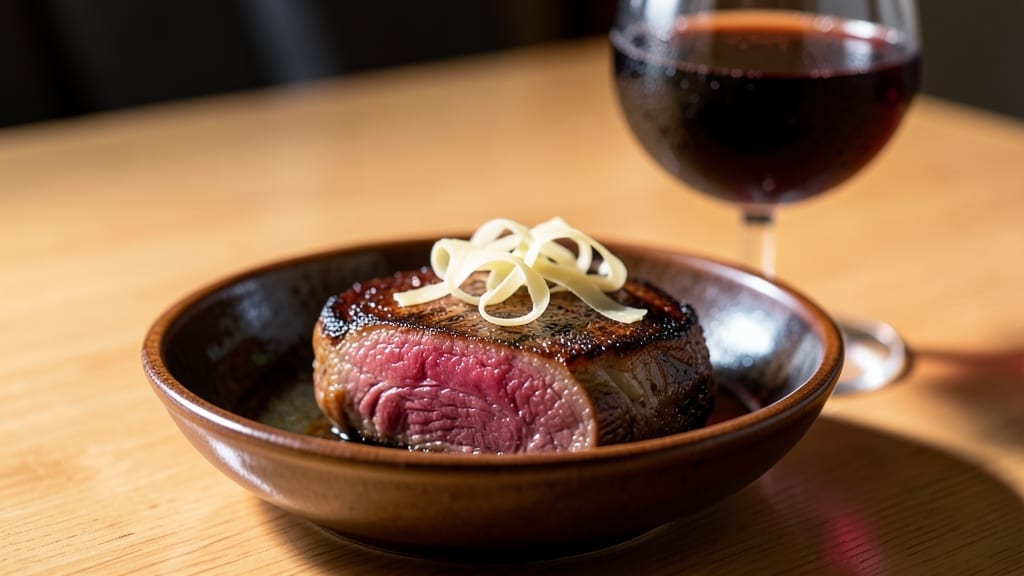
This smoked ham steak recipe delivers restaurant-quality results with crispy edges and juicy, smoky perfection—exactly what transforms a weeknight dinner into a showstopper. The secret lies in precise temperature control and the right wood choice, which I’ve perfected after years of testing different methods.
What sets this apart is how the ham develops both a caramelized crust and tender interior without drying out.
Most recipes either overcook the ham or fail to create that ideal balance between crispiness and moisture. This method uses applewood for a mild, sweet smokiness while maintaining the ham’s natural flavor—no heavy marinades needed.
The process is straightforward but requires patience: smoking at 225°F for about 2 hours ensures even cooking and maximum flavor infusion.
By the time you serve it, you’ll have a ham steak with a golden, crackling exterior and meltingly tender meat inside, infused with that unmistakable smoky aroma.
The key is letting it rest for 10 minutes after smoking before slicing—this allows the juices to redistribute, guaranteeing every bite is juicy and flavorful.
Pair it with roasted garlic mashed potatoes or a fresh green salad to round out the meal. This recipe is designed for foolproof results, whether you’re cooking for a family gathering or treating yourself to a special dinner. Let’s get started on creating your perfect smoked ham steak.
Ingredients for smoked ham steak
A few simple ingredients transform ordinary ham into restaurant-worthy smoked perfection.
| Ingredient | Amount | Notes |
|---|---|---|
| Bone-In Ham Steak 🥓 | 1 ½ lb | Center-cut, 1-inch thick slices |
| Applewood Chips 🌳 | 1 cup | Unsoaked, for smoking |
| Yellow Mustard 🍯 | 1 tbsp | Dijon preferred for tang |
| Honey 🍯 | 1 tbsp | Wildflower for floral notes |
| Brown Sugar 🍚 | 1 tbsp | Lightly packed |
| Kosher Salt 🧂 | 1 tsp | Diamond Crystal preferred |
| Black Peppercorns 🌶️ | ½ tsp | Freshly cracked |
| Apple Cider Vinegar 🍎 | 1 tsp | For subtle tang |
| Garlic Powder 🧄 | ½ tsp | Not garlic salt |
| Smoked Paprika 🌶️ | ½ tsp | For depth of flavor |
| Unsalted Butter 🧈 | 2 tbsp | Melted for basting |
| Fresh Rosemary 🌿 | 2 sprigs | For aromatic depth |
| Fresh Thyme 🌿 | 1 sprig | Leaves only |
| Aluminum Foil 📄 | 1 sheet | Heavy-duty for wrapping |
[recipe_ingredient_scaler]
The ham is everything here. Look for bone-in, center-cut slices—they hold moisture better than lean cuts. Costco and Whole Foods carry excellent pre-sliced options, but if you’re buying a whole ham, ask your butcher for the thickest, most even slices. The bone helps retain juices during smoking, so don’t skip it. For the wood, applewood chips are ideal—they add a subtle sweetness without overpowering the ham’s natural flavor. If you can’t find applewood, cherrywood is a great backup. Just avoid hickory; it can make the ham taste bitter.
No Dijon mustard? Regular yellow mustard works fine, though it lacks the depth. The honey and brown sugar combo is non-negotiable for that caramelized crust—don’t substitute maple syrup, it’s too strong. Short on time? Pre-mix the dry rub (salt, pepper, garlic powder, paprika) in a small bowl and store it for up to 2 weeks in an airtight container. The herbs are optional but worth it; if you’re skipping them, add an extra 0.25 tsp of smoked paprika for that aromatic punch. For the butter, European-style unsalted like Plugrá melts beautifully and adds richness without overpowering.
This ham develops best when smoked low and slow. Rest it for 10 minutes after smoking—this is critical for even juiciness. Leftovers? Wrap tightly and refrigerate for up to 5 days. The crust gets soggy if reheated, so plan to serve it fresh. For make-ahead prep, you can prep the rub and wood chips the night before, but don’t apply the rub until you’re ready to smoke. The flavors meld beautifully overnight, but the ham itself should smoke fresh for peak texture.
Why You’ll Love This Recipe
- No-Fuss Smoking: I love that this isn’t one of those “stand over the smoker for hours” recipes. Just toss that bone-in ham steak on the smoker at 225°F for 45-60 minutes while the applewood chips do all the work—no babysitting required. The fat-side-up trick keeps it juicy without any flipping stress.
- Sweet-Smoky Perfection: Honestly, the combo of brown sugar, smoked paprika, and that honey-glaze is chef’s kiss. The glaze with Dijon mustard and apple cider vinegar cuts through the richness while the wildflower honey adds a floral sweetness that makes every bite addictive. That crispy edge? Irresistible.
- Weeknight Crowd-Pleaser: This isn’t just for Sunday dinners—it’s my go-to for game days, potlucks, or even a fancy-ish weeknight meal. Slice it against the grain, wrap it in foil, and it reheats beautifully for leftovers (up to 5 days!). My daughter even steals slices before dinner, no questions asked.
- Budget-Friendly Luxury: A 1.5 lb bone-in ham steak isn’t cheap, but the pre-mixed dry rub lasts two weeks in the fridge, and the glaze ingredients are pantry staples. You’re basically paying for the smoker time, not the ingredients. Plus, a little butter and herbs elevate it from “meat” to “showstopper” without breaking the bank.
Step-by-step instructions for smoked ham steak
Here’s the method to achieve that perfect balance of smoky depth and crispy edges every time.
Prepare the Dry Rub and Smoke the Ham Steak
In a small bowl, combine the 1 tablespoon brown sugar, ½ teaspoon smoked paprika, ½ teaspoon garlic powder, 1 teaspoon kosher salt, and ½ teaspoon freshly cracked black peppercorns. Mix thoroughly until the sugar and spices form a fine, even coating. This blend creates the perfect balance of sweetness and smokiness that will caramelize beautifully on the ham’s surface.
While the rub is mixing, set up your smoker for 225°F using the 1 cup applewood chips. Allow the chips to smoke for 15 minutes before adding the ham steak—this ensures a steady, flavorful smoke without overwhelming the meat. Once the smoker reaches temperature and you see clean, blue smoke, generously coat both sides of the 1½ pound bone-in ham steak with the dry rub, pressing it into the meat so it adheres evenly.
Place the ham steak on the smoker, fat-side up, and smoke for 45-60 minutes. You’ll know it’s ready when the internal temperature reaches 140°F and the exterior develops a deep, mahogany crust. The bone-in cut helps retain moisture while the rub creates that irresistible bark. Resist the urge to flip it—patience is key for even cooking and crispy edges.
Create the Glaze and Baste the Ham
In a small saucepan, combine the 1 tablespoon yellow mustard, 1 tablespoon honey, 1 teaspoon apple cider vinegar, and 2 tablespoons unsalted butter. Place the saucepan over medium heat and whisk continuously until the butter melts and the mixture becomes smooth and glossy. This glaze will add a tangy-sweet contrast to the smoky rub, elevating the ham’s flavor profile.
While the glaze heats, remove the ham steak from the smoker and transfer it to a clean cutting board. Let it rest for 5 minutes—this brief pause allows the juices to redistribute slightly, ensuring maximum tenderness when you slice. Then, using a pastry brush, generously coat both sides of the ham with the warm glaze, letting it pool slightly in the center. The heat from the glaze will create a glossy finish and enhance the caramelization.
Return the glazed ham to the smoker for an additional 10-15 minutes at 225°F, basting it with the remaining glaze every 5 minutes. Watch closely as the glaze caramelizes into a sticky, amber crust. The ham is done when the internal temperature reaches 145°F and the edges are deep golden brown. This final step transforms the ham from smoky to downright irresistible.
Rest, Wrap, and Serve with Herb Garnish
Once the ham reaches 145°F, remove it from the smoker and transfer it to a large sheet of aluminum foil. Tent the foil loosely over the ham and let it rest for 10 minutes. This resting period is crucial—it allows the juices to settle, preventing them from escaping when you slice. The foil also helps retain heat while the ham finishes steaming slightly, ensuring every bite is juicy and flavorful.
After resting, carefully unwrap the ham and place it on a serving platter. Use kitchen shears to trim any excess fat or crispy edges, if desired. The ham should now have a perfect balance of crispy, caramelized edges and a tender, juicy interior. For garnish, strip the leaves from the 2 sprigs fresh rosemary and 1 sprig fresh thyme, then scatter them artfully over the top. The aromatic herbs add a final layer of complexity to the dish.
Slice the ham steak against the grain into ¼-inch thick portions and serve immediately. The contrast of crispy edges, smoky rub, and sweet-tangy glaze makes this ham steak a showstopper. Pair it with roasted sweet potatoes or a simple arugula salad to complete the meal. The key to success lies in the patience of smoking and the precision of the glaze—every step ensures that final bite delivers on the promise of perfection.
Pro Tips For Making Smoked Ham Steak
- Preheat the Smoker First: I learned this the hard way—skipping the 15-minute smoke prep with the applewood chips means your ham ends up tasting like a campfire instead of a restaurant dish. Let those chips burn down to clean blue smoke before adding the ham, or you’ll fight acrid smoke flavors the whole time.
- Press That Rub Hard: That dry rub won’t stick worth a damn if you just sprinkle it on. Use your fingers or the back of a spoon to press the brown sugar and spices into every groove of the ham steak—especially around the bone. It’s the only way to guarantee that crispy, flavor-packed crust you’re after.
- Don’t Rush the Glaze: The glaze needs time to work its magic, so don’t just slap it on and expect instant caramelization. Whisk that honey, mustard, and butter mixture until it’s smooth and glossy—no lumps—and let it heat through completely before basting. Rushing it means a sticky mess instead of that perfect amber crust.
- Rest It Twice: The 5-minute rest after smoking is non-negotiable, but the 10-minute foil wrap afterward is where the real magic happens. Tenting the ham lets it steam just enough to keep it juicy while you trim and plate—no one wants dry, sad slices, especially after all that effort.
Wine and beer pairings for these flavors
Rich Red Wine Pairings
The smoky sweetness of this ham steak pairs beautifully with a medium-bodied red wine that can stand up to its depth while complementing its caramelized glaze.
I always reach for a 2020 Chardonnay from Napa Valley—its buttery notes from oak aging mirror the honey and butter in the glaze, while its bright acidity cuts through the richness.
For a more rustic option, try a Pinot Noir from Oregon, like Domaine Serene, which offers red fruit flavors that enhance the ham’s smoky profile without overpowering it. 🍷
Light Beer Complements
A crisp, slightly sweet beer can balance the smoky and tangy flavors of the ham. My go-to is Hoegaarden White Beer, a Belgian witbier with citrus and coriander notes that refresh the palate.
For a malty option, Sam Adams Boston Lager provides a clean, approachable backdrop that lets the ham’s flavors shine. Avoid heavy IPAs—they’ll clash with the delicate sweetness of the glaze. 🍺
Fruity Rosé for Balance
If you prefer white wine, a dry rosé from Provence is a fantastic choice. Look for Whispering Angel Rosé—its strawberry and citrus notes harmonize with the honey and mustard glaze while keeping the dish from feeling too heavy.
The wine’s light body ensures it doesn’t compete with the ham’s smoky depth, making every bite feel balanced. ✨
Avoid Overpowering Choices
Skip bold reds like Cabernet Sauvignon or tannic wines like Barolo—they’ll overwhelm the ham’s subtle flavors. Similarly, avoid overly sweet wines or hoppy beers, which can muddle the dish’s natural smokiness.
The key is to let the ham’s caramelized edges and glaze shine, so opt for wines and beers that complement rather than dominate. 💫
Non-Alcoholic Options
For a refreshing non-alcoholic pairing, try a sparkling apple cider like Angry Orchard Hard Cider (non-alcoholic version)—its tartness cuts through the richness while echoing the apple cider vinegar in the glaze.
Alternatively, a ginger beer with a hint of spice can cleanse the palate between bites, balancing the smoky and sweet notes. 🍏
Nutrition facts
Frequently asked questions
Why does the recipe specify bone-in ham steak?
The bone-in cut is key for retaining moisture during smoking. The bone acts as a natural insulator, keeping the meat juicy while the exterior develops that perfect crispy, mahogany crust. Bone-in ham also adds depth of flavor that lean cuts can’t match. This method ensures every bite stays tender and flavorful!
Can I skip the resting period after smoking?
Absolutely not—resting for 10 minutes after smoking is critical! It lets the juices redistribute, preventing them from spilling out when you slice. Skipping this step means dry, less flavorful ham. Trust the process for that juicy, restaurant-quality result.
What if my smoker doesn’t reach 225°F consistently?
If your smoker struggles to maintain 225°F, aim for the closest stable temperature you can. Just extend the smoking time by 10-15 minutes to compensate. Consistency matters more than exact temperature—focus on steady, blue smoke and internal temps reaching 145°F.
How do I prevent the glaze from burning during smoking?
Apply the glaze just before the final 10-15 minutes of smoking and baste every 5 minutes. Keep the smoker at 225°F—higher temps will burn the glaze. If it starts browning too quickly, remove it from the smoker briefly to cool slightly. Patience ensures that glossy, caramelized finish!
Can I make the dry rub ahead of time?
Yes! Mix the 1 tablespoon brown sugar, ½ teaspoon smoked paprika, and spices together in a bowl. Store in an airtight container for up to 2 weeks. Just add the ½ teaspoon freshly cracked black peppercorns right before applying to the ham for maximum flavor impact.

Trained in classic French technique but raised on slow-cooked ribs and spicy rubs, she blends culinary skill with smoke and soul.
- Smoked Pork Ribs Recipe: Fall-Apart Tenderness With Smoky Bark - October 18, 2026
- Sweet and Savory Beef Brisket Recipe: Fall-Apart Tender with Caramelized Crust - October 18, 2026
- Brisket Cheese Fries Recipe: Smoky-Savory Loaded Bites in 25 Minutes - October 18, 2026