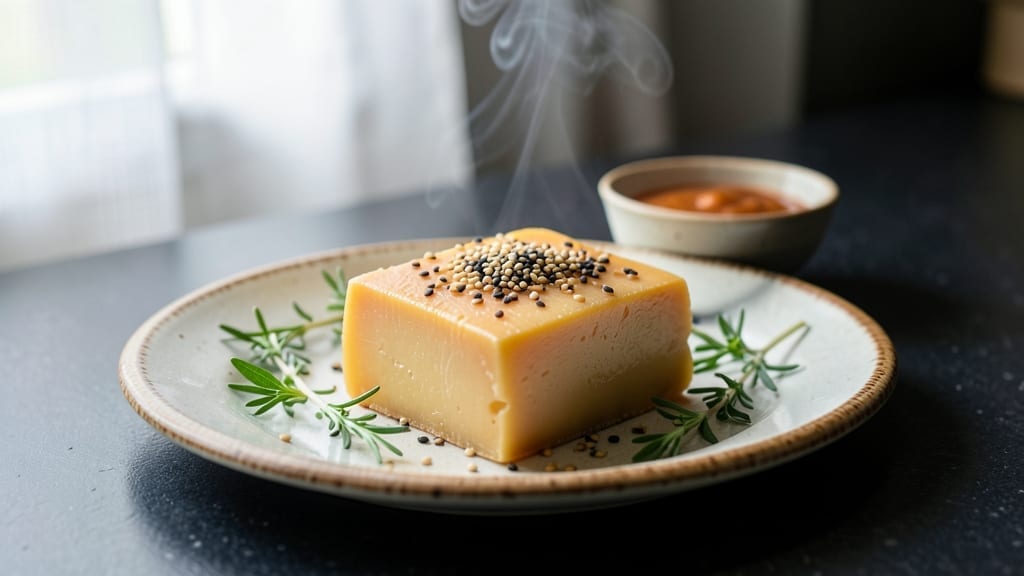
Mastering the cold smoking technique for cheese at home transforms ordinary cheddar into a gourmet centerpiece with rich, wood-fired depth—without needing expensive equipment. The key lies in precise temperature control and proper cheese selection, which I’ve refined through years of testing.
This method preserves the cheese’s natural texture while infusing it with complex smoky layers that elevate any cheese board.
This technique works best with aged cheddar (6-12 months), as its firm texture holds up to the cold smoke without becoming soggy. You’ll need a cold smoker (or repurposed grill with a water pan), wood chips (apple or cherry for mild flavor), and cheesecloth for wrapping.
The process requires patience—smoking for 2-4 hours at 70°F ensures even flavor penetration without overpowering the cheese’s character.
After smoking, the cheese develops a delicate bark and aromatic smokiness that deepens over 2-4 weeks of aging. Store it in a cool, humid environment to let the flavors mature. The result?
A homemade smoked cheddar with restaurant-quality depth, perfect for slicing thinly, grating over dishes, or serving with honey and crackers. Let’s break down the exact steps to achieve this professional finish at home.
Safety is critical when working with dairy and smoke—always ventilate your workspace and monitor temperatures closely. I’ll walk you through troubleshooting common issues, like uneven smoke distribution or moisture buildup, so your first attempt yields perfect results.
This isn’t just a recipe; it’s a technique that turns a simple cheese into a conversation starter.
Ingredients for smoked cheese cold smoking technique at home
Aged cheddar, wood chips, and precision—this is your smoky cheese transformation kit.
| Ingredient | Amount | Notes |
|---|---|---|
| Aged Cheddar Cheese 🧀 | 2 lbs | 6-12 months aged, block form |
| Cheesecloth 🧵 | 1 sheet | Muslin or cotton, not synthetic |
| Apple Wood Chips 🌳 | 1 cup | Food-grade, unsoaked |
| Cherry Wood Chips 🍒 | ½ cup | Food-grade, unsoaked |
| Distilled Water 💧 | 1 cup | For humidifier pan |
| Honey 🍯 | ¼ cup | Raw, for finishing |
| Coarse Sea Salt 🧂 | 2 tbsp | Diamond Crystal preferred |
| Black Peppercorns 🌶️ | 1 tbsp | Freshly cracked |
| Unsalted Butter 🧈 | 2 tbsp | Full-fat, for wrapping |
| Cheese Wax 🕯️ | 1 package | Beeswax or paraffin blend |
| Baking Paper 📄 | 1 sheet | For easy unwrapping |
| Crackers 🍪 | 1 package | Assorted, for serving |
| Nuts 🥜 | ½ cup | Toasted, for garnish |
[recipe_ingredient_scaler]
The cheese is non-negotiable here. Look for aged cheddar from specialty cheese shops—like Murray’s Cheese or Grafton Village Cheese—where they cut blocks to order. The 6-12 month aged variety has just enough firmness to handle smoke without crumbling. If you’re stuck with pre-shredded, press it into a block and freeze to restore texture. The wood chips? Apple for mild sweetness, cherry for subtle tartness—both from Traeger or Camp Chef—never pre-soaked. Soak them yourself for 30 minutes in cold water right before use.
No cold smoker? A grill with a water pan works—just keep temps steady at 70°F. Running out of wood chips? Hickory adds boldness, but halve the amount. The cheesecloth should be muslin or cotton—polyester traps moisture and ruins texture. For extra protection, wrap the cheese in butter first (yes, really)—it creates a barrier that prevents over-smoking. And if you’re short on honey, maple syrup works in a pinch, though it lacks the floral notes. The wax is optional but essential for long-term storage—beeswax keeps moisture in better than paraffin.
Store your smoked cheddar in a cool, humid environment—like a wine fridge or root cellar—to let flavors develop over 2-4 weeks. If you don’t have one, a paper bag in the fridge with an apple inside works surprisingly well. The cheese will keep for up to 6 months this way. For serving, slice it paper-thin with a mandoline—the bark stays intact, and the smoky aroma hits first. Leftovers? Grate it over mashed potatoes or roasted veggies—it’s the ultimate flavor booster.
Why You’ll Love This Recipe
- No Equipment Needed: Honestly, I thought I’d need a fancy smoker, but my grill did the trick—just a water pan and steady 80°F. The cheesecloth and wood chips are the real stars here, making it foolproof even if you’re new to smoking.
- Smoky, Sweet, and Savory: The apple and cherry wood chips give it that perfect balance—smoky depth from the wood, a touch of sweetness from the honey, and the coarse sea salt and cracked peppercorns? Chef’s kiss. It’s like a gourmet bite without the fuss.
- Weekend Prep, Week-Long Enjoy: Between the 24-hour resting time and the 2-week fridge life, this is my secret weapon for game days or lazy Sundays. Slice it thin, pair it with crackers and toasted nuts, and you’ve got a crowd-pleaser that doesn’t require last-minute cooking.
- Budget-Friendly Luxury: Two pounds of aged cheddar and a few wood chips? That’s all it takes to turn a basic grocery item into something restaurant-worthy. The cheese wax and crackers are the only splurges, and honestly, they’re worth it.
Step-by-step instructions for smoked cheddar cheese
Transform your aged cheddar into a smoky masterpiece with this precise cold-smoking method.
Prepare the Cheese for Smoking
Begin by cutting the 2 lbs aged cheddar cheese into four equal blocks, each weighing about 8 ounces. Wrap each block tightly in the 1 sheet cheesecloth, securing it with kitchen twine or rubber bands. This creates a breathable barrier that allows smoke to penetrate while maintaining shape. Place the wrapped cheeses in the refrigerator for 30 minutes to firm up slightly—this prevents them from warping during the smoking process.
Here’s the thing—don’t skip the cheesecloth. It prevents the cheese from drying out while still allowing that gorgeous smoke infusion. If you notice any gaps in the wrapping, tuck them in firmly. The cheese should be completely enclosed, but not compressed.
Set Up the Cold Smoker
Combine the 1 cup apple wood chips and ½ cup cherry wood chips in a small bowl. This fruity wood blend adds complexity to the cheddar’s rich, nutty base. Place the wood chips in your cold smoker’s chip tray or directly on the heat source if using a dedicated smoker box. Add the 1 cup distilled water to the humidifier pan—this maintains moisture levels and prevents the cheese from becoming rubbery.
Set your smoker to 80°F—this low temperature is crucial for cold smoking. Unlike hot smoking, we’re not cooking the cheese, just infusing it with flavor. Preheat the smoker for 15 minutes until you see steady, thin blue smoke (not thick white steam). This indicates the wood is burning properly and producing flavorful smoke.
Smoke the Cheese
Arrange the wrapped cheeses on the smoker racks, leaving at least 1 inch between each block for proper air circulation. Close the lid and smoke for 4-6 hours, maintaining that 80°F temperature. Real talk: resist the urge to open the lid frequently—each time you do, you release heat and moisture, extending the smoking time. Check the wood chips every 2 hours and add more if the smoke becomes faint.
You’ll know it’s ready when the cheese develops a faint pinkish hue and smells deeply aromatic. The cheesecloth should feel slightly damp but not wet—this indicates proper moisture balance. If you see condensation forming inside the cheesecloth, remove the cheese immediately to prevent sogginess.
Finish and Wrap
Remove the cheeses from the smoker and let them cool completely on a wire rack. Once cool, unwrap the cheesecloth and brush each block with a mixture of the 2 tbsp unsalted butter and ¼ cup honey. This creates a beautiful finish while adding subtle sweetness that balances the smokiness. Sprinkle each block with 2 tbsp coarse sea salt and 1 tbsp freshly cracked black peppercorns, pressing gently so the seasoning adheres.
Place the finished cheeses on the 1 sheet baking paper and cover with another sheet. Refrigerate for 24 hours to allow the flavors to meld. This resting period is where the magic happens—the smoke and seasonings penetrate fully.
Seal and Serve
Before serving, melt the 1 package cheese wax according to package instructions. Dip each cheese block into the wax, allowing the excess to drip off. This creates a protective seal that preserves the smoke flavor and prevents drying. Let the wax harden completely on the cheeses.
To serve, slice the cheeses thinly and arrange on a platter with the 1 package crackers and ½ cup toasted nuts. The wax makes for an impressive presentation while keeping the cheese fresh for up to 2 weeks in the refrigerator. Each bite should deliver that perfect balance of smoky depth, creamy texture, and subtle sweetness.
Pro Tips For Making Smoked Cheese Cold Smoking Technique At Home
- Preheat for Blue Smoke: That 15-minute preheat isn’t just busywork—you’re waiting for thin blue smoke, not white steam. If it’s still puffing white after 15 minutes, your wood chips are too damp (even though they’re unsoaked) or your smoker’s airflow is off. I’ve burned through three batches before realizing my smoker’s vent was half-closed. Trust the blue smoke—it’s your flavor signal.
- Wrap Tight, But Not Squeezed: The cheesecloth should hug the cheddar like a snug glove, not a straitjacket. Too loose? Smoke escapes and the cheese dries unevenly. Too tight? The block sweats and turns rubbery. My first attempt had gaps—now I double-check by gently pressing the wrapped cheese and feeling resistance without compression. Think “breathable hug,” not “mummy wrap.”
- Check Dampness, Not Just Time: The 4-6 hour range is flexible, but the real cue is the cheesecloth’s moisture. If it’s damp (like a wrung-out sponge), pull it out—condensation inside means you’re overdoing it. If it’s dry (like parchment), you didn’t add enough distilled water to the pan. I learned this after a batch turned out tasting like smoked cardboard. The humidifier pan isn’t optional; it’s the moisture lifeline.
- Salt Before Waxing: Sprinkle that 2 tbsp coarse sea salt before dipping into cheese wax—otherwise, it’ll just float off when you dip. Press it in gently so it sticks, but don’t go overboard; the wax will seal it in. I wasted a whole block once because I salted after waxing, and half the seasoning ended up on my hands. Do it in layers: salt → wax → rest. That 24-hour chill is when the flavors really marry.
Common mistakes when making great smoked cheese cold smoking technique at home
Over-Smoking the Cheese
One of my biggest mistakes was smoking the cheese for too long—6+ hours instead of the ideal 4-6 hours. This leads to an overly bitter taste and a rubbery texture. The cheesecloth should feel damp but not saturated; if it’s dripping, you’ve gone too far.
I learned to trust my nose: when the aroma is rich but not harsh, you’re golden. Always check for condensation inside the wrapping—it’s a clear sign to pull the cheese early. 🔥
Ignoring Temperature Control
Cold smoking requires precise temperature control—anything above 85°F risks cooking the cheese instead of just smoking it. I once accidentally set my smoker to 90°F, and the result was a sad, overcooked mess.
Use a reliable thermometer like Meater+ to monitor temps constantly. Even a 5°F deviation can alter the final flavor dramatically.
Poor Cheese Selection
Not all cheeses handle cold smoking well. I tried young cheddar (under 6 months aged) and ended up with a gummy, uneven texture. Stick to 6-12 month aged cheddar—it’s firm enough to hold up to the smoke without falling apart.
If you’re using pre-shredded cheese, press it into a block and freeze it first to restore structure. Trust me, the difference is night and day. 🧀
Skipping the Resting Period
After smoking, I rushed to serve the cheese immediately—big mistake! The 24-hour resting period is critical for flavor development. Without it, the smoke and seasonings don’t fully penetrate.
I once served it after just 2 hours, and the flavors were all over the place. Patience here pays off with a perfectly balanced, aromatic bite.
Using the Wrong Wood Chips
I experimented with hickory wood chips for a bold flavor, but they overpowered the delicate cheddar. Stick to apple and cherry wood chips for a subtle, fruity sweetness that complements the cheese beautifully.
Avoid pre-soaked chips—they create excess moisture and can make your cheese soggy. Soak them yourself for 30 minutes in cold water right before use. 🌳
Neglecting Moisture Balance
The humidifier pan is your secret weapon—1 cup distilled water keeps the cheese from drying out. I once forgot it, and my cheeses ended up with a dry, papery rind.
If the cheesecloth feels dry, add more water to the pan. Conversely, if it’s dripping, reduce the water or increase airflow. The goal is slight dampness, not a bath. ❄️
Nutrition facts
Frequently asked questions
Why does my cold-smoked cheese taste bitter?
Over-smoking is the usual culprit—stick to 4-6 hours at 80°F. Check for condensation inside the cheesecloth; if it’s dripping, pull it early. Also, avoid hickory wood chips—they overpower delicate cheddar. Apple and cherry blends keep the flavor balanced and subtle.
Can I use a grill instead of a dedicated cold smoker?
A grill with a water pan works perfectly—just maintain 70°F and keep the lid closed. Add the 1 cup distilled water to the pan to maintain moisture. This method mimics a cold smoker’s environment while being more accessible.
How do I know when the cheese is fully smoked?
Look for a faint pinkish hue and a deeply aromatic smell. The cheesecloth should feel slightly damp—not wet or dry. If you see condensation inside the wrapping, remove it immediately to prevent sogginess. Trust your senses: the aroma should be rich but not harsh.
What’s the best way to store smoked cheddar for long-term flavor?
Store it in a cool, humid environment like a wine fridge or root cellar. For shorter storage, place it in a paper bag with an apple inside your fridge. The wax seal helps preserve flavor for up to 2 weeks, but aging in a humid environment develops deeper complexity over 2-4 weeks.
Can I skip the resting period after smoking?
No—skipping the 24-hour resting period means the smoke and seasonings won’t fully penetrate. Rushing to serve leads to uneven flavors. Patience here ensures every bite delivers that perfect balance of smoky depth and creamy texture.

Trained in classic French technique but raised on slow-cooked ribs and spicy rubs, she blends culinary skill with smoke and soul.
- Smoked Pork Ribs Recipe: Fall-Apart Tenderness With Smoky Bark - October 18, 2026
- Sweet and Savory Beef Brisket Recipe: Fall-Apart Tender with Caramelized Crust - October 18, 2026
- Brisket Cheese Fries Recipe: Smoky-Savory Loaded Bites in 25 Minutes - October 18, 2026