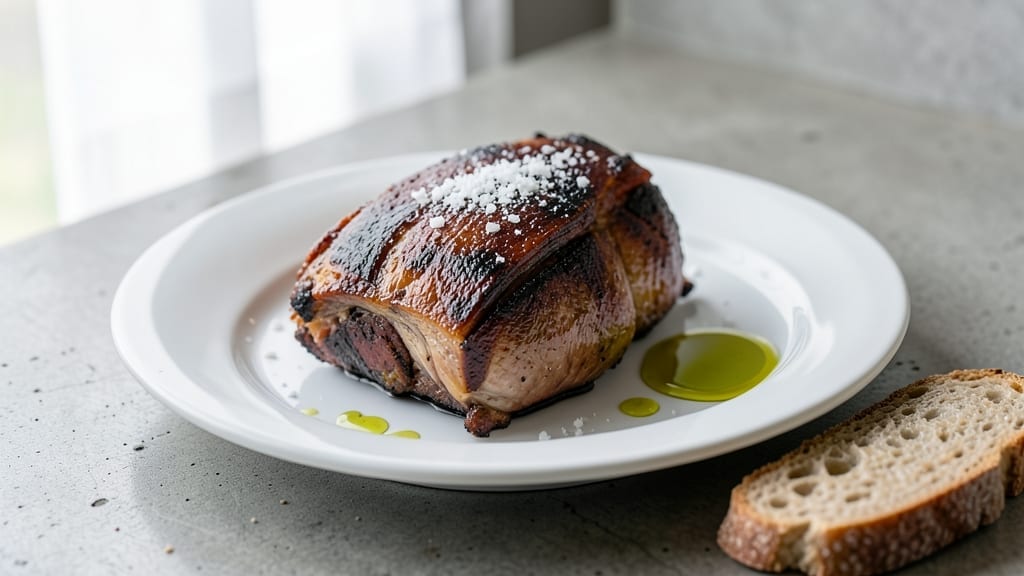
This smoked moose roast recipe transforms wild game into a tender, flavorful centerpiece that rivals any restaurant dish. The key lies in patience—low-and-slow smoking breaks down tough fibers while preserving that rich, gamey depth.
I first perfected this technique after a long weekend foraging in the coastal hills, where the crisp mountain air made every bite taste even more vibrant.
The process starts with a simple yet effective dry rub of salt, pepper, and a touch of juniper berries—no marinating needed. We’ll smoke the roast at 225°F for 8-10 hours, using hickory or applewood for a balanced smoky-sweet profile.
The secret to juicy perfection is keeping the meat moist with occasional spritzes of apple cider vinegar, ensuring every slice is fork-tender with a crisp bark.
By the time it’s done, you’ll have a deeply aromatic, melt-in-your-mouth roast with a glossy sheen from the smoke. The crust will be dark and crackling, while the interior remains rich and velvety.
Serve it sliced thick with roasted root vegetables or a red wine reduction to elevate the natural flavors even further.
This method isn’t just about technique—it’s about celebrating the land’s bounty. Whether you’re feeding a crowd or treating yourself to a special meal, this roast delivers restaurant-quality results with minimal fuss. Let’s get smoking!
Ingredients for smoked moose roast
Wild game meets smoky patience—just a handful of ingredients for restaurant-worthy moose.
| Ingredient | Amount | Notes |
|---|---|---|
| Moose Roast 🦌 | 6 lb | Center-cut, bone-in preferred |
| Kosher Salt 🧂 | 2 tbsp | Diamond Crystal preferred |
| Freshly Ground Black Pepper 🌶️ | 1 ½ tbsp | Coarse grind for texture |
| Juniper Berries 🌿 | 1 tbsp | Crushed lightly, not powdered |
| Apple Cider Vinegar 🍎 | ½ cup | For spritzing during smoke |
| Hickory Wood Chips 🌳 | 2 lb | Or applewood for milder smoke |
| Yellow Onion 🧅 | 1 whole | Quartered, for serving |
| Carrots 🥕 | 2 lb | Whole, for roasting |
| Fresh Thyme 🌿 | ¼ cup | Leaves only, chopped |
| Garlic Cloves 🧄 | 6 cloves | Smashed, for serving |
| Red Wine 🍷 | 1 cup | Cabernet Sauvignon, reduced |
| Olive Oil 🫒 | 2 tbsp | For crust development |
| Brown Sugar 🍚 | 1 tbsp | Lightly coats the rub |
[recipe_ingredient_scaler]
The moose roast is your star, so center-cut and bone-in is non-negotiable—it stays juicier longer. Costco or specialty butcher shops are your best bets for quality cuts, especially if you’re buying fresh. Look for bright red meat with minimal marbling—moose is leaner than beef, so the smoke and rub work harder to tenderize. If you’re buying frozen, thaw it slowly in the fridge (never at room temperature) to avoid drying it out. The juniper berries? Penzeys or bulk spice shops carry the best quality—just crush them lightly between your palms, not into powder. And trust me, hickory chips from Traeger or Lumberjack brands make all the difference in that deep, authentic smoke flavor.
No juniper berries? Substitute with 1 tsp each of allspice and rosemary—it won’t be identical, but it’ll still add depth. Running short on red wine? Beef broth with a splash of balsamic works surprisingly well for the reduction. The vinegar spritz? Apple juice works in a pinch, though it lacks the acidity to keep the meat as moist. For the serving sides, any root veggies you’ve got—parsnips, turnips, even sweet potatoes—roast beautifully alongside. And if you’re feeling fancy, a splash of brandy in the wine reduction adds a whole new layer of complexity. Just don’t skip the olive oil—it’s what helps create that coveted crisp bark.
This roast is a make-ahead masterpiece. Prep the rub the night before and let it sit on the meat in the fridge—it’ll cling better and penetrate deeper. The roast itself keeps 3-4 days in the fridge, wrapped tightly in butcher paper (not plastic—it traps too much moisture). For longer storage, slice and freeze portions for up to 3 months. Reheat gently in a skillet with a splash of broth or water—microwaving dries it out. Leftovers? Toss them into sandwiches, hash, or even tacos—just don’t let anyone tell you moose isn’t versatile.
Why You’ll Love This Recipe
- No-Fuss Flavor Bomb: Honestly, the prep is that simple—just pat dry, slather on the salt and pepper, and let the juniper berries and brown sugar do the heavy lifting. No fancy prep, just a few minutes of rubbing and waiting, and you’ve got a rub that turns gamey into glorious.
- Smoky, Tangy, Addictive: That apple cider vinegar spritz every 90 minutes? Game-changer. It keeps the bark from drying out while adding a bright, tangy punch that cuts through the richness of the moose. Trust me, the first bite will make you forget you ever doubted game meat.
- Feeds a Crowd (or Your Leftovers): Six pounds of moose isn’t just for big gatherings—it’s also exactly what you need for a meat-heavy meal that’ll last. The roast keeps fresh for three days in butcher paper, and sliced portions freeze like a dream for up to three months. Perfect for when you want to cook once, eat twice.
- Weeknight Smoker Hack: You don’t need to be a pitmaster to nail this. The low-and-slow method at 225°F means you can start it in the morning and forget about it until dinner. Pair it with those roasted carrots and onions (which cook while the moose smokes), and you’ve got a hands-off, showstopping meal with minimal cleanup.
Step-by-step instructions for smoked moose roast
Here’s the method that delivers melt-in-your-mouth tenderness and deep gamey flavor every time.
Prepare the Moose Roast and Create the Rub
Start by removing the moose roast from the refrigerator and patting it completely dry with paper towels. This drying step is crucial—it promotes better bark formation during smoking. Place the roast on a cutting board and generously coat it with the 2 tablespoons kosher salt and 1½ tablespoons freshly ground black pepper, pressing the seasoning into the meat so it adheres evenly.
In a small bowl, crush the 1 tablespoon juniper berries lightly with the flat side of a knife—you want them coarsely ground, not powdered. Mix these crushed juniper berries with the 1 tablespoon brown sugar. This combination creates a perfect balance of earthy juniper flavor and just enough sweetness to complement the gamey richness of the moose. Sprinkle this mixture evenly over the salted roast, pressing it into the meat. Place the roast on a plate and let it sit at room temperature for 1 hour before smoking—this ensures even cooking and maximum flavor penetration.
Set Up the Smoker and Prepare the Moose
While the moose roast rests, set up your smoker using the 2 pounds hickory wood chips. Soak the wood chips in water for at least 30 minutes before using them to prevent flare-ups. Fill the smoker’s wood chip tray and preheat the smoker to 225°F. This low-and-slow temperature is essential for breaking down the tough moose meat fibers and creating that perfect tender texture.
Once the smoker reaches the target temperature and you see clean, thin blue smoke (not thick white steam), it’s ready. Place the moose roast in the smoker fat-side up. The fat will render slowly and baste the meat as it cooks. Close the lid and resist the urge to open it during the first 2 hours—each time you open the lid, you lose heat and moisture, potentially extending the cook time by 30 minutes or more.
Smoke the Moose and Monitor the Stall
Smoke the moose roast for 6 to 8 hours, maintaining a consistent temperature of 225°F. Every 90 minutes, spritz the roast with ¼ cup apple cider vinegar using a spray bottle. This step is crucial—it helps prevent the surface from drying out and adds a subtle tang that cuts through the richness of the meat. The vinegar also helps break down collagen for even more tenderness.
Around the 6-hour mark, you’ll notice the internal temperature stall around 165°F. This is normal and expected—it’s when the moisture in the meat evaporates faster than new heat can penetrate. When this happens, wrap the moose roast tightly in butcher paper (not aluminum foil, as it traps too much moisture). Return it to the smoker and continue cooking until the internal temperature reaches 203°F, which should take another 3 to 4 hours. Use a meat thermometer to check the temperature in the thickest part of the roast, avoiding the bone.
Prepare the Accompaniments and Rest the Meat
While the moose roast finishes smoking, prepare the accompaniments. Preheat your oven to 400°F and toss the 2 pounds carrots and the 1 quartered yellow onion with 2 tablespoons olive oil, ¼ cup chopped fresh thyme, and a generous pinch of salt and pepper. Roast them for 30 to 35 minutes until tender and caramelized. In a small saucepan, reduce the 1 cup red wine over medium heat until it’s reduced by half, about 10 to 12 minutes. This wine reduction will add depth to your serving sauce.
Once the moose roast reaches the target internal temperature of 203°F, remove it from the smoker and let it rest for at least 2 hours, loosely tented with foil. This resting period is critical—it allows the juices to redistribute throughout the meat, ensuring each slice is moist and flavorful. During this time, slice the 6 smashed garlic cloves in half and prepare your serving plates.
Slice and Serve with Confidence
After the resting period, slice the moose roast against the grain into ½-inch thick slices. The grain direction will be visible as lines running through the meat. Serve the sliced moose roast with the roasted carrots and onions, drizzle with the reduced red wine, and garnish with additional chopped fresh thyme. The result should be perfectly tender meat with a beautiful dark bark on the outside, a pink smoke ring just beneath, and juicy, flavorful slices that practically melt in your mouth.
Real talk: The first time you smoke moose, you might be tempted to rush the process. But trust the method—low and slow is the key to unlocking the full potential of this gamey meat. The wait is worth it for that first perfect bite of tender, smoky moose roast.
Pro Tips For Making Smoked Moose Roast
- Crush Juniper Properly: Don’t pulverize those juniper berries—just give them a few firm smashes with a knife. Too fine, and they’ll turn bitter; too whole, and you’ll miss their aromatic punch. Think coarse sand, not powder.
- Spritz Like a Pro: That apple cider vinegar isn’t just for flavor—it’s your moisture insurance. Use a spray bottle, not a splash, and aim for a fine mist. Drenching the meat slows evaporation, but soaking it turns the bark soggy.
- Resist the Stall Panic: When the temp hits 165°F and stalls, don’t crank the heat. Wrap it in butcher paper and let it crawl to 203°F. I’ve seen people wrap too early (me included) and end up with a steamed mess instead of tender perfection.
- Rest or Regret: Two hours isn’t a typo—it’s the difference between juicy slices and dry disappointment. Tent it loosely, resist the urge to peek, and let those juices settle. Your knife will thank you.
Dietary considerations for this dish
Wild Game Safety First
Moose is a lean, wild game cut that demands extra care—especially when it comes to cooking safely. The 203°F internal temperature in this recipe ensures any potential parasites are neutralized.
I always double-check with a meat thermometer in the thickest part of the roast, avoiding the bone. Never skip this step, as undercooked wild game can pose health risks. 💪
Gluten-Free Friendly
This recipe is naturally gluten-free, making it perfect for those avoiding wheat. The kosher salt, juniper berries, and apple cider vinegar are all gluten-free ingredients. Just ensure your hickory wood chips and red wine are certified gluten-free—some brands use barley-based additives.
I always check the labels on my Traeger wood chips and opt for gluten-free Cabernet Sauvignon when possible.
Low-Carb Adaptations
Moose is already a fantastic low-carb option, with just 1 gram of net carbs per 3-ounce serving when prepared this way. To keep it even cleaner, skip the brown sugar in the rub and use only salt, pepper, and juniper berries.
The carrots and onions can be swapped for cauliflower or zucchini if you’re avoiding root vegetables entirely. I’ve done this version with great success—just roast the veggies with extra olive oil for crispiness.
Dairy-Free Considerations
This recipe is inherently dairy-free, which is a win for those avoiding lactose. The smoked moose pairs beautifully with the red wine reduction and roasted vegetables without needing cheese. If you’re serving with sides like mashed potatoes, opt for a dairy-free alternative like cashew cream or almond milk-based gravy.
The natural gamey flavor of the moose shines even brighter without dairy interference.
Allergen Awareness
For those with nut allergies, double-check your olive oil and wood chips to ensure they’re processed in allergen-free facilities. Juniper berries are generally safe, but if someone in your group has a rare berry allergy, you can substitute with 1 tsp ground allspice and rosemary as mentioned earlier.
Always communicate dietary restrictions clearly before cooking—it’s better to ask than assume. 💛
Nutrition facts
Frequently asked questions
Why does the moose roast need to rest after smoking?
The 2-hour rest lets juices redistribute evenly throughout the meat, preventing dryness on your first slice. This step is especially critical for wild game like moose, which can dry out faster than beef during the cooking process. Skipping it means missing out on that melt-in-your-mouth tenderness!
Can I use applewood instead of hickory for smoking?
Applewood creates a milder, sweeter smoke that pairs beautifully with moose’s natural gamey flavor. The recipe mentions it as a great alternative—just soak the wood chips first to avoid flare-ups. Both woods deliver delicious results, so choose based on your preference for intensity.
What’s the deal with wrapping in butcher paper instead of foil?
Butcher paper allows moisture to escape while keeping the meat protected, creating that perfect bark without trapping excess steam like foil would. This method gives you that beautiful crust while maintaining tenderness—ideal for gamey cuts like moose that need careful moisture control.
How do I know when the moose is done if I don’t have a meat thermometer?
While a thermometer is ideal, you can check by piercing the thickest part with a sharp knife. When the juices run clear (not pink) and the meat feels springy but firm, it’s likely done. The internal temperature should reach 203°F for safety—this method works well for experienced smokers familiar with game textures.
Can I make this recipe ahead of time?
Yes! The roast keeps 3-4 days in the fridge wrapped tightly in butcher paper. For longer storage, slice and freeze portions for up to 3 months. Just reheat gently in a skillet with a splash of broth to maintain moisture—microwaving will dry it out.

Trained in classic French technique but raised on slow-cooked ribs and spicy rubs, she blends culinary skill with smoke and soul.
- Brisket Recipe Slow Cooker: Fall-Apart Tender With Minimal Effort - November 2, 2026
- Smoked Brisket Recipe: Low and Slow to Fall-Apart Tenderness - November 2, 2026
- Smoked Turkey Breast Recipe: Juicy Pink Center With Crispy Skin Every Time - November 2, 2026