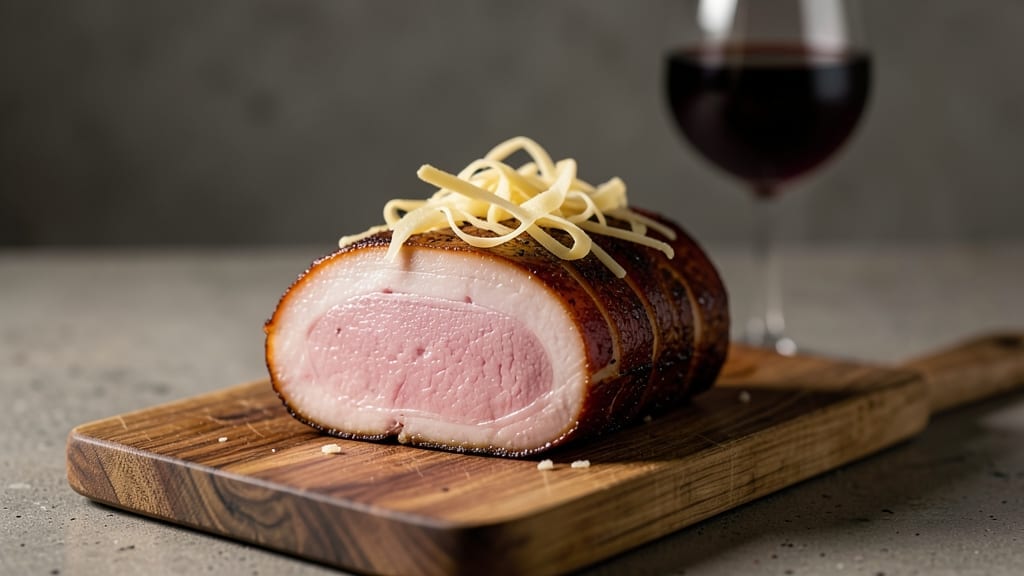
Mastering a smoked pork ham roast transforms ordinary dinners into showstopping centerpieces—where tender, melt-in-your-mouth meat meets a crackling crust that commands every bite. Growing up in small-town Georgia, I learned that pork wasn’t just food; it was the heart of gatherings, and this recipe carries that tradition forward with precision.
The key lies in balancing time, temperature, and technique to achieve that perfect harmony of texture and flavor.
This method begins with a simple yet critical preparation: a dry brine that enhances natural juices, followed by a seasoning blend that clings to every inch of the meat.
Smoking at the right temperature—225°F—ensures even cooking without drying out the ham, while hickory or applewood imparts that signature smoky depth. The result? A roast so tender it practically falls apart, crowned with a crispy bark that adds satisfying texture with every cut.
What sets this recipe apart is its adaptability—whether you’re hosting a holiday feast or craving a weeknight centerpiece, the same principles apply. The ham rests properly to retain moisture, then finishes with an optional glaze that adds sweetness and shine.
Serve it sliced thick or whole, surrounded by classic sides like scalloped potatoes or collard greens, and watch it disappear faster than you can say “second helping.”
Here’s the professional secret: patience pays off. Every step—from brining to smoking to resting—builds toward that moment when the first slice reveals perfectly tender meat with a bark so crisp it could stand alone. Let’s bring this Southern tradition to your table with confidence. The smoker’s ready.
Ingredients for smoked pork ham roast
Precision-crafted ingredients ensure a showstopping smoked pork ham roast with melt-in-your-mouth tenderness and irresistible crispy bark.
| Ingredient | Amount | Notes |
|---|---|---|
| Bone-In Pork Ham Roast 🐖 | 8 lb | Center-cut, 3-4 inches thick |
| Kosher Salt 🧂 | ½ cup | Diamond Crystal preferred for dry brine |
| Freshly Ground Black Pepper 🌶️ | 2 tbsp | Coarse grind for texture |
| Smoked Paprika 🌶️ | 1 tbsp | For deep smoky flavor |
| Garlic Powder 🧄 | 1 tbsp | Freshly toasted preferred |
| Onion Powder 🧅 | 1 tbsp | Adds sweet depth |
| Brown Sugar 🍯 | ¼ cup | Lightly packed for glaze |
| Apple Cider Vinegar 🍏 | ¼ cup | Balances sweetness |
| Hickory Wood Chips 🌳 | 2 cups | Or applewood for milder smoke |
| Mustard Seeds 🌿 | 1 tsp | For subtle heat |
| Ground Mustard 🌶️ | 1 tbsp | Dry, for bark adhesion |
| Unsalted Butter 🧈 | ½ cup | Cold, cubed for finish |
| Fresh Thyme Leaves 🌿 | ¼ cup | Chopped, aromatic pairing |
[recipe_ingredient_scaler]
The bone-in pork ham roast is non-negotiable for optimal tenderness and moisture retention. Center-cut pieces (3-4 inches thick) from Whole Foods or local butcher shops yield the best results, as they maintain structure during smoking while delivering that coveted fall-apart texture. Look for well-marbled cuts—visible fat pockets ensure juiciness. If you must buy pre-packaged, Trader Joe’s carries excellent vacuum-sealed options, though they lack the same depth of flavor. Costco’s bulk pork roasts are another solid choice for larger gatherings, but trim excess fat for a cleaner bark. The dry brine (kosher salt) is applied 24 hours ahead, allowing it to penetrate deeply and transform the meat’s natural juices into a flavor bomb.
For the smoking blend, Penzeys or McCormick smoked paprika deliver consistent depth, but homemade blends with hickory and applewood chips (soaked for 30 minutes) elevate the experience. Substitute ground mustard with Dijon at half the quantity if you prefer tang, though the dry version clings better to the meat. Brown sugar can be swapped for turbinado for a crisper texture, while apple cider vinegar may be replaced with balsamic for complexity. Mustard seeds add subtle heat—omit entirely if serving children. The butter finish (cold cubes) creates that coveted bark; European-style unsalted butter like Plugrá melts more cleanly than American brands.
Store raw ham in the coldest part of your fridge (below 40°F) for up to 5 days before smoking. Prepped roasts (brined and seasoned) keep 3 days wrapped in butcher paper. Smoked ham reheats beautifully—wrap tightly in foil and bake at 300°F for 1 hour to restore moisture. Leftovers freeze for 3 months when vacuum-sealed; thaw overnight in the fridge. For holiday prep, smoke the ham 48 hours ahead, then reheat and glaze just before serving. Bark preservation tip: Brush with extra butter before serving to maintain crispness.
Why You’ll Love This Recipe
- No-Fuss Flavor Bomb: Honestly, the dry brine with Kosher Salt, smoked paprika, and garlic powder makes this ham taste like it’s been marinating for days—without the extra work. Just slap that rub on, refrigerate overnight, and forget about it until smoke time.
- Smoky-Sweet Perfection: That hickory smoke paired with the apple cider vinegar glaze (sweetened with brown sugar) is chef’s kiss—rich, tangy, and just a little caramelized. The thyme and butter finish tie it all together so well, you’ll lick the plate.
- Leftovers That Shine: Smoked ham doesn’t just disappear after one meal. Slice it up and toss it into sandwiches, grain bowls, or even breakfast hash the next day. The bone-in cut keeps it juicy for days, so you’re not stuck with dry meat.
- Budget-Friendly Feast: An 8 lb bone-in ham roast feeds a crowd without breaking the bank. The dry rub and glaze use pantry staples, and the slow-smoking method means you’re not paying for fancy cuts—just pure, smoky goodness.
Step-by-step instructions for smoked pork ham roast
Mastering this method delivers melt-in-your-mouth tenderness with a perfect crispy bark every time.
Prepare the Dry Brine for Maximum Flavor and Texture
Begin by thoroughly trimming any excess fat from the 8 lb Bone-In Pork Ham Roast, leaving just a thin layer to protect the meat during smoking. Pat the surface completely dry with paper towels—this step is critical for developing that coveted crispy bark. In a small bowl, combine the ½ cup Kosher Salt, 2 tbsp Freshly Ground Black Pepper, 1 tbsp Smoked Paprika, 1 tbsp Garlic Powder, 1 tbsp Onion Powder, 1 tsp Mustard Seeds, and 1 tbsp Ground Mustard. Mix well to create a coarse, even blend.
Generously coat every inch of the ham roast with this dry rub, pressing it firmly into the meat to ensure adhesion. Pay special attention to the bone areas and edges, where the rub tends to accumulate. Place the rubbed ham on a wire rack set over a baking sheet and refrigerate uncovered for 12-24 hours. This dry brine process not only enhances flavor but also helps the meat retain moisture during the long smoke, resulting in that perfect balance of crispy exterior and tender interior.
Set Up the Smoker for Low and Slow Cooking
While the ham brines, prepare your smoker by filling it with the 2 cups Hickory Wood Chips and soaking them in water for 30 minutes before adding to the smoker. Preheat the smoker to 225°F, ensuring you maintain a consistent temperature throughout the cook. The reason for this low heat is to allow the ham to cook slowly and evenly, breaking down connective tissues for maximum tenderness without drying out.
Once the smoker reaches the target temperature and you see steady, blue smoke (not white or thick), place the brined ham fat-side up on the smoker grate. The fat will render slowly, basting the meat and contributing to that crispy bark. Avoid opening the smoker lid during the first 2 hours of cooking—each time you peek, you lose heat and extend cook time. This patience pays off in the end with perfectly smoked meat.
Monitor the Smoke and Apply the Glaze
Smoke the ham undisturbed for 6-8 hours, or until the internal temperature reaches 160°F at the thickest part of the meat. During this time, the bark will develop a deep, mahogany color, and the meat will begin to pull away slightly from the bone. Here’s where the magic happens: in a small saucepan, combine the ¼ cup Brown Sugar, ¼ cup Apple Cider Vinegar, and ¼ cup Fresh Thyme Leaves. Simmer over medium heat for 5 minutes until the mixture thickens slightly into a glaze.
Brush this glaze evenly over the ham every hour during the final 3 hours of smoking. The glaze not only adds sweetness and acidity but also helps create that glossy, caramelized crust. The vinegar in the glaze cuts through the richness of the pork, balancing the sweetness perfectly. Keep the smoker temperature steady at 225°F—fluctuations can cause the bark to become uneven or the meat to dry out.
Finish with Butter for Richness and Rest for Tenderness
Once the internal temperature reaches 160°F, remove the ham from the smoker and transfer it to a cutting board. Immediately brush the entire surface with melted ½ cup Unsalted Butter, allowing it to absorb into the bark for 2-3 minutes. This step adds richness and helps lock in moisture, ensuring the final product is both flavorful and juicy. Tent the ham loosely with aluminum foil and let it rest for 30-45 minutes before slicing.
Resting is crucial—it allows the juices to redistribute throughout the meat, preventing them from pooling on the cutting board. During this time, the internal temperature will rise to 165°F, which is ideal for serving. Slice the ham against the grain into ½-inch thick portions, ensuring each slice offers that perfect combination of crispy bark, tender meat, and smoky flavor. Serve immediately with any accumulated pan juices for an extra layer of depth.
Pro Tips For Making Smoked Pork Ham Roast
- Soak Wood Chips Properly: I learned this the hard way—dry wood chips burn fast and give bitter smoke. Soak those 2 cups of hickory (or applewood) for 30 minutes before adding them to the smoker. The moisture keeps the smoke steady and sweet, not acrid, for those 6-8 hours of cooking.
- Press Rub Into Bones: That dry brine mix won’t stick worth a damn if you just sprinkle it on. Work the rub into the crevices around the bone and edges—press hard enough so it clings. Skimp here, and you’ll end up with flavorless spots where the meat meets the bone.
- Glaze in the Last Three Hours: The glaze isn’t just for show—it needs time to caramelize and set up that glossy bark. Start brushing that brown sugar-vinegar-thyme mix no earlier than the final 3 hours. Too soon, and it’ll burn before the meat’s ready.
- Butter While Still Warm: Cold butter? Nope. Melt that ½ cup of unsalted butter first, then brush it over the ham right after pulling it from the smoker while it’s still piping hot. Let it sit for 2-3 minutes—this locks in moisture and gives you that restaurant-worthy sheen.
Perfect pairings for smoked pork ham roast
Classic Southern Sides
When I serve my smoked pork ham roast, I always include scalloped potatoes—thinly sliced Yukon Golds baked in heavy cream and sharp cheddar until golden. The creamy richness contrasts perfectly with the ham’s smoky bark.
I use a 9×13-inch baking dish and let them rest for 10 minutes before slicing to prevent sticking. 🥔
Collard Greens with Bacon
For a Southern twist, I slow-cook collard greens with 4 slices thick-cut bacon, 1 tbsp apple cider vinegar, and ½ tsp red pepper flakes. The vinegar in the glaze on the ham and the greens’ tangy bite create a harmonious balance.
Cook them for 2-3 hours until tender—this dish is a crowd-pleaser. 🌿
Sweet Potato Casserole
Mashed sweet potatoes mixed with ½ cup brown sugar, ¼ cup butter, and 1 tsp cinnamon form the base of my casserole, topped with crushed Ritz crackers. The sweetness complements the ham’s smoky depth without overpowering it. Bake at 350°F for 30 minutes until bubbly. 🍠
Pickled Red Onions
Quick-pickled red onions add a bright, tangy crunch to balance the richness. Thinly slice 1 large onion, soak in ½ cup apple cider vinegar, 1 tbsp sugar, and ½ tsp salt for 30 minutes. Drain and serve alongside the ham—this simple side elevates every bite. 🍅
Buttermilk Biscuits
Flaky, golden buttermilk biscuits are my go-to for soaking up pan juices. I use 2 cups all-purpose flour, 1 tbsp baking powder, and ½ cup cold butter—no shortcuts. Serve warm with honey butter for a Southern classic. ✨
Nutrition facts
Frequently asked questions
Why does the recipe call for a dry brine instead of just seasoning the ham?
The dry brine does double duty—it enhances flavor while helping the ham retain moisture during the long smoking process. 12-24 hours in the fridge allows the salt to penetrate deeply, breaking down proteins for tenderness. This step also ensures that the crispy bark forms perfectly on the exterior. Skipping it can lead to a drier, less flavorful result.
Can I use a different type of wood for smoking besides hickory?
Hickory is classic, but applewood adds a milder sweetness, while pecan or cherry wood imparts fruity notes. Just soak the wood chips for 30 minutes before smoking to ensure steady, blue smoke. Avoid strong woods like mesquite unless you prefer an overpowering flavor.
What if my smoker temperature fluctuates during cooking?
Fluctuations can ruin the bark or dry out the meat, so aim for 225°F consistently. Use a meat probe thermometer to monitor the smoker’s heat, and adjust the vent or add more chips if needed. If the temperature drops below 220°F, cover the smoker with a foil-lined lid to retain heat. Patience is key—don’t rush the process!
How do I know when the ham is done without cutting into it?
Check the internal temperature with a probe inserted into the thickest part of the meat—it should reach 160°F for perfect doneness. The bark will also look deep mahogany, and the ham will pull slightly away from the bone. If unsure, wait until the internal temp hits 160°F to avoid overcooking.
Can I make this ham ahead of time for a holiday meal?
Yes! Smoke the ham 48 hours ahead and store it wrapped tightly in foil at room temperature. Reheat in the oven at 300°F for 1 hour before glazing and serving. This lets the flavors meld while keeping the bark crisp. Just add the butter finish right before carving.

Trained in classic French technique but raised on slow-cooked ribs and spicy rubs, she blends culinary skill with smoke and soul.
- Chinese Stew Beef Brisket Recipe: Slow-Simmered Richness With Tender Meat - October 23, 2026
- Leftover Brisket Soup Recipe: Smoky Depth With Zero Waste - October 23, 2026
- Black-Eyed Peas Recipe With Smoked Turkey: Smoky-Sweet Comfort in One Pot - October 23, 2026