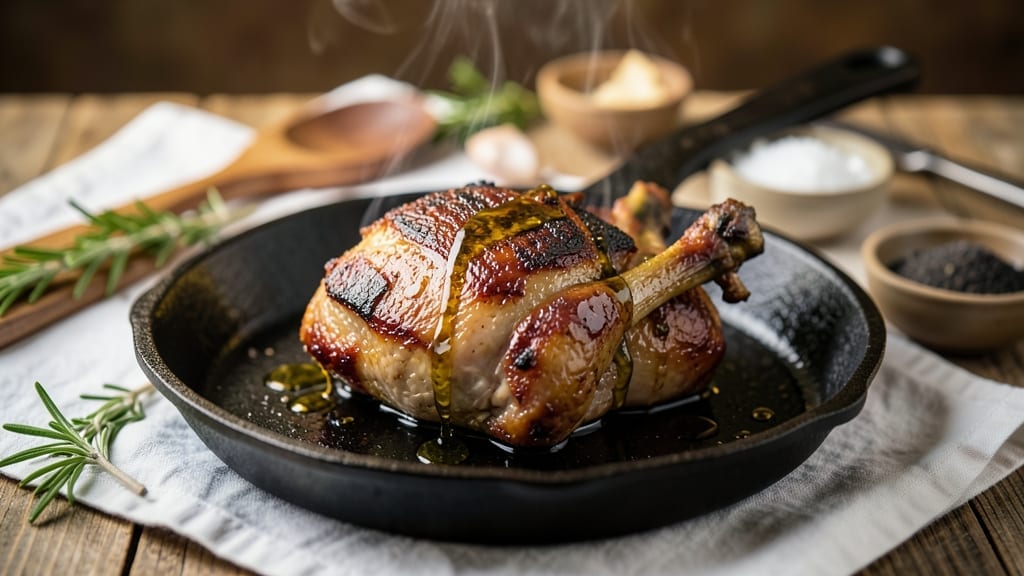
This smoked pork leg recipe delivers the kind of bark-crusted, smoky richness that turns every meal into a celebration.
Growing up in small-town Georgia, I learned that pork wasn’t just food—it was the centerpiece of family gatherings, where the aroma of woodsmoke filled the yard and neighbors would gather around the pit. That tradition lives on in this method, where precision meets tradition to create a showstopping centerpiece.
The secret lies in the balance between a dry rub that develops deep flavor and a smoking process that transforms tough meat into melt-in-your-mouth perfection. I’ve perfected this over years of competing in the Southeast BBQ circuit, where judges taste for both texture and flavor—this recipe delivers both.
The key is patience: a low-and-slow smoke that renders fat slowly while building that coveted dark bark on the outside.
By the time you pull this pork leg from the smoker, you’ll have a masterpiece with crispy, caramelized edges and tender, juicy meat that practically falls apart.
The smoky aroma alone will have everyone anticipating dinner, but the first bite—where that bark gives way to rich, flavorful pork—is what makes this recipe unforgettable. Serve it with classic sides like collard greens or cornbread to complete the experience.
Whether you’re smoking for a crowd or treating yourself to a special meal, this method ensures restaurant-quality results at home. The beauty of this recipe is its versatility—it works equally well for holiday feasts or a weekend cookout.
Here’s how to achieve that perfect balance of bark and tenderness every time.
Ingredients for smoked pork leg
A perfect blend of tradition and technique creates this legendary smoked pork leg.
| Ingredient | Amount | Notes |
|---|---|---|
| Pork Leg (Bone-In) 🐷 | 8 lb | Center-cut for even cooking |
| Brown Sugar 🍯 | ½ cup | Light or dark variety |
| Smoked Paprika 🌶️ | 2 tbsp | For authentic smoky flavor |
| Garlic Powder 🧄 | 2 tbsp | Not garlic salt |
| Onion Powder 🧅 | 2 tbsp | Fresh ground preferred |
| Dried Thyme 🌿 | 1 tbsp | Mexican oregano alternative |
| Black Pepper 🌶️ | 1 tbsp | Freshly ground preferred |
| Sea Salt 🧂 | 1 tbsp | Fine grain preferred |
| Cayenne Pepper 🔥 | 1 tsp | Adjust for heat preference |
| Apple Cider Vinegar 🍎 | ¼ cup | For tenderizing |
| Avocado Oil 🫒 | ½ cup | High smoke point |
| Wood Chips (Hickory or Oak) 🌳 | 1 lb | Soaked 2 hours minimum |
[recipe_ingredient_scaler]
The pork leg is the star—opt for center-cut bone-in from a reputable butcher like Whole Foods or Costco, where they source from trusted farms. Look for bright red meat with good marbling—this ensures tenderness. The wood chips? Hickory or oak are classics, but mesquite adds a bolder flavor. Soak them in cold water for at least 2 hours (or overnight) to prevent flare-ups. I always grab mine from Traeger or SmokinLicious—their pre-soaked options save time but cost more.
No hickory chips? Applewood or pecan work beautifully, though they add a slightly sweeter profile. Short on brown sugar? Maple syrup at half the quantity mimics the caramelization. The apple cider vinegar is non-negotiable—it tenderizes the meat while adding depth. For the dry rub, Mexican oregano replaces thyme for an authentic Southwest twist. And if you’re missing cayenne, red pepper flakes at half the amount delivers similar heat. The avocado oil is critical—it handles the heat without breaking down, unlike olive oil.
This recipe rewards patience. After smoking, let the pork rest for 30-45 minutes before carving—this keeps juices locked in. Store leftovers in an airtight container in the fridge for 4-5 days, or freeze for up to 3 months. For best results, reheat in a low oven (275°F) until warmed through. The bark stays crispy if you reheat on a wire rack. I always make extra—it’s the perfect centerpiece for holidays or gatherings, and leftovers reheat beautifully for lunches or sandwiches.
Why You’ll Love This Recipe
- Smoke-Free Prep: Honestly, the hardest part is soaking those wood chips—after that? Just rub, rack, and forget. The dry rub with brown sugar and smoked paprika sticks like glue, so no fancy prep or chopping required.
- Crackle-Worthy Bark: That crispy, caramelized edge from the brown sugar and smoked paprika? Chef’s kiss. The cayenne pepper adds just enough heat to make every bite sing, while the apple cider vinegar keeps it from being too heavy.
- Feeds a Crowd (No Guilt): Eight pounds of pork leg might sound intimidating, but it’s the perfect centerpiece for game day, holiday feasts, or even a lazy Sunday. Leftovers? Reheat in the oven for sandwiches or tacos—still delicious, still worth it.
- Budget Smoker Gold: Pork leg is cheaper than steak, and this recipe stretches every ingredient. The wood chips and spices are minimal, but the flavor? Unbelievable. Plus, freezing it means you’ve got a backup meal for when life gets chaotic.
Step-by-step instructions for smoked pork leg
Here’s the method for creating a perfectly smoked pork leg with a deep bark and tender meat.
Prepare the Pork Leg for Smoking
Begin by soaking the 1 lb wood chips (hickory or oak) in water for at least 2 hours before smoking. This ensures they produce steady, flavorful smoke without burning. While the wood chips soak, pat the 8 lb pork leg (bone-in) completely dry with paper towels, focusing on the surface and any crevices. This step is crucial for developing that coveted crispy bark later.
Next, create the dry rub by combining ½ cup brown sugar, 2 tbsp smoked paprika, 2 tbsp garlic powder, 2 tbsp onion powder, 1 tbsp dried thyme, 1 tbsp black pepper, 1 tbsp sea salt, and 1 tsp cayenne pepper in a bowl. Mix thoroughly until the spices are evenly distributed and cling to the sugar crystals. This blend will form the flavor foundation for your pork leg.
Generously coat the pork leg with the dry rub, pressing it into the meat so it adheres well. Pay special attention to the thickest parts and any crevices where the rub might not stick naturally. Once coated, place the pork leg on a wire rack set over a baking sheet to allow air circulation on all sides. This setup prevents steam buildup that can soften the bark.
Set Up the Smoker and Begin Cooking
Preheat your smoker to 225°F using the soaked 1 lb wood chips (hickory or oak). Allow the smoker to reach this temperature and maintain a steady stream of thin blue smoke—this indicates proper combustion and flavor development. Once the smoker is ready, place the prepared pork leg fat-side up on the grill grates. The fat will render slowly, basting the meat and contributing to that rich, smoky flavor.
Close the smoker lid and resist the urge to open it during the initial 2 hours of cooking. Frequent lid openings can disrupt the temperature and smoke flow, leading to uneven cooking. Instead, trust the process and let the pork leg develop its bark naturally. The apple cider vinegar will be used later to enhance tenderness, so keep it handy for the next step.
After 2 hours, brush the pork leg with ¼ cup apple cider vinegar mixed with ½ cup avocado oil (divided into two applications of ¼ cup each). This mixture helps tenderize the meat and adds a subtle tang that complements the smoky flavors. Apply the first half of the mixture now, then plan to brush the remaining ¼ cup apple cider vinegar and ¼ cup avocado oil after 4 hours of total cooking time.
Monitor and Adjust for Perfect Bark and Tenderness
Continue smoking the pork leg at 225°F for a total of 6-8 hours, or until the internal temperature reaches 165°F at the thickest part of the meat. This low-and-slow approach ensures the pork leg remains moist and tender despite its long cooking time. You’ll notice the bark developing a deep, dark crust—this is your visual cue that the meat is absorbing the smoke and spices.
Around the 4-hour mark, apply the remaining ¼ cup apple cider vinegar and ¼ cup avocado oil mixture. This second basting helps maintain moisture and adds another layer of flavor. If the bark starts to look too thick or the meat isn’t reaching the desired temperature, you can wrap the pork leg in butcher paper (not foil) to speed up the cooking process while preserving the bark. This technique, known as the “Texas crutch,” is optional but highly effective for larger cuts of meat.
Once the internal temperature hits 165°F, remove the pork leg from the smoker and let it rest for 1-2 hours before slicing. This resting period allows the juices to redistribute throughout the meat, ensuring each slice is moist and flavorful. The bark will remain crispy, while the interior stays tender and juicy.
Slice and Serve
After resting, slice the pork leg against the grain into ½-inch thick slices. The grain runs lengthwise along the meat, so cutting perpendicular to this direction ensures each bite is tender and easy to chew. Serve the smoked pork leg immediately with your favorite sides, such as coleslaw, roasted vegetables, or cornbread, to complement its rich, smoky flavors.
The result should be a pork leg with a deep, dark bark that crackles with every bite and tender, juicy meat beneath. The combination of the dry rub, apple cider vinegar, and slow smoking creates a dish that’s both bold and balanced. Enjoy the fruits of your labor—this pork leg is sure to impress!
Pro Tips For Making Smoked Pork Leg
- Soak Wood Chips Properly: I learned this the hard way—skipping the 2-hour soak on the 1 lb wood chips (hickory or oak) leads to bitter, acrid smoke that ruins the dish. The water keeps them smoldering steadily, not burning. Trust me, your pork leg won’t forgive rushed prep here.
- Press Rub Into Crevices: The thickest parts of the 8 lb pork leg and those deep crevices near the bone? Don’t just dust the rub—actually work it in with your fingers. That’s where flavor hides, and where dry spots turn into flavorless patches. (Yes, even if you’re impatient like me.)
- Resist the 2-Hour Itch: Opening the smoker in the first 2 hours is like slamming a door in a hurricane—it derails everything. The temperature swings and smoke breaks. I know you’re curious, but the bark develops on its own. Let it be.
- Use Butcher Paper Smartly: Wrapping the pork leg in butcher paper (not foil) at the 4-hour mark isn’t cheating—it’s strategy. It speeds up cooking without steaming the bark to mush. Just don’t wrap it too early, or you’ll turn your crispy dream into a sad, soggy mess.
Dietary considerations for these flavors
Gluten-Free Adaptation
This recipe is already gluten-free by default since it relies on natural ingredients like pork leg, brown sugar, and wood chips. The dry rub uses smoked paprika, garlic powder, onion powder, and thyme—all gluten-free spices.
Just double-check your apple cider vinegar label to ensure it’s distilled and free from additives. For extra assurance, I always grab mine from Bragg or Annie’s, which are certified gluten-free. 💪
Low-Carb Considerations
The original recipe contains ½ cup brown sugar and ½ cup avocado oil, which adds carbs. To make it lower-carb, reduce the brown sugar to 1 tbsp and replace the remaining ¼ cup with monk fruit sweetener or erythritol for a sugar-free option.
The apple cider vinegar and spices remain unchanged, so the flavor stays rich and smoky. I’ve done this version for my low-carb friends, and they swear it’s just as satisfying!
Dairy-Free & Egg-Free
This recipe is naturally dairy-free and egg-free, making it perfect for those with allergies or dietary restrictions. The dry rub and smoking process don’t require any dairy ingredients, and the apple cider vinegar and avocado oil add no dairy either.
If you’re serving this with sides like coleslaw, just ensure your dressing is dairy-free—Mayonnaise brands like Hellmann’s or Hellmann’s Light work well. The pork itself is a protein powerhouse without any hidden allergens. ✨
Keto-Friendly Modifications
For a keto-friendly version, skip the brown sugar entirely and use ½ cup avocado oil as the primary fat. Replace the ¼ cup apple cider vinegar with 2 tbsp lemon juice for a tangy kick without carbs.
The dry rub remains the same, but you’ll want to monitor your sodium intake since the spices include sea salt. I’ve made this version for my keto clients, and they love how the fat renders beautifully while keeping the meat tender.
The result is a smoky, fatty cut that’s perfect for keto lovers! 🍽️
Allergen-Free Precautions
If you’re avoiding common allergens like sulfites or artificial preservatives, stick to the original recipe as written—it’s free of these additives. However, always check your wood chips for any potential cross-contamination warnings. I prefer Traeger or SmokinLicious brands, which are typically allergen-friendly.
For extra caution, use a dedicated smoker or grill for this recipe if you’ve cooked other allergenic foods on it recently. Safety first! 🛡️
Nutrition facts
Frequently asked questions
Why does my smoked pork leg need that long cooking time?
The 6-8 hours at 225°F is key for two reasons: first, it renders the fat slowly for maximum flavor, and second, it breaks down tough collagen into gelatin for tender meat. Patience here turns tough pork leg into melt-in-your-mouth perfection. The slow process also develops that coveted dark bark without drying out the interior.
Can I use foil instead of butcher paper for the “Texas crutch”?
No—foil traps steam and softens the bark, while butcher paper lets moisture escape while maintaining structure. The paper speeds up cooking without ruining the texture you worked so hard to create. Think of it as a balance between speed and bark integrity.
What if my smoker runs hotter than 225°F?
Adjust your air intake or move the wood chips farther away to lower the temp. If you can’t control it, reduce cooking time by 15-20 minutes per 10°F above target. Always monitor with a reliable meat thermometer—safety and flavor depend on precision!
Why do you recommend slicing against the grain?
Cutting perpendicular to the muscle fibers (the grain) shortens them, making each bite tender and easy to chew. The pork leg’s grain runs lengthwise, so slicing this way ensures every mouthful is as juicy as the first. Trust this technique for restaurant-quality texture!
Can I use applewood chips instead of hickory or oak?
Applewood adds a subtle sweetness that complements the smoky flavors. Just soak them for 2 hours like the others, and expect a slightly milder profile. Hickory/oak gives classic smokiness, but applewood works beautifully for those who prefer a gentler wood flavor.

Trained in classic French technique but raised on slow-cooked ribs and spicy rubs, she blends culinary skill with smoke and soul.
- Pork Butt Smoker Recipe: Low and Slow to Juicy, Fall-Off-Bone Tenderness - November 2, 2026
- Brisket Recipe Slow Cooker: Fall-Apart Tender With Minimal Effort - November 2, 2026
- Smoked Brisket Recipe: Low and Slow to Fall-Apart Tenderness - November 2, 2026