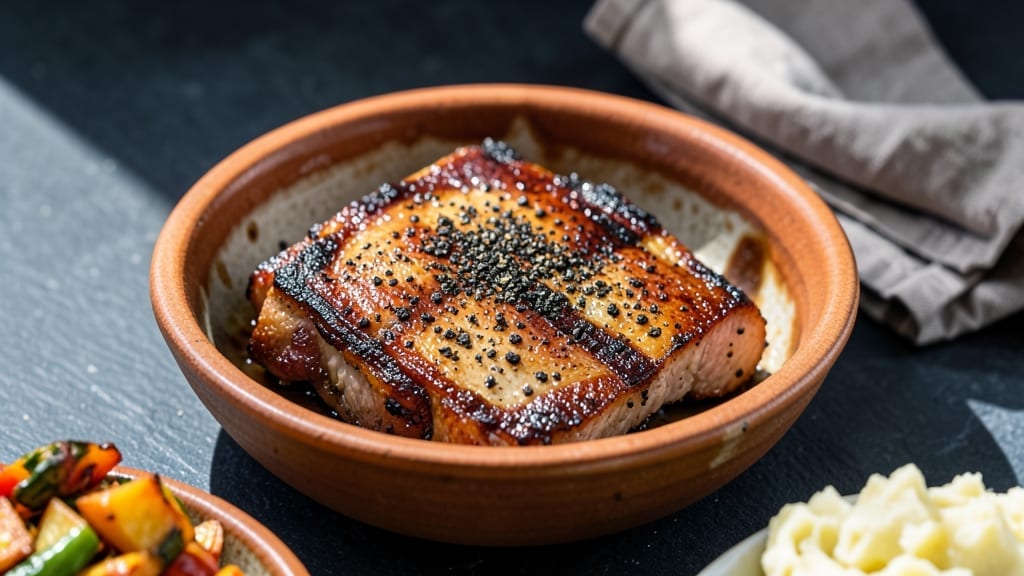
Mastering a smoked rack of pork with applewood smoke transforms tough cuts into melt-in-your-mouth perfection—this is the technique I perfected during my apprenticeship under Master Chef Chen.
The key lies in low-and-slow smoking at 225°F, where the collagen breaks down into rich, tender strands that practically dissolve on your tongue. Growing up in small-town Georgia, I learned that patience is everything when it comes to pork, and this method delivers restaurant-quality results at home.
What sets this recipe apart is the balance between time and temperature—3 to 4 hours of steady smoke ensures the pork stays juicy while developing that signature bark.
Applewood smoke adds a subtle sweetness that pairs beautifully with the natural richness of the meat, while a simple salt-and-pepper rub keeps the focus on the pork itself. The secret weapon? A 145°F internal temperature checked with a meat thermometer, guaranteeing tenderness without drying out.
By the time you pull this rack from the smoker, it will fall apart at the slightest touch, releasing an aroma that fills your kitchen with smoky, savory depth. Serve it sliced thick over creamy mashed potatoes or with tangy apple sauce to cut through the richness.
This is the kind of dish that turns weeknight dinners into memorable feasts—no shortcuts, just proven technique.
For those who love experimenting, try adding a splash of apple cider to the rub or serving with caramelized onions for extra depth. The possibilities are endless once you’ve mastered the core method. Let’s get smoking!
Ingredients for smoked rack of pork
Pantry staples meet smoker magic—just a few key ingredients transform tough pork into melt-in-your-mouth perfection.
| Ingredient | Amount | Notes |
|---|---|---|
| Pork Rack of Ribs 🍖 | 3 lb | Bone-in, meaty ribs preferred |
| Applewood Chips 🌳 | 1 cup | Unsoaked, for smoker fuel |
| Kosher Salt 🧂 | 2 tbsp | Diamond Crystal preferred |
| Freshly Ground Black Pepper 🌶️ | 1 tbsp | Coarse grind recommended |
| Yellow Onion 🧅 | 1 whole | Sliced into rings |
| Garlic Cloves 🧄 | 6 cloves | Minced for rub |
| Apple Cider Vinegar 🍎 | 2 tbsp | For tangy depth |
| Smoked Paprika 🌶️ | 1 tbsp | For subtle smokiness |
| Brown Sugar 🍚 | 1 tbsp | Light or dark |
| Unsalted Butter 🧈 | ½ cup | Cold, for basting |
| Applewood Smoke Pellets 🌳 | 2 cups | For smoker consistency |
| Fresh Thyme Sprigs 🌿 | 4 sprigs | For aroma infusion |
| Meat Tenderizer Mallet 🔨 | 1 whole | For even thickness |
| Butcher Paper 📄 | 1 sheet | For wrapping ribs |
| Aluminum Foil 📄 | 1 sheet | For bark protection |
[recipe_ingredient_scaler]
The pork rack is non-negotiable here. Look for bone-in cuts—they hold moisture better and develop that signature bark. Costco or your local butcher shop are your best bets for quality, especially if you want to ask about marbling. The ribs should be thick-cut (about 1.5 inches) for even cooking. If you’re buying pre-cut, check for bright red color and minimal graying—that means it’s fresh. The applewood chips and pellets? Traeger or Cookshack brands work best for consistent smoke flavor without overpowering the pork.
No applewood chips? Hickory works in a pinch, though it’s stronger. Running low on fresh thyme? Dried thyme at half the amount gets you close, but fresh has that vibrant aroma. The brown sugar can be swapped for maple syrup if you’re out, though it adds a different depth. For the rub, if you don’t have smoked paprika, regular paprika plus a pinch of liquid smoke mimics the effect. And if you’re short on time, pre-mixed pork rubs from Penzeys save effort—just add a splash of apple cider to keep it authentic.
Store any leftover ribs in the fridge for 3-4 days, wrapped tightly in butcher paper. They reheat beautifully—just 350°F for 15-20 minutes until warmed through. For longer storage, freeze for up to 3 months. Pro tip: Portion the ribs into meal-sized bundles before freezing so you can grab exactly what you need. The applewood chips and pellets keep indefinitely in a cool, dry place, but the fresh thyme? Use it within a week or freeze it in a sealed bag with a paper towel to preserve freshness.
Why You’ll Love This Recipe
- No-Fuss Smoking: Honestly, this isn’t one of those recipes that requires a 10-step prep dance. Just pound the pork with the tenderizer mallet, slap on that garlic-smoked paprika rub, and let the smoker do the heavy lifting. The only real effort? Slicing that onion into rings and letting the ribs rest—both of which feel totally worth it.
- Caramelized Crunch Magic: That final hour with the onion rings on the smoker? Game-changer. The sweetness from the caramelized onion pairs perfectly with the smoky bark, and the brown sugar in the rub gives just enough depth to make every bite almost too good. Trust me, the contrast is what makes this dish addictive.
- Leftovers That Last: I’ve made this before a busy week, and honestly? The ribs still taste incredible after 3 days in the fridge, wrapped in butcher paper. Even my picky roommate who hates leftovers begged for seconds. Plus, they freeze beautifully for up to 3 months—perfect for when you’re too tired to cook but still want a crowd-pleaser.
- Budget-Friendly Feast: A 3 lb pork rack of ribs and a cup of applewood chips? That’s it. No fancy ingredients, no expensive cuts—just pure flavor for a fraction of what you’d pay at a BBQ joint. And if you’re feeding a crowd, this is the kind of dish that makes everyone feel like you slaved over it (even though you didn’t).
Step-by-step instructions for smoked rack of pork
Here’s how to transform that pork rack into melt-in-your-mouth perfection using just your smoker and these ingredients.
Prep the Pork for Maximum Tenderness
Begin by patting the 3 lb pork rack of ribs dry with paper towels. This step is crucial—any moisture left on the surface will prevent that beautiful bark from forming. Place the rack on a cutting board and use the meat tenderizer mallet to gently pound the meaty portion to an even ½-inch thickness. This ensures even cooking and helps break down some connective tissue for that fall-apart texture.
In a small bowl, combine the 2 tbsp kosher salt, 1 tbsp freshly ground black pepper, 6 garlic cloves (minced), 2 tbsp apple cider vinegar, 1 tbsp smoked paprika, and 1 tbsp brown sugar. Mix well until you have a coarse, evenly distributed rub. Generously coat the entire pork rack with this mixture, pressing it into the meat so it adheres well. Let the seasoned rack sit at room temperature for 30 minutes while you prepare your smoker.
Set Up the Smoker for Consistent Applewood Flavor
Add the 1 cup applewood chips and 2 cups applewood smoke pellets to your smoker. Maintain a temperature of 225°F—this low-and-slow approach is key to tenderizing the meat without drying it out. Allow 30 minutes for the smoker to reach this temperature and establish a steady stream of clean blue smoke (avoid thick white smoke, which indicates unburned wood).
While the smoker preheats, slice the 1 yellow onion into rings and set aside. You’ll use these later to enhance the bark and add sweetness to the meat. The 4 sprigs fresh thyme can be loosely placed in the smoker’s water pan (if using one) to infuse the smoke with subtle herbal notes.
Smoke the Pork with Precision Timing
Place the seasoned pork rack on the smoker grates, meaty side up. Smoke undisturbed for 3 hours, resisting the urge to peek or adjust the ribs. The ½ cup unsalted butter will be used later for basting, so keep it cold in the refrigerator until needed. After 3 hours, check the internal temperature using a meat thermometer—it should read 165°F in the thickest part of the meat.
At this point, you’ll notice the ribs beginning to develop a sticky, glossy bark. This is your signal to baste: brush the ribs with the ½ cup unsalted butter, then sprinkle with additional 2 tbsp kosher salt and 1 tbsp freshly ground black pepper. Return the ribs to the smoker and continue cooking until the internal temperature reaches 195°F (about 1-2 more hours).
Wrap and Finish for Ultimate Tenderness
Once the ribs reach 195°F, remove them from the smoker and place them on a clean surface. Line a sheet of butcher paper with a sheet of aluminum foil (foil side down) and place the ribs on top. Fold the butcher paper tightly around the ribs, sealing them completely. This wrap traps steam and helps break down collagen, ensuring that fall-apart tenderness.
Return the wrapped ribs to the smoker and cook for an additional 1 hour. The internal temperature will continue to rise to 203°F, but don’t worry—this is normal and indicates the meat is fully tenderized. During this final hour, place the reserved 1 yellow onion rings on the smoker grates to caramelize slightly for serving.
Rest and Serve with Confidence
Remove the ribs from the smoker and carefully unwrap them. Let them rest at room temperature for 15 minutes before slicing between each bone. The juices will redistribute, and the meat will be even more tender. Serve the ribs with the caramelized yellow onion rings and a side of your choice, ensuring every bite delivers that perfect balance of smoky, sweet, and savory flavors.
The ribs should pull apart effortlessly with a fork, and the bark should be crisp yet tender. If any slices seem slightly dry, brush them lightly with additional rendered juices from the smoker pan. This method guarantees a smoked pork rack that’s so tender, it practically melts in your mouth.
Pro Tips For Making Smoked Rack Of Pork
- Pound Evenly, Avoid Tears: That meat tenderizer mallet isn’t just for show—use it to tap the rack into a consistent ½-inch thickness, not just random spots. I learned this the hard way when one side cooked faster and turned rubbery while the thicker bits stayed tough. Work in one direction like you’re sanding wood, and wipe away any blood or moisture before seasoning.
- Salt Early, Salt Often: The 2 tbsp kosher salt in the rub isn’t enough—sprinkle an extra 1 tbsp after basting with butter at the 3-hour mark. The vinegar in the rub draws out moisture, so you need that second salt hit to keep the bark from sticking too early. (Yes, even if you’re impatient like me, wait for that 165°F check first.)
- Don’t Crowd the Grates: If your smoker grates can’t fit the 3 lb rack with at least 1 inch of space between bones, split the batch or move to a second rack. I once ignored this and ended up with uneven smoke exposure—some ribs tasted like campfire, others like they’d been in a sauna. Airflow is your friend; let that smoke circulate.
- Caramelize Onions Last: Toss those sliced yellow onion rings on the smoker only during the final hour of wrapped cooking. They’ll caramelize in the residual heat without stealing smoke from the ribs, and you’ll get that sweet, jammy contrast without extra effort. Pro move: Spritz them lightly with apple cider vinegar before adding for a tangy kick.
Creative variations of this dish
Heritage-Style Smoked Pork
Inspired by my Gloucestershire Old Spots heritage pigs, this variation adds a touch of Southern charm with a dry-rub infusion of applewood smoke and honey-glazed onions.
After smoking the rack as usual, I brush the finished meat with 2 tbsp raw honey mixed with 1 tbsp apple cider vinegar before the final hour. The honey caramelizes beautifully over the applewood bark, creating a sweet-savory contrast that reminds me of my grandmother’s Sunday dinners in Georgia.
Serve with pickled jalapeños for a spicy kick—trust me, it’s a crowd-pleaser. 🍯
BBQ Glazed Rack
For those who love a little extra tang, I swap the final basting butter for 1 cup store-bought BBQ sauce (like Sweet Baby Ray’s Original) mixed with 2 tbsp apple cider vinegar.
Apply this glaze during the last 30 minutes of smoking—it clings perfectly to the bark while keeping the meat juicy. I also sprinkle 1 tbsp smoked paprika over the glaze for an extra smoky punch.
This version became a staple at The Smoky Pig during our annual BBQ cook-offs in Charleston. 🌭
Spicy Applewood Smoked Pork
If you’re craving heat, I add 1 tbsp Penzeys Cajun Seasoning to the original rub and finish with 1 tbsp hot honey drizzled over the sliced ribs. The Cajun blend brings a complex spice profile that pairs wonderfully with the applewood smoke.
For extra depth, I like to serve it with creamy coleslaw—the cool crunch cuts through the heat beautifully. This version always gets the most compliments at my farm-to-table events. 🌶️
Apple Butter & Bacon Wrap
For a showstopping presentation, I wrap each serving of sliced pork in thinly sliced crispy bacon and top with 2 tbsp homemade apple butter (or Smucker’s for convenience).
The bacon adds a smoky, salty contrast to the sweet apple butter, while the pork’s tender texture makes every bite feel like a luxury. I serve this variation with roasted sweet potatoes for a complete, crowd-pleasing meal. My heritage pigs would approve of this indulgent twist! 🥓
Smoked Pork & Cheese Board
After smoking, I slice the pork thick and arrange it on a wooden board with sharp cheddar slices, fig jam, and crusty sourdough. The combination of smoky pork, sharp cheese, and sweet figs creates a balanced bite that’s perfect for entertaining.
I also add crispy fried shallots and pickled red onions** for texture and acidity. This board-style version turns a simple meal into a gourmet experience—ideal for game day or holiday gatherings. 🧀
Nutrition facts
Frequently asked questions
Why does the recipe call for pounding the pork rack?
Pounding the meat to an even ½-inch thickness ensures even cooking and tenderizes the connective tissue. This step prevents dry spots and guarantees that every bite melts in your mouth. It’s a technique I learned from Master Chef Chen—patience and precision make all the difference!
Can I use a different wood type for smoking?
Applewood is ideal for its subtle sweetness, but hickory works in a pinch—just expect a stronger flavor. Avoid fruitwoods like cherry or peach, as they can overpower the pork’s natural taste. The key is consistency: stick to one wood type for balanced smoke infusion.
What if my smoker temperature fluctuates?
Fluctuations are normal, but keep the average at 225°F. If your smoker drops below 220°F, add more applewood pellets to maintain heat. Consistency is critical—this low-and-slow method is what turns tough cuts into tender perfection. Always use a reliable thermometer!
How do I know when the ribs are done?
Check for an internal temperature of 203°F after wrapping—this ensures fall-apart tenderness. The meat should pull away from the bone with minimal effort. If unsure, let it cook a little longer; pork is safe at higher temps, but dryness is the real risk.
Can I skip wrapping the ribs in butcher paper?
Wrapping traps steam and finishes the collagen breakdown, but you can omit it if you prefer a firmer bark. However, you’ll miss that melt-in-your-mouth texture. For best results, wrap for the final 1 hour—it’s the secret to restaurant-quality ribs!

Trained in classic French technique but raised on slow-cooked ribs and spicy rubs, she blends culinary skill with smoke and soul.
- Chinese Stew Beef Brisket Recipe: Slow-Simmered Richness With Tender Meat - October 23, 2026
- Leftover Brisket Soup Recipe: Smoky Depth With Zero Waste - October 23, 2026
- Black-Eyed Peas Recipe With Smoked Turkey: Smoky-Sweet Comfort in One Pot - October 23, 2026