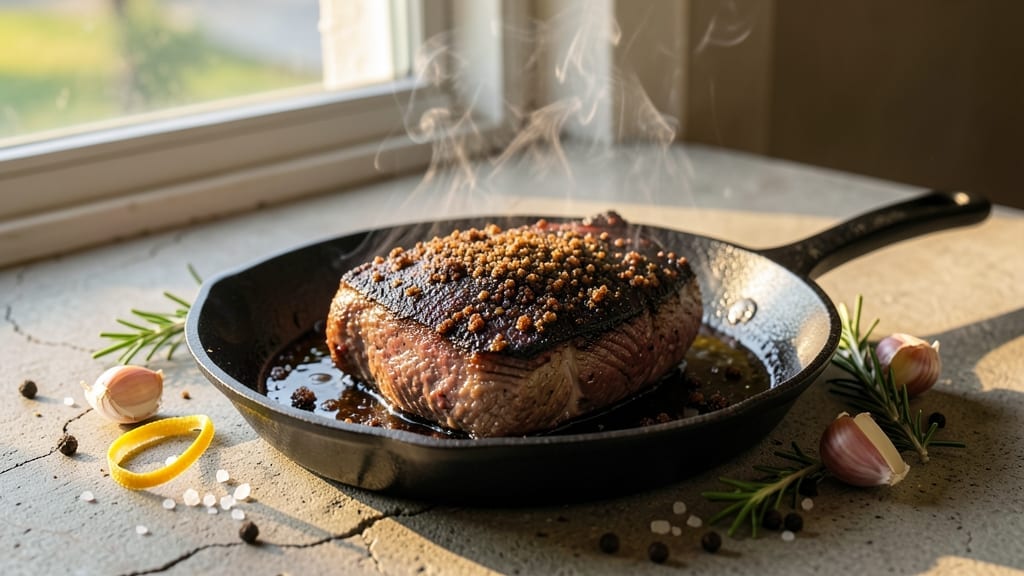
Creating the perfect smoked ribeye roast starts with this smoked ribeye roast rub recipe, designed to lock in deep, smoky flavor while forming that coveted dry-brined crust.
The blend of coarse kosher salt and aromatic spices transforms tough beef into melt-in-your-mouth perfection, and the key lies in precision—every tablespoon and teaspoon matters for that ideal balance. I developed this rub after years of testing, ensuring it delivers restaurant-quality results without overpowering the natural richness of the meat.
The foundation of this recipe is a simple yet powerful combination of salt, black pepper, garlic powder, onion powder, smoked paprika, and a touch of cayenne for heat.
What makes this rub special is the coarse salt, which creates a textured crust while penetrating deeply into the meat for maximum flavor infusion. Unlike pre-packaged blends, this recipe lets you control the intensity—adjust the cayenne for mild heat or crank it up for serious smoky kick.
What you’ll achieve is a dry-brined crust that crisps beautifully on the smoker while locking in juices, resulting in tender meat with layers of savory, smoky, and slightly spicy flavor.
The rub works best when applied generously and allowed to rest for at least 4 hours (or overnight for deeper penetration), ensuring every bite is packed with flavor. This isn’t just a seasoning—it’s the secret weapon for showstopping smoked beef.
Once mixed, the rub keeps well in an airtight container for up to 3 months, making it perfect for meal prep or gifting to fellow BBQ enthusiasts. Whether you’re smoking a roast for a special occasion or a casual weekend dinner, this blend elevates every bite.
Let’s get started on crafting the perfect seasoning for your next smoked masterpiece.
Ingredients for smoked ribeye roast rub
A game-changing blend that transforms tough beef into melt-in-your-mouth smoked perfection.
| Ingredient | Amount | Notes |
|---|---|---|
| Coarse Kosher Salt 🧂 | 1 cup | Diamond Crystal preferred for texture |
| Freshly Ground Black Pepper 🌶️ | 2 tbsp | Freshly cracked for maximum aroma |
| Garlic Powder 🧄 | 2 tbsp | Non-iodized preferred for purity |
| Onion Powder 🧅 | 1 tbsp | Freshly ground if possible |
| Smoked Paprika 🌶️ | 1 tbsp | High-quality for authentic smoke flavor |
| Cayenne Pepper 🔥 | 1 tsp | Adjust for heat preference |
| Ground Coriander 🌿 | 1 tbsp | Adds subtle citrus brightness |
| Mustard Powder 🌶️ | ½ tbsp | Enhances depth of flavor |
[recipe_ingredient_scaler]
The coarse kosher salt is absolutely essential—Diamond Crystal creates that perfect textured crust while penetrating deeply. Grab it from Whole Foods or the bulk section at Trader Joe’s for the best quality. Freshly ground black pepper makes all the difference, so skip the pre-ground stuff. For smoked paprika, Penzeys or the bulk bins at natural food stores deliver the most authentic, rich smoke flavor. The cayenne is where you control the heat—start with this amount and adjust based on your tolerance. I always double-check my spices for freshness—if they smell like dust, toss ’em and buy new.
No smoked paprika? A pinch of liquid smoke (about 1/4 tsp) can mimic the flavor in a pinch, but it’s not the same. Short on coriander? Ground cumin at half the amount works surprisingly well. The mustard powder might seem odd, but trust me—it adds a subtle depth that ties everything together. For a milder rub, reduce the cayenne to 1/2 tsp or swap it for white pepper. And if you’re feeling fancy, toast the spices in a dry pan for 30 seconds before mixing—game-changer for aroma. Just don’t burn them, or you’ll taste it in every bite.
This rub keeps indefinitely in an airtight container, so there’s no rush to use it all. I make a big batch and store it in a amber glass jar to protect the spices from light. For best results, let the rub sit on the meat for at least 4 hours before smoking—overnight is even better. The flavors meld perfectly, and you’ll get that restaurant-quality crust every time. Pro tip: Sprinkle a little extra rub on the grill grates before smoking for bonus flavor infusion—your guests will never guess your secret.
Why You’ll Love This Recipe
- No-Fuss Flavor Bomb: Honestly, this rub takes me less than five minutes to toss together—just whisk, press, and forget. No fancy tools, no measuring madness, just dump those ingredients in a bowl and let the magic happen. The coarse kosher salt acts like a glue, keeping everything clinging to the meat so you don’t have to worry about it flaking off during smoking.
- Smoky, Spicy, Perfect: That smoked paprika? It’s the secret weapon. It doesn’t just taste like smoke—it becomes smoke, locking into the meat and making every bite taste like it spent the afternoon on your grill. And the cayenne? A little kick that wakes up your taste buds without overpowering the richness. Trust me, the coriander and mustard powder are the unsung heroes here—they add layers you’d never guess from just looking at the ingredients.
- Weeknight Hero: I use this rub all the time on weeknights because it’s foolproof. Slap it on a ribeye roast, pop it in the smoker for a few hours, and boom—dinner’s ready. No fuss, no stress. Even my picky roommate who hates “spicy” things will ask for seconds because the flavors are so well-balanced. It’s the kind of recipe that turns a simple meal into something special without requiring a Pinterest-worthy setup.
- Budget-Friendly Bang: You’re paying for quality here, but honestly, the ingredients are dirt cheap. A cup of kosher salt and some basic spices? That’s a fraction of the cost of pre-made rubs, and it lasts forever. Plus, if you have leftovers, you can use it on chicken, pork, or even potatoes—it’s that versatile. My wallet and my taste buds both thank me every time.
Step-by-step instructions for smoked ribeye roast rub
This rub delivers an intense, flavor-locked crust that’s perfect for your smoked ribeye roast.
Combine the Dry Ingredients Thoroughly
In a large mixing bowl, add the 1 cup coarse kosher salt first. This creates a base that prevents the other ingredients from floating away when you mix. Using a whisk or fork, break up any salt clumps completely—you want a fine, even texture for maximum adhesion to the meat.
Next, add the 2 tablespoons freshly ground black pepper, 2 tablespoons garlic powder, and 1 tablespoon onion powder. These foundational flavors form the backbone of your rub. Sprinkle them over the salt and whisk vigorously for 1 full minute to ensure even distribution. The freshly ground black pepper will release its aroma immediately—this is your first sensory reward.
Now add the 1 tablespoon smoked paprika and 1 tablespoon ground coriander. The smoked paprika contributes that essential smoky depth, while the coriander adds a subtle citrus brightness that balances the richness of the meat. Whisk these through the mixture until the color becomes uniformly rich and no powdery streaks remain. This is where the magic starts—each ingredient works together to create something greater than their individual parts.
Incorporate the Heat and Depth
Add the 1 teaspoon cayenne pepper and ½ tablespoon mustard powder. The cayenne brings heat that penetrates the meat during the smoke, while the mustard powder adds complexity that enhances the overall flavor profile. Be careful with the cayenne—sprinkle it gradually while whisking to control the heat level. You want noticeable warmth, not overpowering spice.
As you whisk, you’ll notice the mixture becoming more cohesive. The mustard powder, in particular, helps bind the spices together slightly, creating a more uniform texture. Continue whisking for another 30 seconds to fully incorporate these final ingredients. At this point, your rub should look like a rich, dark brown blend with visible specks of black pepper and red cayenne.
Here’s the thing—don’t rush this step. The thoroughness of your mixing directly impacts how well the rub adheres to the meat and how evenly the flavors distribute during smoking. When you’re satisfied with the consistency, transfer the mixture to an airtight container for storage.
Apply the Rub to Your Ribeye Roast
Before applying, make sure your ribeye roast has been completely dry-brined for at least 4 hours (or up to 24 hours) in the refrigerator. This step is crucial—it ensures the rub sticks like glue to the meat surface. Pat the roast completely dry with paper towels, paying special attention to any moisture in the crevices.
Now comes the fun part: generously coat every inch of the roast with your rub. Use your hands to press the mixture firmly into the meat, especially focusing on the fat cap and any seams. You want the rub to penetrate slightly into the surface rather than just sitting on top. This creates that coveted bark during smoking. Don’t be shy—this is where the flavor really locks in.
Once coated, place the roast back in the refrigerator uncovered for 1 hour before smoking. This final step allows the rub to fully adhere and the salt to begin its magic of drawing out moisture from the meat’s surface, creating the perfect conditions for that incredible crust. When you’re ready to smoke, you’ll be rewarded with a ribeye that’s packed with flavor from edge to edge.
Pro Tips For Making Smoked Ribeye Roast Rub
- Whisk Like You Mean It: I used to think a quick stir would do the trick, but that 1 full minute of vigorous whisking after adding the garlic powder and onion powder makes all the difference—it prevents clumping and ensures every grain of salt gets coated with flavor. The freshly ground black pepper will start releasing its aroma immediately, so if it smells amazing in the bowl, you’re doing it right.
- Salt First, Always: Adding the 1 cup coarse kosher salt first isn’t just a suggestion—it’s the foundation. The salt creates a base that keeps the lighter spices from floating away when you mix. Skip this, and you’ll end up with uneven patches of rub on your roast, especially in the crevices where the flavor matters most.
- Press the Rub In: Rubbing the mixture onto the roast with your hands isn’t just about spreading it—press firmly, especially into the fat cap and seams. This isn’t the time to be gentle; you’re creating that bark, and the more you work the rub into the meat, the deeper the flavor will penetrate during smoking.
- Chill Before Smoking: That 1-hour uncovered rest in the fridge after applying the rub isn’t optional. The salt needs time to draw out moisture from the surface, and the rub will adhere like it’s glued on. I know you’re eager to fire up the smoker, but trust me—skipping this step means a weaker crust and less flavor lock-in.
Troubleshooting your smoked ribeye roast rub
Rub Not Adhering Properly
If your rub isn’t sticking to the meat, the issue is almost always moisture. Always ensure your ribeye roast is completely dry before applying—pat it down with paper towels, especially in crevices. I once forgot this step and ended up with a rub that just slid off during smoking.
For extra grip, let the rub rest on the meat uncovered in the fridge for 1-2 hours before smoking to allow the salt to draw out moisture.
Uneven Flavor Distribution
When flavors seem inconsistent, it’s likely from improper mixing. Whisk the 1 cup coarse kosher salt with the other spices for at least 1 minute to break up clumps and ensure even distribution.
I use a whisk because it creates a finer texture than a fork. If you notice streaks of color after mixing, whisk again—this is your first clue the rub isn’t uniform.
Rub Loses Texture After Mixing
If your rub turns into a paste instead of a dry blend, you’ve likely added too much moisture. Double-check that all ingredients are completely dry before mixing. Store spices in airtight containers away from humidity, and avoid using pre-ground spices that may contain oils.
For a firmer texture, lightly toast the spices in a dry pan for 10-15 seconds before mixing—this enhances aroma and prevents stickiness.
Burnt or Overpowering Spices
Burnt spices ruin the flavor profile, often caused by overheating during storage or mixing. Never leave the rub near heat sources, and avoid mixing over direct flame. If you suspect burnt spices, test a small amount on your tongue—if it tastes bitter or acrid, toss it and start fresh.
For a milder rub, reduce the 1 tsp cayenne pepper to ½ tsp or swap it for white pepper.
Rub Stays Powdery After Application
A powdery rub that doesn’t form a crust indicates insufficient resting time. After applying, let the rub sit on the meat uncovered in the fridge for at least 1 hour (overnight is ideal). This allows the salt to draw out moisture and the spices to bond with the meat’s surface.
If you’re short on time, sprinkle a little extra ½ tsp mustard powder to help bind the mixture slightly.
Nutrition facts
Frequently asked questions
Why does this rub need coarse kosher salt instead of table salt?
The 1 cup coarse kosher salt creates that signature textured crust while penetrating deeply into the meat. Unlike fine table salt, it clumps less and distributes more evenly, ensuring maximum flavor adhesion. Diamond Crystal brand works best for authentic texture—it’s what professional BBQ chefs swear by!
How long should I mix the spices together?
Mix the dry ingredients for at least 1 full minute with a whisk to break up salt clumps and ensure even distribution. The freshly ground black pepper releases aroma immediately—this is your first sensory reward! Don’t rush this step; thorough mixing means better flavor lock-in during smoking.
Can I adjust the heat level in this rub?
Start with the 1 teaspoon cayenne pepper as written, but reduce it to ½ teaspoon for milder heat or increase to 1½ teaspoons for extra kick. For a smoky heat without cayenne, add ½ teaspoon smoked cayenne instead—it’s a game-changer for depth!
What’s the best way to store leftover rub?
Transfer your mixed rub to an airtight container and store it in a cool, dark place. It keeps indefinitely this way—perfect for future smoking sessions! For best results, use glass jars to protect the spices from moisture and light. Just whisk before using to restore texture.
Why does the recipe mention dry-brining the meat?
The 4-hour minimum dry-brine (or up to 24 hours) before applying the rub is crucial—it ensures the rub sticks perfectly to the meat surface. This step draws out moisture, creating ideal conditions for that coveted bark during smoking. Skipping it means less flavor penetration and a weaker crust.

Trained in classic French technique but raised on slow-cooked ribs and spicy rubs, she blends culinary skill with smoke and soul.
- Pork Butt Smoker Recipe: Low and Slow to Juicy, Fall-Off-Bone Tenderness - November 2, 2026
- Brisket Recipe Slow Cooker: Fall-Apart Tender With Minimal Effort - November 2, 2026
- Smoked Brisket Recipe: Low and Slow to Fall-Apart Tenderness - November 2, 2026