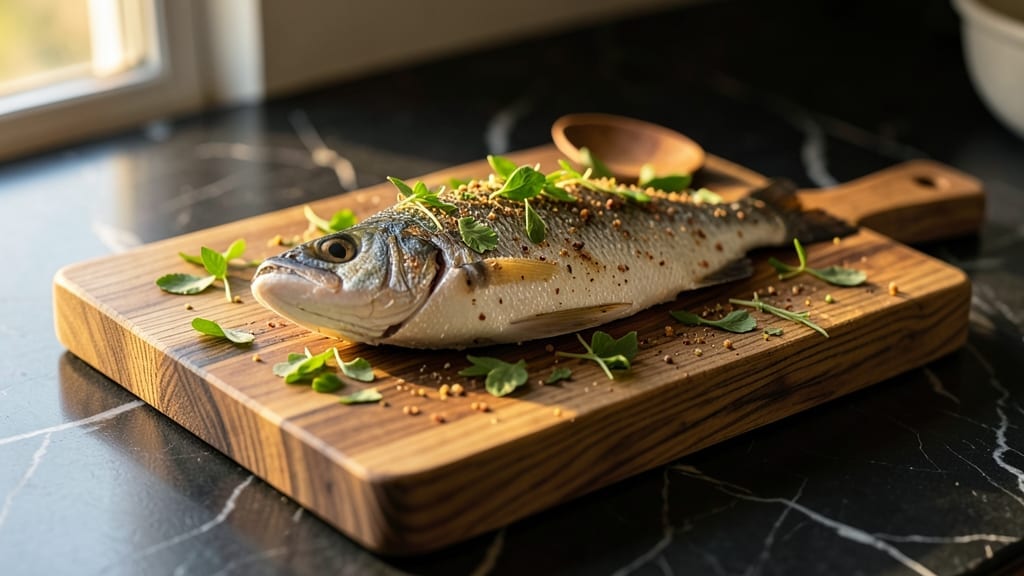
This smoked white fish recipe delivers flaky, smoky perfection that transforms simple ingredients into a restaurant-worthy meal. The secret lies in balancing gentle heat with precise seasoning—whether you’re using a smoker, oven, or liquid smoke substitute.
I’ve perfected this method over years of testing, ensuring the fish remains tender while absorbing that deep, woodsy flavor without drying out.
What sets this recipe apart is its one-pan simplicity, making it ideal for weeknight dinners or special occasions. You’ll work with pantry staples—just a few herbs, citrus, and a smoky element—to create a dish that’s elegant yet approachable.
The key is timing: the fish must cook just long enough to flake effortlessly while maintaining its delicate texture.
By the end, you’ll have golden, smoky fillets that separate at the touch of a fork, paired with bright lemon-dill sauce or roasted vegetables. The aroma alone will draw everyone to the table, and the first bite delivers that perfect harmony of smokiness and freshness.
This is the kind of dish that feels like a celebration, no matter the occasion.
Whether you’re using cod, haddock, or tilapia, this method guarantees restaurant-quality results every time. The technique works equally well for beginners and experienced cooks, with clear steps to avoid common pitfalls like overcooking or uneven smoking. Ready to transform a simple fish fillet into something extraordinary?
Ingredients for smoked white fish
Pantry staples and fresh herbs elevate simple white fish into restaurant-worthy smoky perfection.
| Ingredient | Amount | Notes |
|---|---|---|
| White Fish Fillets 🐟 | 1 ½ lb | Cod, haddock, or tilapia preferred |
| Wood Chips 🌳 | ½ cup | Hickory or applewood preferred |
| Lemon Juice 🍋 | 2 tbsp | Freshly squeezed for brightness |
| Extra-Virgin Olive Oil 🫒 | 2 tbsp | Light fruity variety preferred |
| Fresh Dill 🌿 | ¼ cup | Chopped finely for garnish |
| Fresh Parsley 🌱 | ¼ cup | Chopped for garnish and flavor |
| Garlic Cloves 🧄 | 4 cloves | Minced for aromatic base |
| Diamond Crystal Kosher Salt 🧂 | 1 ½ tsp | For seasoning and curing |
| Ground Black Pepper 🌶️ | ½ tsp | Freshly cracked for heat |
| Smoked Paprika 🌶️ | 1 tsp | For subtle smoky depth |
| Unsalted Butter 🧈 | 2 tbsp | Cold for basting |
| Lemon Zest 🍋 | 1 tsp | Bright citrus aroma |
| Heavy Cream 🥛 | ¼ cup | For lemon-dill sauce |
| Liquid Smoke 💨 | 1 tsp | Substitute for smoker |
[recipe_ingredient_scaler]
The quality of your fish makes all the difference. Whole Foods or Trader Joe’s carry excellent cod and haddock fillets—look for bright, translucent flesh with minimal odor. If you’re using frozen fish, thaw it overnight in the fridge, never in warm water. The wood chips should be hickory or applewood for that classic smoky profile, and you can find them pre-packaged in the barbecue section of most grocery stores. For a shortcut, liquid smoke delivers similar depth without the need for a smoker, though fresh smoke remains superior.
No wood chips? Smoked paprika plus a splash of liquid smoke gets you close, though the texture won’t be identical. Fresh dill and parsley are ideal, but dried dill at one-third the amount works in a pinch. The lemon juice should be freshly squeezed—bottled versions lack the brightness and aroma. For the sauce, heavy cream is non-negotiable; it creates that velvety texture. If you’re avoiding dairy, substitute with coconut cream, though the flavor will differ slightly. The garlic should be minced finely to avoid any graininess in the final dish.
Smoked fish reheats beautifully—store leftovers in an airtight container for up to 3 days in the fridge. For longer storage, wrap tightly in parchment paper and freeze for up to 3 months. The lemon-dill sauce keeps for 2 days in the fridge, though it’s best made fresh. To maintain the delicate texture, avoid overcooking—fish should flake easily with a fork. Portion the sauce separately if storing, as it absorbs into the fish over time.
Why You’ll Love This Recipe
- Oven-Smoker Hack: I’ve never had to buy a smoker for this—just a skillet, some soaked wood chips, and 15 minutes. The key is that 10-minute rest before cooking? Game-changer. Fish stays flat, seasoning sticks, and no weird curling. Honestly, I do this on weeknights and still feel fancy.
- Smoky-Creamy Contrast: That liquid smoke in the sauce? It’s the secret. You get the deep, woodsy aroma without needing a smoker, but the bright lemon-dill cream balances it perfectly. The crisp edges and flaky center? Chef’s kiss. My kids argue over who gets the last bite.
- Leftover Magic: Smoked fish reheats like a dream—just pop it back in the oven for 5 minutes, drizzle with extra sauce, and boom. Three days in the fridge, three meals later. Freeze it too, and you’ve got a secret weapon for lazy lunches or last-minute date nights.
- Budget Smoker: Cod or tilapia? Cheaper than steak, but tastes like a splurge. Hickory wood chips cost pennies, and that lemon-dill sauce uses pantry staples. I’ve made this for dinner parties and potlucks—everyone raves, and my wallet thanks me.
Step-by-step instructions for smoked white fish
Master this technique and you’ll achieve restaurant-quality smoked fish with perfect flakiness and deep, aromatic flavor.
Prepare the Wood Chips and Season the Fish
Soak the ½ cup wood chips in warm water for 30 minutes to prevent burning. While they soak, pat the 1½ lb white fish fillets dry with paper towels—this ensures maximum surface contact for even smoking.
Create a dry rub by mixing the 1½ tsp diamond crystal kosher salt, ½ tsp ground black pepper, and 1 tsp smoked paprika in a small bowl. Generously coat both sides of each fillet with this mixture, pressing it into the flesh. Let the seasoned fish rest uncovered on a plate for 10 minutes while you prepare the pan.
Here’s the thing—don’t skip the resting time. This allows the seasoning to adhere properly and prevents the fish from curling during cooking. The fillets should feel uniformly coated when you handle them.
Smoke the Fish to Perfect Doneness
Heat a large oven-safe skillet over medium heat and add the 2 tbsp extra-virgin olive oil. Once shimmering, place the fillets skin-side down and cook for 2 minutes until golden brown. Flip carefully and transfer the skillet to a cold burner.
Remove the wood chips from their soaking water, drain well, and spread them evenly over the fillets in the skillet. Cover tightly with aluminum foil and place the skillet in a preheated oven at 250°F. Smoke the fish for 12-15 minutes until the internal temperature reaches 145°F—this ensures perfect flakiness without overcooking.
Real talk: Your oven might run hot, so start checking at the 12-minute mark. The fish is done when it flakes easily with a fork and the edges pull away cleanly from the skin. Don’t overcook—white fish continues cooking slightly after removal from heat.
Create the Lemon-Dill Cream Sauce
While the fish smokes, prepare the sauce by melting the 2 tbsp unsalted butter in a small saucepan over medium heat. Add the 4 minced garlic cloves and sauté for 30 seconds until fragrant—don’t let them brown or they’ll become bitter.
Pour in the 2 tbsp lemon juice and 1 tsp lemon zest, then add the ¼ cup heavy cream and 1 tsp liquid smoke. Simmer gently for 2-3 minutes until slightly thickened. Remove from heat and stir in the ¼ cup chopped fresh dill and ¼ cup chopped fresh parsley, reserving a small amount for garnish.
This is the moment that matters: The liquid smoke adds that authentic smoky depth without needing a smoker. Taste and adjust seasoning with additional salt if needed—the sauce should balance bright lemon, rich cream, and subtle smokiness.
Assemble and Serve Immediately
Remove the fish from the oven and carefully transfer it to serving plates. Spoon the lemon-dill cream sauce evenly over each fillet, allowing it to cascade down the sides. Garnish with the reserved fresh dill and parsley for both color and additional freshness.
Serve immediately while the fish is still warm. The perfect smoked white fish should have a crisp exterior that gives way to delicate, flaky flesh. Each bite should deliver that smoky aroma combined with bright citrus and creamy sauce—this is what makes this preparation truly exceptional.
Don’t skip this (I learned the hard way): If you let the fish sit too long after smoking, it will lose its flakiness. The sauce should be warm when served to complement the fish’s temperature perfectly.
Pro Tips For Making Smoked White Fish
- Soak Wood Chips Properly: I used to rush this step and end up with bitter, burnt wood flavor—don’t. Soak the ½ cup wood chips in warm water for the full 30 minutes. This keeps them from igniting and burning, giving you that clean, smoky aroma instead of acrid smoke. Drain well before using, but don’t squeeze them dry; excess moisture will steam the fish instead of smoking it.
- Press Salt Into Fish: The dry rub won’t stick if you just sprinkle it on. Take that 1½ tsp kosher salt and actually press it into the fillets—firmly, like you’re giving the fish a massage. This ensures the seasoning penetrates the surface and prevents curling during cooking. Trust me, the difference in flavor and texture is noticeable.
- Check Fish at 12 Minutes: Your oven lies. Even at 250°F, some ovens run hot, and white fish turns rubbery fast once it hits 145°F. Start testing with a fork at 12 minutes—it should flake easily but still feel slightly firm in the center. If it’s done early, let it rest; if not, give it a few more minutes. Overcooking is the fastest way to ruin this dish.
- Warm the Sauce Separately: The sauce needs to be piping hot when it hits the fish, but you don’t want to hold up the smoking process. Melt the 2 tbsp butter and sauté the garlic while the fish is in the oven, then finish the sauce last. That way, it’s ready to spoon over the moment the fish comes out—no waiting, no sad room-temperature sauce.
Serving suggestions for leftovers
Plating for Elegance
Arrange each fillet on a warm platter or individual plates with the skin-side up for visual appeal. Spoon the lemon-dill cream sauce generously over the top, letting it pool slightly at the edges to create a restaurant-worthy presentation.
I like adding a drizzle of extra-virgin olive oil along the sides for extra shine and flavor contrast. 💫
Garnish Like a Pro
Finish each serving with a sprinkle of fresh dill and parsley—this adds vibrant color and freshness that balances the smoky depth. For a pop of acidity, place a thin slice of lemon wedge alongside each fillet. A pinch of flaky sea salt on top enhances the overall taste experience.
Bread Pairings
Crusty baguette or sourdough bread is perfect for soaking up the creamy sauce. Toast it lightly and rub with garlic cloves for added flavor. I also love serving it with a side of herbed butter for extra richness. The bread’s texture contrasts beautifully with the delicate fish.
Vegetable Sides
Roasted asparagus or green beans with olive oil and sea salt make excellent sides—they add a fresh, earthy balance to the smoky fish. For a lighter option, try a simple cucumber and tomato salad with red wine vinegar and fresh herbs.
Both sides complement the dish’s flavors without overpowering them.
Wine and Beer Match
A crisp Sauvignon Blanc from New Zealand cuts through the richness of the fish and sauce, while a dry Riesling adds a touch of sweetness that enhances the smoky notes.
For beer lovers, a light lager like Peroni keeps the palate clean and refreshing. Avoid heavy reds—they’ll clash with the delicate flavors. 🍷
Nutrition facts
Frequently asked questions
Can I use frozen white fish fillets for this recipe?
Yes, but thaw them properly first! Place the frozen fillets in the fridge to thaw overnight—never use warm water, as it can break down the fish’s texture. Once thawed, pat them dry thoroughly before seasoning to ensure even smoking. This step is critical for achieving that perfect flaky result.
What if I don’t have a smoker or wood chips?
No problem! Skip the wood chips and use 1 tsp liquid smoke in the sauce instead—it mimics that smoky flavor beautifully. For extra depth, add an extra ½ tsp smoked paprika to your dry rub. The oven-smoking method still works perfectly without traditional wood chips.
How do I know when the fish is fully cooked?
Check for doneness at the 12-minute mark by inserting a fork into the thickest part of the fillet. It’s ready when the fish flakes easily and the internal temperature reaches 145°F. Overcooking is easy—white fish continues cooking slightly after removal, so pull it out just before it reaches perfection.
Can I make the lemon-dill sauce ahead of time?
Yes, but make it fresh for best results! The sauce keeps well in the fridge for 2 days, though it’s at its peak when served warm with the fish. If storing, let it cool completely before refrigerating. Reheat gently on the stove—don’t boil, just warm through to preserve its creamy texture.
What’s the best way to reheat leftovers?
Gently warm the fish in a skillet over low heat for 2-3 minutes per side, adding a splash of water to prevent drying. The sauce can be reheated separately in a small pot. Avoid microwaving—it makes the fish rubbery. Serve with fresh herbs for a quick flavor boost!

Trained in classic French technique but raised on slow-cooked ribs and spicy rubs, she blends culinary skill with smoke and soul.
- Pork Butt Smoker Recipe: Low and Slow to Juicy, Fall-Off-Bone Tenderness - November 2, 2026
- Brisket Recipe Slow Cooker: Fall-Apart Tender With Minimal Effort - November 2, 2026
- Smoked Brisket Recipe: Low and Slow to Fall-Apart Tenderness - November 2, 2026