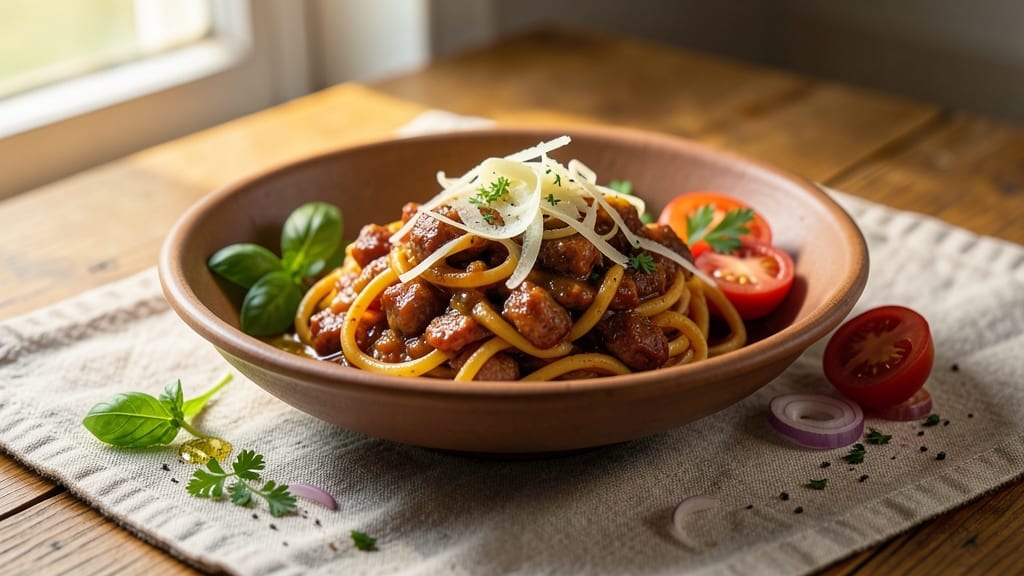
This smoked sausage pasta recipe transforms humble ingredients into a hearty, restaurant-worthy dish that feels like a warm hug after a long day.
The secret lies in crispy, caramelized sausage that infuses every bite with smoky depth, while a rich tomato base and aromatic herbed oil elevate it to something extraordinary.
Growing up, I’d watch my dad cook similar dishes over his smoker, and this recipe captures that same soulful flavor—just with a stovetop twist.
The beauty of this method is its balance of simplicity and sophistication. You’ll start with browning smoked sausage until it’s deeply caramelized, then build a tomato-herb sauce that simmers into velvety perfection.
The key is letting the sausage render its fat slowly, which creates a naturally rich sauce without needing heavy cream. With pantry staples and just 30 minutes of hands-on time, you’ll have a dish that feels like a celebration on any night of the week.
By the time you twirl that first forkful, you’ll taste layers of flavor—tender sausage, caramelized edges, and a sauce that’s both savory and bright, all clinging to perfectly al dente pasta.
The herbed oil finishing touch adds freshness that cuts through the richness, making every bite feel balanced and satisfying. This is the kind of meal that disappears faster than you can say “second helping,” and leftovers reheat beautifully for lunch the next day.
Pair it with a bold red wine or crusty garlic bread to soak up every last drop of that smoky, herby sauce. The recipe scales effortlessly for a crowd, making it perfect for game day or impromptu dinner parties.
Let’s get cooking—this pasta is about to become your new go-to weeknight hero.
Ingredients for smoked sausage pasta
Pantry staples meet smoky magic—just 14 ingredients for restaurant-quality pasta.
| Ingredient | Amount | Notes |
|---|---|---|
| Smoked Sausage 🥓 | 1 ½ lb | Kielbasa or andouille preferred |
| Spaghetti 🍝 | 12 oz | Or 1 lb for longer strands |
| Extra-Virgin Olive Oil 🫒 | ½ cup | For sausage browning |
| Garlic Cloves 🧄 | 4 cloves | Minced for sauce base |
| Canned San Marzano Tomatoes 🍅 | 1 can | 28 oz, crushed by hand |
| Heavy Cream 🥛 | ½ cup | Full-fat for richness |
| Dried Italian Seasoning 🌿 | 1 tbsp | Or 1 tsp each dried oregano/thyme |
| Red Pepper Flakes 🌶️ | ½ tsp | Adjust for heat preference |
| Salt 🧂 | 1 ½ tsp | Diamond Crystal preferred |
| Black Pepper 🌶️ | ½ tsp | Freshly cracked |
| Fresh Basil Leaves 🌿 | ¼ cup | Chopped for herbed oil |
| Fresh Parsley 🌿 | ⅛ cup | Chopped for finishing |
| Lemon Zest 🍋 | 1 tsp | Brightens the sauce |
| Parmesan Cheese 🧀 | ½ cup | Freshly grated |
[recipe_ingredient_scaler]
The sausage is everything here. Kielbasa or andouille from the deli counter (not the pre-sliced kind) gives that perfect smoky depth. Costco or Whole Foods carry the best quality—look for bright red color and good marbling. If you’re using kielbasa, slice it into half-moons before browning for maximum crispy edges. The tomatoes? San Marzano is non-negotiable for that sweet, meaty flavor. I always buy the 28 oz cans and crush them by hand—no watery, watery sauce here. For the Italian seasoning, Penzeys has the best blend, but any quality dried mix works in a pinch.
No smoked sausage? Substitute with spicy Italian sausage—just add an extra pinch of smoked paprika. Heavy cream giving you pause? Half-and-half or coconut milk keeps it lighter (though you’ll lose some richness). Fresh herbs wilted? Dried basil at one-third the amount works, but fresh is ideal. The pasta? Spaghetti or linguine are classic, but bucatini holds up beautifully to the sauce. Want more depth? Add a splash of red wine when deglazing the pan—just 2 tbsp makes a difference. And that herbed oil? Make extra—it’s perfect for finishing grilled meats or salads later.
This sauce gets better the next day—honestly, I make double batches just for leftovers. Store in airtight containers for 5 days or freeze for 3 months. The herbed oil keeps 1 week in the fridge, covered tightly. For reheating, add a splash of water or broth to prevent drying out. And that Parmesan? Grated fresh from a wedge tastes like heaven compared to pre-shredded. Keep a wedge in the freezer—it grates beautifully straight from the cold.
Why You’ll Love This Recipe
- One-Pan Magic: Honestly, this is the kind of dish where you’re not cleaning three different pans—just tossing everything into one skillet. The smoked sausage browns in its own fat, then the garlic and San Marzano tomatoes take over, all while the spaghetti cooks in the background. No extra pots, no fuss. My kitchen stays looking like I actually own it.
- Creamy, Spicy, Umami Bomb: That first bite? The crispy edges of the smoked sausage meeting the heavy cream-rich sauce with a kick from the red pepper flakes—it’s the kind of contrast that makes your taste buds do a happy dance. The lemon zest cuts through the richness, and the fresh basil and parsley at the end? Pure freshness. Not the prettiest, but the taste makes up for it.
- Leftovers That Still Slay: I swear by this for meal prep because it actually tastes better the next day. The flavors deepen, the sauce clings even tighter to the spaghetti, and the parmesan gets all melty when reheated. Freeze half for a future lazy night—just pop it in the oven, and you’ve got dinner without the stress. My roommate still asks for seconds, even on a Tuesday night.
- Budget-Friendly Luxury: You’d think heavy cream and extra-virgin olive oil would break the bank, but this recipe stretches to feed four people for less than what a takeout meal costs. The smoked sausage is cheaper than you think, and the San Marzano tomatoes (even canned) are worth every penny—they’re the secret to that restaurant-quality depth. It’s the kind of dish that makes you feel fancy without the fancy price tag.
Step-by-step instructions for smoked sausage pasta
Here’s how to transform simple pantry staples into a restaurant-worthy smoked sausage pasta dish.
Brown the Smoked Sausage for Maximum Flavor
Heat a large skillet over medium-high heat. Add the 1½ lb smoked sausage, cutting it into ½-inch slices as you go. Let the sausage brown undisturbed for 3-4 minutes until it develops a deep golden crust. This step is crucial—those caramelized edges pack serious flavor. Stir occasionally to render the fat evenly, then transfer the cooked sausage to a plate, leaving the rendered fat in the pan.
Here’s the thing—don’t drain that fat. It’s the foundation of your sauce. If you’re worried about excess grease, tilt the pan and pour off any excess into a small container, but leave about 2 tablespoons in the pan. This fat will help build a rich, velvety sauce later on.
Build the Tomato-Herb Sauce Base
In the same skillet with the rendered sausage fat, add the 4 minced garlic cloves and cook for 30 seconds until fragrant. Be careful not to let them burn—garlic turns bitter quickly. Add the 1 can crushed San Marzano tomatoes, 1 tbsp dried Italian seasoning, ½ tsp red pepper flakes, 1½ tsp salt, and ½ tsp black pepper. Stir well to combine all ingredients.
Bring the mixture to a gentle simmer, then reduce heat to low. Let it cook uncovered for 10-12 minutes, stirring occasionally. You’re looking for a slightly thickened sauce that coats the back of a spoon. The tomatoes should break down and meld with the garlic and spices, creating a fragrant base. This is where the magic happens—the flavors meld into a harmonious sauce that will cling beautifully to your pasta.
Cook the Spaghetti Al Dente
While the sauce simmers, bring a large pot of well-salted water to a rolling boil. Add the 12 oz spaghetti and cook according to package instructions until al dente—about 1 minute less than suggested. Reserve ½ cup of pasta water before draining, as this starchy liquid is essential for creating a silky sauce.
Here’s a pro tip: Taste the pasta before draining. It should have a slight bite to it, like biting into a fresh apple. If it’s mushy, it’s overcooked. The pasta will continue cooking in the sauce, so pull it out just before it’s fully done. Drain the pasta, but don’t rinse it—those surface starches help the sauce cling beautifully.
Finish with Cream and Fresh Herbs
Return the drained spaghetti to the skillet with the tomato sauce. Add the cooked smoked sausage back in and toss everything together. Stir in the ½ cup heavy cream and the 1 tsp lemon zest. The cream will create a luxurious, velvety texture that balances the acidity of the tomatoes. Let the mixture simmer for 2-3 minutes, allowing the flavors to meld together.
Remove the skillet from heat and stir in the ¼ cup chopped fresh basil leaves and ⅛ cup chopped fresh parsley. These fresh herbs will brighten the dish and add a vibrant pop of color. Taste and adjust seasoning if needed—you might need a pinch more salt or pepper to balance the flavors.
Serve with Herbed Oil and Parmesan
To create the herbed oil, combine the remaining ½ cup extra-virgin olive oil with any remaining chopped parsley and basil in a small bowl. Drizzle this fragrant oil over each serving of pasta. The oil should float on top, adding another layer of flavor with every bite.
Divide the pasta among plates, garnishing each serving with ½ cup freshly grated parmesan cheese. The cheese should be freshly grated—pre-shredded cheese contains anti-caking agents that prevent it from melting smoothly. Serve immediately while the pasta is hot and the sauce is silky. This dish tastes best straight from the pan, with the sauce clinging to every strand of spaghetti and the sausage slices peeking through.
Pro Tips For Making Smoked Sausage Pasta
- Crush Tomatoes by Hand: I used to dump the San Marzano tomatoes straight from the can, but crushing them first makes a real difference—you get bigger chunks that caramelize better and a smoother texture. Use a wooden spoon or your fingers (yes, even if you’re impatient like me) to break them down before adding to the pan. It’s the little effort that turns good sauce into great sauce.
- Salt Pasta Water Like the Sea: The water should taste like the ocean when you dip in a piece of spaghetti—that’s how you know it’s properly salted. I learned this the hard way after making bland pasta that absorbed none of the sauce’s flavor. Diamond Crystal salt is finer, so use the full 1.5 tsp per gallon of water (or more if your tap tastes weak). Trust me, your pasta will thank you.
- Don’t Rush the Tomato Simmer: Those 10–12 minutes of uncovered simmering aren’t optional—they’re where the sauce transforms. Skimp here, and you’ll end up with a watery mess. Stir occasionally, let it bubble gently, and resist the urge to speed it up. The tomatoes need time to break down and meld with the garlic and spices. Patience here guarantees a sauce that clings like it’s supposed to.
- Reserve That Starchy Water: That ½ cup of pasta water you set aside? Don’t pour it down the drain if the sauce seems too thick. A splash or two loosens it up instantly, using the pasta’s natural starch like a secret emulsifier. I’ve ruined more sauces than I’ll admit by ignoring this—now I keep it nearby like holy water.
Pro cooking tips for this dish
Mastering the Sausage Brown
This is where the magic begins—browning your 1½ lb smoked sausage properly unlocks layers of flavor. I like to slice it into ½-inch thick half-moons while it cooks, which creates more surface area for that perfect caramelization.
Let those slices brown undisturbed for 3-4 minutes until deeply golden—this is when the Maillard reaction happens, turning simple protein into complex, savory depth. 🔥
Fat is Your Friend
Don’t be afraid of that rendered fat—it’s the secret to your sauce’s richness. Leave about 2 tablespoons in the pan after browning; this fat will emulsify beautifully with your tomatoes and cream later.
If you’re nervous about grease, just tilt the pan and pour off excess into a small ramekin. Trust me, that fat is worth keeping for maximum flavor.
Pasta Water Gold
Reserving ½ cup pasta water before draining is non-negotiable for silky sauce. When you toss your al dente spaghetti back into the skillet, add just enough pasta water to loosen the sauce slightly—this creates that perfect, glossy consistency.
I always taste the pasta before draining; it should have a slight bite, like biting into a fresh apple. Overcooked pasta ruins the whole dish!
The Cream Trick
Adding ½ cup heavy cream at the right moment transforms your sauce from good to extraordinary. Stir it in just before the final simmer, then remove from heat immediately after adding.
This prevents the cream from separating and keeps your sauce velvety smooth. The acidity from your San Marzano tomatoes and lemon zest will balance beautifully with the cream’s richness.
Herbs at the End
Fresh herbs should always be added last—this preserves their vibrant color and delicate flavors. Toss in your ¼ cup basil and ⅛ cup parsley off the heat to prevent them from wilting into mush.
The bright green color they add makes the dish look as good as it tastes. I like to chop them just before serving so they stay fresh and fragrant.
Temperature Control
Keep your heat at medium-low during the tomato simmer phase—this is where patience pays off. Let it reduce gently for 10-12 minutes until thickened but still glossy. If you crank up the heat, you’ll end up with a flat, bitter sauce.
This is where my French technique training really shines—gentle heat develops flavors without destroying them. 🌡️
Nutrition facts
Frequently asked questions
Why does browning the smoked sausage first create such rich flavor?
The Maillard reaction happens when sausage browns, creating deep, savory flavors that simple cooking can’t match. The rendered fat left in the pan becomes the sauce’s foundation, adding richness without needing extra oil. This step transforms basic sausage into a flavor powerhouse!
Can I use a different type of sausage if I don’t have smoked kielbasa?
Spicy Italian sausage works beautifully—just add an extra pinch of smoked paprika. For a different flavor profile, try chorizo (remove the casings first) or even ground pork with your own spice blend. The browning technique remains the same for maximum flavor development.
What should I do if my sauce turns out too thick?
Simply add 1-2 tablespoons of reserved pasta water while stirring gently. This starchy liquid helps loosen the sauce while keeping it creamy. If it’s still too thick, add a splash of broth or water and simmer briefly. The key is to add liquid gradually until you reach your desired consistency.
How can I make this dish vegetarian?
Replace the smoked sausage with hearty mushrooms (cremini or portobello) sautéed with garlic and smoked paprika. Use vegetable broth instead of sausage fat for browning. The tomato-herb sauce base remains the same, and the dish keeps all its rich, smoky-inspired flavors while being plant-based.
Is it okay to make this dish ahead of time?
Yes! The sauce actually tastes better the next day as flavors meld. Store in an airtight container for 5 days or freeze for 3 months. Reheat gently with a splash of water or broth. The herbed oil keeps separately for 1 week in the fridge—just drizzle it fresh when serving.

Trained in classic French technique but raised on slow-cooked ribs and spicy rubs, she blends culinary skill with smoke and soul.
- Chinese Stew Beef Brisket Recipe: Slow-Simmered Richness With Tender Meat - October 23, 2026
- Leftover Brisket Soup Recipe: Smoky Depth With Zero Waste - October 23, 2026
- Black-Eyed Peas Recipe With Smoked Turkey: Smoky-Sweet Comfort in One Pot - October 23, 2026