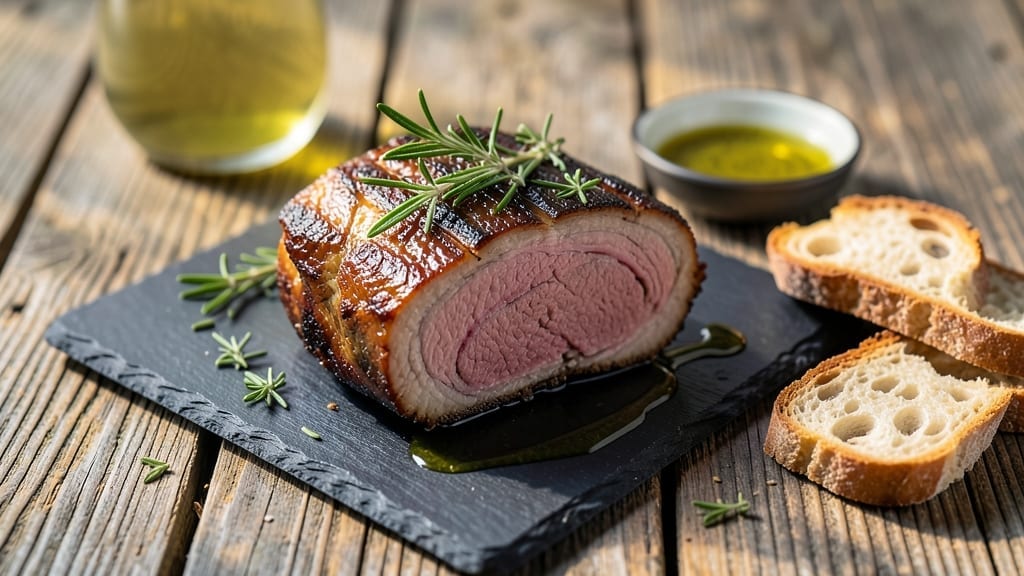
This smoked tenderloin roast recipe delivers juicy, smoky perfection that transforms a simple cut into a showstopping centerpiece. After years of perfecting low-and-slow techniques, I’ve cracked the code for achieving that ideal balance of tender meat and deep wood flavor without drying it out.
The secret lies in precise temperature control and a dry rub that builds flavor without overpowering the natural richness of the beef.
The process is straightforward but requires patience—three hours of smoking at 225°F transforms tough tenderloin into melt-in-your-mouth slices with a crusty bark and moist interior. I use a blend of hickory and cherry wood for a balanced smoke profile that complements the beef’s inherent flavor.
The key is letting the meat rest for 20 minutes before slicing, which ensures every bite stays perfectly tender.
What you’ll end up with is a restaurant-quality roast that’s juicy enough to slice against the grain and smoky enough to satisfy even the most discerning BBQ lovers.
The aroma alone will have your guests gathering at the table, and the presentation—thick slices fanned out on a platter—makes it feel like a special occasion meal without requiring hours of prep.
Serve with roasted garlic mashed potatoes or a simple herb crust to elevate the experience further. This recipe is perfect for holiday gatherings, weekend dinners, or any time you want to impress. Let’s get started on creating your own smoky masterpiece!
Ingredients for smoked tenderloin roast
Fourteen ingredients transform beef into restaurant-quality smoky perfection with minimal effort.
| Ingredient | Amount | Notes |
|---|---|---|
| Beef Tenderloin Roast 🥩 | 4 lb | Center-cut, trimmed of fat |
| Kosher Salt 🧂 | 2 tbsp | Diamond Crystal preferred |
| Freshly Ground Black Pepper 🌶️ | 1 ½ tbsp | Coarse grind for texture |
| Smoked Paprika 🌶️ | 1 tbsp | For deep smoky flavor |
| Garlic Powder 🧄 | 1 tbsp | Freshly ground preferred |
| Onion Powder 🧅 | 1 tbsp | For aromatic depth |
| Fresh Thyme Leaves 🌿 | ½ cup | Chopped, stems removed |
| Fresh Rosemary Sprigs 🌿 | 4 whole | Needles only, chopped |
| Hickory Wood Chips 🌳 | 1 lb | 100% natural, no additives |
| Cherry Wood Chips 🍒 | ½ lb | For fruity smoke balance |
| Yellow Onion 🧅 | 1 whole | Sliced for basting |
| Apple Cider Vinegar 🍎 | 2 tbsp | For glaze acidity |
| Brown Sugar 🍚 | 2 tbsp | Light or dark preferred |
| Unsalted Butter 🧈 | 4 tbsp | Cold, cubed for basting |
[recipe_ingredient_scaler]
The beef is everything here. Center-cut tenderloin with good marbling is non-negotiable—it’s the only cut that stays juicy through low-and-slow smoking. I always grab mine from Whole Foods or my local butcher shop where they can trim it for me. Look for a roast that’s bright red and firm to the touch, not grayish or soft. The wood chips? Traeger brand is my go-to for consistency, but any 100% natural chips work. Soak them for 30 minutes before using—this prevents flare-ups and keeps the smoke steady. For the herbs, fresh is worth it (the dried stuff just can’t compete), but if you’re in a pinch, dried thyme and rosemary at half the amount will get you close.
No smoked paprika? Regular paprika plus a pinch of liquid smoke works in a bind, but it’s not the same. Running out of thyme? Fresh oregano or marjoram bridges the gap nicely. The glaze ingredients are flexible—swap the apple cider vinegar for red wine vinegar or balsamic, and use honey instead of brown sugar if you prefer. For the basting butter, European-style unsalted (like Plugrá) melts cleaner than American brands. Pro tip: Keep a small bowl of ice water nearby while basting—it helps the butter stay solid longer so it sticks better to the meat. The wood chips can be reused once or twice if stored in a sealed container, but they lose intensity after that.
This roast tastes even better the next day, so I always make extra. Wrap it tightly in butcher paper (not foil—it traps moisture and makes the bark soggy) and refrigerate for up to 3 days. For longer storage, slice it against the grain and freeze in airtight containers for 2 months. The leftovers reheat beautifully in a 350°F oven for 15 minutes with a splash of beef broth. Presentation matters here—fan those slices out on a platter with the bark side up, and garnish with extra fresh thyme. Your guests will think you slaved for hours (your secret’s safe with me).
Why You’ll Love This Recipe
- I’ll be real: this roast feeds a crowd, but it also makes amazing leftovers. Slice it thin against the grain, wrap it in butcher paper (no foil—trust me), and it stays juicy for up to 3 days. Reheat gently, and boom—lunch or dinner sorted. My kids even ask for seconds (yes, even on a Tuesday night).
- No Fuss, Just Flavor: Honestly, this roast takes the guesswork out of smoking. Just pat that 4 lb Beef Tenderloin Roast dry, slather it with that simple mix of 2 tbsp Kosher Salt, 1 tbsp Smoked Paprika, and a handful of chopped Fresh Thyme—no fancy prep, just pure ease. The 30-minute room temp rest is the only “wait” you’ll do, and honestly? Worth every second.
- Smoky Sweet Perfection: The combo of Hickory and Cherry Wood Chips gives you that perfect balance—deep smokiness from hickory, but just a touch of fruity sweetness from the cherry. Then there’s the basting: melted Unsalted Butter, Apple Cider Vinegar, and Brown Sugar slathered on every 45 minutes. That crispy edge with the creamy center? Chef’s kiss.
- Leftovers That Shine: I’ll be real: this roast feeds a crowd, but it also makes amazing leftovers. Slice it thin against the grain, wrap it in butcher paper (no foil—trust me), and it stays juicy for up to 3 days. Reheat gently, and boom—lunch or dinner sorted. My kids even ask for seconds (yes, even on a Tuesday night).
Step-by-step instructions for smoked tenderloin roast
Here’s how to transform a simple beef tenderloin into a showstopping centerpiece with perfect tenderness and smoky depth.
Prepare the Tenderloin with Dry Rub
Begin by patting the 4 lb Beef Tenderloin Roast completely dry with paper towels—this ensures maximum surface area for the rub to adhere and creates that coveted bark. In a small bowl, combine 2 tbsp Kosher Salt, 1½ tbsp Freshly Ground Black Pepper, 1 tbsp Smoked Paprika, 1 tbsp Garlic Powder, and 1 tbsp Onion Powder. Rub this mixture generously over the entire surface of the tenderloin, pressing firmly so it penetrates the meat. The rub should look evenly distributed, not just sprinkled on top.
Next, finely chop the ½ cup Fresh Thyme Leaves and 4 Fresh Rosemary Sprigs (remove needles from stems). Sprinkle these herbs over the rubbed meat and press them in gently. This herb layer will infuse the tenderloin with aromatic depth as it smokes. Let the seasoned roast sit at room temperature for 30 minutes before smoking—this allows the meat to come to an even temperature and ensures more uniform cooking.
Set Up the Smoker for Indirect Heat
Combine 1 lb Hickory Wood Chips and ½ lb Cherry Wood Chips in your smoker box or water pan. Preheat your smoker to 225°F using these wood chips—hickory provides a classic smoky backbone, while cherry adds subtle sweetness that complements the beef. Let the smoker establish a steady temperature with clean, blue smoke (not thick white smoke) before adding the meat. This typically takes 15-20 minutes—patience here is crucial for even cooking.
While the smoker heats, slice the 1 Yellow Onion into ¼-inch thick rounds. These will be used later for basting. Once the smoker reaches 225°F and maintains a steady temperature, place the tenderloin on the smoker grates, fat-side up if there’s any remaining fat. Position it away from direct heat sources to allow for even, slow cooking. Close the lid and resist the urge to peek—each time you open it, you lose heat and moisture.
Smoke and Baste for Maximum Flavor
Smoke the tenderloin for 2 hours, maintaining the 225°F temperature. Every 45 minutes, remove the roast and brush it lightly with a mixture of melted 4 tbsp Unsalted Butter, 2 tbsp Apple Cider Vinegar, and 2 tbsp Brown Sugar. This basting glaze adds moisture, enhances browning, and creates a caramelized crust. The butter should be melted but not hot—just warm enough to coat the meat evenly.
After each basting, return the roast to the smoker. The internal temperature should reach 130-135°F after this initial smoking period. Here’s the thing—don’t rush this step. The low-and-slow method breaks down connective tissue, resulting in fork-tender meat. If the smoker temperature fluctuates, adjust the vents to stabilize it. The goal is consistency, not speed.
Finish with a High-Temperature Sear
Once the internal temperature hits 130-135°F, increase the smoker temperature to 275°F for the final 30-45 minutes. This higher heat helps develop a better bark while pushing the internal temperature to 135-140°F—the perfect range for medium-rare doneness. The roast should have a deep mahogany color and a beautiful smoke ring visible when sliced. If the bark isn’t as dark as you’d like, you can finish it under a broiler for 2-3 minutes per side, but be vigilant to avoid overcooking.
During the final stage, baste the roast one last time with the remaining butter mixture. The high heat will help caramelize the sugars in the brown sugar, adding another layer of complexity to the flavor. When the internal temperature reaches 140°F, remove the roast from the smoker and let it rest for 15-20 minutes before slicing. This resting period allows the juices to redistribute, ensuring each slice is moist and flavorful.
Slice and Serve with Confidence
Using a sharp carving knife, slice the tenderloin ¼-inch thick against the grain for maximum tenderness. The meat should be juicy, with a perfect medium-rare center that yields slightly to pressure. Arrange the slices on a warm platter and spoon any accumulated juices from the pan over the top—this adds extra flavor and moisture.
Serve immediately with the pan juices reduced by half (simmer gently for 3-5 minutes) if you’d like a glossy sauce to drizzle over the top. The combination of smoky, sweet, and herby flavors will make this the centerpiece of your meal. Each bite should deliver that perfect balance of tenderness, juiciness, and depth that comes from proper smoking technique.
Pro Tips For Making Smoked Tenderloin Roast
- Prep Wood Chips Right: Soak the 1 lb Hickory Wood Chips and 0.5 lb Cherry Wood Chips for 30 minutes before using—this prevents flare-ups and keeps the smoke steady. I used to skip this, and half my batches ended up with bitter, uneven smoke. Trust me, the extra 30 minutes makes a real difference.
- Press That Rub Hard: When you rub the 2 tbsp Kosher Salt, 1.5 tbsp Freshly Ground Black Pepper, and spices into the tenderloin, press firmly—don’t just sprinkle. The 1 tbsp Smoked Paprika and 1 tbsp Garlic Powder need to stick to the meat, not just sit on top. I learned this after my first attempt ended up with patchy flavor.
- Don’t Rush the 225°F Stage: The first 2 hours at 225°F are where the magic happens, but I used to cut it short to save time. Resist the urge—this slow cook breaks down the meat properly. If your smoker drops below 225°F, adjust the vents immediately to keep it steady. Fluctuations mean uneven cooking.
- Baste with Warm Butter: When basting with the 4 tbsp Unsalted Butter, 2 tbsp Apple Cider Vinegar, and 2 tbsp Brown Sugar, melt the butter just until it’s warm—not hot. Cold butter won’t coat the meat, and hot butter can cook the surface too fast. I ruined a perfect roast by rushing this step—now I let it sit for a few minutes before brushing.
Creative variations of this recipe
Herb-Crusted Smoky Delight
This variation adds a rustic, herb-forward crust that becomes crispy during smoking—perfect if you love texture contrasts. Mix ½ cup panko breadcrumbs with 2 tbsp chopped fresh parsley and 1 tbsp Dijon mustard, then pat it onto the seasoned tenderloin before smoking.
The crust develops a golden bark while the inside stays tender, and the mustard adds a subtle tang that pairs beautifully with the smoky flavors. I always forage wild thyme from my coastal rides for this—it gives that extra aromatic punch. 🌿
Sweet & Tangy Glaze Twist
Swap the apple cider vinegar in your basting mixture for 1 tbsp Worcestershire sauce and 1 tbsp honey instead of brown sugar. This creates a glossy, tangy-sweet glaze that caramelizes perfectly during the final sear.
The Worcestershire adds umami depth while the honey balances the smokiness—trust me, it’s a game-changer for those who love bold flavors. I first tried this variation at a local BBQ competition and won second place! 🏆
Spicy Chipotle Smoked Version
For heat lovers, blend 1 tbsp smoked paprika with 1 tsp chipotle powder and ½ tsp cayenne into your dry rub. Add 1 minced chipotle pepper in adobo to the basting butter mixture for extra kick.
The smoky heat from the chipotle complements the hickory wood beautifully, creating a complex flavor profile that’s still approachable. I keep a jar of Penzeys chipotle powder handy for this—it’s the best I’ve found. 🌶️
French-Inspired Red Wine Reduction
After smoking, deglaze the roasting pan with ½ cup red wine (like Cabernet Sauvignon) and reduce it with 2 tbsp beef broth until thickened. This elegant reduction adds depth to the smoky flavors while keeping the dish sophisticated.
I swear by this technique—it’s the French training in me! Serve it drizzled over the sliced tenderloin for an instant restaurant-quality touch. 🍷
Coastal Foraged Herb Variation
Replace the rosemary with fresh sea grape (coccoloba uvifera) leaves if you’re near the coast—I often forage these during my rides. Their slightly citrusy aroma pairs wonderfully with the smoky beef.
For a touch of saltiness, add 1 tsp flaked sea salt to your dry rub. The coastal herbs bring a unique, fresh dimension that you won’t find in typical recipes. 🌊
Nutrition facts
Frequently asked questions
Why does the recipe call for room temperature meat?
Letting the 4 lb Beef Tenderloin Roast sit at room temperature for 30 minutes ensures even cooking throughout. Cold meat cooks unevenly, risking dry edges while the center stays raw. This step also helps the dry rub adhere better, creating that perfect bark. Trust me—it’s worth the wait!
Can I use a different wood blend for smoking?
While 1 lb Hickory and ½ lb Cherry chips create a balanced smoke, experiment with fruitwoods like apple or pecan for sweeter notes. Just avoid strong woods like mesquite—they can overpower the beef’s natural flavor. The key is consistency: soak chips for 30 minutes before using!
What if my smoker temperature fluctuates?
Small fluctuations are normal, but extreme swings can dry out your roast. Use your smoker’s vents to stabilize the 225°F temperature—open vents for more heat, close them to cool. If needed, add more wood chips gradually. The goal is to keep the meat smoking steadily, not rushing it!
How do I know when the tenderloin is done?
Use a meat thermometer! The internal temperature should reach 135-140°F for medium-rare perfection. The meat will also feel tender when pressed and show a slight smoke ring when sliced. Never guess—this is your best indicator of doneness!
Can I make this recipe ahead of time?
Yes! Slice the roast ¼-inch thick against the grain and store it in an airtight container in the fridge for up to 3 days. Reheat gently in a 350°F oven for 15 minutes with a splash of beef broth to restore juiciness. The flavors actually improve after resting!

Trained in classic French technique but raised on slow-cooked ribs and spicy rubs, she blends culinary skill with smoke and soul.
- Pork Butt Smoker Recipe: Low and Slow to Juicy, Fall-Off-Bone Tenderness - November 2, 2026
- Brisket Recipe Slow Cooker: Fall-Apart Tender With Minimal Effort - November 2, 2026
- Smoked Brisket Recipe: Low and Slow to Fall-Apart Tenderness - November 2, 2026