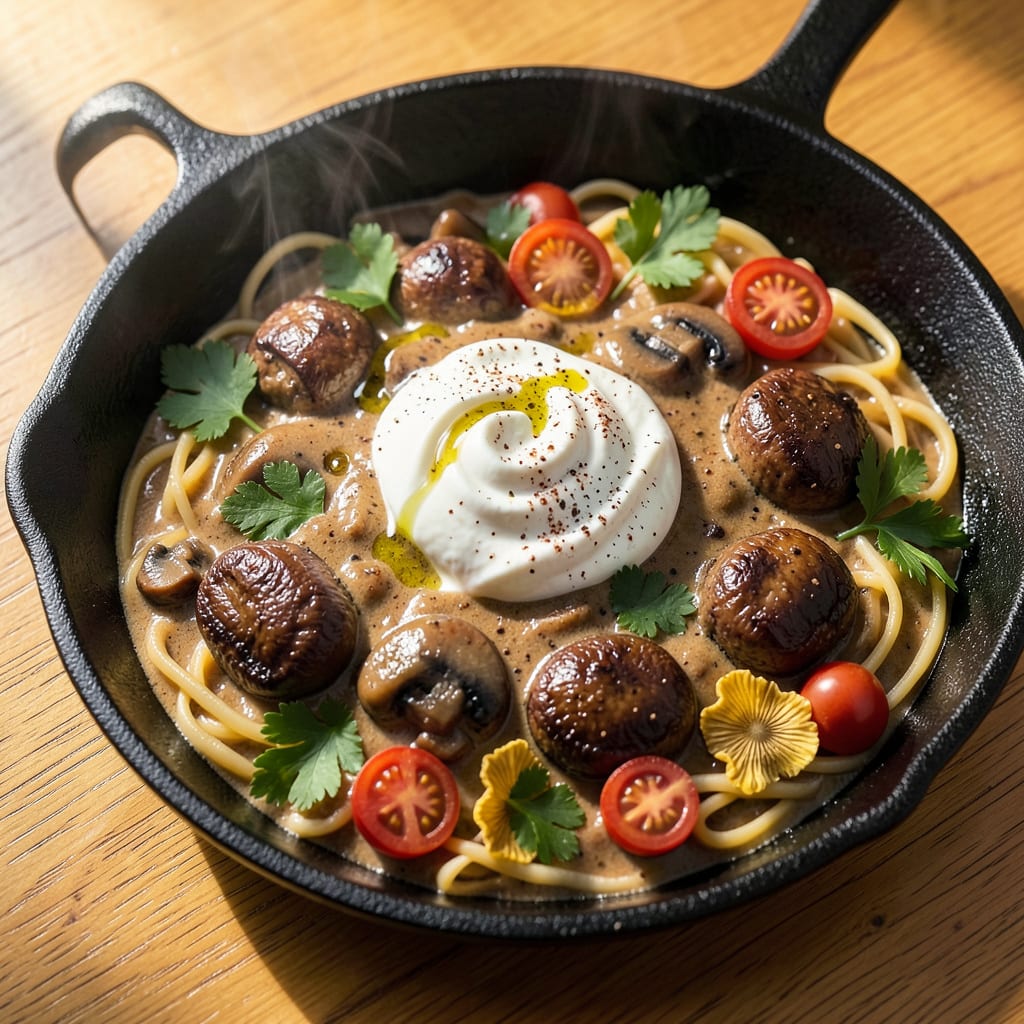
Here’s the thing—I’ve been swapping sour cream for heavy cream in my cooking for years, and it’s one of those sneaky kitchen tricks that actually works. No fancy techniques, no weird ingredients, just a simple swap that cuts fat without sacrificing that creamy richness you’re after. The first time I tried it was in a pan sauce that needed thickening, and honestly, I couldn’t tell the difference.
What makes this work is the fat content—sour cream has enough to mimic heavy cream’s body, but with a slight tang that adds depth. For sauces and soups, use a 1:1 ratio, but thin it with a splash of milk if needed. In baking, you might want to reduce it by 10% since sour cream’s thicker. I’ve used this trick in everything from stroganoff to cheese sauces, and it delivers every time.
The only catch? Sour cream can’t handle high heat like heavy cream, so stir it in at the end of cooking. If you’re watching calories or just ran out of cream, this is your go-to move. And if you need it dairy-free, full-fat coconut cream works in a pinch—just expect a hint of coconut flavor.
Best part? You probably already have sour cream in your fridge. No special trips to the store, no guilt about using what’s on hand. Let’s break down exactly how to make this swap work for your recipe.
📚 In This Guide
- What You’ll Need
- Instructions
- Tips and Common Mistakes
What Youll Need
- ● Sour cream – 1 cup (full-fat for best texture; low-fat works but may thin out).
- ○ Butter or milk – 2 tbsp (optional, to adjust richness or consistency).
- ○ Lemon juice or vinegar – 1 tsp (optional, to mimic tanginess if using plain yogurt as a base).
- ● Mixing bowl – medium-sized, non-reactive (glass or stainless steel preferred).
- ● Whisk or fork – for smooth blending.
- ● Measuring cups/spoons – for precise ratios.
- ● Rubber spatula – to scrape out every creamy drop! 🥄
- ○ Blender or food processor – optional, for ultra-smooth sauces.
- ○ Cheesecloth or fine-mesh strainer – optional, if straining for thicker consistency.
- ● Recipe requiring heavy cream – have your dish (soup, sauce, or dessert) prepped and ready!
Instructions
Here’s exactly how to make the swap—simple steps for creamy results every time.
Choose the Right Sour Cream
Start with full-fat sour cream for the best results. I always check the label to ensure it contains at least 18% milkfat—this higher fat content mimics heavy cream’s richness and prevents curdling when heated. Avoid low-fat or non-fat versions, as they’ll give you a thinner, less satisfying texture.
Give your sour cream a quick stir before measuring to eliminate any separated liquid. You want a smooth, uniform consistency from the start. If you notice any lumps, gently whisk them out—they’ll incorporate better into your final dish.
Adjust the Consistency
Sour cream is naturally thicker than heavy cream, so you’ll need to thin it slightly. For every 1 cup of heavy cream your recipe calls for, use ¾ cup sour cream plus ¼ cup whole milk or light cream. This ratio maintains the creamy texture while keeping the right moisture balance.
Whisk these together until completely smooth. I like to use a small bowl and a fork for this—it gives me better control than a whisk. The mixture should coat the back of a spoon but still pour easily. If it seems too thick, add milk 1 tablespoon at a time until you reach the perfect consistency.
Incorporate Gently into Warm Dishes
When adding your sour cream mixture to warm or hot dishes, temperature control is everything. First, remove your pan from direct heat and let it cool for 2-3 minutes—this prevents the sour cream from separating. Then, stir in the mixture slowly while constantly moving your spoon.
I always add it in three parts, waiting about 30 seconds between each addition. This gradual approach helps the sour cream acclimate to the heat. Watch for the mixture to become silky and uniform—that’s your sign it’s properly incorporated without curdling.
Cook with Careful Heat Management
Once incorporated, return your dish to low heat only. Never let it boil—sour cream will curdle at high temperatures. I keep my burner between low and medium-low, just enough to maintain a gentle simmer. You’ll see tiny bubbles forming at the edges, but the surface should remain mostly calm.
Stir frequently during cooking, scraping the bottom of the pan to prevent sticking. The mixture will thicken slightly as it heats, but should remain pourable. If you notice any separation, remove from heat immediately and whisk vigorously—this often saves the sauce.
Finish and Serve Promptly
Sour cream-based sauces are best served immediately after cooking. I notice they thicken considerably as they cool, so transfer your dish to serving bowls right away. The texture should be velvety smooth with a slight tang that brightens rich flavors.
If you need to hold the dish, keep it warm in a 170°F oven for up to 30 minutes. Stir occasionally and add a splash of milk if it becomes too thick. The creamy consistency should remind you of traditional heavy cream sauces, just with a pleasant subtle tang that makes every bite interesting.
Tips and Common Mistakes
Making this creamy swap is simpler than you think—here’s what I’ve learned from perfecting the technique.
Fat Content is Key: In Step 1, don’t compromise on the full-fat sour cream with at least 18% milkfat. I’ve tried lower-fat versions, and they just don’t hold up to heat the same way. The higher fat content is what gives you that rich, velvety texture that mimics heavy cream so well. Trust me, it’s worth the extra calories for the right consistency.
Temperature Control Matters: When you’re incorporating the mixture in Step 3, those 2-3 minutes of cooling time are crucial. I’ve ruined batches by rushing this step—adding sour cream to a piping hot pan causes immediate separation. Let the pan cool slightly, then add your mixture in three parts as directed, waiting the full 30 seconds between additions. This gradual approach prevents curdling every time.
Heat Management Secret: The low heat setting in Step 4 isn’t just a suggestion—it’s the difference between success and disaster. I keep my burner just above the lowest setting, where you’ll see those tiny bubbles at the edges but no rolling boil. If you notice the mixture starting to separate despite your best efforts, remove it from heat immediately and whisk vigorously. This often brings it back together before it’s too late.
Serving Timing: Step 5 mentions serving promptly for good reason. I’ve found that even after just 10 minutes off the heat, the sauce thickens noticeably. If you need to hold it, use that 170°F oven for up to 30 minutes as suggested, but stir every 5-10 minutes and be ready to add a splash of milk to maintain the perfect pouring consistency.
Pro Tips for Substitute Sour Cream For Heavy Cream
- Making this creamy swap is simpler than you think—here’s what I’ve learned from perfecting the technique.
- Fat Content is Key: In Step 1, don’t compromise on the full-fat sour cream with at least 18% milkfat. I’ve tried lowe…
- Temperature Control Matters: When you’re incorporating the mixture in Step 3, those 2-3 minutes of cooling time are c…
Frequently Asked Questions
Can I substitute sour cream for heavy cream in a 1:1 ratio?
Not quite! Sour cream is thicker, so use ¾ cup sour cream + ¼ cup milk or water to replace 1 cup heavy cream. This keeps the consistency smooth for sauces, soups, or baked goods. For whipped toppings, add a splash of lemon juice to stabilize it.
Will sour cream curdle when heated as a heavy cream substitute?
Yes—sour cream can separate if boiled or overheated. To prevent curdling, temper it first: gradually mix in hot liquid (like soup broth) before adding it to the pot. Keep heat at medium-low and avoid prolonged cooking.
What’s the best dairy-free alternative if I’m out of both sour cream and heavy cream?
Try full-fat coconut milk (canned) for richness or cashew cream (blended soaked cashews + water). For tang, add a teaspoon of lemon juice. Avoid almond milk—it’s too thin! Check labels for unsweetened versions in savory dishes.
Can I use Greek yogurt instead of sour cream as a heavy cream substitute?
Plain whole-milk Greek yogurt works similarly—use the same ¾:¼ ratio (yogurt to milk). It’s tangier and higher in protein, but may thicken sauces more. Pro tip: Strain it first for ultra-smooth results in desserts!
Why does my sauce look grainy after swapping heavy cream for sour cream?
Graininess usually means the fat separated or the sour cream wasn’t fully incorporated. Fix it by whisking vigorously off-heat or blending briefly. If needed, add a splash of warm liquid (broth, milk) to smooth it out—no lumps allowed!
Swapping sour cream for heavy cream is easier than you think—and it’s a game-changer for lighter, tangy dishes! 🎉 Whether you’re cutting calories, avoiding dairy overload, or just in a pinch, this simple swap keeps your recipes creamy and delicious. Next time you’re whipping up a sauce, soup, or baked good, give it a try and taste the difference for yourself.
Ready to experiment? Pick a recipe from your favorites and start substituting—your taste buds (and maybe your waistline) will thank you! 😉

Trained in classic French technique but raised on slow-cooked ribs and spicy rubs, she blends culinary skill with smoke and soul.
- Recipe for Boneless Cross Rib Roast: Slow-Roasted Beef with Herb Crust - October 3, 2026
- Hamburgers in Sauce Recipe Crock Pot: Slow-Cooked Savory Delight - October 3, 2026
- Sanjeev Kapoor Egg Biryani Recipe: Fragrant Spiced Rice With Boiled Eggs - October 3, 2026