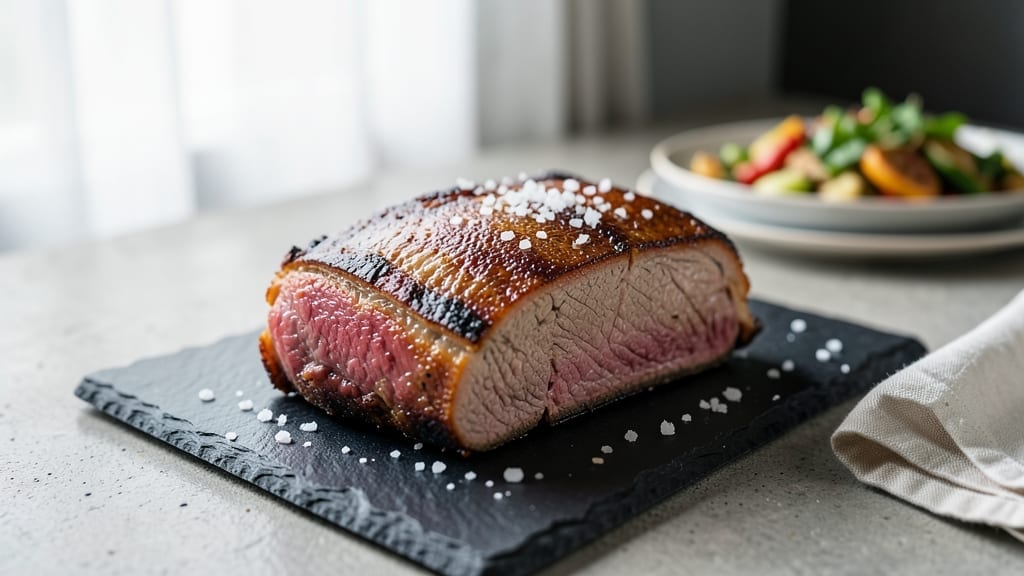
This sugar-free brisket recipe delivers all the rich, slow-cooked sweetness of traditional BBQ without the sugar crash or guilt. After years of perfecting low-carb techniques, I’ve developed a method that balances deep flavor with clean ingredients—no refined sugar in sight.
The secret lies in a blend of natural sweeteners and precise cooking that transforms tough brisket into tender, melt-in-your-mouth perfection.
The process begins with a foolproof dry rub that includes spices like smoked paprika, garlic powder, and a touch of erythritol for subtle sweetness without spiking blood sugar. Slow-cooking at 225°F for 10-12 hours ensures the meat stays juicy while developing a bark that’s crispy without burning.
This approach works for both smokers and ovens, making it accessible for home cooks.
What you’ll end up with is brisket so tender it nearly falls apart, with a caramelized exterior that’s rich and savory—not sweet. The natural sweetness comes from caramelized onions and a sugar-free glaze made with apple cider vinegar and a dash of liquid stevia.
Every bite is satisfying, hearty, and completely aligned with low-carb or keto lifestyles.
Pair it with roasted green beans or a simple side salad to complete the meal. The leftovers reheat beautifully, making this a perfect recipe for meal prep or hosting. Let’s get started on brisket that tastes indulgent but keeps you on track.
Ingredients for sugar free brisket
A carefully curated blend of spices, natural sweeteners, and slow-cooked precision transforms tough brisket into sugar-free indulgence.
| Ingredient | Amount | Notes |
|---|---|---|
| Packer Brisket 🥩 | 4 lb | Whole packer cut, fat cap intact |
| Yellow Onions 🧅 | 2 whole | Yellow or red, sliced into rings |
| Smoked Paprika 🌶️ | 2 tbsp | High-quality, not smoked paprika blend |
| Garlic Powder 🧄 | 1 ½ tbsp | Freshly ground preferred |
| Onion Powder 🧅 | 1 tbsp | Diamond Crystal preferred |
| Ground Black Pepper 🌶️ | 1 tbsp | Freshly cracked |
| Coarse Kosher Salt 🧂 | 1 ½ tbsp | Diamond Crystal preferred |
| Erythritol 🍬 | 1 tbsp | Granulated, sugar alcohol |
| Apple Cider Vinegar 🍏 | ¼ cup | Bragg preferred |
| Liquid Stevia 🍃 | ½ tsp | Pure extract, no fillers |
| Beef Tallow 🧈 | 2 tbsp | For fat cap rendering |
| Fresh Rosemary 🌿 | ¼ cup | Chopped, fresh sprigs |
| Fresh Thyme 🌿 | ¼ cup | Leaves only, stems removed |
| Black Coffee ☕ | ½ cup | Cold brew preferred |
[recipe_ingredient_scaler]
The Packer brisket is non-negotiable here—look for USDA Prime or Choice with a thick fat cap (at least 0.5 inches) for moisture and flavor. Costco and Whole Foods consistently carry high-quality packer cuts, but local butchers often have better selection. Avoid pre-trimmed briskets; the fat renders down during cooking, creating natural sweetness. For the spices, Penzeys Spices offers premium smoked paprika and Diamond Crystal kosher salt—both essential for that authentic bark without sugar. The erythritol should be pure, granular sugar alcohol; brands like Lakanto or Swerve work well, but avoid maltitol blends which can cause digestive upset.
No erythritol? Allulose works at a 1:1 ratio, though it caramelizes slightly differently. Short on fresh herbs? Dried rosemary and thyme at half the amount suffice, but fresh adds complexity. The apple cider vinegar adds tang without sweetness—Bragg Organic is my go-to, but any raw, unfiltered variety works. For the glaze, liquid stevia is crucial; powdered versions often contain fillers that alter texture. If you’re using a smoker, beef tallow helps render the fat cap more efficiently, especially in cooler weather. The black coffee isn’t just for flavor—it’s a traditional brisket tenderizer, but instant works in a pinch.
Store unused spices in airtight containers away from light for up to 1 year. The brisket itself reheats best low and slow—wrapped in butcher paper at 275°F for 2 hours to preserve moisture. Leftovers keep 5-6 days in the fridge, but the flavor peaks after 2-3 days of resting. For long-term storage, vacuum-seal portions and freeze for up to 3 months. The glaze components (vinegar, stevia) can be pre-mixed and stored in the fridge for 1 week, though fresh is always better.
Why You’ll Love This Recipe
- No-Fuss Smoking: I love that this brisket practically cooks itself after the initial prep. Just slap on that dry rub with smoked paprika and garlic powder, let it marinate overnight, and then fire it up at 225°F. The real work is done by the smoker—you’re basically just babysitting it while it develops that incredible bark.
- Coffee & Vinegar Magic: Honestly, the coffee and apple cider vinegar combo is what makes this stand out. That 1 tbsp of erythritol and ½ tsp of stevia give just enough sweetness to balance the smoky paprika and black pepper, without any refined sugar. It’s like a low-carb barbecue secret weapon.
- Leftovers That Keep Giving: This recipe feeds a crowd, but don’t stress if you have leftovers—they actually taste better after 2-3 days of resting. I’ll slice some up for sandwiches, freeze portions for later, and still have enough for a weeknight dinner. Zero waste, zero guilt.
- Budget-Friendly Luxury: A 4 lb packer brisket isn’t cheap, but it stretches so far—sandwiches, tacos, or just straight-up sliced over greens. The spices like smoked paprika and rosemary are affordable staples, and the coffee and vinegar add depth without breaking the bank. It’s the kind of meal that feels indulgent but won’t drain your wallet.
Step-by-step instructions for sugar-free brisket
This method delivers deep, caramelized flavor without refined sugar—just natural sweetness from coffee and vinegar.
Prepare the Brisket and Create the Dry Rub
Begin by trimming the fat cap of the 4 lb packer brisket to about ¼-inch thickness, leaving the fat intact for moisture. Pat the surface completely dry with paper towels—this ensures maximum bark formation later. In a small bowl, combine the 2 tbsp smoked paprika, 1½ tbsp garlic powder, 1 tbsp onion powder, 1 tbsp ground black pepper, and 1½ tbsp coarse kosher salt. This blend delivers smoky depth and balanced seasoning without overpowering the natural beef flavor.
Generously coat the brisket with the dry rub, pressing it into the meat so it adheres evenly. Don’t skip this step—proper adhesion prevents seasoning from falling off during cooking. Place the brisket fat-side up on a wire rack set over a baking sheet and refrigerate uncovered for 24 hours. This resting period allows the rub to penetrate deeply and creates a concentrated crust when cooked.
Render Fat and Build the Coffee-Vinegar Base
Preheat your smoker or oven to 225°F. In a small saucepan, melt the 2 tbsp beef tallow over low heat until fully liquid. In a separate bowl, whisk together the ½ cup black coffee, ¼ cup apple cider vinegar, 1 tbsp erythritol, and ½ tsp liquid stevia until the erythritol dissolves completely. This mixture creates a subtle sweetness without sugar while adding complexity through acidity and bitterness.
Once the brisket reaches room temperature, place it fat-side down on the smoker grates. Smoke undisturbed for 3 hours, then flip to fat-side up. After 6 hours total, brush the brisket with half of the coffee-vinegar mixture. This basting step enhances bark formation while infusing the meat with aromatic depth. Continue smoking until the internal temperature reaches 165°F, about 8-10 hours total.
Wrap and Finish with Herb Infusion
When the brisket hits 165°F, remove it from the smoker and wrap tightly in butcher paper (not foil). Return to the smoker and cook until the internal temperature reaches 203°F, approximately 4-6 additional hours. This wrapping technique, known as the Texas crutch, helps break through the stall while preserving the bark.
In a small bowl, combine the ¼ cup fresh rosemary and ¼ cup fresh thyme with 2 tbsp of the remaining coffee-vinegar mixture. Once the brisket reaches 203°F, remove it from the smoker and brush generously with this herb-infused liquid. Let it rest wrapped in butcher paper for 2 hours before slicing. This final step ensures tender meat with layers of herbal aroma and subtle sweetness.
Slice and Serve
Using a sharp knife, slice the brisket against the grain into ¼-inch thick pieces. The meat should be fork-tender with a dark mahogany bark and visible smoke ring. Serve immediately with any accumulated juices from the resting period. The sugar-free sweetness comes from the coffee and vinegar blend, creating a complex flavor profile that satisfies without refined sugar.
For optimal results, serve with steamed vegetables or a simple arugula salad. The brisket’s natural juices will coat every bite, delivering rich, smoky flavor with just a hint of sweetness from the erythritol and coffee infusion.
Pro Tips For Making Sugar Free Brisket
- Trim That Fat Cap: Cut the fat cap to exactly ¼-inch—no thicker, no thinner. I’ve seen people leave it too thick, and it turns into greasy mush instead of crisp bark. That fat’s job is to render slowly, not steam the meat.
- Whisk Until It’s Gone: When mixing the coffee-vinegar blend, don’t just stir—whisk until the erythritol fully dissolves. I learned this the hard way when I ended up with gritty bits in my sauce. A few extra seconds here saves you from chewing on sugar alcohol later.
- Don’t Rush the 24-Hour Rub: That overnight rest isn’t optional. I tried skipping it once, and the bark was weak, the seasoning clumped, and the meat tasted flat. The rub needs time to work its magic—trust the process, even if you’re impatient like me.
- Use Butcher Paper, Not Foil: Wrapping in butcher paper keeps the bark intact while letting moisture escape just enough to avoid soggy meat. Foil traps too much steam, and you’ll end up with a sad, glossy brick. The paper lets the brisket breathe—just enough to stay tender without losing that crust.
Flavor customization for these flavors
Spicy Heat Infusion
Add 1 tbsp Penzeys cayenne pepper to your dry rub for a gentle kick, or increase to 2 tbsp for serious heat lovers. I like to mix it with the 1 tbsp erythritol during the 24-hour resting phase—this helps distribute the spice evenly while balancing sweetness.
For extra smokiness, sprinkle ½ tsp chipotle powder over the brisket after the 6-hour smoke mark. The chipotle pairs beautifully with the coffee-vinegar base, creating a smoky-spicy depth that’s addictive. 🌶️
Sweet Heat Balance
For those who love a touch of sweetness without sugar, swap ½ cup unsweetened applesauce for ¼ cup apple cider vinegar in your basting mixture. This adds natural sweetness while maintaining the acidity that tenderizes the meat.
I also recommend adding 1 tbsp liquid smoke (like Hickory flavor) to the coffee-vinegar blend before basting—it enhances the smoky profile without overpowering the spices. The result is a perfectly balanced sweet-spicy brisket that keeps the sugar-free promise.
Herbal Depth Boost
Elevate the herb infusion by adding 2 tbsp fresh sage leaves alongside the rosemary and thyme. The sage pairs wonderfully with the coffee and thyme, creating a complex herbal aroma.
For an even deeper flavor, infuse the coffee mixture with 4-5 garlic cloves (peeled) while it cools after whisking—remove the cloves before basting. This garlic-infused coffee adds a subtle, aromatic sweetness that complements the spice and herbs beautifully.
Umami Powerhouse
Boost the umami profile by adding 1 tbsp Worcestershire sauce (sugar-free) to the coffee-vinegar mixture. I use Annie Chun’s sugar-free version to keep it keto-friendly. Alternatively, add 1 tbsp soy sauce (or coconut aminos) to the dry rub for a deeper savory punch.
Both options enhance the natural beefy flavor while maintaining the sugar-free integrity. The umami helps balance any heat from added spices, creating a well-rounded taste profile. 💫
Smoky Wood Variations
Experiment with different wood types for your smoker to change the flavor profile. Hickory adds a strong, sweet smoke that pairs perfectly with the coffee base. For a milder option, try applewood, which adds a subtle fruitiness that complements the vinegar tang.
If you prefer a more robust flavor, use mesquite but limit it to 2 hours of smoke time to avoid overpowering the meat. I like to alternate wood types during the cook—start with hickory for the first 3 hours, then switch to applewood for the remaining time.
Nutrition facts
Frequently asked questions
Why does this recipe skip traditional sugar?
This method replaces refined sugar with natural alternatives like erythritol and liquid stevia to maintain sweetness without the blood sugar spike. The apple cider vinegar and black coffee also contribute subtle depth—together, they create caramelized flavor without sugar. The result is tender, smoky brisket with just a hint of natural sweetness, perfect for low-carb or keto diets.
Can I use an oven instead of a smoker?
Set your oven to 225°F and use a water pan or drip tray to mimic smoking. Place the brisket fat-side down on a rack over the pan, then follow the same steps: cook for 3 hours, flip, baste with the coffee-vinegar mixture at 6 hours, and wrap at 165°F. The key is patience—low and slow is what tenderizes the meat.
What if my brisket gets too dry during cooking?
If the bark starts to dry out before reaching 165°F, tent the brisket loosely with foil for 30-60 minutes to retain moisture. Then remove the foil and finish uncovered. Overcooking is the real risk—use a meat thermometer to hit 203°F for perfect tenderness. The butcher paper wrap in Step 3 also helps prevent drying during the final hours.
How do I store leftovers without losing flavor?
Wrap the sliced brisket tightly in butcher paper or foil and refrigerate for up to 5-6 days. For best results, reheat in a 275°F oven for 2 hours to restore juiciness. The flavor actually improves slightly after 2-3 days of resting—just add a splash of the coffee-vinegar mixture when reheating to revive the bark.
Can I substitute fresh herbs with dried?
Use half the amount of dried rosemary and thyme (e.g., ¼ cup fresh = 2 tbsp dried). Fresh herbs add vibrant aroma, but dried works in a pinch. For even more depth, toast the dried herbs in a dry pan for 30 seconds before mixing them into the coffee-vinegar blend—this awakens their flavors beautifully.

Trained in classic French technique but raised on slow-cooked ribs and spicy rubs, she blends culinary skill with smoke and soul.
- Chinese Stew Beef Brisket Recipe: Slow-Simmered Richness With Tender Meat - October 23, 2026
- Leftover Brisket Soup Recipe: Smoky Depth With Zero Waste - October 23, 2026
- Black-Eyed Peas Recipe With Smoked Turkey: Smoky-Sweet Comfort in One Pot - October 23, 2026