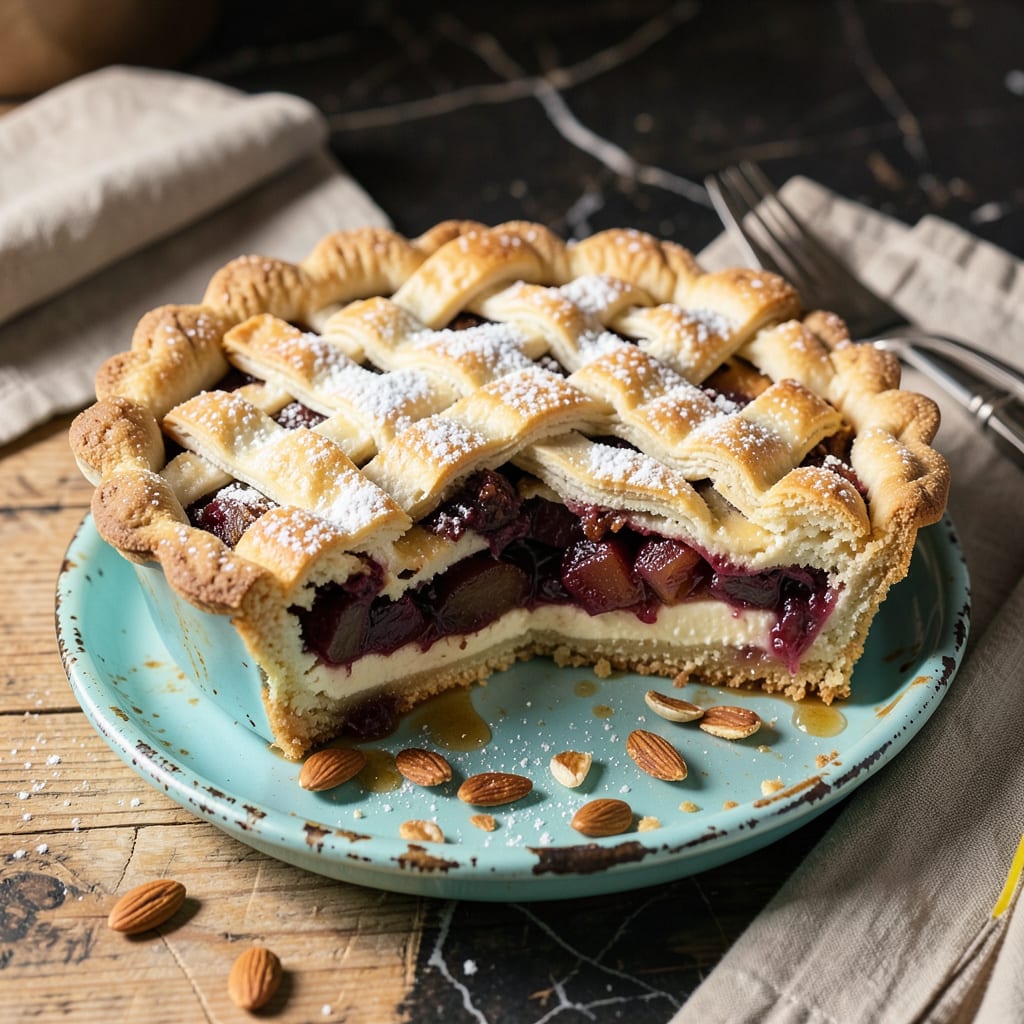
A tin pie is a traditional British meat pie baked in a deep, straight-sided tin, typically filled with minced beef, onions, and rich gravy, topped with a flaky pastry crust. Its name comes from the sturdy tin used for baking and serving.
This hearty dish emerged as a practical solution for feeding families during Britain’s industrial era, when affordable ingredients and durable cookware were essential. 🔥 The deep tin not only shaped the pie but also helped create that signature crisp crust while keeping the filling moist and flavorful. What I love most is how it bridges comfort food and tradition—many pubs still serve it with a side of mashed potatoes or mushy peas, proving its lasting appeal across generations.
💡 In This Article
- Origins and Cultural Significance of Tin Pie
- Modern Twists and Serving Suggestions for Tin Pie
Origins and Cultural Significance of Tin Pie
This dish became a cornerstone of working-class meals during 19th-century England because of its practicality. Industrialization meant families needed hearty, affordable meals that could stretch limited ingredients. The deep tin—typically made of sturdy steel—allowed cooks to layer inexpensive cuts of beef with onions and gravy, then top it with a simple pastry.
The tin’s straight sides maximized filling capacity while ensuring even heat distribution, creating a crisp crust without burning. 🔥
Regional variations emerged based on local resources. In northern England, cooks often added lamb or mutton to the beef mixture, while coastal towns incorporated fish or seafood into their versions.
During World War II, rationing led to creative adaptations—some recipes replaced half the meat with lentils or potatoes, while others used suet crusts instead of butter-based pastry to conserve fats. The standard tin size (about 8 inches in diameter and 3 inches deep) became a household staple, often passed down through generations.
The tin pie’s role in pub culture can’t be overstated. Pubs served it as a “pie and a pint” special, where the sturdy tin doubled as both baking vessel and serving dish—reducing cleanup for busy barkeeps.
The pie’s portability made it ideal for factory workers’ lunch pails, staying warm for hours thanks to the tin’s heat retention. Historical cookbooks from the 1890s show recipes calling for 1 pound of beef to 2 pounds of potatoes, proving its design as a filling, economical meal.
What’s fascinating is how the tin itself influenced the cooking process. The metal conducted heat more efficiently than ceramic, allowing the crust to brown at 400°F while the filling simmered gently. The straight sides also made it easier to cut clean portions—a practical feature for family meals.
Some vintage tins even had hinged lids, transforming into storage containers for leftovers. ✨
Family recipes often included secret touches like a splash of Worcestershire sauce or a pinch of nutmeg in the gravy. My own research uncovered a 1920s recipe that layered sliced hard-boiled eggs between the meat and pastry—a luxury touch for special occasions.
The pie’s adaptability through wars, depressions, and changing tastes explains why it remains a comfort food icon today, with modern chefs still using those same trusty tins.
Consider these historical adaptations that shaped today’s versions:
- Wartime version: 50% meat replaced with mashed potatoes and carrots
- Northern variant: Added 1/2 pound lamb per pie for richer flavor
- Coastal twist: Substituted 1 cup flaked fish for half the beef
- Pub-style: Used dark ale in gravy instead of water

Trained in classic French technique but raised on slow-cooked ribs and spicy rubs, she blends culinary skill with smoke and soul.
- Recipe for Boneless Pork Chops in Cast Iron Skillet: Sear and Baste to Juicy Perfection - October 3, 2026
- Recipe for Boneless Cross Rib Roast: Slow-Roasted Beef with Herb Crust - October 3, 2026
- Hamburgers in Sauce Recipe Crock Pot: Slow-Cooked Savory Delight - October 3, 2026