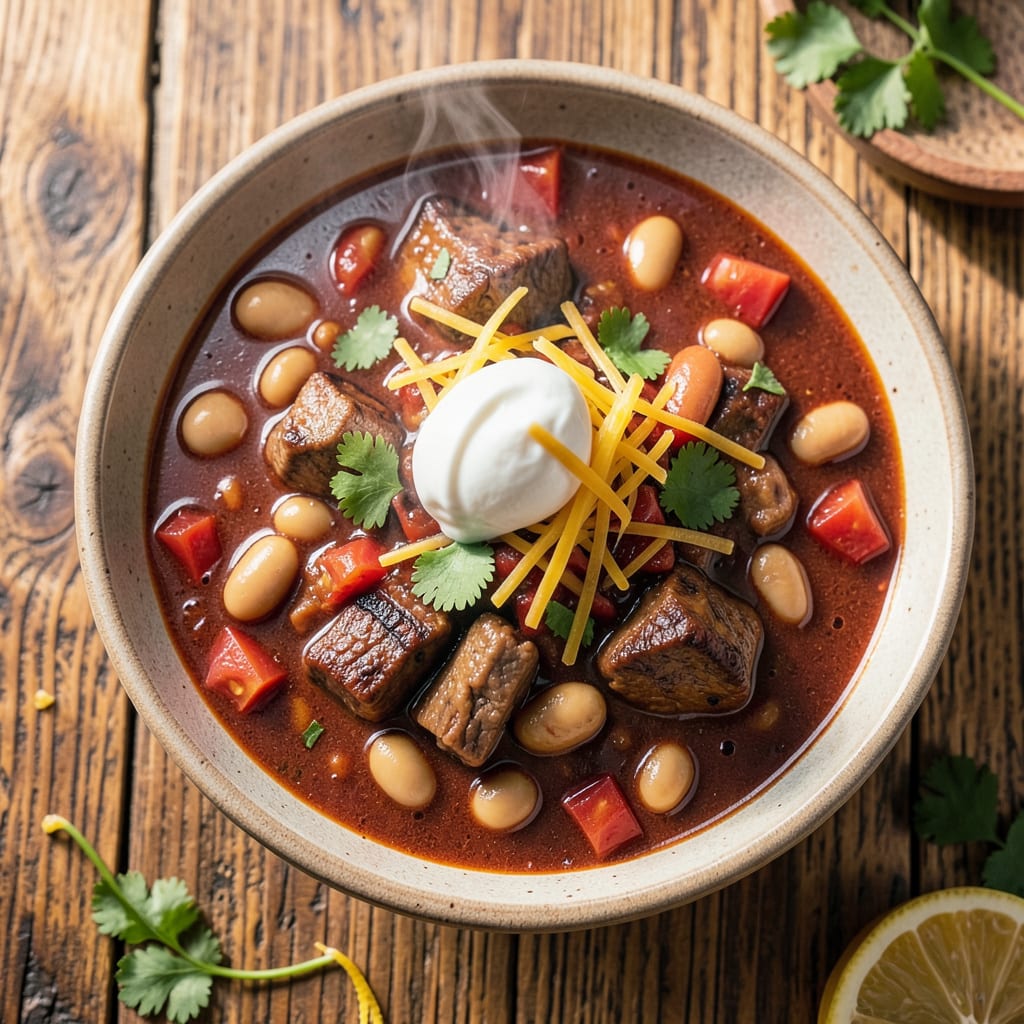
We’ve all been there—you’re tasting your chili, and suddenly BAM, that chili powder hit you like a freight train. Don’t panic. I’ve burned through more batches of over-spiced chili than I’d like to admit, and here’s the good news: fixing it is easier than you think. No fancy ingredients required, just some smart kitchen science.
The quickest way to tame the heat? Balance it out. Acid cuts through spice like nothing else—try stirring in 1-2 tablespoons of vinegar or lime juice per quart of chili. No vinegar? Tomato paste works too. For creaminess that cools the burn, mix in sour cream or plain yogurt (about ½ cup to start). Both methods work fast without watering down your flavors.
If your chili’s still too intense, bulk it up. Add extra beans, broth, or even cooked ground meat to dilute the spice concentration. Sweetness helps too—a spoonful of brown sugar or honey (start with 1 tablespoon) can round out harsh edges. Remember, you’re not masking flavors—you’re creating balance, just like adjusting seasoning in any dish.
Here’s the thing—every chili can be saved. Start with small additions, taste as you go, and trust your instincts. I’ve rescued countless pots this way, and your chili will be back to crowd-pleasing status in no time. Let’s get that balance right.
📚 In This Guide
- What You’ll Need
- Instructions
- Tips and Common Mistakes
What Youll Need
- ● Your over-spiced chili (1 pot, any size—just note how much you’re working with!)
- ● Neutral base ingredients to dilute heat: Tomato sauce (1–2 cups, unsalted preferred) 🍅
- ● Broth (chicken, beef, or veggie; 1–2 cups, low-sodium) 🥫
- ● Canned beans (1 can, 15 oz, drained/rinsed—pinto or black work best)
- ○ Ground meat (½–1 lb, cooked; optional for meat lovers) 🥩
- ● Heat balancers (pick 1–2): Dairy: sour cream (½ cup), plain yogurt (½ cup), or shredded cheese (1 cup) 🧀
- ● Acid: lime juice (1–2 tbsp) or vinegar (1 tbsp) 🍋
- ● Sweetener: brown sugar (1–2 tbsp) or honey (1 tbsp) 🍯
- ● Tools: Large spoon or ladle (for stirring) 🥄
- ● Tasting spoon (critical for adjustments!)
- ● Extra pot or bowl (if dividing batches for testing)
- ○ Optional but helpful: Immersion blender (for smoothing texture)
- ● pH strips (if you’re super precise with acid balance) 🧪
Instructions
Here’s how to quickly fix your chili when the chili powder overpowers everything else.
Dilute the Chili Base
The fastest way to reduce chili powder intensity is to increase the volume of your chili. Add 1 cup of low-sodium beef broth or crushed tomatoes for every 4 servings of chili. Stir well and let it simmer for 10 minutes to incorporate the flavors.
I prefer using broth because it maintains the chili’s richness while diluting the spice. If you use tomatoes, they’ll add a slight sweetness that helps counterbalance the heat. Taste after simmering—you might need to add another ½ cup if the flavor is still too strong.
Add Acidic Elements to Balance Flavors
Acidity cuts through the earthy, sometimes bitter notes of excess chili powder. Stir in 1 tablespoon of tomato paste or 1-2 tablespoons of apple cider vinegar or lime juice. The acidity brightens the dish and helps neutralize the overwhelming spice.
Start with small amounts—you can always add more. I like to mix the acid into a ladle of hot chili first, then stir it back into the pot. This prevents adding too much at once. Let it simmer for 5 minutes before tasting again to assess the balance.
Incorporate Creamy or Sweet Ingredients
Dairy and sweetness both counteract chili powder’s heat. Stir in ½ cup of sour cream, plain yogurt, or coconut milk for creaminess. Alternatively, add 1 tablespoon of brown sugar or honey to mellow the flavors.
The key here is gradual addition. I recommend mixing your chosen ingredient with a small amount of chili in a separate bowl first, then stirring it back into the pot. This prevents overdoing it. Simmer for another 5-10 minutes to let the flavors meld.
Bulk Up with Neutral Ingredients
Adding more neutral-tasting ingredients helps distribute the chili powder flavor more evenly. Cooked beans, diced potatoes, or ground meat all work well. For a 4-serving batch, add about 1 cup of your chosen ingredient.
If using raw meat, brown it first before adding to the chili. For beans or potatoes, simmer them in the chili for 15-20 minutes until tender. This method maintains your chili’s texture while reducing the relative concentration of chili powder in each bite.
Adjust Seasoning and Serve
After making your adjustments, it’s time to fine-tune the seasoning. Taste and add salt if needed—the additional ingredients may have diluted the overall seasoning. You might also want to add a pinch of cumin or smoked paprika to enhance the chili flavor without the heat.
Let your chili rest for 10 minutes off the heat before serving. This allows all the flavors to meld together. Serve with your favorite toppings like shredded cheese, diced onions, or avocado to further balance the flavors in each bite.
Tips and Common Mistakes
When you’ve accidentally overdone the chili powder, these practical adjustments will help you recover your dish without starting over.
Simmering Strategy: The 10-minute simmer in Step 1 isn’t just about blending flavors—it’s your first chance to assess the balance. After adding that initial cup of broth or tomatoes, don’t rush to taste immediately. Let the full 10 minutes pass while stirring occasionally. This gives the liquid time to fully incorporate and dilute the chili powder’s intensity evenly throughout the pot.
Acid Addition Technique: In Step 2, when working with vinegar or lime juice, here’s what I’ve learned: mix the acid with a spoonful of the chili’s cooking liquid first, then stir it back in. This prevents the acid from concentrating in one spot and creating an unpleasant sour pocket. The 5-minute simmer afterward is crucial—it softens the acid’s sharpness while allowing it to work its magic on the chili powder’s heat.
Dairy Integration: For Step 3’s creamy additions, temperature matters. If you’re using sour cream or yogurt, temper it first by mixing a spoonful of hot chili into the dairy to warm it gradually. This prevents curdling when you add it to the pot. The 5-10 minute simmer afterward isn’t just about flavor—it’s about allowing the dairy’s proteins to fully distribute and counteract the chili powder’s heat throughout the dish.
Neutral Ingredient Timing: When adding beans or potatoes in Step 4, don’t just dump them in. For beans, rinse them first to remove any starchy residue that could make your chili gummy. For potatoes, cut them into uniform ½-inch cubes so they cook evenly during that 15-20 minute simmer. This step isn’t just about dilution—it’s about creating textural contrast that helps distract from the chili powder’s intensity.
Pro Tips for Too Much Chili Powder In Chili How To Fix
- When you’ve accidentally overdone the chili powder, these practical adjustments will help you recover your dish witho…
- Simmering Strategy: The 10-minute simmer in Step 1 isn’t just about blending flavors—it’s your first chance to assess…
- Acid Addition Technique: In Step 2, when working with vinegar or lime juice, here’s what I’ve learned: mix the acid w…
Frequently Asked Questions
Can I fix chili with too much chili powder after it’s already cooked?
Add acidic ingredients like tomato paste, vinegar, or lime juice (1 tbsp at a time) to neutralize heat. For creaminess, stir in dairy (sour cream, yogurt, or coconut milk). Taste as you go—balance is key!
How long does it take to fix overly spicy chili?
Most fixes work in 5–10 minutes ! Acidic or dairy additions blend instantly, while simmering with extra beans/tomatoes may need 15–20 minutes. Taste frequently to avoid overcorrecting.
What’s the best substitute if I don’t have dairy to cut the heat?
Try starchy or sweet alternatives! Add mashed potatoes, a spoonful of peanut butter, or brown sugar (½ tsp at a time). Nut butters add richness without dairy.
Will adding more meat or beans dilute the chili powder flavor?
Yes, but strategically! Brown extra ground beef or drain/rinsed beans to bulk up the chili without thinning it. Simmer 10+ minutes to meld flavors. Pro tip: Use low-sodium broth to avoid salt overload.
Can I save chili that’s both too spicy and too salty?
Double-duty fix: Add diced raw potatoes (simmer 15 mins, then remove) to absorb salt and heat. Or stir in unsalted tomato sauce + a pinch of sugar. Avoid adding water—it dilutes flavor!
Don’t let a heavy hand with the chili powder ruin your meal! With simple fixes like adding dairy, sweetness, or starch, you can easily balance the heat and save your dish. Remember, a little patience and creativity go a long way—your chili can still be a crowd-pleaser! 😊
Next time, try gradually seasoning as you cook to avoid overdoing it. Now, grab a spoon and enjoy your perfectly balanced bowl—you’ve got this! 🍲

Trained in classic French technique but raised on slow-cooked ribs and spicy rubs, she blends culinary skill with smoke and soul.
- Recipe for Boneless Pork Chops in Cast Iron Skillet: Sear and Baste to Juicy Perfection - October 3, 2026
- Recipe for Boneless Cross Rib Roast: Slow-Roasted Beef with Herb Crust - October 3, 2026
- Hamburgers in Sauce Recipe Crock Pot: Slow-Cooked Savory Delight - October 3, 2026