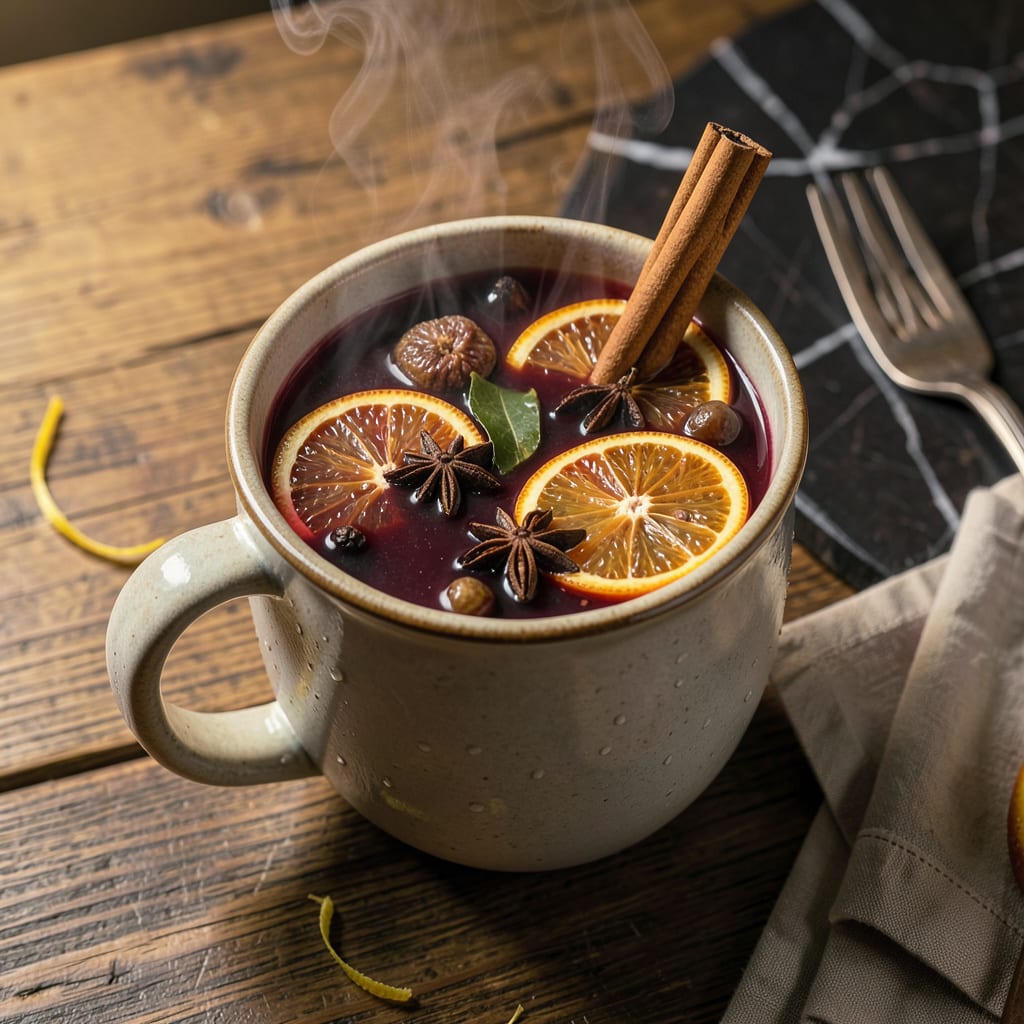
Mulled wine offers a warm, spiced sweetness with rich notes of cinnamon, cloves, and citrus. The red wine base provides a fruity depth, while gentle heating softens the alcohol’s bite, creating a cozy, aromatic drink perfect for cold weather.
This isn’t just a drink—it’s a sensory experience that evolves with every sip. The spices don’t just add flavor; they transform the wine’s natural acidity into something smoother and more layered. 🔥 I’ve noticed how the citrus peels brighten the mix, cutting through the richness of the wine while the cloves add a subtle, lingering warmth. What’s fascinating is how the heat coaxes out these flavors differently than in cold preparations, making each batch unique based on simmering time and spice ratios.
💡 In This Article
- Key Spices and Ingredients Shaping Mulled Wine’s Flavor
- Serving and Pairing Mulled Wine for Best Taste
Key Spices and Ingredients Shaping Mulled Wine’s Flavor
The magic starts with cinnamon sticks, which release warm, woody notes when simmered. Unlike ground cinnamon, whole sticks infuse slowly, creating a deep, lingering sweetness without overpowering. Meanwhile, cloves (just 4-5 per batch) add a sharp, almost peppery kick that balances the wine’s natural fruitiness.
The heat transforms these spices, extracting their oils and blending them with the wine’s tannins. 🔥
Star anise contributes a subtle licorice-like complexity, while orange peel (added fresh, not dried) brightens the mix with citrus oils. A standard ratio is 1 whole star anise and 2 wide strips of peel per bottle. The acidity from the peel cuts through the wine’s richness, similar to how lemon zest works in baking. Traditional recipes often include nutmeg for earthiness, but modern twists might use cardamom for floral notes.
Heat is the unsung hero here. Simmering at 160-180°F (never boiling!) allows alcohol to mellow while preserving delicate spice aromas. Too hot, and you’ll burn off the nuanced flavors; too cool, and the spices won’t fully infuse. I’ve found 20-30 minutes of gentle heat extracts maximum flavor without bitterness.
The wine’s body also matters—lighter reds like Pinot Noir absorb spices faster than bold Cabernets.
Sweetness levels vary by region. German Glühwein often adds 1-2 tablespoons of sugar per bottle, while French vin chaud might use honey for depth. The sweetener doesn’t just add sugar—it caramelizes slightly during heating, creating a rounded mouthfeel. For a modern twist, some use maple syrup or brown sugar for molasses-like undertones. ✨
Here’s what most miss: the quality of the base wine dictates 60% of the final taste. A cheap, tannic wine will taste harsh even after spicing, while a fruity Merlot or Zinfandel develops jammy notes when warmed. The spices amplify what’s already there—they can’t fix a poor starting point.
I always recommend a wine you’d enjoy drinking cold, as the flavors concentrate when heated.
Pro tip: Let the mulled wine rest 10-15 minutes off heat before serving. This allows the flavors to marry fully, much like letting a stew sit. The difference is noticeable—the spices soften, the sweetness integrates, and the alcohol’s edge disappears completely. 💫
- Cinnamon: Woody sweetness (2 sticks per bottle)
- Cloves: Sharp warmth (4-5 whole cloves)
- Orange peel: Bright citrus (2 wide strips)
- Star anise: Licorice depth (1 pod)
- Sweetener: Sugar/honey (1-2 tbsp)

Trained in classic French technique but raised on slow-cooked ribs and spicy rubs, she blends culinary skill with smoke and soul.
- Recipe for Boneless Pork Chops in Cast Iron Skillet: Sear and Baste to Juicy Perfection - October 3, 2026
- Recipe for Boneless Cross Rib Roast: Slow-Roasted Beef with Herb Crust - October 3, 2026
- Hamburgers in Sauce Recipe Crock Pot: Slow-Cooked Savory Delight - October 3, 2026