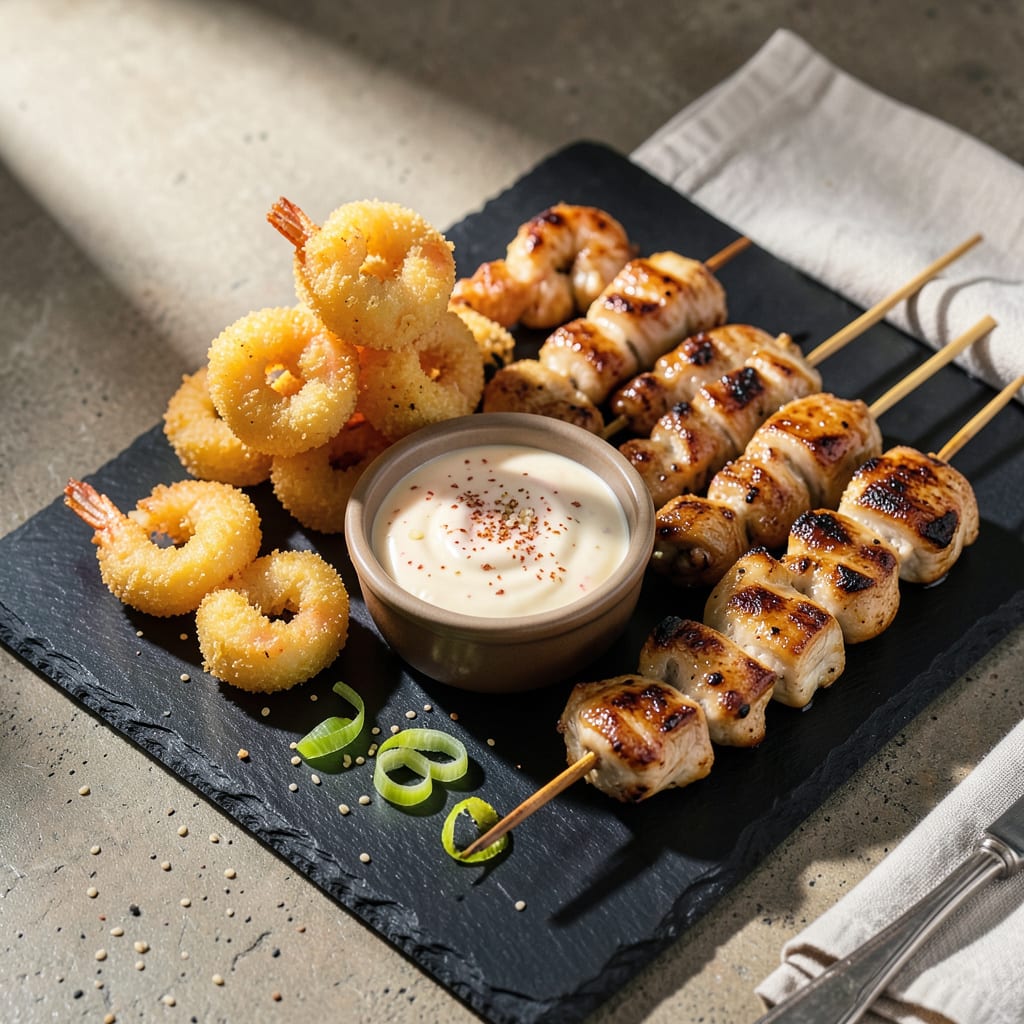
Yum yum sauce delivers a creamy, tangy-sweet flavor with subtle smokiness and a hint of spice. Its rich, velvety texture balances mayonnaise, tomato paste, and vinegar for a versatile, umami-packed condiment.
This sauce is like the Swiss Army knife of condiments—it brings together sweet, savory, and smoky notes in a way that elevates everything from grilled meats to crispy fries. 🔥 What I love is how the tomato paste adds depth while the vinegar cuts through the richness, creating that perfect balance. It’s no wonder hibachi chefs swear by it for dipping shrimp, steak, and even veggies. The beauty lies in its adaptability: tweak the spice level or sweetness to match your dish, and it instantly feels custom-made.
💡 In This Article
- Core Ingredients Behind Yum Yum Sauce’s Signature Taste
- Best Dishes and Cuisines to Pair With Yum Yum Sauce
Core Ingredients Behind Yum Yum Sauce’s Signature Taste
The magic starts with mayonnaise as the creamy base, providing that luscious, velvety mouthfeel. But here’s the twist: when combined with tomato paste (about 2-3 tablespoons per cup of mayo), it creates a subtle sweetness and umami depth.
The tomato paste also introduces a faint tang that gets amplified by the vinegar—typically rice vinegar or apple cider vinegar—which brightens the sauce and prevents it from tasting flat.
Now let’s talk spices. Garlic powder (about 1 teaspoon) and paprika (often smoked paprika) are the secret weapons. The garlic adds a sharp, aromatic punch, while the paprika contributes that signature smokiness—especially if you use the smoked variety.
🔥 A pinch of cayenne pepper (around 1/8 teaspoon) introduces just enough heat to make the sauce interesting without overpowering the other flavors.
What most people don’t realize is how the emulsification process makes this sauce so stable. The mayo’s egg yolks act as natural emulsifiers, binding the oil and vinegar together so the sauce stays smooth instead of separating.
This is why homemade versions can sometimes look grainy if you skip proper mixing—you need to whisk vigorously for at least 2-3 minutes to achieve that restaurant-quality texture.
Regional variations come into play with ingredient ratios. Japanese hibachi-style yum yum sauce tends to be lighter on the tomato paste (more mayo-forward), while American versions often amp up the sweetness with added sugar or honey. Some Midwest steakhouses even add a splash of Worcestershire sauce for extra umami complexity.
The key is balancing these elements so no single flavor dominates.
Here’s what’s fascinating about the texture: the sauce coats your tongue without feeling heavy. That’s because the vinegar’s acidity cuts through the mayo’s richness, while the tomato paste adds body without thickness. The result is a condiment that’s simultaneously decadent and refreshing—perfect for cutting through grilled meats or fried foods.
For those who love to tweak, consider these adjustments:
- More sweetness: Add 1 teaspoon honey or sugar
- Extra smokiness: Use chipotle powder instead of regular paprika
- Less tang: Reduce vinegar to 1 teaspoon instead of 1 tablespoon
The beauty of yum yum sauce lies in its chemistry—how fats, acids, and spices interact to create something greater than the sum of its parts.
It’s why this sauce can transform simple grilled chicken into something restaurant-worthy with just a single dip. ✨

Trained in classic French technique but raised on slow-cooked ribs and spicy rubs, she blends culinary skill with smoke and soul.
- Recipe for Boneless Pork Chops in Cast Iron Skillet: Sear and Baste to Juicy Perfection - October 3, 2026
- Recipe for Boneless Cross Rib Roast: Slow-Roasted Beef with Herb Crust - October 3, 2026
- Hamburgers in Sauce Recipe Crock Pot: Slow-Cooked Savory Delight - October 3, 2026